admin
The global craft brewing industry is currently undergoing a structural transformation as owners move beyond the traditional taproom model to embrace communal production and diversified fermentation. Faced with a saturated market, rising operational costs, and shifting consumer preferences, breweries are increasingly redefining themselves as "third places"—social environments separate from home and work—where the production of beer is merely one component of a broader cultural and economic ecosystem. This evolution is characterized by two distinct but related trends: the rise of shared-infrastructure cooperatives and the rebranding of breweries as "fermenteries" that produce a wide array of probiotic and non-alcoholic beverages.
The Rise of the Collective Model and the Tiers-Lieu Concept
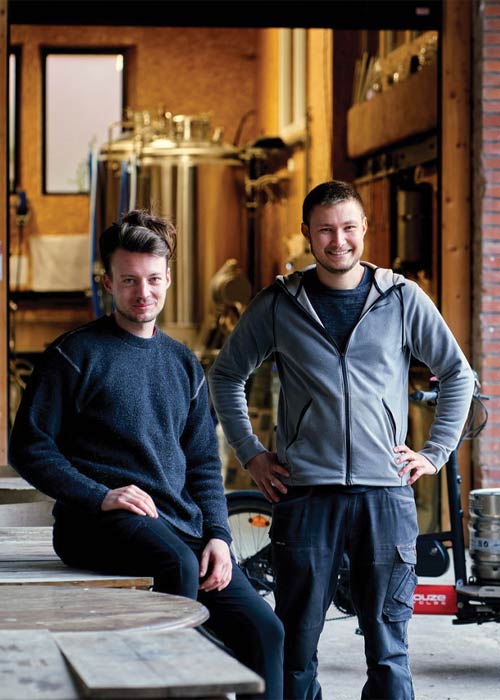
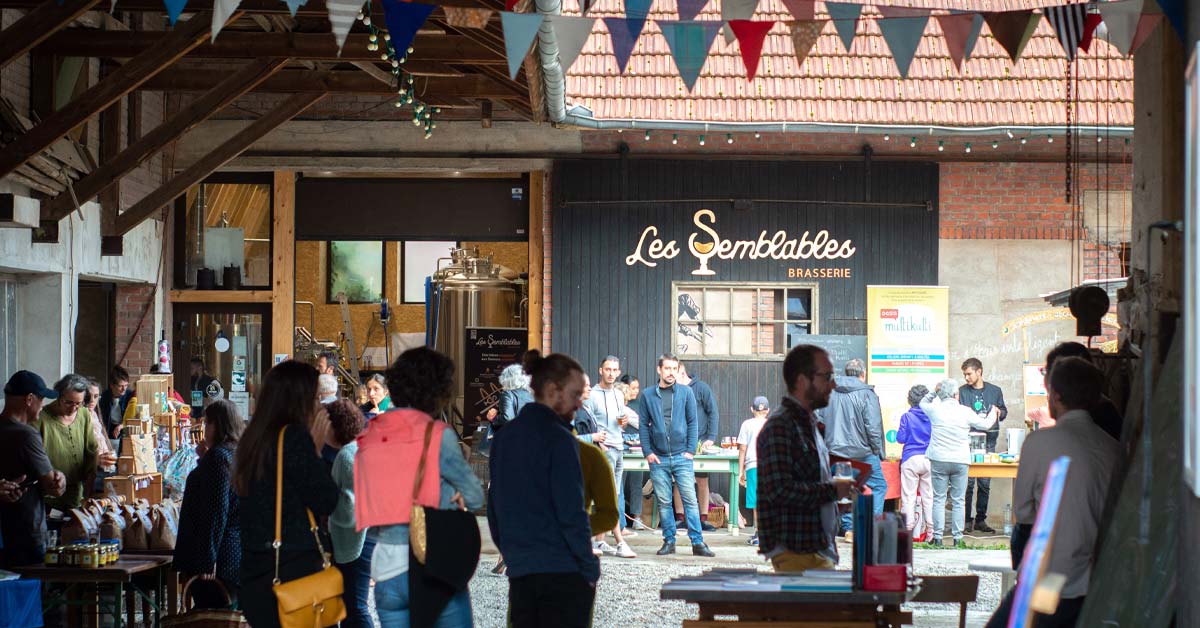
In the current economic climate, the high capital expenditure required to establish and maintain a standalone brewery has become a significant barrier to entry. In response, many brewers are turning to collective models that emphasize social integration over industrial isolation. A prime example of this is found in the Alsace region of France, where Eliott Pernelle and Etienne Voinson established Brasserie Les Semblables. Rather than settling in a traditional industrial park, the duo integrated their operations into Oasis Multikulti, a "tiers-lieu" or "third place" located on a historic farm in the village of Mietesheim.
The tiers-lieu concept, which is deeply rooted in French social geography, refers to community-managed spaces that host a variety of cultural, educational, and sustainable activities. By situating their brewery within an existing collective that features community gardens, farmers’ markets, and artisan workshops, Pernelle and Voinson bypassed the challenges of building a brand from scratch. Instead, they leveraged the existing foot traffic of a community hub. However, this model requires a departure from traditional business management; the brewers function as both entrepreneurs and community volunteers, contributing to the collective’s social media and administrative needs to ensure the venue’s overall viability.
This move toward integration reflects a broader realization within the industry: a brewery’s success is often tied to its ability to serve as a community anchor. As urban and rural spaces become more fragmented, the brewery-as-community-hub offers a rare venue for social cohesion, mirroring the historical role of the public house but with a modern emphasis on sustainability and shared labor.
Historical Context and the Modern Shared Infrastructure
The concept of shared brewing is not a modern invention but a revival of ancient traditions. The "Zoiglbier" tradition of Bavaria, Germany, serves as the historical blueprint for today’s brewing cooperatives. For centuries, non-professional brewers in five Bavarian towns have shared a communal brewhouse, a practice that was officially recognized by UNESCO as part of Germany’s "intangible cultural heritage" in 2018. This communal approach allowed for the efficient use of fuel and equipment, ensuring that even small-scale producers could participate in the brewing economy.
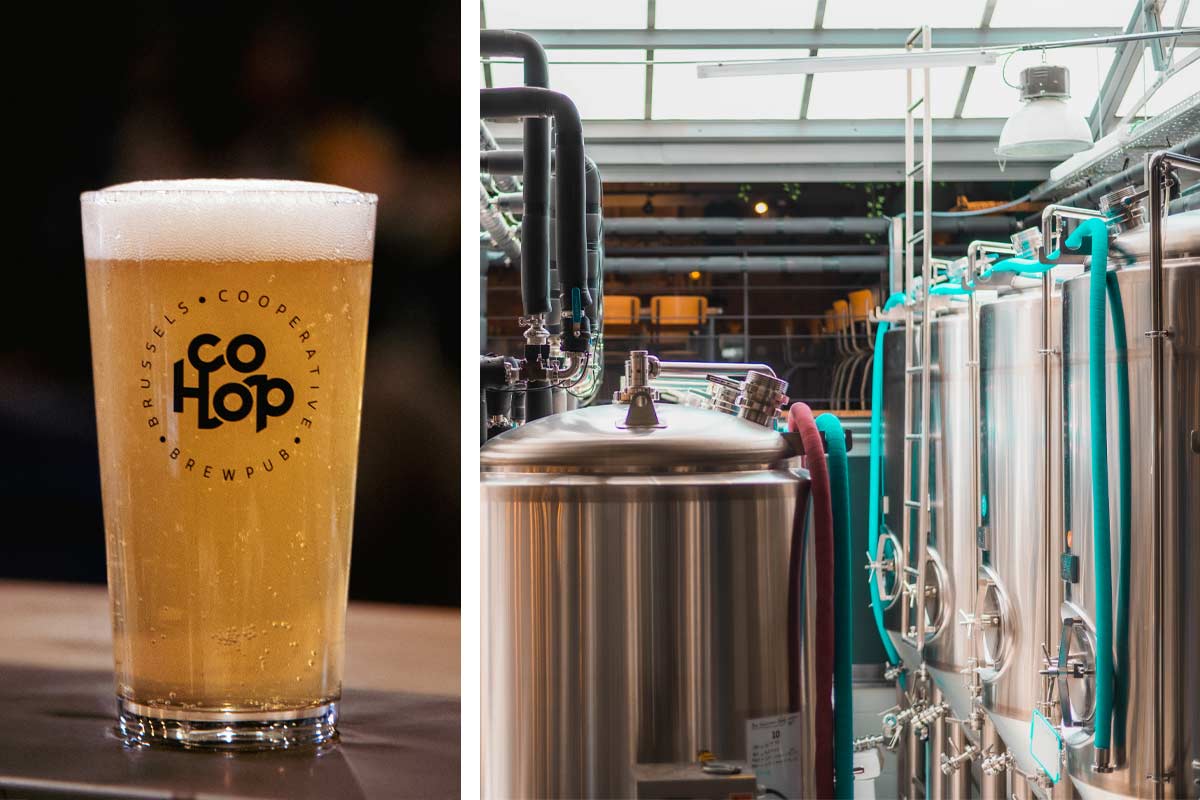
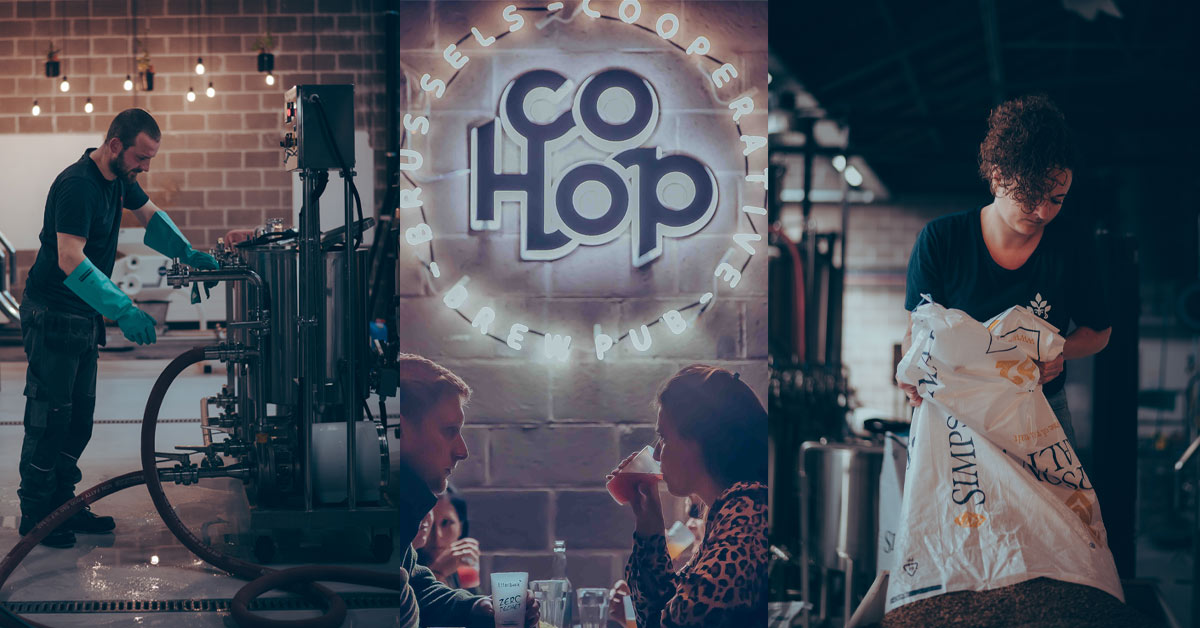
In the 21st century, this model has been modernized to address the specific pressures of the craft beer "bubble." In Brussels, Belgium, the establishment of CoHop in 2021 represents a sophisticated evolution of the communal brewhouse. Founded by Thomas Detourbe of Brasserie Witloof, CoHop brought together four (and later five) distinct microbreweries—including La Bagarre, Janine, and 1Bière 2Tartines—under one roof.
The economic logic of CoHop is compelling. By sharing a single high-capacity brewhouse, the member breweries significantly reduced their individual overhead costs and environmental footprints. The organization operates through a division of labor: one team manages the brewing schedule, another handles raw material procurement, and another oversees equipment maintenance. This "stronger together" philosophy allows each brand to maintain its unique identity and recipe portfolio while benefiting from the logistical efficiencies of a large-scale operation. Notably, the site also functions as a bakery, using the spent grains from brewing to produce bread, exemplified by the brewery-bakery hybrid model of the member brand Janine.
From Brewery to Fermenterium: Diversification of the Fermenter
While some brewers are changing how they produce, others are changing what they produce. The term "brewery" is increasingly being replaced or supplemented by "fermentery" or "fermenterium." This shift is driven by a desire to insulate businesses against the volatility of the beer market and to appeal to a more health-conscious demographic.
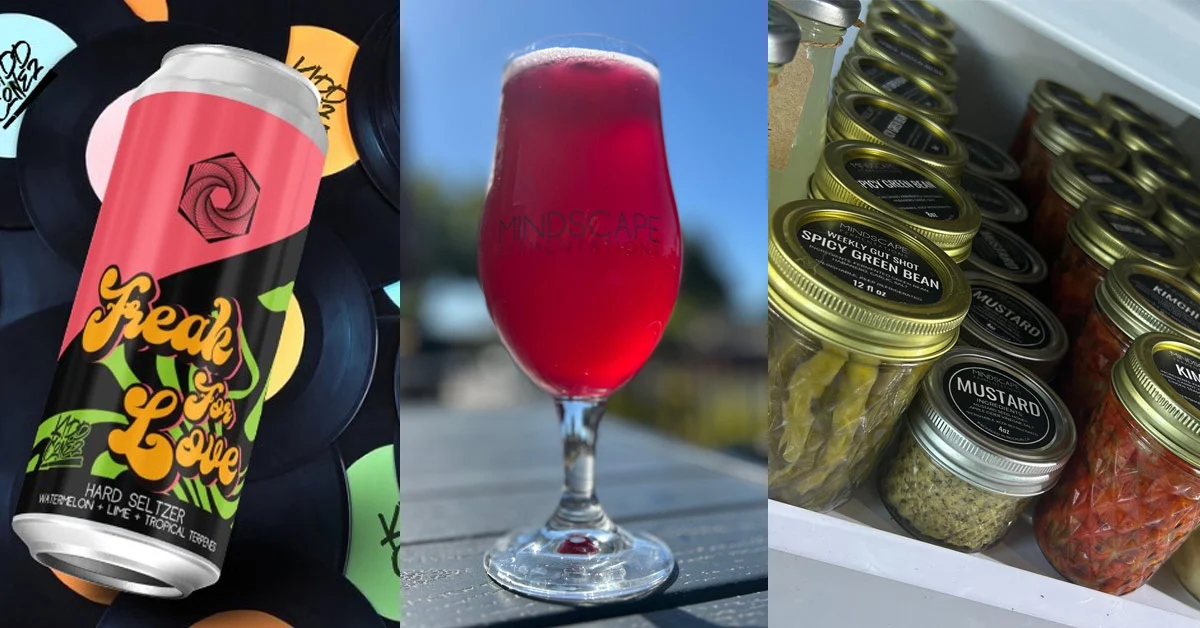
In Rocklin, California, Lauren Price and Lauren Houston of Mindscape Fermentations have intentionally branded their business as a "fermenterium." This designation allows them to explore the vast landscape of fermentation beyond malt and hops. Their portfolio includes kombucha, seltzer, and fermented foods, alongside traditional beer. This diversification serves as a strategic hedge; if beer sales decline due to changing health trends or economic shifts, the business can pivot toward its other fermented offerings.
Other pioneers in this space include:
- Fermentery Form (Philadelphia): Utilizing winemaking techniques and the Solera system—a process of fractional blending—to create complex, co-fermented beverages.
- Fox Tale Fermentation Project (San Jose): Integrating brewing with the production of botanical kombuchas.
- L’Annexe (Brussels): A "brasserie-fermenterie" that focuses on fermented beverages infused with local flora.
- The Fermentorium (Wisconsin): Offering a broad spectrum of apple-based ales, ciders, and traditional beers.
The transition to a fermentation-focused model requires a significant investment in consumer education. Unlike a "brewery," which carries an immediate set of expectations, a "fermenterium" must explain its process and products to the public. However, the reward is a significantly more diverse customer base. Mindscape Fermentations reports seeing a higher percentage of female patrons and a wider age range than traditional taprooms, suggesting that the "fermenterium" model is more inclusive and less intimidating to non-beer drinkers.
Market Data and Economic Pressures
The shift toward these new models is supported by industry data. According to the Brewers Association, the trade group representing small and independent U.S. craft brewers, the industry has seen a cooling of the explosive growth witnessed in the 2010s. In 2023, craft beer production volume in the U.S. saw a slight decline for the first time in decades (excluding the 2020 pandemic year), while the number of brewery openings slowed and closings increased.
The primary drivers of this cooling include:
- Input Costs: The price of malt, hops, and aluminum cans has risen sharply due to global supply chain disruptions and inflation.
- Market Saturation: With over 9,000 breweries in the U.S. alone, competition for shelf space and tap handles is at an all-time high.
- The "Sober Curious" Movement: Younger generations, particularly Gen Z, are consuming less alcohol than their predecessors, leading to a surge in demand for non-alcoholic (NA) and low-alcohol alternatives.
By evolving into community hubs or diversified fermenteries, businesses can address these challenges. Shared spaces like CoHop mitigate rising input costs through bulk purchasing and shared utilities. Diversified fermenteries like Mindscape address the "sober curious" trend by providing high-quality, complex fermented beverages that do not rely on high alcohol content for their appeal.
Broader Impact and Future Implications
The implications of this evolution extend beyond the balance sheets of individual businesses. The transition of breweries into multipurpose community spaces has the potential to revitalize rural villages and urban neighborhoods alike. When a brewery integrates with a farmer’s market or a bakery, it creates a circular economy that supports local agriculture and small-scale food production.
Furthermore, the "fermenterium" model aligns with the growing global focus on gut health and sustainability. Fermentation is a natural preservation method that can reduce food waste and provide probiotic benefits, positioning these businesses as part of the broader wellness and "slow food" movements.
Looking forward, the "standalone" brewery model may become a rarity reserved for the largest regional players. For small and independent producers, the future likely lies in collaboration and diversification. As Rémi Pequin of CoHop noted, the current economic climate makes the "go-it-alone" strategy increasingly risky. The success of these collective and diversified ventures suggests that the next era of craft brewing will be defined not by the competition between brands, but by the strength of the communities they build and the breadth of the fermentations they master.
The evolution from a production facility to a "third place" ensures that breweries remain relevant in a changing social landscape. By embracing the roles of educator, community host, and fermentation scientist, craft brewers are ensuring that their industry remains a vital, though perhaps unrecognizable, part of the global beverage landscape for decades to come.