admin
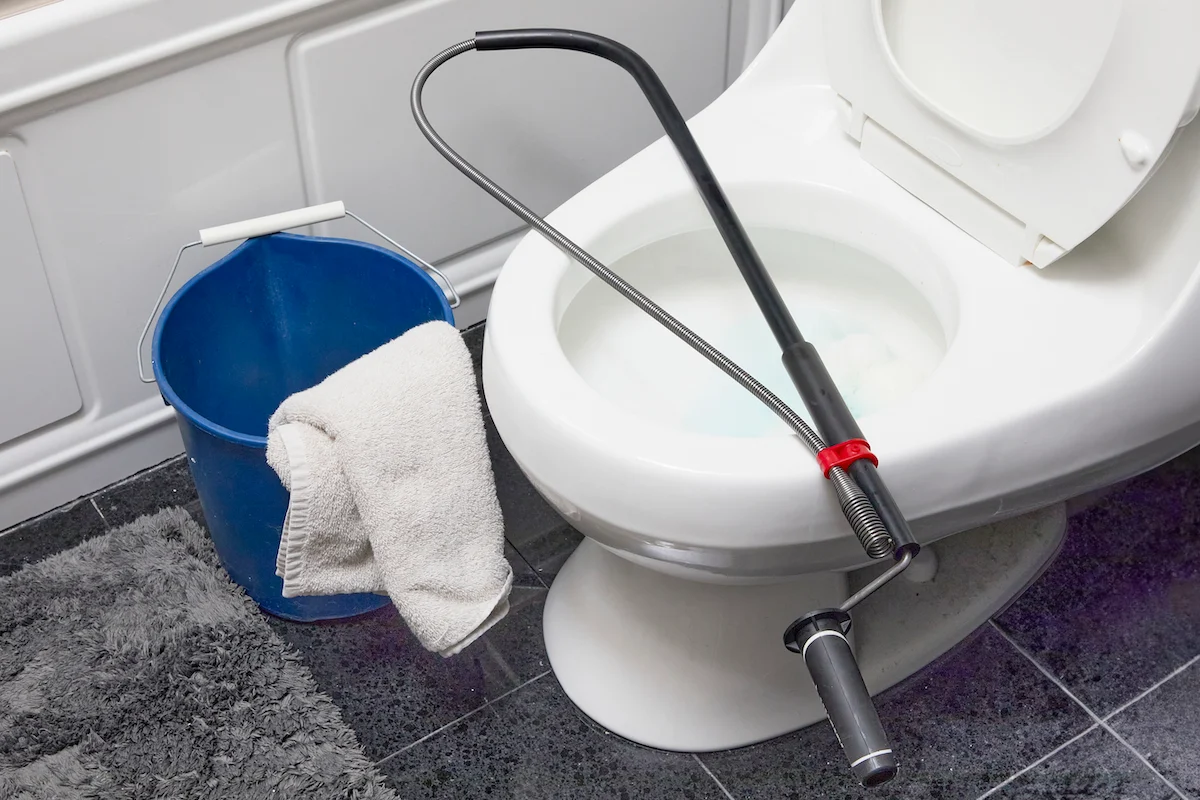
The phenomenon of a bubbling or gurgling toilet is frequently dismissed by homeowners as a minor quirk of aging plumbing, yet in the field of civil engineering and residential maintenance, it is recognized as a primary indicator of pneumatic imbalance within a waste management system. When a toilet emits a rhythmic "glug" or air bubbles rise to the surface of the bowl without the handle being engaged, it signifies that negative air pressure, or suction, is accumulating within the drain line. This creates a localized vacuum that eventually forces air backward through the P-trap, the water-filled curve designed to block sewer gases. While often rooted in a simple localized clog, these symptoms can also herald more catastrophic failures, including collapsed sewer mains or obstructed ventilation stacks that pose significant risks to property and public health.
The Mechanics of Plumbing Equilibrium
To understand why a toilet bubbles, one must first understand the delicate balance of air and water within a home’s drainage system. Residential plumbing relies on a "drain-waste-vent" (DWV) system. While gravity pulls waste downward through pipes, the vent stack—typically a pipe protruding through the roof—allows air to enter the system. This atmospheric pressure ensures that waste flows smoothly, much like venting a gasoline can allows the liquid to pour without "glugging."
When an obstruction occurs, the flow of air is restricted. As water attempts to move past a blockage, it creates a vacuum behind it. To equalize this pressure, the system pulls air from the nearest available source, which is often the water seal in a toilet bowl. The resulting turbulence creates the characteristic gurgling sound. This is more than a nuisance; it is a diagnostic signal that the system’s integrity has been compromised.
A Chronology of Plumbing System Failure
Plumbing issues rarely manifest as total failures overnight. Instead, they follow a predictable chronology that, if identified early, can save homeowners thousands of dollars in remediation costs.

- The Incipient Stage: Intermittent gurgling occurs only after heavy water usage, such as a long shower or a laundry cycle. At this stage, a partial clog is likely forming, restricting but not yet stopping the flow.
- The Symptomatic Stage: Bubbling occurs every time the toilet is flushed. Drainage in associated fixtures, such as bathtubs or sinks, begins to slow. This indicates a significant reduction in the diameter of the drainpipe due to accumulation of debris or invasive tree roots.
- The Cross-Fixture Stage: Flushing the toilet causes water to rise in the shower drain, or running the bathroom sink causes the toilet to bubble. This confirms the blockage is located in a shared branch line or the main sewer stack.
- The Crisis Stage: Raw sewage backs up into the lowest drains in the home. At this point, the negative pressure has transitioned into a total blockage, and the risk of water damage and biohazard exposure is imminent.
Identifying the Primary Culprits: Clogs and Vents
Data from the Plumbing-Heating-Cooling Contractors Association (PHCC) suggests that the vast majority of residential drainage issues stem from three specific areas: the local drain, the main sewer line, or the vent stack.
Localized and Mainline Obstructions
Localized clogs are often the result of "non-flushable" items. Despite marketing claims, products such as "flushable" wipes, feminine hygiene products, and heavy paper towels do not disintegrate at the same rate as toilet tissue. In municipal studies, these items have been found to contribute to "fatbergs"—masses of congealed fat and solid waste that can weigh several tons and paralyze city sewer systems.
Invasive Tree Roots
For older homes with clay or Orangeburg pipes, tree roots are a perennial threat. Roots are naturally drawn to the moisture and nutrients found within sewer lines. Once a microscopic crack appears, roots enter and expand, creating a lattice that catches waste and eventually leads to a total collapse of the pipe.
The Vent Stack Blockage
Unique to the gurgling symptom is the obstructed vent stack. Because these pipes are open to the atmosphere, they are susceptible to bird nests, leaf accumulation, and even the carcasses of small animals. During winter months, "frost closure" can occur, where moisture from the sewer gases freezes at the top of the stack, sealing the pipe and causing the entire house’s plumbing to gurgle.
Technical Data and Economic Implications of Repair
The cost of addressing a bubbling toilet varies significantly based on the point of intervention. According to industry benchmarks:
- Standard Snaking: A professional plumber utilizing a motorized auger typically charges between $150 and $450. This is effective for soft clogs within the first 50 feet of the line.
- Hydro-jetting: For heavy grease buildup or pervasive root systems, hydro-jetting—using high-pressure water streams—can cost between $350 and $900.
- Sewer Camera Inspection: High-definition fiber-optic cameras are now the industry standard for diagnostics. An inspection typically costs $200 to $400 but can prevent unnecessary excavation.
- Main Line Replacement: If a sewer line has collapsed, replacement costs can range from $3,000 to over $15,000, depending on the depth of the pipe and the need to excavate under driveways or public sidewalks.
Strategic Resolution: A Systematic Approach
Addressing a gurgling toilet requires a tiered response, beginning with the least invasive methods and progressing toward professional intervention.
Phase 1: Pressure Equalization and Plunging
The first step involves a coordinated plunge. Because bathroom fixtures often share a common drain line, the pressure from a plunger can be dissipated through a nearby sink or bathtub drain. To maximize effectiveness, these secondary drains should be sealed with duct tape or a wet rag. Utilizing a flange plunger (specifically designed for the contours of a toilet) can often dislodge minor airlocks or soft clogs.
Phase 2: Mechanical Augering
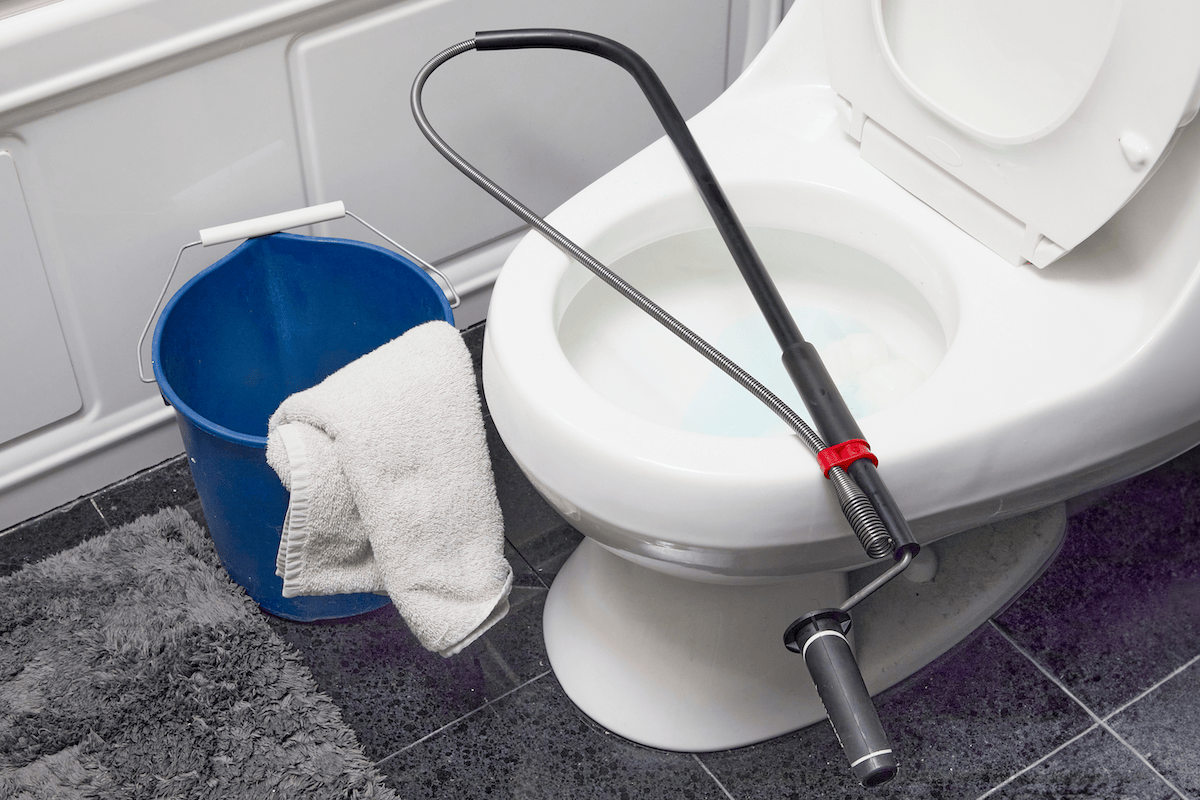
If plunging fails, a manual closet auger is the next tool of choice. Unlike a standard sink snake, a closet auger features a protective sleeve to prevent scratching the porcelain of the toilet bowl. This tool can reach obstructions within the first 3 to 6 feet of the drain.
Phase 3: External Infrastructure Inspection
If the gurgling persists, the focus must shift outside the home. Locating the sewer cleanout—a capped pipe in the yard or basement—allows for a direct bypass of the interior plumbing. If the cleanout is full of standing water, the clog is located between the house and the municipal main, necessitating a heavy-duty motorized snake or professional help.
Phase 4: Vent Stack Clearance
For those comfortable with roof access, inspecting the vent stack is a critical diagnostic step. Clearing debris or using a garden hose to flush the stack can resolve airlock issues that no amount of plunging will fix. However, safety protocols are paramount, and this task is frequently outsourced to professionals during inclement weather.

Professional and Municipal Perspectives
Municipal sewer authorities emphasize the importance of early reporting. If multiple neighbors experience bubbling toilets simultaneously, the issue likely resides in the community sewer main. In such cases, the municipal utility is responsible for the repair. "Homeowners should not hesitate to call the city if they suspect a main line issue," states a representative from a major metropolitan water works. "Preventing a sewer backup at the municipal level is far more cost-effective than remediating a neighborhood of flooded basements."
Furthermore, plumbing experts warn against the overuse of chemical drain cleaners. These caustic substances generate heat and chemical reactions that can soften PVC pipes or corrode older metal lines, often without fully resolving the underlying blockage.
Broader Impact and Property Value
The implications of a gurgling toilet extend beyond immediate plumbing repairs. Persistent drainage issues can lead to the release of hydrogen sulfide and methane—sewer gases that are not only unpleasant but can be toxic in high concentrations. Furthermore, unresolved leaks in a sewer line can saturate the soil around a home’s foundation, leading to structural instability and the growth of mold.
From a real estate perspective, a documented history of sewer line maintenance is a significant asset. During the "due diligence" phase of a home sale, sewer scope inspections are becoming a standard requirement. A home with a clean, well-maintained DWV system commands a higher market value and provides peace of mind to potential buyers.
In conclusion, while a bubbling toilet may seem like a minor acoustic anomaly, it is a sophisticated warning system provided by the laws of physics. By understanding the mechanics of air pressure, recognizing the chronology of system failure, and employing a systematic approach to repair, homeowners can safeguard their property against the significant financial and health risks associated with plumbing failure. Ignoring the "gurgle" is not an option; proactive maintenance is the only pathway to a functional and safe domestic environment.