admin
Recent environmental health assessments reveal a concerning reality for residents across the United States: the air within the average American home is frequently two to five times more polluted than the air outside. As modern construction techniques have prioritized energy efficiency and airtight seals to reduce heating and cooling costs, an unintended consequence has emerged in the form of trapped atmospheric contaminants. This phenomenon, often referred to as "Sick Building Syndrome" in commercial contexts, has increasingly moved into the residential sector, prompting health officials and indoor air quality (IAQ) experts to sound the alarm on the long-term health implications of poor domestic ventilation.
According to the Environmental Protection Agency (EPA), Americans spend approximately 90 percent of their time indoors, making the quality of home environments a primary determinant of respiratory health, cognitive function, and overall longevity. While many homeowners associate pollution with industrial smokestacks or heavy traffic, the most significant threats often originate from common household activities, building materials, and biological processes. Experts from leading organizations, including Dr. Jaspreet Dhau of Molekule and Bill Myers of Panasonic Eco Systems, have identified five critical pollutants that represent the most pervasive threats to U.S. households.
Particulate Matter: The Microscopic Respiratory Challenge
Particulate matter, specifically PM2.5—particles measuring 2.5 micrometers or smaller—stands as one of the most insidious indoor pollutants. These particles are so small that they can bypass the body’s natural filtration systems in the nose and throat, traveling deep into the lungs and even entering the bloodstream. Dr. Jaspreet Dhau, vice president of research and development at Molekule, emphasizes that the danger of PM2.5 lies in its invisibility and its ability to remain suspended in the air for extended periods.
The sources of particulate matter in the home are diverse and often linked to routine domesticity. Cooking, particularly frying or charring food, is a primary indoor source. The combustion of candles and incense, the use of wood-burning fireplaces, and even the act of vacuuming with a non-HEPA-rated machine can send clouds of particulates into the living space. Furthermore, as wildfire seasons in the Western United States become more prolonged and intense, outdoor smoke increasingly infiltrates indoor environments, exacerbating baseline pollution levels.
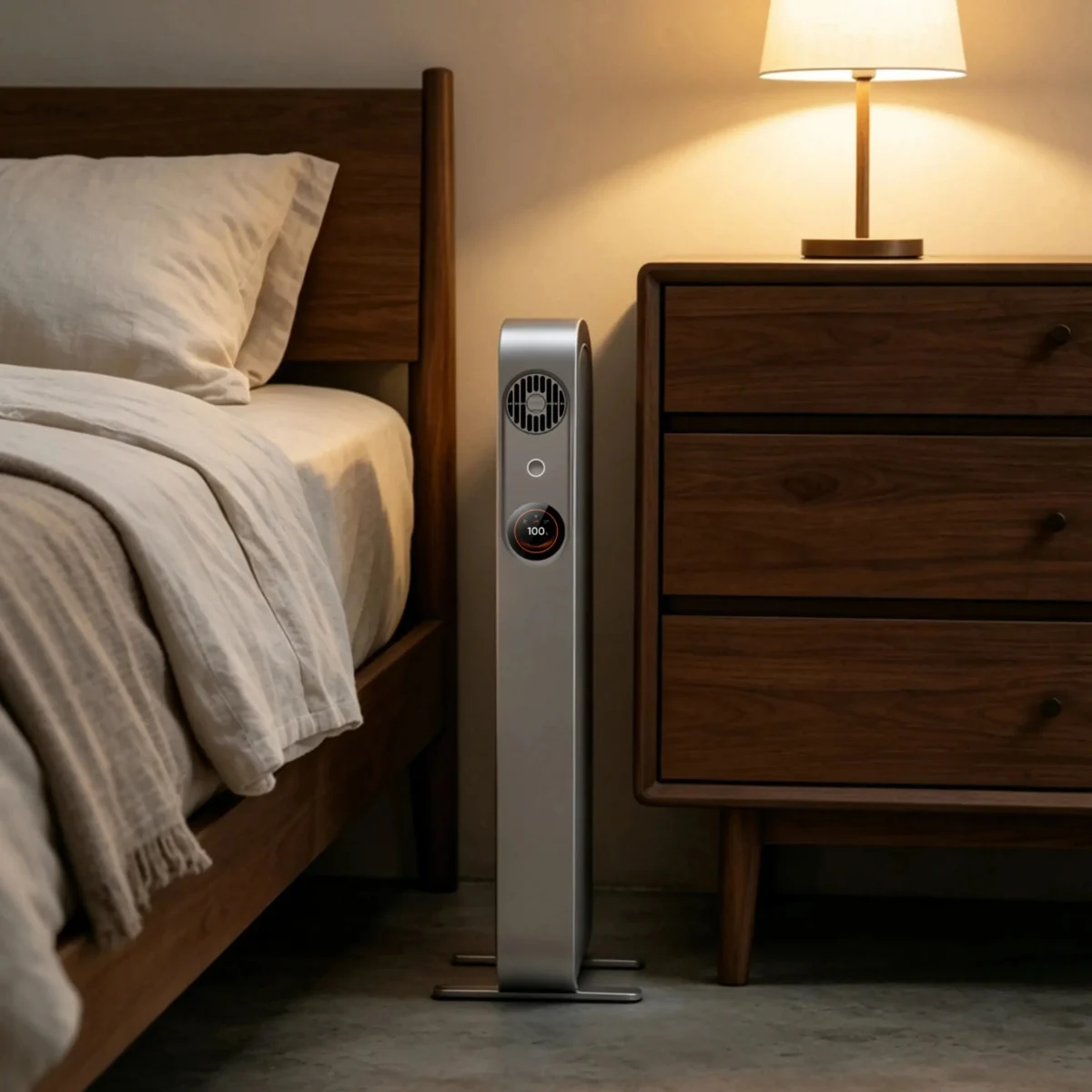
To mitigate exposure, experts recommend a multi-tiered approach. The installation of High-Efficiency Particulate Air (HEPA) filters in HVAC systems and standalone air purifiers is considered the gold standard, as these filters are rated to capture 99.97 percent of particles as small as 0.3 microns. Additionally, using high-performance range hoods that vent to the exterior—rather than merely recirculating air—is essential for managing cooking-related emissions.
Volatile Organic Compounds: The Chemistry of Modern Living
Volatile Organic Compounds (VOCs) are a broad category of carbon-based chemicals that evaporate at room temperature. In the modern home, VOCs are ubiquitous, emitted by an array of products including paints, varnishes, cleaning agents, and new carpeting. One of the most notorious VOCs is formaldehyde, which is frequently found in the adhesives used in pressed-wood furniture and certain types of insulation.
The health effects of VOC exposure range from acute symptoms, such as headaches and dizziness, to chronic conditions including liver damage and increased cancer risk. Dr. Dhau notes that VOC levels are typically at their highest immediately following home renovations or the introduction of new furniture. This "off-gassing" process can continue for months or even years, though the rate of emission generally decreases over time.
Mitigation strategies for VOCs focus on source control and enhanced ventilation. Consumers are increasingly encouraged to seek out "Low-VOC" or "No-VOC" labels when purchasing paints and building materials. For existing VOC sources, increasing the "air exchange rate" of the home by opening windows or using energy recovery ventilators (ERVs) can help dilute the concentration of these gases. Specialized air purifiers equipped with activated carbon filters are also effective, as carbon has the unique ability to adsorb gaseous pollutants that standard HEPA filters cannot trap.
Carbon Monoxide: The Silent and Lethal Byproduct
Carbon monoxide (CO) represents a different category of threat due to its potential for immediate lethality. As a colorless, odorless, and tasteless gas, it is impossible for humans to detect without technological assistance. CO is a byproduct of incomplete combustion, commonly produced by gas ranges, furnaces, water heaters, and fireplaces.
Data from the Centers for Disease Control and Prevention (CDC) indicates that at least 430 people die in the U.S. every year from accidental CO poisoning, and approximately 50,000 people visit emergency rooms due to exposure. The risk is particularly high during winter months when heating systems are in constant use and homes are sealed tight against the cold.
"Carbon monoxide is especially dangerous because it provides no warning," warns Dr. Dhau. The primary defense against CO is the installation of UL-listed carbon monoxide alarms on every level of the home and outside each sleeping area. Furthermore, annual professional inspections of fuel-burning appliances are critical to ensure that venting systems are intact and that combustion is occurring efficiently. Experts also advise against the use of portable generators or charcoal grills inside the home or in attached garages, even with the doors open.
Biological Contaminants: Dust Mites and Pet Dander
While often dismissed as mere nuisances, biological contaminants such as dust mites and pet dander are significant triggers for asthma and allergic rhinitis. Dust mites are microscopic organisms that thrive in warm, humid environments, feeding on dead human skin cells. They are most commonly found in mattresses, upholstered furniture, and heavy drapery.
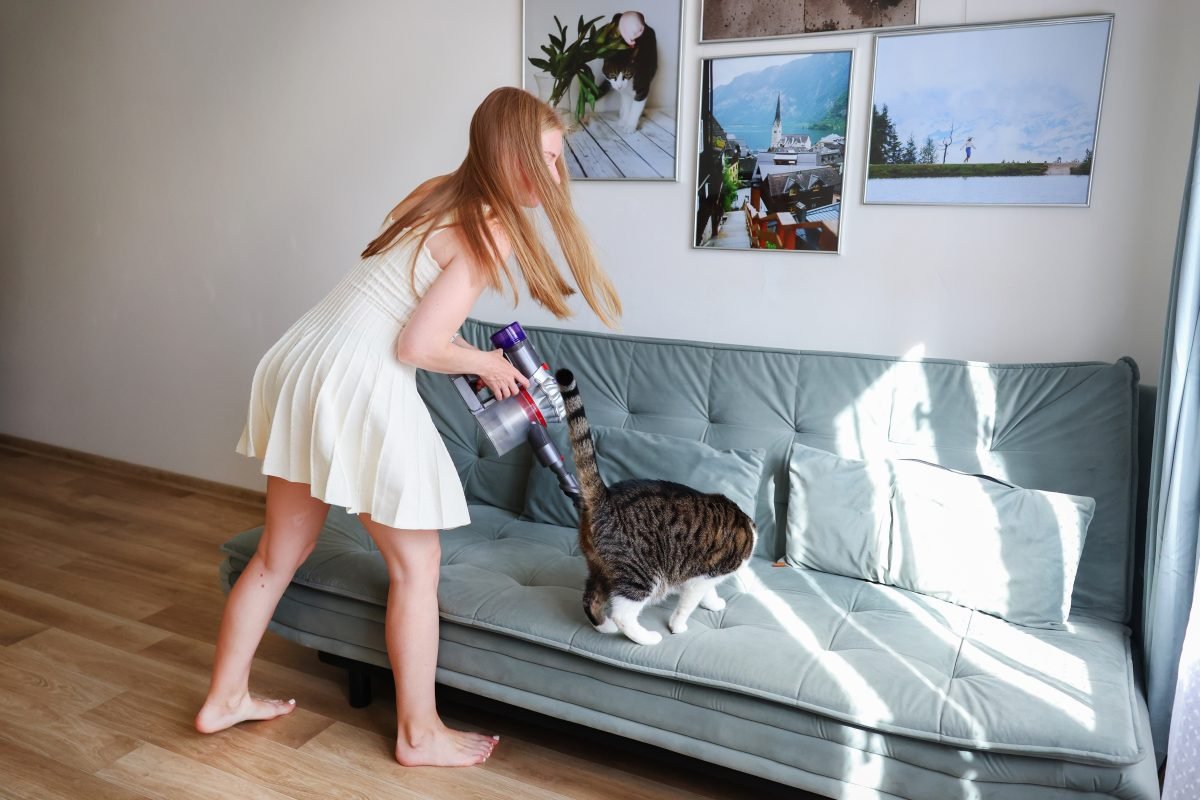
Pet dander consists of microscopic flecks of skin shed by cats, dogs, rodents, and birds. Because dander is extremely lightweight and "sticky," it can remain airborne for long periods and adhere to walls and clothing, making it difficult to eradicate even after a pet has left the premises. Bill Myers of Panasonic Eco Systems points out that frequent dust buildup around air vents and unexplained respiratory symptoms are clear indicators that biological contaminants have reached problematic levels.
Control measures for these allergens involve rigorous cleaning protocols and humidity management. Utilizing dust-proof covers for mattresses and pillows, washing bedding in water at least 130 degrees Fahrenheit, and replacing wall-to-wall carpeting with hard flooring can drastically reduce mite populations. For pet owners, the use of air purifiers with high CADR (Clean Air Delivery Rate) ratings for smoke and dust is recommended to continuously scrub dander from the air.
Moisture and Mold: The Hidden Structural and Health Threat
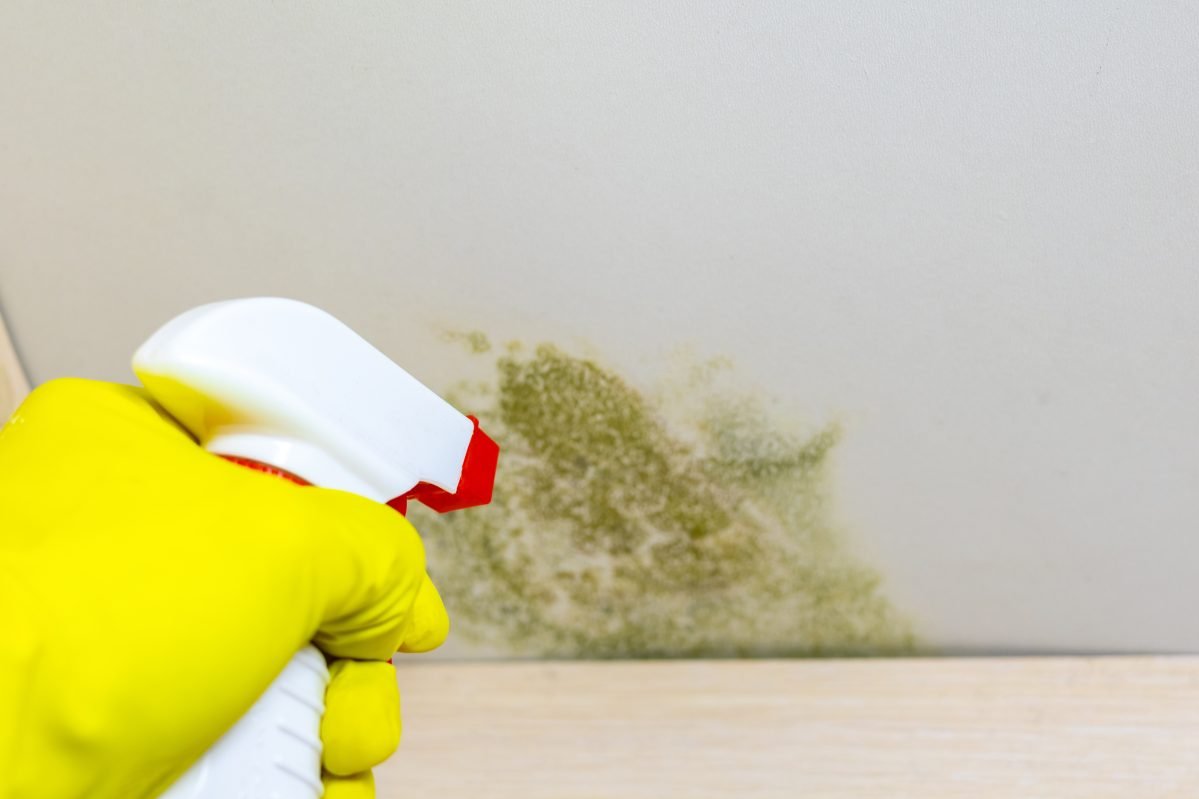
The final major category of indoor pollutant is mold, which is inextricably linked to moisture management. Everyday activities such as showering, boiling water, and even breathing contribute to indoor humidity. When this moisture meets cool surfaces, such as window glass or poorly insulated exterior walls, condensation occurs, providing the ideal breeding ground for mold spores.
Bill Myers notes that bathrooms and basements are the primary zones of concern. Visible signs of mold, musty odors, and persistent dampness are indicators of a failure in the home’s moisture control system. Beyond the structural damage mold can cause to wood and drywall, certain species produce mycotoxins that can lead to severe neurological and respiratory issues.
The solution to mold is twofold: reducing moisture at the source and ensuring adequate ventilation. The use of high-volume exhaust fans in bathrooms and kitchens is essential. In humid climates, the use of dehumidifiers to maintain indoor relative humidity between 30 and 50 percent is advised. Furthermore, homeowners should regularly inspect for plumbing leaks and ensure that the home’s grading directs rainwater away from the foundation.
The Economic and Social Impact of Indoor Air Quality
The implications of these five pollutants extend beyond individual health. The economic burden of poor IAQ is substantial, manifested in increased healthcare costs and lost productivity. A study by the Lawrence Berkeley National Laboratory estimated that improving indoor air quality in U.S. offices could add as much as $20 billion annually to the economy through increased worker performance. In the residential sector, the costs are felt in the rising rates of childhood asthma, which currently affects over 6 million children in the United States.
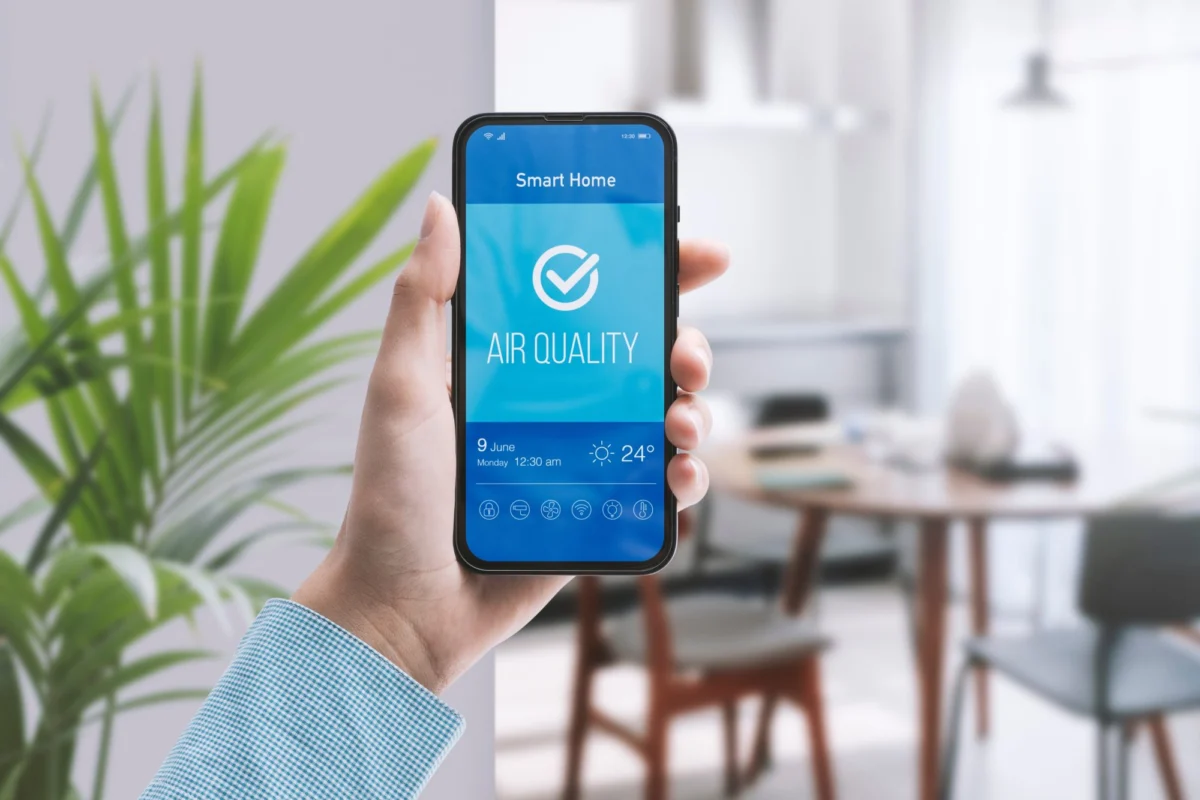
Furthermore, the rise of "smart home" technology has introduced a new era of IAQ management. Modern monitors, such as the Airthings Wave Mini, allow homeowners to track levels of radon, VOCs, and humidity in real-time via smartphone apps. This data-driven approach enables residents to identify specific triggers—such as a spike in particulates during cooking—and take immediate corrective action.
As the scientific community continues to uncover the links between the indoor environment and chronic disease, the demand for better building standards and more effective purification technology is expected to grow. Organizations like ASHRAE (the American Society of Heating, Refrigerating and Air-Conditioning Engineers) are continually updating ventilation standards to reflect new findings on pollutant behavior. For the modern homeowner, the path to a healthier life clearly begins with a deeper understanding of the invisible atmosphere within their own four walls. Through a combination of source control, advanced filtration, and vigilant monitoring, the risks posed by these five major pollutants can be significantly mitigated, ensuring that the sanctuary of the home remains a place of genuine health and safety.