admin
As the reliability of the United States electrical grid faces increasing scrutiny from both policymakers and the public, a new category of consumer electronics has emerged to address a specific, high-stakes vulnerability: the kitchen refrigerator. Recent data from the U.S. Census Bureau indicates that one in four American households experiences a power outage annually, with 70 percent of those incidents lasting six hours or more. These statistics represent more than a mere inconvenience; they signal a significant economic risk. According to guidelines from the U.S. Food and Drug Administration (FDA), perishable food becomes unsafe to consume after just four hours without power, creating a narrow window for homeowners to protect their investments in groceries and essential medications.
In response to this growing instability, the residential power sector—once dominated by loud, gasoline-dependent portable generators—has undergone a rapid technological evolution. The year 2026 has marked the "hard launch" of specialized fridge backups, a niche but rapidly expanding segment of the energy storage market. Led by industry stalwarts Bluetti, Jackery, and BioLite, these devices are designed to provide a "set-and-forget" safety net specifically for the most critical appliance in the home.
The Evolution of Residential Energy Resilience
The journey toward specialized fridge backups is rooted in the limitations of previous technologies. Traditionally, homeowners seeking backup power had three primary options: permanent standby generators, portable gas-powered generators, or general-purpose portable power stations.
Standby generators, while effective, require professional installation, a dedicated fuel source like natural gas or liquid propane, and a significant capital investment often exceeding $10,000. Portable gas generators offer a more affordable entry point but are restricted to outdoor use due to carbon monoxide risks, requiring users to be physically present to run heavy-duty extension cords during a storm. Portable power stations solved the indoor safety issue but were often bulky, aesthetically intrusive, and not optimized for the specific "always-on" requirements of a refrigerator.
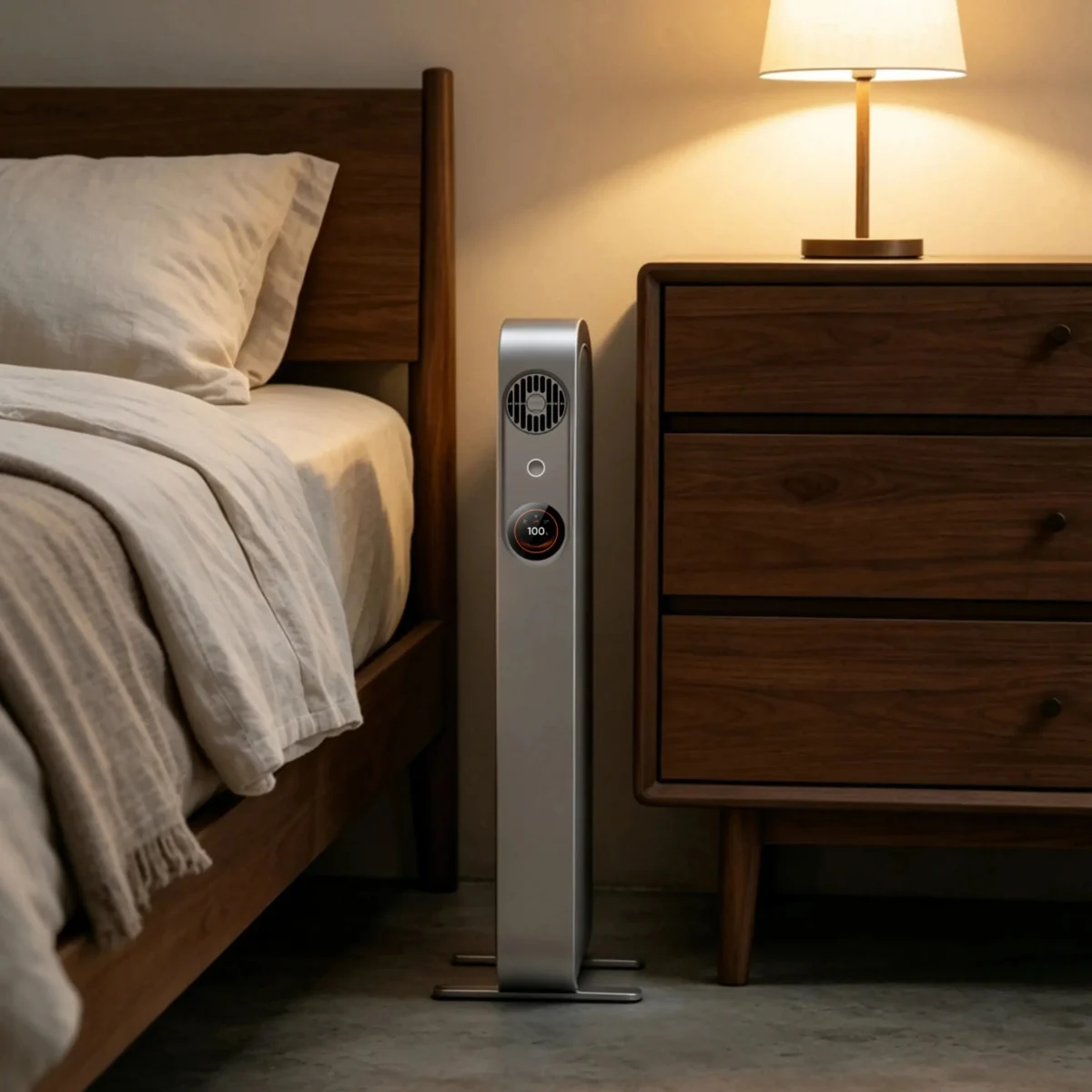
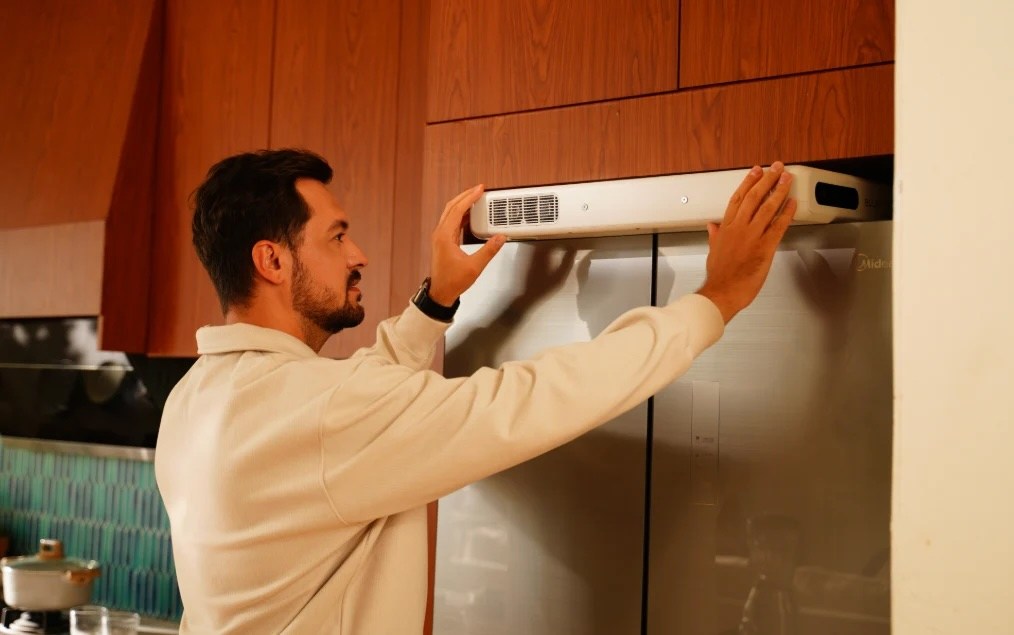
The current generation of fridge backups represents a convergence of these technologies. These units are characterized by a slim "behind-the-fridge" form factor, Uninterruptible Power Supply (UPS) functionality, and high-capacity lithium iron phosphate (LiFePO4) batteries. Unlike general power stations, these units are designed to stay plugged into the wall and the appliance simultaneously, allowing for an instantaneous transfer of power the millisecond a grid failure is detected.
Market Momentum and Consumer Adoption
The commercial success of these specialized units suggests a significant shift in consumer priorities. In early 2026, Bluetti’s FridgePower Kickstarter campaign reached 145 percent of its funding goal within 45 days. Simultaneously, Jackery’s FridgeGuard, which debuted as a Costco exclusive, saw such high demand that the retailer expanded distribution after reports of customers purchasing multiple units for different areas of their homes.
Erica Rosen, Vice President of Marketing for BioLite and Goal Zero, noted that the consumer "got it" immediately. "The kitchen application was so intuitive that most user questions revolved around additional applications, such as powering sump pumps or medical devices like CPAP machines," Rosen stated. This trend reflects a broader move toward localized, decentralized energy storage where consumers prioritize "islanded" protection for specific needs rather than attempting to power an entire residence.
A Technical Comparison of Industry Leaders
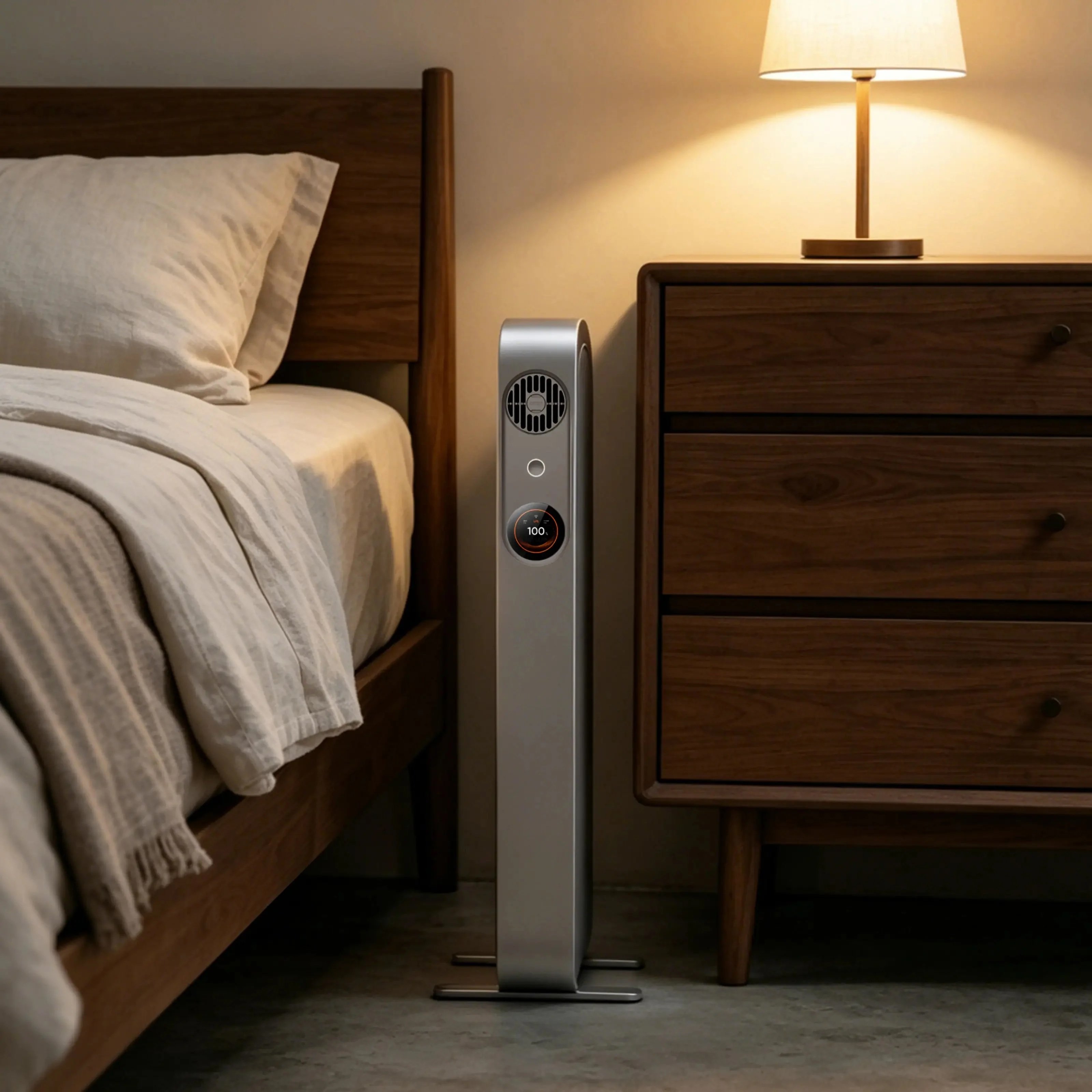
As the market matures, three models have emerged as the benchmarks for this new category: the Bluetti FridgePower, the Jackery FridgeGuard, and the BioLite Backup Core. Each offers a distinct approach to the problem of food security.
Bluetti FridgePower: The Value and Capacity Leader
Bluetti has positioned its FridgePower unit as the high-capacity option for households with significant storage needs. With a base capacity of 2.016 kWh, it offers nearly double the storage of its closest competitors. Technical specifications indicate it can power a standard modern refrigerator for 21 to 48 hours on a single charge. Its scalability is a primary selling point; the system can be expanded to 8.064 kWh using additional battery packs, providing up to four days of autonomy. Despite its 43.4-pound weight, its slim 3.07-inch thickness allows it to be wall-mounted or tucked behind cabinetry.
Jackery FridgeGuard: Specialized Protection
The Jackery FridgeGuard is marketed as the most specialized and user-friendly unit. At 23 pounds, it is the lightest and slimmest of the three, designed for easy one-person installation. A unique technical feature of the FridgeGuard is its "Delayed Start" function. Beau Tyrrel, Product Manager at Jackery, explains that this feature protects the refrigerator’s compressor. By providing a short pause before restarting the motor after a flicker in power, the device avoids the strain caused by high refrigerant pressure, potentially extending the lifespan of the appliance it protects.
BioLite Backup Core: The Expandable Ecosystem
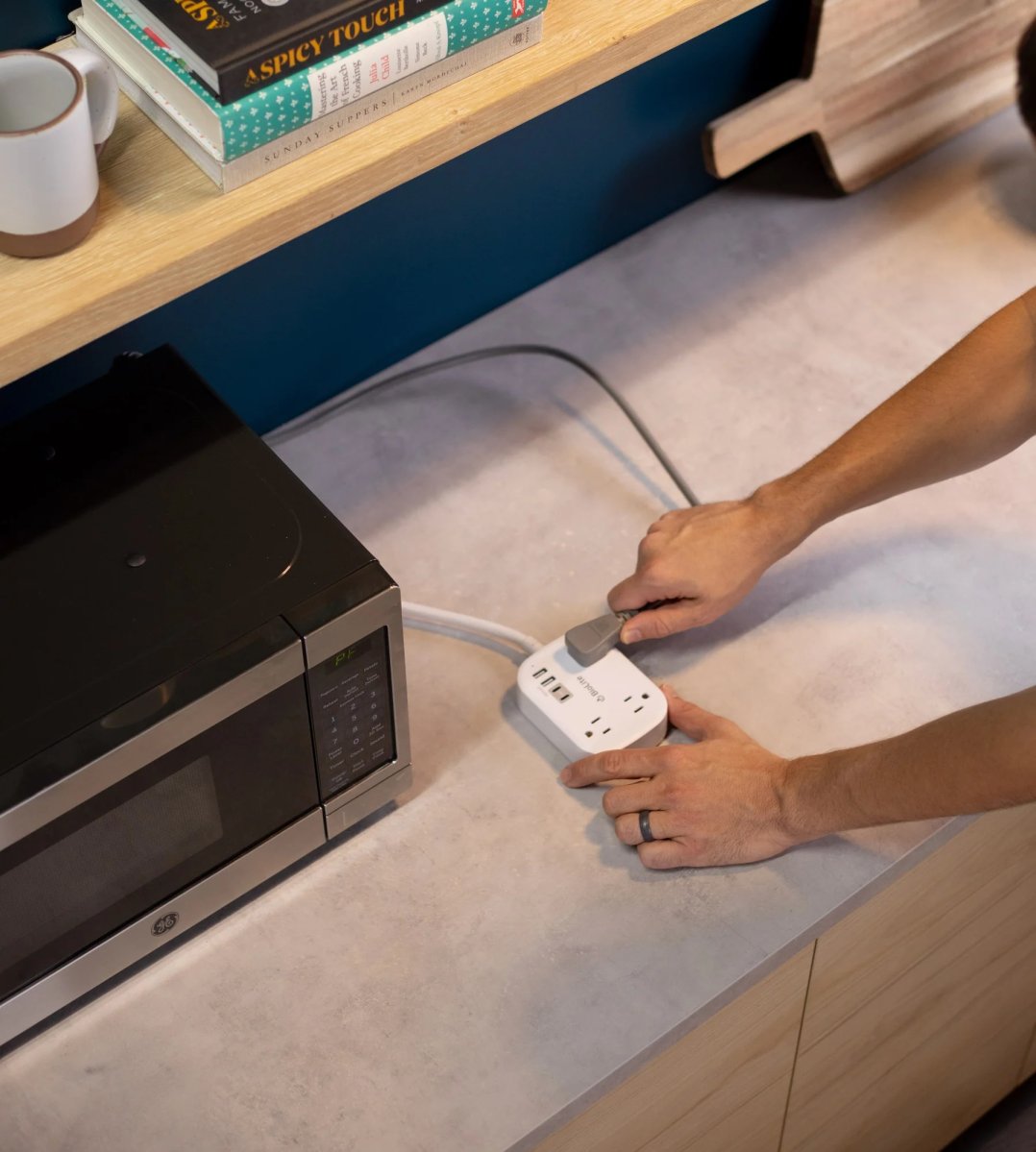
BioLite’s Backup Core is the most premium offering, with a retail price of approximately $1,999. It distinguishes itself through its "PowerHub" design, which includes a dedicated power strip for multiple kitchen appliances. The Backup Core is also the most expandable system in the category, capable of chaining up to six "Extend" units for a total capacity of 10.5 kWh. This modularity allows the device to transition from a simple fridge backup to a localized home battery system capable of supporting small apartments through extended outages.
The Economic Case for Localized Backup
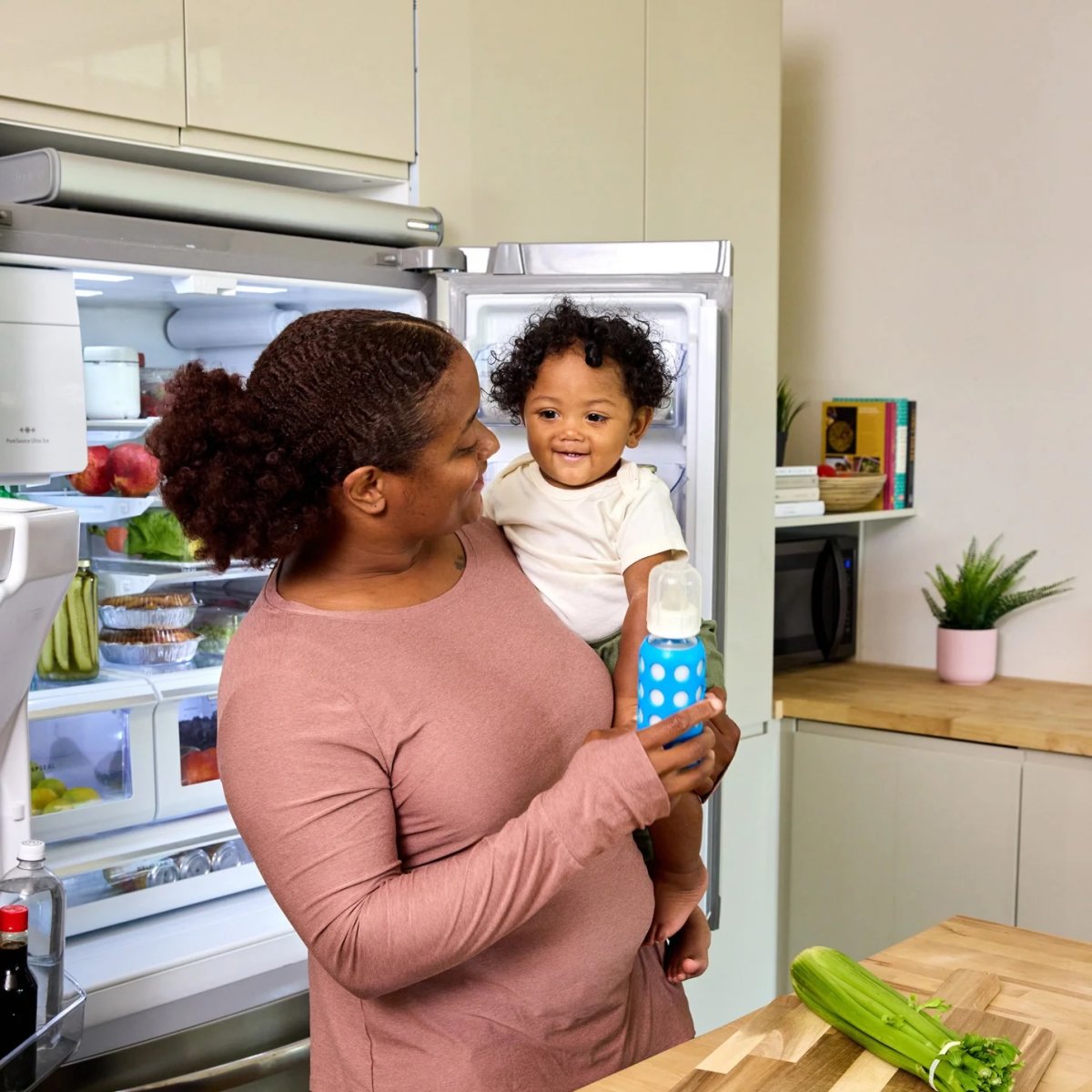
Beyond the peace of mind provided by energy security, there is a quantifiable economic argument for the adoption of fridge backups. A survey conducted by Texas-based electric provider Payless Power found that the average American household loses approximately $117 in spoiled groceries during a single blackout. For larger families or those storing specialty items and medications, this figure can easily exceed $200.
Given these figures, a fridge backup priced at $1,000 effectively pays for itself after approximately 10 significant outages. In regions prone to seasonal storms or grid instability, where one to two outages per year are common, the investment reaches a break-even point well within the 10-to-16-year lifespan of the LiFePO4 batteries used in these devices.
Furthermore, these devices offer secondary savings through Time-of-Use (TOU) optimization. Many utility companies now offer variable pricing, charging higher rates during "peak" hours of high demand. Through integrated mobile applications, users can program their fridge backups to charge during "off-peak" hours (usually overnight) and discharge to power the refrigerator during "peak" hours. This practice, known as "peak shaving," reduces the household’s reliance on expensive grid power and contributes to overall grid stability by lowering demand during critical periods.
Broader Implications for Grid Stability and Urban Living
The rise of fridge backups also addresses a gap in the "resiliency conversation" for renters and urban dwellers. Residents of high-rise apartments or managed properties are typically prohibited from installing standby generators or solar arrays. The compact, plug-and-play nature of these batteries provides this demographic with a level of autonomy previously reserved for homeowners.
From a macro perspective, the proliferation of thousands of small-scale battery units across the residential sector could eventually serve as a form of distributed energy resource (DER). While currently used for individual protection, future iterations of this technology could potentially be aggregated into "virtual power plants," where utilities pay homeowners to briefly switch their appliances to battery power during grid emergencies to prevent rolling blackouts.
Chronology of a Growing Trend
The timeline of this market segment illustrates the speed of innovation in the sector:
- 2024: BioLite debuts the Backup concept on crowdfunding platforms, identifying the "form factor gap" between power stations and whole-home batteries.
- Early 2026: Major brands move from prototypes to mass-market retail. Jackery enters a partnership with Costco, while Bluetti launches the FridgePower with advanced UPS modes.
- Mid-2026: Supply chain reports indicate multiple "sell-out" events across the category, as homeowners in hurricane-prone and wildfire-prone regions prioritize food security ahead of storm seasons.
- Late 2026: The introduction of "smart" features, including AI-driven weather alerts that trigger fast-charging modes when a storm is detected within a specific radius of the user’s zip code.
Conclusion
The emergence of the fridge backup is a pragmatic response to the intersection of aging infrastructure and the increasing frequency of extreme weather events. By focusing on the "intuitive problem" of food spoilage, manufacturers have created a bridge between portable gadgets and permanent home infrastructure. As battery costs continue to decline and energy density improves, these slim, unobtrusive units are likely to become a standard fixture in the modern kitchen, serving as a silent sentinel against the increasing volatility of the modern power grid. For the consumer, the value proposition is clear: the cost of a backup battery is a one-time expense, whereas the cost of a failed grid is a recurring liability.