admin
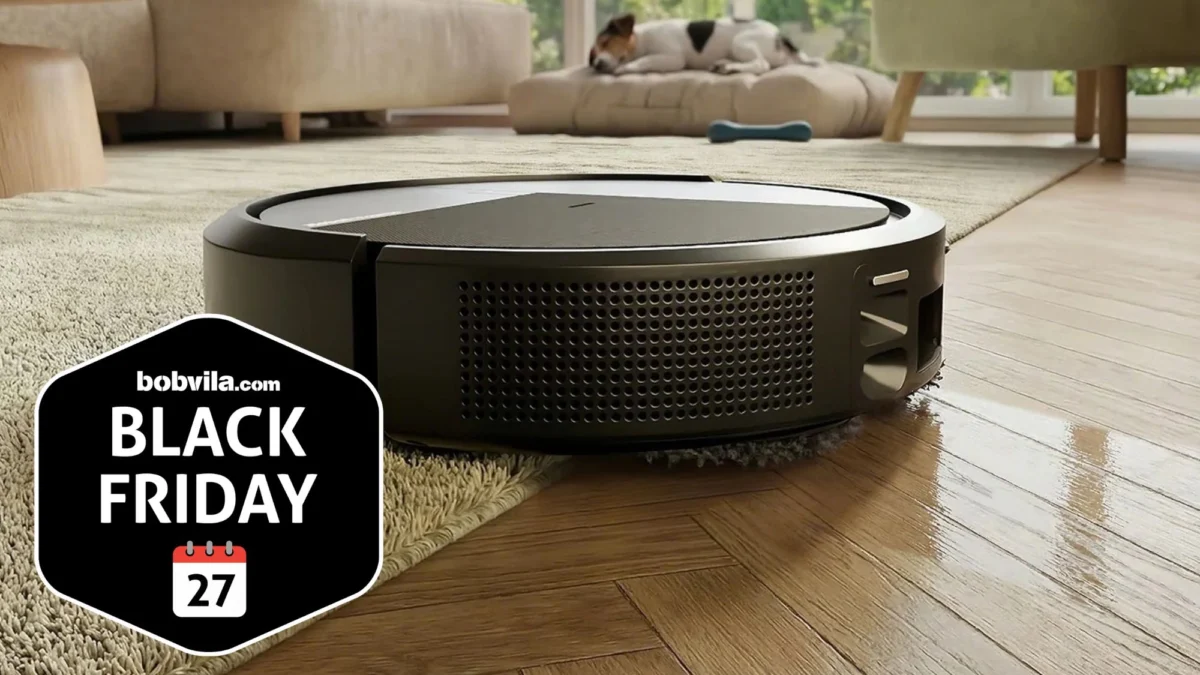
The annual Black Friday shopping event has officially triggered a significant shift in the smart home appliance market, as Amazon initiates aggressive price reductions across its entire inventory of autonomous floor care solutions. This year’s discounts, which reach as high as 53 percent, signal a competitive peak for industry leaders including Ecovacs, Roborock, Shark, and iRobot. As consumers increasingly prioritize home automation to mitigate the time-intensive nature of domestic chores, the current pricing landscape offers a rare entry point for high-end "all-in-one" systems that previously commanded four-figure premiums.
The Shift Toward Fully Autonomous Floor Care
The highlight of the current promotion is the Ecovacs Deebot X12S OmniCyclone Robot Vacuum and Mop, which has been reduced to $899 from its original MSRP of $1,299.99. This flagship model represents the latest iteration of robotic cleaning technology, characterized by its "set-and-forget" design philosophy. The X12S features a notable 27,000 Pa of suction power—a metric that significantly exceeds the industry average of 5,000 to 8,000 Pa found in mid-range models.
Beyond raw suction, the device utilizes the OZMO Roller 3.0 system, a self-washing roller mop that maintains cleanliness during the cleaning cycle rather than merely dragging a soiled cloth across the floor. The accompanying OmniCyclone dock serves as a comprehensive maintenance hub, employing hot water to sanitize mop pads and a bagless dustbin system that eliminates the recurring cost of replacement vacuum bags. This move toward bagless docking stations is a direct response to consumer feedback regarding the long-term "hidden costs" of robot vacuum ownership.
Competitive Response: The Premium Market Battle
The competition in the premium tier is intensified by the Roborock Qrevo Edge 3 Pro, currently priced at $899.99, marking a $600 reduction from its $1,499.99 list price. Roborock has positioned the Qrevo Edge 3 Pro as a direct rival to the Ecovacs flagship, focusing on thermal maintenance. The device’s multifunctional dock not only empties the internal dustbin but also washes the mop with hot water and utilizes warm air for the drying process. This thermal drying feature is critical for preventing the growth of mold and odors within the mop fibers, a common technical failure in earlier robotic mop iterations.
Market analysts suggest that the parity in pricing between Roborock and Ecovacs during this Black Friday window reflects a strategic attempt to capture the "prosumer" segment—users who are willing to invest nearly $1,000 for a device that requires minimal human intervention for up to 60 days.
Democratizing Technology: The Under-$500 Segment
While flagship models garner headlines for their technical specifications, the most significant volume of sales is expected in the mid-range and budget categories. The Shark AI Ultra Robot Vacuum with Self-Empty Base has seen a 53 percent price cut, bringing its cost down to $259.99. Shark’s strategy focuses on reliability and "Matrix Clean" technology, which utilizes a grid-based cleaning pattern to ensure no spots are missed. By utilizing a bagless base, Shark targets the value-conscious consumer who seeks the convenience of a self-emptying dock without the premium price tag of AI-driven mopping systems.
Similarly, the Eufy C28 Robot Vacuum and Mop is currently available for $379.99, down from $799.99. Eufy, a brand under the Anker Innovations umbrella, has built a reputation for offering high-performance sensors and app stability at lower price points. The C28’s 53 percent discount makes it one of the most accessible hybrid (vacuum and mop) units on the market that still offers advanced navigation features.
Technical Evolution: From Bump-and-Go to AI Mapping
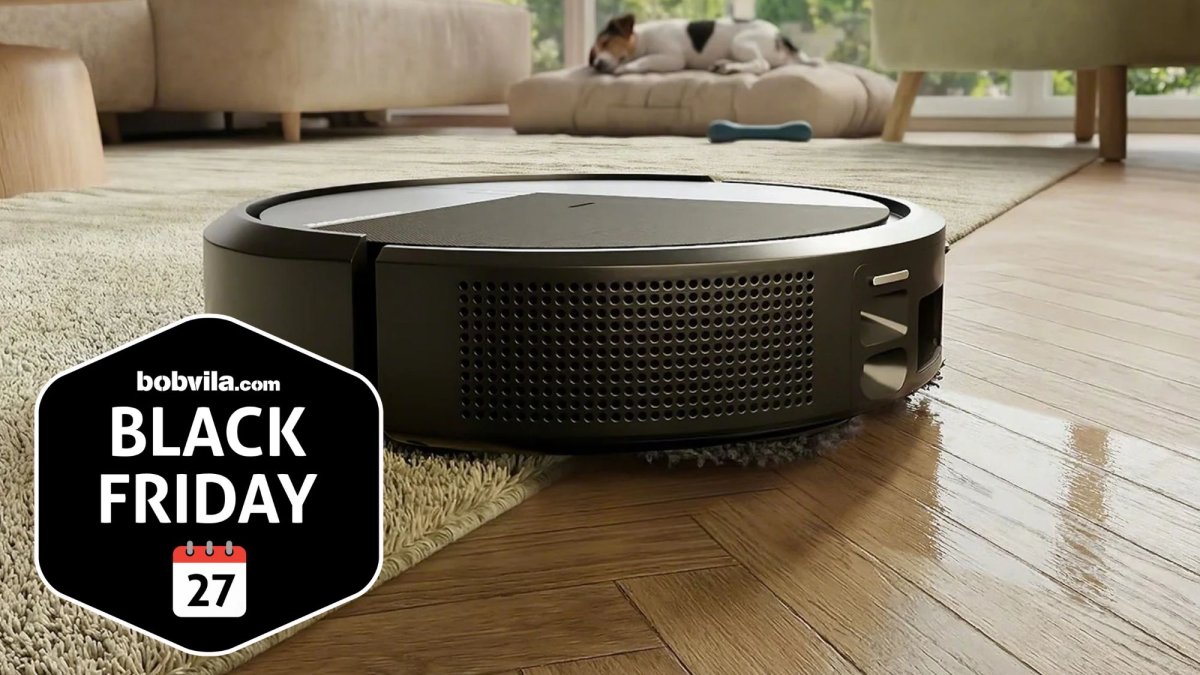
To understand the significance of these deals, one must look at the rapid technological trajectory of the industry. Five years ago, robot vacuums primarily relied on "bump-and-go" infrared sensors, resulting in inefficient cleaning paths and frequent collisions with furniture. Today, the models on sale at Amazon utilize a combination of LiDAR (Light Detection and Ranging), 3D structured light, and AI-driven camera systems.
- LiDAR Navigation: Most models in the $400+ range now use spinning lasers to map a home’s floor plan with millimeter precision. This allows for "no-go zones" and targeted room cleaning via smartphone apps.
- Obstacle Avoidance: Premium units like the Ecovacs X12S and Roborock Qrevo Edge 3 Pro employ neural networks to identify and avoid common household obstacles such as power cords, pet waste, and shoes, significantly reducing the likelihood of the robot becoming stranded.
- Mopping Advancements: The shift from passive mopping (dragging a wet cloth) to active mopping (spinning or vibrating pads with downward pressure) has transformed these devices from simple dusters to genuine floor scrubbers.
Market Context and Consumer Spending Trends
The aggressive discounting observed this Black Friday is occurring against a backdrop of fluctuating consumer electronics demand. According to retail data, the smart home market saw a surge during 2020-2022, followed by a period of cooling as consumers faced inflationary pressures. Consequently, manufacturers have entered the 2024 holiday season with a mandate to clear inventory and establish brand loyalty before the next generation of hardware is unveiled at the Consumer Electronics Show (CES) in January.
Industry experts note that the inclusion of "self-cleaning" docks is the primary driver for current upgrades. A survey of smart home users indicates that the "maintenance of the maintenance tool"—the act of cleaning the robot itself—was the number one deterrent for potential buyers. By automating the cleaning of the mop and the emptying of the bin, brands have removed the final barrier to mass-market adoption.
Key Considerations for Potential Buyers
For consumers navigating these deals, technical specifications should be weighed against home environment needs.
- Flooring Types: Homes with high-pile carpets require the high Pa (suction) ratings found in the Ecovacs and Roborock models. Conversely, homes primarily consisting of hardwood or tile may find better value in the Shark or Eufy models where mopping efficiency or price-to-performance ratios are more favorable.
- Threshold Height: A frequently overlooked specification is the robot’s ability to climb. Most modern units can clear a 20mm threshold, but older homes with high transitions between rooms may require models specifically designed with "boost" or "climb" modes.
- Docking Requirements: Premium docks require significant physical space and proximity to electrical outlets. Some high-end models now offer "auto-fill and auto-drain" kits that hook directly into a home’s plumbing, though most on sale this Black Friday utilize large, refillable water tanks.
Impact on the Traditional Vacuum Industry
The rise of autonomous cleaning is having a measurable impact on the sales of traditional upright and canister vacuums. Market research suggests that for every 10% drop in robot vacuum pricing, there is a corresponding 3-5% decline in mid-range manual vacuum sales. As robot vacuums become more capable of "deep cleaning" carpets—a task previously reserved for corded machines—the necessity of owning a traditional vacuum is diminishing for many urban and suburban households.
Looking Ahead: The Future of the Category
As the Black Friday sales conclude, the industry is expected to pivot toward even greater integration with the "Matter" smart home standard, ensuring that these vacuums can communicate seamlessly with other devices like smart locks and security systems (e.g., the vacuum starts cleaning as soon as the smart lock detects the residents have left).
For now, the Amazon Black Friday event represents a significant moment in the commoditization of high-end robotics. With entry-level robot vacuums starting as low as $199.99 and flagship "all-in-one" systems seeing $600 discounts, the barrier to a fully automated home cleaning routine has never been lower. As inventory moves quickly, the duration of these 53 percent discounts remains uncertain, marking this as a critical window for consumers looking to invest in long-term household automation.