admin
As the fourth quarter begins, homeowners across the country pivot from outdoor landscaping to interior preparation in anticipation of the holiday hosting season. Statistical data from the travel and hospitality sectors indicate that nearly 50 percent of American adults plan to host friends or family during the months of November and December. This surge in residential activity places a unique strain on domestic infrastructure, making pre-holiday maintenance not merely an aesthetic choice but a functional necessity. Industry experts suggest that a proactive approach to home repairs can reduce the stress of hosting by up to 40 percent, ensuring that the dwelling remains a comfortable and safe environment for both residents and visitors.
The Seasonal Surge in Home Improvement
The period between late October and mid-December represents a peak season for the home improvement industry. According to the Joint Center for Housing Studies of Harvard University, residential remodeling and maintenance spending often see a significant uptick during this window as homeowners seek to rectify neglected issues before the arrival of guests. The following analysis outlines twelve critical DIY tasks that address safety, aesthetics, and functionality, providing a comprehensive roadmap for the modern host.
1. Enhancing Indoor Air Quality Through HVAC Maintenance
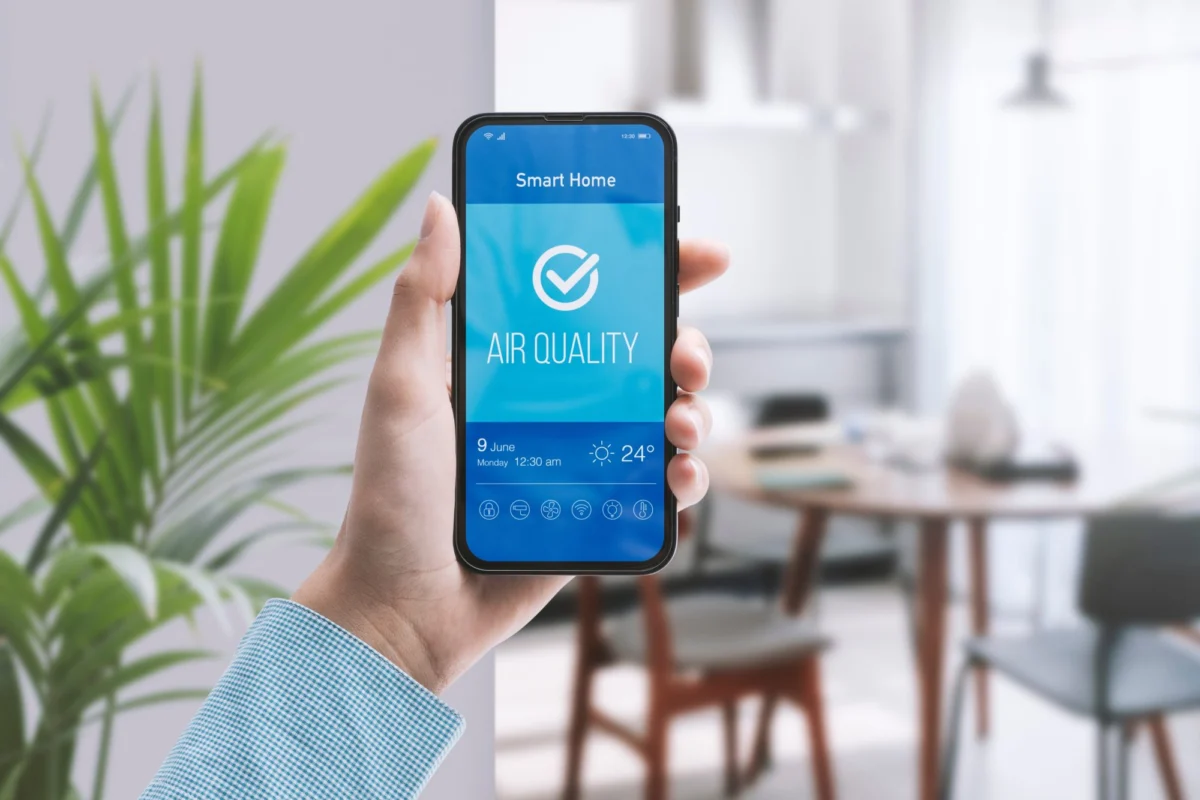
With the arrival of colder temperatures, residential heating systems operate at their highest capacity. Before a house fills with guests, it is imperative to replace HVAC filters. A clean filter, such as a high-efficiency particulate air (HEPA) or a top-tier MERV-rated model, ensures that dust, allergens, and airborne pathogens are effectively captured. This is particularly vital when hosting individuals with respiratory sensitivities. Furthermore, the Department of Energy notes that replacing a dirty, clogged filter with a clean one can lower a furnace’s energy consumption by 5 to 15 percent, providing an economic benefit alongside improved air quality.
2. Rigorous Testing of Safety Detection Systems
Safety remains the paramount concern during the holiday season, a period that historically sees an increase in residential fires and carbon monoxide incidents due to increased use of fireplaces, candles, and cooking appliances. The National Fire Protection Association (NFPA) reports that US fire departments respond to an average of 160 home fires per year that begin with Christmas trees. Consequently, testing smoke and carbon monoxide detectors is a non-negotiable task. Homeowners should verify that all units are within their ten-year lifespan and replace batteries in any device not hardwired to the home’s electrical system. Modern dual-sensor alarms provide the most comprehensive protection by detecting both smoldering fires and rapid-flame scenarios.
3. Precision Paint Touch-Ups and Aesthetic Refinement
High-traffic areas such as entryways, hallways, and baseboards are prone to scuffs and chips that can make a well-maintained home appear neglected. A journalistic analysis of interior design trends suggests that "visual clutter" and surface damage can subconsciously affect a guest’s perception of cleanliness. Utilizing leftover matching paint and a precision brush to address these blemishes is a low-cost, high-impact project. This task is best performed during daylight hours when imperfections are most visible. By focusing on door frames and the areas around light switches, homeowners can achieve a refreshed look without the expense of a full room repaint.
4. Exterior Sanitation and Pressure Washing
The approach to the home sets the tone for the entire visit. Over the course of the year, sidewalks and entryways can accumulate dirt, mildew, and organic debris. Utilizing a pressure washer with a biodegradable, hydrogen-peroxide-based cleaner can restore the appearance of concrete, brick, and siding. This task serves a dual purpose: it enhances curb appeal and improves safety by removing slippery algae or moss from walking surfaces. For homeowners in colder climates, this task should be completed before the first hard freeze to prevent ice formation in newly cleaned crevices.
5. Implementing Navigational Lighting for Safety
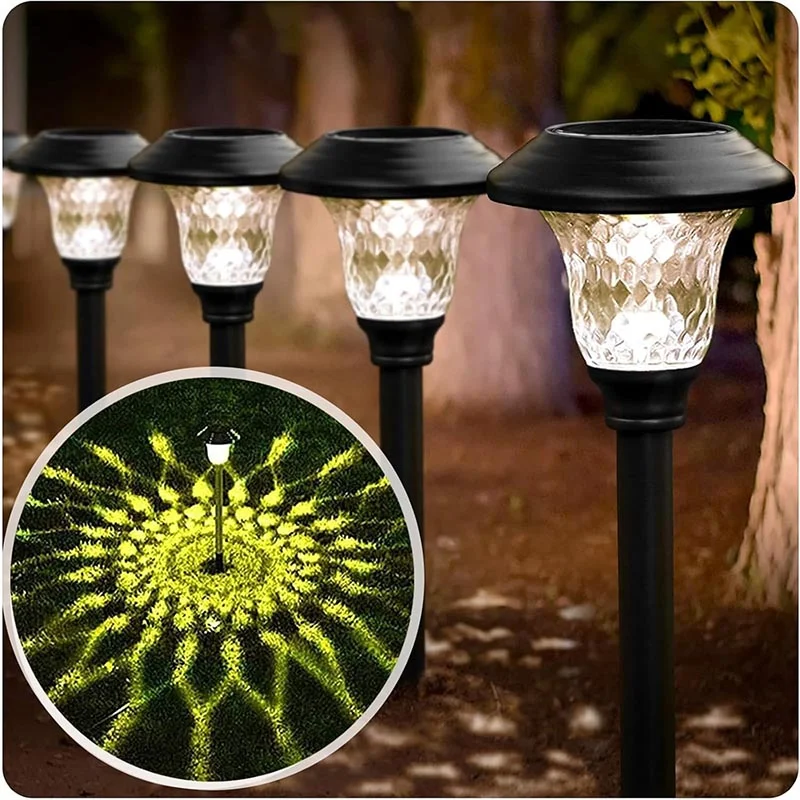
As the winter solstice approaches, daylight hours diminish, often leaving guests to arrive or depart in darkness. Installing solar-powered path lights or motion-sensing step lights is a critical safety upgrade. These devices require no complex wiring and utilize renewable energy to illuminate potential trip hazards. Beyond safety, strategically placed lighting highlights the home’s architectural features and creates a welcoming ambiance. Market trends show a significant shift toward LED technology in these fixtures, offering longer lifespans and brighter output compared to older incandescent models.
6. Optimizing Residential Identification
The logistical challenge of hosting begins with the guest’s ability to locate the property. In a newsroom-style survey of delivery drivers and emergency responders, poorly marked house numbers were cited as a leading cause of delays. Installing a solar-powered or backlit house number ensures visibility from the street regardless of the hour. This is a vital consideration not only for arriving guests but also for the increased volume of package deliveries and potential emergency services during the holiday peak.

7. Resolving Mechanical Friction in Door Hardware
The repetitive sound of a squeaky hinge can be a persistent annoyance in a crowded house. While traditional spray lubricants are effective, they often result in messy runoff on doors and flooring. The emergence of precision-application tools, such as lubricant pens, allows homeowners to apply oil directly to the hinge pin without collateral damage. This minor adjustment ensures that guest transitions between rooms—particularly during the night—remain quiet and unobtrusive.
8. Strategic Deployment of Non-Destructive Hardware
Holiday decorating often involves hanging garlands, stockings, and lights, which can lead to permanent damage if traditional nails or screws are used. The rise of adhesive-based utility hooks has revolutionized this process. These tools allow for the temporary installation of heavy decor, such as stockings filled with gifts, without marring fireplace mantels or banisters. Professional organizers recommend planning the placement of these hooks a week before decorating begins to ensure the adhesive bonds correctly to the surface.
9. Integrating Motion-Sensing Task Lighting
Guest rooms and hallways often present unfamiliar terrain for visitors. The installation of rechargeable, motion-sensing LED lights provides a sophisticated solution for nighttime navigation. When placed under kitchen cabinets or along baseboards, these lights activate only when movement is detected, preventing the need for guests to fumble for unfamiliar light switches. This technology has become increasingly accessible, with USB-C rechargeable models eliminating the need for frequent battery replacements.
10. Expanding Dining Capacity with Modular Furniture
The "hosting crunch" is often most felt in the dining area. For homeowners in smaller residences, the acquisition of a folding or drop-leaf dining table provides a scalable solution. Modern designs allow these pieces to function as slim console tables during the rest of the year, expanding only when the guest count requires it. When assembling such furniture, utilizing a cordless power drill rather than manual tools can reduce assembly time by 70 percent, allowing the homeowner to focus on other preparations.
11. Upgrading Guest Bathroom Functionality
The guest bathroom is one of the most scrutinized areas of the home. Upgrading fixtures to include double towel racks or over-the-door storage hooks provides guests with the necessary space for their personal items. A "hotel-style" towel shelf allows for the display of clean linens, signaling to guests that their needs have been anticipated. These upgrades are relatively simple to install and provide a permanent improvement to the home’s utility.
12. Streamlined Exterior Lighting Solutions
Exterior holiday lighting is a tradition that many homeowners find daunting due to the risks associated with ladders and complex wiring. The industry has responded with "net lights" and low-voltage LED strings that can be draped over shrubbery or fences with minimal effort. These waterproof solutions provide a festive atmosphere while consuming a fraction of the electricity required by older C7 or C9 incandescent bulbs.
Chronology of Preparation: A Four-Week Timeline
To manage these tasks effectively, a structured timeline is recommended by residential project managers:
- Four Weeks Out: Conduct a full home walkthrough. Identify paint chips, squeaky hinges, and bathroom fixture needs. Order any necessary furniture or hardware.
- Three Weeks Out: Perform exterior tasks, including pressure washing and the installation of path lights and house numbers.
- Two Weeks Out: Focus on safety and mechanicals. Replace HVAC filters, test smoke detectors, and lubricate hinges.
- One Week Out: Complete interior aesthetic touch-ups and install guest-centric items like motion lights and extra towel racks.
- Three Days Out: Decorate using non-destructive hooks and deploy exterior net lighting.
Broader Implications for Home Value and Sustainability
While these tasks are framed within the context of holiday hosting, their implications extend further. Regular maintenance, such as filter replacement and pressure washing, protects the long-term integrity of the home’s building envelope and mechanical systems. Furthermore, the transition to LED lighting and smart sensors reflects a broader societal shift toward energy efficiency.
From a real estate perspective, a home that is "host-ready" is often "market-ready." Small repairs and aesthetic updates contribute to a property’s cumulative maintenance record, which can influence appraisal values and buyer interest in the future. By treating holiday preparation as a targeted maintenance window, homeowners ensure that their most significant asset remains functional, safe, and welcoming for years to come.