admin
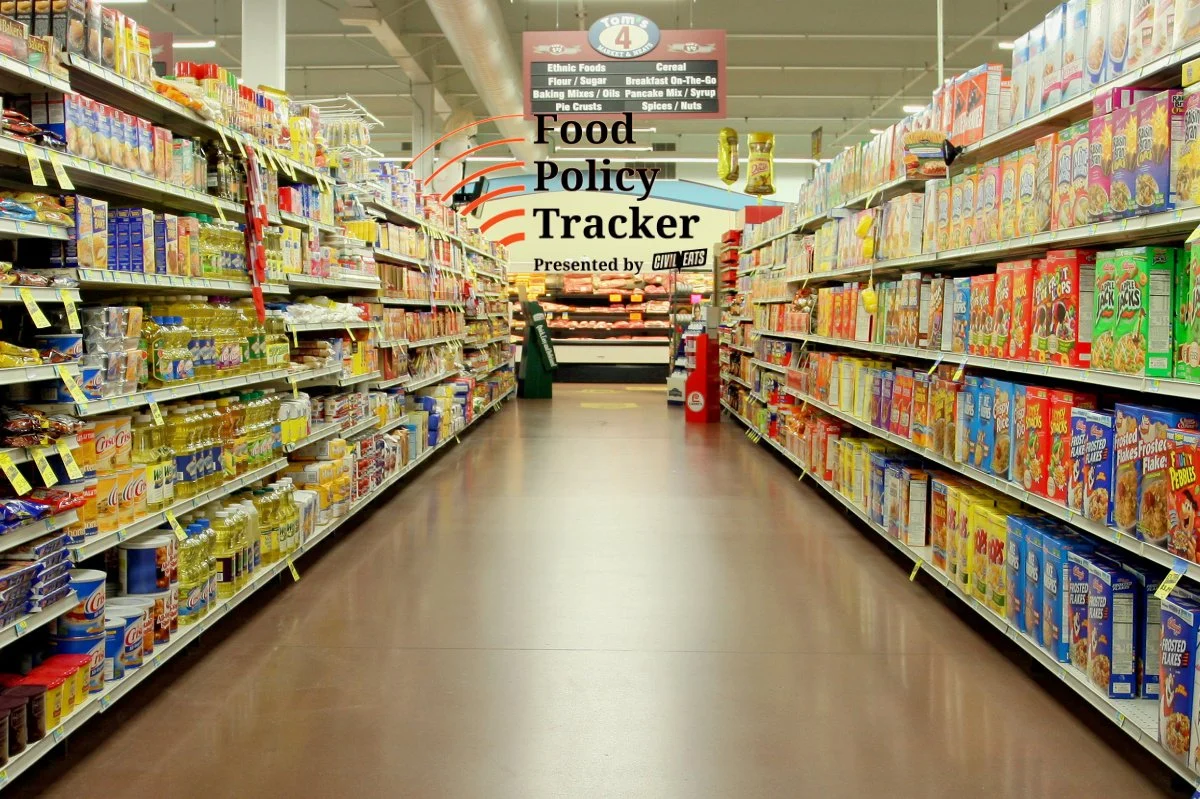
Small grocery-store owners across the nation, including the vital corner stores, bodegas, and even farmers’ markets, have been granted a critical 90-day extension to comply with a new federal rule updating Supplemental Nutrition Assistance Program (SNAP) stocking standards. This eleventh-hour reprieve, announced on November 13, 2026, follows a direct intervention by New York City Mayor Zohran Mamdani with President Donald Trump, averting a potential crisis that threatened the SNAP authorization of thousands of small businesses and the food access for millions of low-income Americans.
The Genesis of the Rule: A Push for Healthier Food Access
The U.S. Department of Agriculture (USDA) rule, which officially went into effect on November 4, 2026, represents a significant overhaul of the criteria for retailers accepting SNAP benefits. Its primary objective, as articulated by the USDA, was to enhance access to nutritious foods for SNAP participants, particularly in underserved communities often characterized as "food deserts." The rule doubles the number of required staple food items retailers must stock and introduces more stringent definitions for what qualifies as a "staple food." Specifically, it mandates an expanded variety of fresh produce, whole grains, lean proteins, and dairy products, while aiming to reduce the prevalence of ultra-processed foods in the SNAP-eligible inventory.
For years, policymakers and public health advocates have raised concerns about the nutritional quality of food available through SNAP. Studies, including a hypothetical 2024 USDA report on SNAP purchasing patterns, indicated that a significant portion of SNAP benefits were spent on items high in sugar, unhealthy fats, and sodium. The new rule was envisioned as a proactive step to steer beneficiaries toward healthier choices, aligning SNAP with broader national health initiatives.

A Looming Crisis for Small Businesses
While the rule’s intentions were lauded by many public health organizations, its practical implementation posed an immediate and formidable challenge for small-scale retailers. Unlike large supermarket chains with extensive supply networks, ample storage, and robust inventory management systems, independent grocers, corner stores, and bodegas operate on tighter margins and often have limited physical space and refrigeration capabilities.
The requirement to double the number of staple items, from a previous minimum of three varieties in each of four staple food categories (fruits/vegetables, dairy, meat/poultry/fish, and bread/cereals) to six varieties, alongside new definitions, meant a substantial logistical and financial burden. For many small businesses, it implied:
- Increased Inventory Costs: Purchasing a wider array and larger quantities of perishable goods.
- Storage and Refrigeration Upgrades: Many bodegas, for instance, lack the extensive refrigeration units necessary for a greatly expanded fresh produce or dairy selection. Estimates from the National Association of Convenience Stores (NACS) in early 2026 suggested that compliance could cost small retailers anywhere from $5,000 to $50,000 in equipment upgrades and inventory adjustments, a prohibitive sum for many.
- Supply Chain Challenges: Establishing new relationships with distributors for specialized or perishable goods.
- Staff Training: Educating employees on new stocking and inventory management protocols.
- Risk of Spoilage: Higher risk of waste with increased perishable inventory in stores with limited turnover for certain items.
Amr Abozaid, director of small business services at the Yemeni American Merchants Association (YAMA), powerfully articulated these concerns at a press conference on Friday afternoon. "We want to supply healthy food to our customers, and we also want to strive to be in compliance with every rule and regulation," Abozaid stated. "But when the federal government puts a new complex rule and only gives us a few months to comply, they set us up for failure." He highlighted that for many of YAMA’s members, SNAP purchases constitute a critical 15 to 30 percent of their total sales, making the threat of losing SNAP authorization an existential one.
The Urgent Call for a Delay: A Chronology of Advocacy

The path to the 90-day extension was paved by months of escalating warnings and advocacy efforts from a broad coalition of stakeholders.
- Early 2026: As the USDA finalized the rule, anti-hunger groups, small business associations, and rural advocates began voicing concerns. While supporting the goal of healthier food access, they cautioned that the strict implementation timeline and requirements could inadvertently lead to a reduction in SNAP access points, particularly in low-income urban and rural areas.
- May 7, 2026: Civil Eats published an article detailing critics’ warnings that the new SNAP rule would do little to increase healthy options if stores were forced out of the program.
- July 16, 2026: Reports surfaced regarding the broader impact of economic policies on SNAP, underscoring the program’s fragility and the significant role retailers play.
- September 30, 2026: A bipartisan group of senators, recognizing the impending deadline, sent a letter to the USDA urging an extension of the compliance deadline. Their appeal highlighted the disproportionate impact on small, independent retailers and the potential for reduced food access for vulnerable populations.
- October 21-22, 2026: Articles emerged detailing how federal food policies were affecting communities, and how organizers were seeing "empty promises" from authorities, with concerns about stores closing down entirely.
- Late October 2026: Just weeks before the November 4 effective date, New York City Mayor Zohran Mamdani, representing a city with a high concentration of small bodegas and corner stores crucial to neighborhood food access, dispatched a formal letter to the USDA. His letter underscored the cultural and economic importance of these "beating hearts" of neighborhoods, arguing that the rule, while well-intentioned, could cripple these essential establishments.
- November 4, 2026: The rule officially went into effect, creating immediate anxiety among unprepared retailers.
- November 9, 2026: Farmers’ markets, which previously operated under different SNAP guidelines, learned that many of them would also fall under the new, stricter stocking standards. This revelation triggered a fresh wave of pleas to the USDA for additional time, as seasonal and small-scale operations faced unique hurdles in sourcing and storing a wider variety of year-round staples.
- November 13, 2026: Following a direct conversation between Mayor Mamdani and President Trump, the USDA announced the 90-day extension.
The Presidential Intervention and Its Immediate Impact
The decision to grant the extension, attributed directly to the conversation between Mayor Mamdani and President Trump, highlights the significant political and social weight of the issue. Mayor Mamdani, during his Friday press conference, emphasized the bipartisan understanding of the challenges faced by small businesses. "For corporate grocery giants these requirements posed little challenge, but the story was different for our neighborhood corner stores and bodegas," Mamdani stated. He reiterated the critical role these shops play as "crucial access points for SNAP households" and their dependence on SNAP purchases for survival.
The 90-day extension, which pushes the enforcement deadline into mid-February 2027, provides a much-needed window for retailers to adapt. As Mayor Mamdani explained, this period will allow stores to "secure the necessary goods, storage equipment, and more to come into compliance." Furthermore, local agencies are now poised to work closely with the USDA to provide outreach, educational resources, and potentially even financial assistance or guidance on equipment procurement to help store owners navigate the complex changes. This collaborative approach aims to prevent widespread non-compliance and the subsequent loss of SNAP authorization that would disproportionately affect low-income communities.
Broader Implications and the Path Forward

The 90-day extension is more than just a temporary delay; it’s a critical moment for reflection and potentially, refinement of federal food policy.
- Food Access vs. Nutritional Standards: The episode underscores the delicate balance between promoting healthier food options and ensuring broad access to food, particularly for vulnerable populations. While the USDA’s goal of improving nutrition is commendable, the unintended consequence of making it harder for small, local stores to participate in SNAP could lead to the proliferation of "food deserts," where healthy, affordable food options are scarce. According to a 2025 report from the Economic Research Service, approximately 19 million Americans live in low-income areas with limited access to a supermarket, and a significant portion of these rely on smaller retailers for their daily needs.
- Economic Impact on Small Businesses: The financial health of small businesses, especially those in urban centers and rural areas, is intrinsically linked to their ability to serve their communities. Losing SNAP authorization would not only hurt SNAP beneficiaries but could also lead to store closures, job losses, and a further erosion of local economies. The National Grocers Association (NGA) has long advocated for policies that support independent retailers, emphasizing their unique role in community development and food security.
- Federal-Local Collaboration: The successful appeal by Mayor Mamdani to the President highlights the importance of local government advocacy in shaping federal policy. It demonstrates that practical concerns from the ground level can influence high-level decisions, especially when significant social and economic impacts are at stake.
- Future of SNAP Retailer Standards: The 90-day window could also open avenues for further dialogue between the USDA, retailers, and advocacy groups. There is potential for the USDA to clarify certain aspects of the rule, develop more flexible compliance pathways for genuinely small or specialized retailers (like farmers’ markets), or even offer grant programs to assist with necessary infrastructure upgrades. This period could be crucial for developing sustainable solutions that meet both public health goals and operational realities.
The extension serves as a vital pause, preventing immediate disruption to millions of SNAP beneficiaries and thousands of small businesses. The coming months will be crucial in determining whether this reprieve translates into a successful adaptation phase or merely delays an inevitable reckoning for a significant segment of the nation’s food retail landscape. The focus now shifts to how the USDA and local agencies will utilize this time to provide the necessary support and guidance to ensure that both the goals of healthier eating and equitable food access are met.