admin
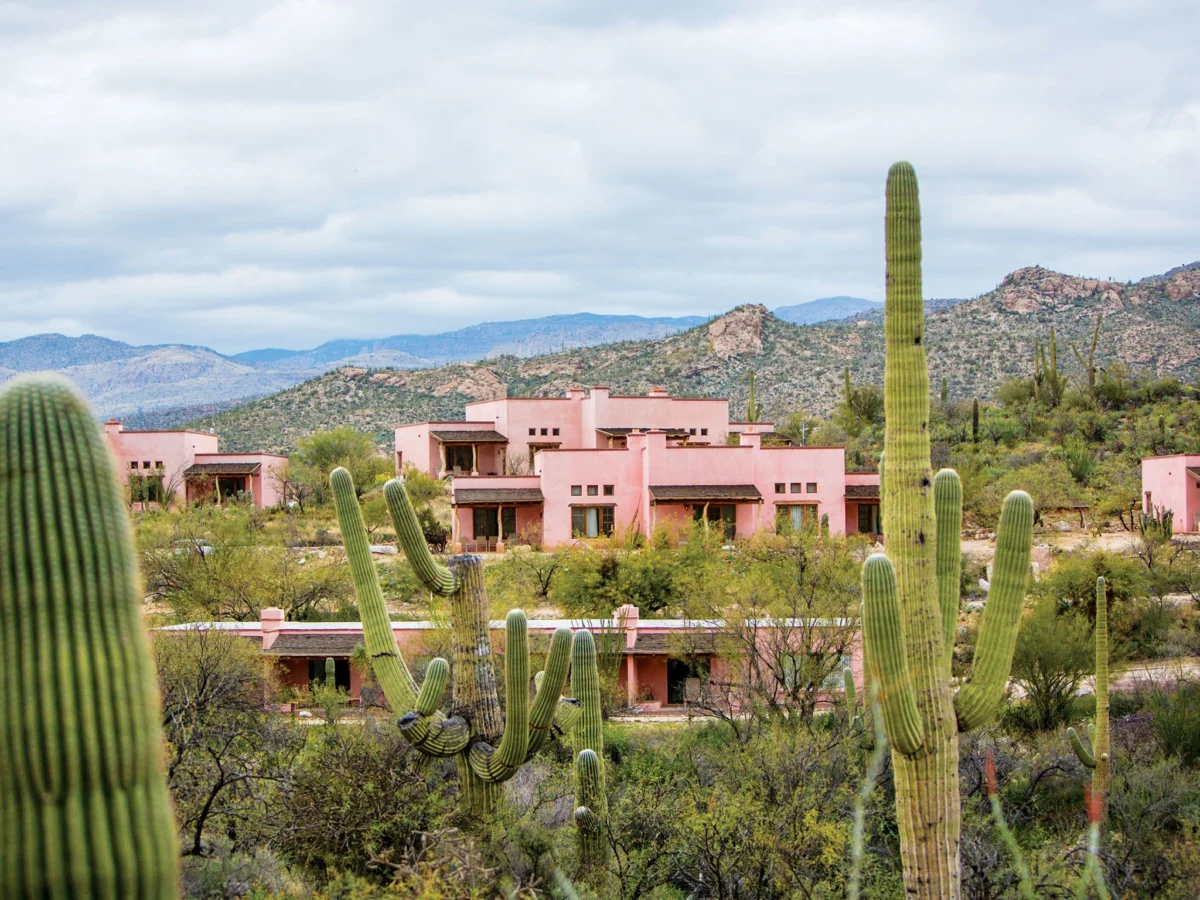
The allure of the desert transcends mere sunshine; it is a profound sanctuary of restoration, a place where the everyday melts away against a backdrop of breathtaking natural grandeur. Driving through vast expanses dotted with sentinel cacti, witnessing the sun paint rust-colored mountains in hues of amber and gold, or waking to an endless, unblemished sky—these are the moments that define the restorative power of this arid landscape. For many, myself included, the American Southwest has become synonymous with unforgettable travel experiences. These often begin with predawn hikes, venturing out before the desert heat intensifies, followed by languid afternoons by a palm-fringed hotel pool. Evenings are best spent on a cool stone terrace, watching the mountains blush pink at dusk, or gazing upwards at a celestial tapestry ablaze with glittering stars, frequently punctuated by the fleeting streak of a shooting star.
The unique accommodations available in the desert are as integral to the experience as the landscape itself. The Southwest, in particular, offers a diverse range of options, from secluded Moroccan-inspired havens shielded by lush garden walls to expansive dude ranches providing casitas with commanding mountain vistas. Destination resorts boast world-class spas and inviting outdoor hot tubs, while others offer the unique charm of beautifully appointed canvas tents perched precariously above dramatic canyons, providing an immersive connection to the wilderness. While much of the nation seeks refuge from winter’s chill in warmer climes, or defaults to the familiar allure of the Caribbean, it is precisely during these cooler months that the desert reveals its most captivating charm, offering a welcoming embrace for those seeking respite and adventure.
Whether the aspiration is to embark on an exhilarating horseback riding excursion through the Sonoran Desert, to hike the iconic red-rock landscapes of Utah, or simply to luxuriate by a stunning pool, the American desert offers a compelling array of resorts that promise both adventure and an abundance of natural beauty. These establishments are meticulously designed to complement their surroundings, providing guests with an unparalleled opportunity to connect with the raw, untamed spirit of the desert.
The Enduring Appeal of Desert Tourism
Desert tourism has seen a significant resurgence in recent years, driven by a growing interest in wellness travel and a desire for authentic, nature-immersive experiences. Data from the U.S. Travel Association indicates a steady increase in domestic travel focused on outdoor recreation and unique lodging, with desert destinations consistently ranking high on travelers’ wish lists. This trend is further bolstered by a growing awareness of the psychological benefits of spending time in nature, often referred to as "nature therapy" or "ecotherapy." Studies published in journals such as Environmental Health Perspectives have documented the positive impact of exposure to natural environments on stress reduction, mood enhancement, and cognitive function. The vast, open spaces and quietude of the desert provide an ideal setting for these restorative benefits to take root.
A Tapestry of Accommodations: Beyond the Conventional
The concept of a "desert resort" has evolved far beyond basic lodging. Today’s offerings cater to a spectrum of preferences, from rustic luxury to avant-garde design.
Moroccan-Inspired Hideaways: These often feature intricate tilework, serene courtyards with trickling fountains, and richly textured textiles, evoking the ambiance of North African desert oases. They provide a sense of exotic escape, often nestled within private walled gardens that offer a tranquil sanctuary from the outside world.
Dude Ranches: For those seeking an active Western experience, dude ranches offer a blend of outdoor adventure and comfortable accommodations. Guests can engage in horseback riding, cattle drives, and hiking, often with stunning mountain backdrops. The "casita" style lodging, often featuring adobe architecture and rustic furnishings, enhances the authentic Western feel. The National Dude Ranch Association reports consistent booking rates, highlighting the enduring appeal of this vacation model.
Destination Resorts with Wellness Focus: These larger properties typically integrate extensive spa facilities, yoga and meditation programs, and farm-to-table dining experiences. They are designed to be self-contained havens for relaxation and rejuvenation, offering a holistic approach to wellness. Many of these resorts have invested heavily in sustainable practices, utilizing solar power and water conservation techniques, aligning with the growing demand for eco-conscious travel.
Glamping Experiences: The rise of "glamping" (glamorous camping) has introduced a unique way to experience the desert. These offerings often feature luxurious canvas tents or yurts equipped with comfortable beds, private bathrooms, and sometimes even heating and air conditioning. Many are strategically located to offer unparalleled views of the dramatic desert landscape, such as those perched above canyons or situated within national parks, providing an intimate connection with nature without sacrificing comfort. For instance, Under Canvas, a prominent glamping provider, has expanded its offerings to various desert locations, reporting high occupancy rates, particularly during shoulder seasons.

The Winter Advantage: Embracing the Desert’s Cooler Months
While many travelers associate desert destinations with summer heat, winter often presents the most opportune time to visit. The scorching temperatures of summer subside, making outdoor activities more enjoyable. Daytime temperatures are typically mild and pleasant, while evenings can be cool and crisp, perfect for stargazing. This seasonal shift allows for a more comfortable and immersive experience of the desert’s natural wonders.
For example, in Arizona, winter temperatures in Scottsdale and Phoenix often hover in the comfortable 60s and 70s Fahrenheit, a stark contrast to the triple-digit heat of summer. Similarly, in Southern California’s Palm Springs, winter offers a welcome respite from cooler coastal weather, with average highs in the low 70s. This makes it an ideal time for exploring national parks like Joshua Tree or Death Valley without the oppressive heat.
Curated Desert Escapes: A Selection of Premier Resorts
The American Southwest is replete with exceptional desert resorts that cater to diverse interests, from rugged adventure to serene relaxation. Here are some of the top destinations for those seeking an unforgettable desert experience:
Arizona: The Sonoran Desert’s Embrace
Arizona, with its vast Sonoran Desert, is a prime destination for desert resorts. The region is characterized by its unique saguaro cacti, rugged mountain ranges, and vibrant sunsets.
-
Sanctuary Camelback Mountain, A Gurney’s Resort & Spa (Scottsdale): Nestled at the base of Camelback Mountain, this resort offers luxurious casitas and suites with panoramic views of the valley. Its award-winning spa and acclaimed dining options make it a top choice for those seeking both relaxation and culinary excellence. The resort’s proximity to hiking trails on Camelback Mountain provides easy access for active guests. Sanctuary has consistently received accolades for its service and amenities, contributing to Scottsdale’s reputation as a premier desert wellness destination.
-
The Ritz-Carlton, Dove Mountain (Marana): Located north of Tucson, this resort is set against the dramatic backdrop of the Tortolita Mountains. It offers a serene escape with spacious rooms, a championship golf course, and an expansive spa. Dove Mountain is renowned for its pristine desert landscape, and the resort actively promotes eco-tourism initiatives, including guided nature walks and stargazing programs. The area experiences mild winters, making it ideal for outdoor pursuits.
-
Amangiri (Canyon Point): While technically just across the border in Utah, Amangiri is often associated with the broader Southwest desert experience and is a benchmark for luxury desert lodging. This ultra-exclusive resort is carved into the desert landscape, offering a minimalist aesthetic and unparalleled privacy. Its design harmonizes with the surrounding canyons, and its guided excursions into nearby slot canyons and natural arches are legendary. Amangiri’s remote location underscores the appeal of true desert solitude.
Utah: Red Rock Wonders and Canyon Country
Utah’s dramatic red rock formations and vast canyon landscapes provide a visually stunning setting for desert resorts, appealing to adventurers and nature enthusiasts alike.
-
Sorrel River Ranch Resort & Spa (Moab): Situated along the Colorado River near Arches and Canyonlands National Parks, this ranch offers a rustic yet refined experience. Guests can enjoy horseback riding, rafting, and hiking, with accommodations ranging from riverfront cabins to luxurious suites. The ranch’s location makes it an ideal base for exploring Utah’s iconic red rock country. Its proximity to Moab, a hub for adventure tourism, further enhances its appeal.
-
The Lodge at Blue Sky, Auberge Resorts Collection (Park City): While often associated with ski season, Blue Sky offers a compelling year-round desert experience, particularly in its shoulder seasons. Nestled in a private valley, this resort provides a luxurious escape with a focus on nature and adventure. Activities include horseback riding, hiking, and wildlife viewing, set against a backdrop of stunning mountain and desert scenery. The lodge’s commitment to sustainability and its integration with the natural environment are key draws.

New Mexico: The Land of Enchantment’s Desert Soul
New Mexico, with its rich cultural heritage and distinctive desert landscapes, offers resorts that blend natural beauty with artistic flair.
-
Four Seasons Resort Rancho Encantado (Santa Fe): This luxurious resort is situated on 57 acres of pristine land just outside Santa Fe. It offers adobe-style casitas with private terraces, a serene spa, and a focus on Southwestern cuisine. The resort’s location provides a tranquil escape while remaining close to the cultural attractions of Santa Fe. The unique blend of Native American, Spanish, and Anglo influences in the region is often reflected in the resort’s design and experiences.
-
Ojo Santa Fe Spa Resort (Santa Fe): Formerly the relative of Ten Thousand Waves, Ojo Santa Fe offers a deeply restorative experience with its natural thermal springs and a focus on holistic wellness. The resort’s adobe casitas are set amidst lush gardens, providing a serene oasis. Its proximity to the Sangre de Cristo Mountains adds another dimension to its natural appeal, offering opportunities for hiking and exploration.
California: Deserts of Unique Character
California’s deserts, from the Mojave to the Colorado, offer a diverse range of landscapes and unique resort experiences.
-
The Joshua Tree Inn (Joshua Tree): This iconic inn, famously once home to Gram Parsons, offers a vintage desert experience. Its bohemian charm, serene pool, and proximity to Joshua Tree National Park make it a popular choice for those seeking an authentic desert escape with a touch of artistic history. The inn provides a more intimate and nostalgic connection to the desert.
-
La Quinta Resort & Club, A Waldorf Astoria Resort (La Quinta): Located in the Coachella Valley, this historic resort is surrounded by the Santa Rosa and San Jacinto mountains. It boasts lush gardens, multiple pools, championship golf courses, and a renowned spa. The resort offers a classic Palm Springs experience, blending Spanish colonial architecture with modern luxury. Its extensive grounds provide a sense of sprawling desert tranquility.
Implications for the Future of Desert Tourism
The growing popularity of desert resorts signals a broader shift in travel preferences. Travelers are increasingly seeking destinations that offer more than just leisure; they are looking for experiences that contribute to their well-being, connect them with nature, and provide opportunities for personal growth and adventure. This trend has several implications:
- Sustainability as a Priority: As more resorts embrace eco-friendly practices, there will be an increased demand for sustainable tourism options. Resorts that prioritize water conservation, renewable energy, and minimal environmental impact are likely to gain a competitive advantage.
- Wellness Integration: The line between leisure and wellness is blurring. Desert resorts are expected to continue integrating comprehensive wellness programs, from spa treatments and fitness classes to mindfulness retreats and healthy dining options.
- Authenticity and Local Culture: Travelers are seeking authentic experiences that reflect the local culture and environment. Resorts that can offer genuine insights into the history, art, and traditions of the desert regions will resonate strongly with guests.
- Economic Impact: The growth of desert tourism contributes significantly to the economies of these often-remote regions, creating jobs and supporting local businesses. Careful planning and development are crucial to ensure this growth is managed sustainably and benefits local communities.
The American Southwest, with its timeless landscapes and burgeoning hospitality sector, continues to offer a compelling proposition for travelers seeking restoration, adventure, and a profound connection with the natural world. The evolution of desert resorts reflects a growing appreciation for the unique beauty and therapeutic qualities of these arid landscapes, promising a bright future for this dynamic travel segment.