admin
admin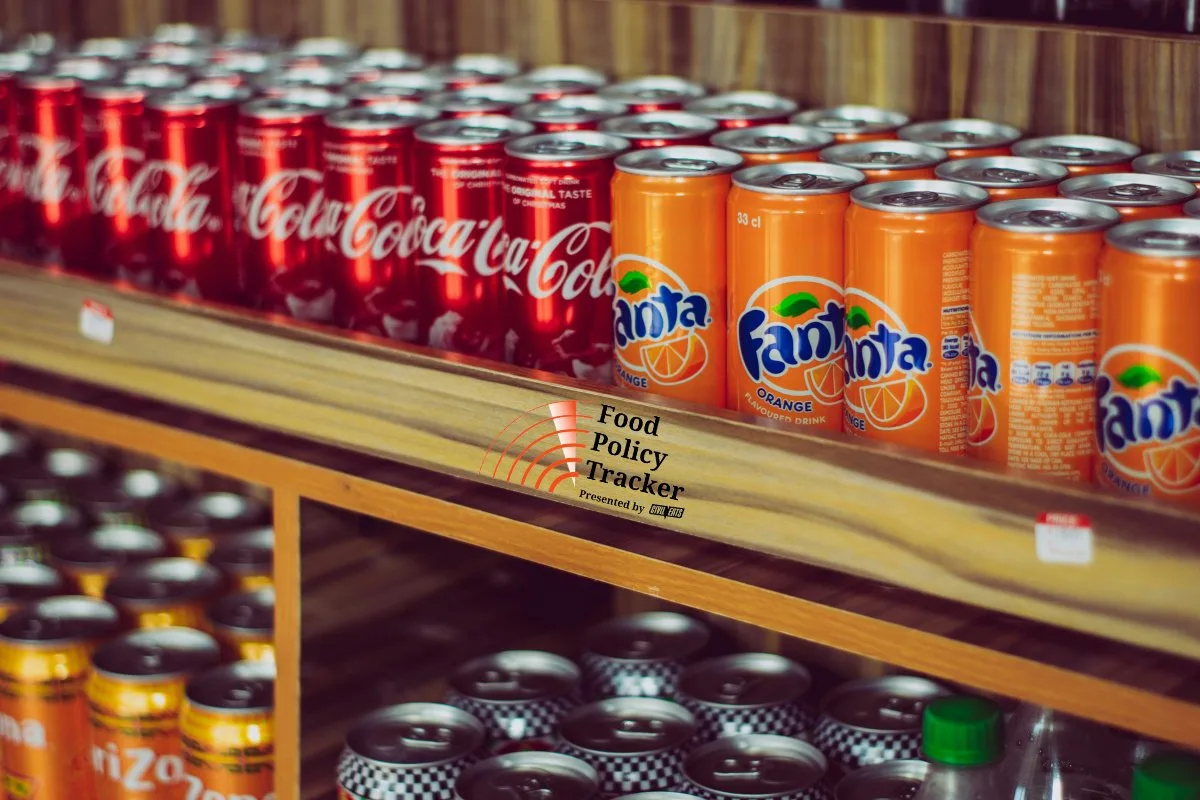
Washington D.C. – The U.S. Department of Agriculture (USDA) has granted waivers to four more states, allowing them to restrict the purchase of certain food items, including candy, soda, and other sweetened beverages, under the Supplemental Nutrition Assistance Program (SNAP). This latest approval, announced by Agriculture Secretary Brooke Rollins on Wednesday, March 4, 2026, brings the total number of states with such restrictions to 22, representing nearly half of all states nationwide. The newly approved waivers apply to Kansas, Nevada, Ohio, and Wyoming, with Secretary Rollins indicating that an additional eight SNAP waiver requests are currently "in the pipeline."
The decision marks a significant expansion of a trend towards state-level control over federal food assistance, a movement championed under the "Make America Healthy Again" agenda. While a majority of the approved waivers have been in states with Republican leadership, Kansas, with a Democratic governor, joins Colorado and Hawai’i as the third Democrat-led state to receive such approval, highlighting a bipartisan, albeit complex, alignment on this policy direction.
The Expanding Landscape of SNAP Restrictions
The recent approvals build upon a series of similar waivers that have already taken effect in various states across the country. Earlier in 2026, five states initiated their own SNAP purchase restrictions, leading to a patchwork of regulations that has reportedly caused considerable confusion among SNAP recipients, retailers, and anti-hunger advocates. These new restrictions aim to steer beneficiaries away from what proponents deem "unhealthy" choices, primarily targeting discretionary items high in sugar.
Secretary Rollins, during the announcement, underscored the USDA’s commitment to a state-driven approach for these waivers. She acknowledged the challenges and confusion that have emerged from this decentralized implementation but affirmed that her team is actively collaborating with state leaders to resolve "almost every single challenge" encountered. This statement suggests an ongoing effort by the federal agency to balance state autonomy with the need for operational clarity and recipient support.

The "Make America Healthy Again" Initiative and Its Aims
The push for restricting SNAP purchases is a central tenet of the "Make America Healthy Again" agenda, a broad initiative advocating for significant reforms to federal food programs with the stated goal of improving public health outcomes. Supporters of these restrictions argue that they represent a vital re-shaping of one of the nation’s largest federal food assistance programs, moving it beyond mere caloric provision towards promoting healthier dietary habits.
Proponents often cite alarming national statistics on diet-related diseases, such as obesity and type 2 diabetes, which disproportionately affect low-income populations. For instance, according to the Centers for Disease Control and Prevention (CDC), over 42% of U.S. adults are obese, and roughly 1 in 10 Americans has diabetes, with these rates often higher among communities facing food insecurity and limited access to nutritious options. The argument posits that by removing sugary drinks and candies from eligible SNAP purchases, beneficiaries will be encouraged to opt for more nutritious alternatives, thereby contributing to better health outcomes and reducing long-term healthcare costs.
However, critics of these restrictions question their effectiveness and raise concerns about the potential for increased stigma associated with using SNAP benefits. They argue that limiting choices for low-income individuals can be paternalistic and may not address the root causes of unhealthy eating, which often include lack of access to affordable fresh produce, time constraints for meal preparation, and cultural preferences.
Stakeholder Concerns and Operational Hurdles
The implementation of varied SNAP restrictions across states has not been without significant challenges. Reports from states where waivers have already taken effect indicate widespread confusion. Retailers, particularly smaller grocery stores and convenience stores, have struggled to update their point-of-sale (POS) systems to accurately identify and exclude restricted items. This has led to instances where eligible items are mistakenly denied or ineligible items are mistakenly approved, creating frustrating experiences for both customers and store employees. Training staff to enforce these nuanced rules consistently across a vast array of products further complicates operations.
Anti-hunger advocates have voiced strong opposition, warning that these restrictions could exacerbate food insecurity and create unnecessary barriers for vulnerable families. They highlight that SNAP’s primary purpose is to alleviate hunger and provide food security, and that limiting choices can undermine this goal. Moreover, they argue that banning specific items, such as a bottle of soda or a candy bar, overlooks the broader dietary context and often punishes individuals without addressing systemic issues. The administrative burden on recipients to learn and navigate different rules in different states or even different stores can also be significant, adding stress to already challenging circumstances.

For SNAP recipients, the new policies can be a source of embarrassment and frustration. Being told at the checkout counter that an item is ineligible can feel stigmatizing, and having to modify shopping lists on the fly can disrupt meal planning. Many argue that low-income individuals, like all consumers, should have the autonomy to make their own food choices, and that education and incentives for healthy eating are more effective than outright bans.
USDA’s Broader Regulatory Push: Retailer Stocking Standards
In conjunction with the waiver approvals, Secretary Rollins also announced that the USDA is preparing to release a final rule concerning the types of food that SNAP retailers must offer to remain eligible for the program. This regulatory update is highly anticipated, as the last significant revision to retailer stocking standards occurred in 2016. Rollins stated that the new rule aims to more than double the number of required food varieties across four staple food groups, ensuring that SNAP-authorized stores genuinely provide access to healthy food options.
The Secretary specifically mentioned that under the new rule, items like jelly would no longer be counted as a "fruit" for the purpose of meeting stocking requirements, indicating a stricter interpretation of what constitutes nutritious food. This move aligns with the broader "Make America Healthy Again" agenda by attempting to enhance the quality of food available to SNAP beneficiaries at the point of sale.
However, public health groups, including the Center for Science in the Public Interest (CSPI), have previously expressed reservations about the proposed rule, which was initially released in September 2025. While acknowledging the intent to improve food access, CSPI and similar organizations warned that the proposed standards did not go far enough to sufficiently ensure a substantial increase in healthy, whole-food options. Their concerns often center on whether the revised categories and quantities will truly push retailers, particularly those in food deserts or with limited inventories, to stock a wider array of fresh produce, lean proteins, and whole grains, rather than simply expanding the availability of processed foods that technically meet "staple" definitions.
A Shifting Landscape for Food Assistance
The current developments reflect a significant juncture in the evolution of federal food assistance policy. SNAP, originally established as the Food Stamp Act of 1964 (and later reformed), has historically aimed to combat hunger and improve nutrition for low-income Americans by supplementing their food budgets. For decades, the program operated with broad eligibility for food purchases, allowing recipients to buy virtually any food item except alcohol, tobacco, and hot prepared foods. The rationale was that empowering individuals with choice was the most efficient and dignified way to address food insecurity.

The current wave of restrictions, however, marks a departure from this hands-off approach, signaling a federal willingness to grant states more prescriptive power over what constitutes an "acceptable" food purchase with federal dollars. This shift is deeply rooted in ongoing debates about personal responsibility, public health, and the role of government in influencing dietary habits.
The move toward state-specific waivers creates a fragmented system where a SNAP recipient’s ability to purchase certain items depends entirely on their state of residence. This could potentially lead to inequities, as individuals in one state may have more limited choices than those in another, despite facing similar economic circumstances. The administrative complexity for national retailers operating across multiple states also increases, requiring sophisticated, state-specific inventory and POS management.
Economic and Health Implications
The economic implications of these restrictions are multifaceted. On one hand, advocates hope that a shift away from sugary products could reduce healthcare costs associated with diet-related illnesses over the long term. On the other hand, retailers that rely heavily on sales of soda and candy, particularly convenience stores and smaller groceries in underserved areas, could see a decline in revenue. This could disproportionately affect local economies where such stores are primary food sources for low-income communities. Food manufacturers producing restricted items might also experience reduced sales in the SNAP market segment.
From a public health perspective, the efficacy of restricting specific food items remains a subject of debate among experts. Some studies suggest that such bans can lead to modest improvements in purchasing patterns, while others indicate that consumers may simply substitute restricted items with other unhealthy alternatives or purchase them with non-SNAP funds. The overall impact on long-term health outcomes for SNAP recipients is not yet definitively established, and many public health researchers emphasize that comprehensive interventions, including nutrition education, increased access to affordable healthy foods, and community-based programs, are often more effective than restrictive policies alone.
The ongoing developments in SNAP policy underscore a complex interplay of public health goals, economic realities, political ideologies, and the fundamental right to food access. As more states implement these waivers and the USDA finalizes its retailer stocking standards, the landscape of food assistance in the United States is poised for a significant transformation, with ripple effects that will be closely watched by policymakers, advocates, and millions of American families.