admin
admin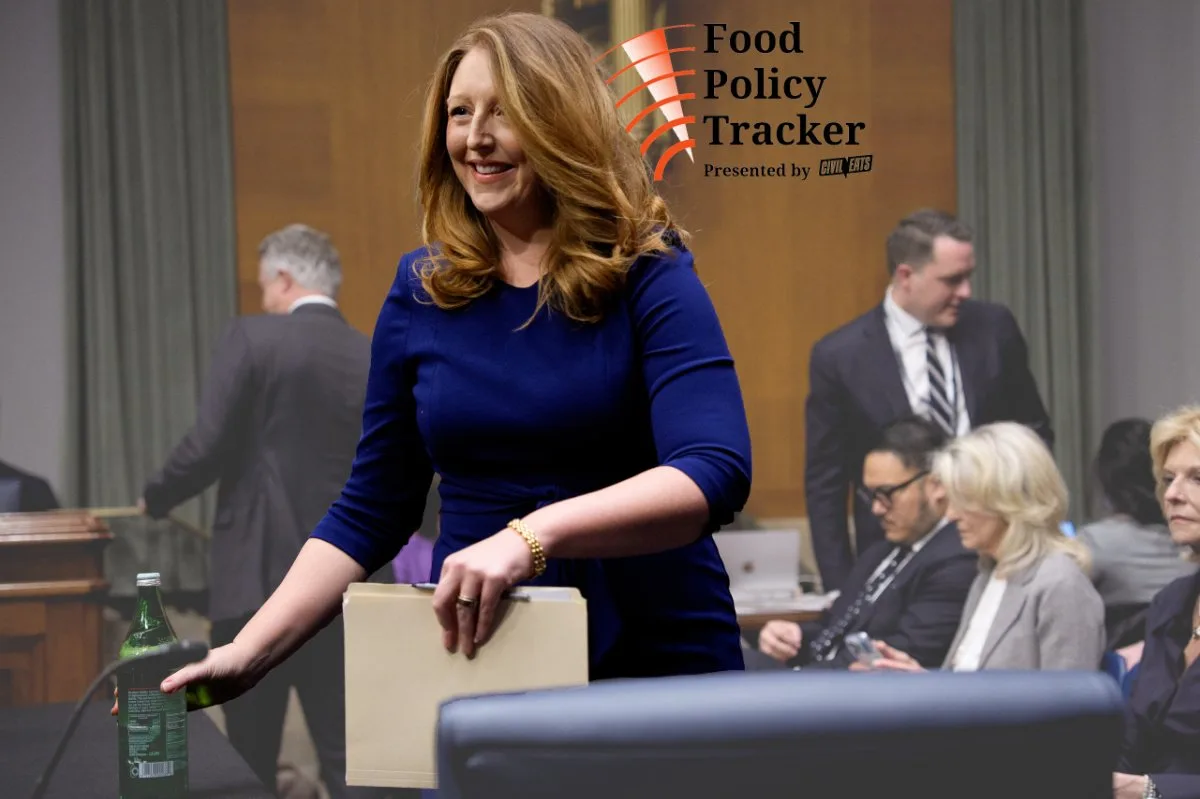
February 26, 2026 – President Donald Trump’s nominee for U.S. Surgeon General, Casey Means, appeared before the Senate Committee on Health, Education, Labor and Pensions (HELP) on Wednesday, signaling a potential shift in the nation’s top public health messaging, particularly regarding ultra-processed foods. Means, a prominent figure in the "Make America Healthy Again" (MAHA) movement, articulated a vision centered on dietary reform, while simultaneously facing sharp scrutiny from Democratic senators over past statements concerning vaccines and birth control. Her testimony illuminated the complex interplay between personal health philosophies, scientific consensus, and the influential public platform of the Surgeon General.
Awaiting Confirmation: Means’ Path to the Hearing
Casey Means’ journey to the confirmation hearing has been marked by anticipation and a brief postponement. President Trump initially nominated Means in May 2025, signaling an administration intent on integrating alternative health perspectives into federal policy. Her original confirmation hearing, scheduled for October 2025, was postponed when she unexpectedly went into labor, a detail that garnered sympathetic attention even amid political divisions. This delay only heightened interest in her eventual appearance, given her outspoken advocacy and the broader political landscape shaped by the Trump administration’s approach to health policy.
Means is widely recognized as a co-founder and intellectual leader of the MAHA movement, alongside her brother, Calley Means, who currently serves as a senior adviser for the Department of Health and Human Services. The MAHA philosophy generally emphasizes lifestyle interventions, dietary changes, and a critical view of conventional medical and pharmaceutical approaches. If confirmed, Casey Means would be poised to elevate these MAHA principles from one of the nation’s most trusted medical positions, potentially reshaping public health discourse for years to come.
The Central Platform: Warning Against Ultra-Processed Foods
At the core of Means’ testimony was her unequivocal commitment to combating the pervasive influence of ultra-processed foods (UPFs) in the American diet. She informed senators, "I think you’ll be frustrated by how much I will be talking about ultra-processed foods," underscoring her intention to make this a central pillar of her tenure if confirmed. Means vowed to leverage the Surgeon General’s platform to educate consumers about the health risks associated with UPFs, including concerns over aggressive television advertising campaigns targeting vulnerable populations.
Means’ stance aligns with a growing body of scientific literature that links high consumption of UPFs to a range of adverse health outcomes, including obesity, type 2 diabetes, cardiovascular disease, and certain cancers. Recent data from the National Health and Nutrition Examination Survey (NHANES) indicates that UPFs account for more than half of the total daily caloric intake for many Americans, a figure that has steadily climbed over the past two decades. Public health experts have long grappled with effective strategies to counter the marketing power of the food industry, which spends billions annually promoting these often nutrient-poor, high-calorie products. A Surgeon General actively campaigning against UPFs would represent a significant escalation of this public health battle, potentially mirroring the impact of past campaigns against tobacco.
Marion Nestle, an acclaimed nutritionist and author, and a member of the Civil Eats advisory board, lauded Means’ focus on this issue. "The surgeon general has a fabulous opportunity to push the ‘Eat real food, limit ultra-processed food’ message," Nestle told Civil Eats, emphasizing the potential for the role to influence public perception and behavior. However, Nestle also cautioned that the "real test will be whether Means sticks to this message and uses that pulpit to promote policies," hinting at the need for concrete actions beyond rhetoric.
Navigating Controversies: Vaccines and Reproductive Health
While Means’ position on ultra-processed foods garnered some bipartisan support, her past statements on other critical public health issues drew sharp criticism from Democratic members of the HELP Committee. Senators pressed Means extensively on her previously expressed concerns about vaccine safety, particularly in light of disproved claims linking vaccines to autism. Despite overwhelming scientific consensus from organizations like the World Health Organization (WHO) and the Centers for Disease Control and Prevention (CDC) that there is no link between vaccines and autism, Means declined to outright reject these debunked claims during the hearing. This reticence immediately raised red flags for Democrats, who emphasized the Surgeon General’s crucial role in promoting evidence-based public health information and maintaining public trust in vaccination programs, which are cornerstones of infectious disease prevention.
The implications of a Surgeon General casting doubt on established vaccine science are profound. In an era marked by vaccine hesitancy and resurgences of preventable diseases like measles, the clear and consistent endorsement of vaccine safety and efficacy by the nation’s top doctor is considered paramount. Medical organizations such as the American Medical Association (AMA) and the American Academy of Pediatrics (AAP) have consistently advocated for robust vaccination schedules based on rigorous scientific review. Any perceived ambiguity from the Surgeon General on this issue could be seen as undermining decades of public health efforts and potentially exacerbating existing challenges in achieving herd immunity.
Democrats also voiced concerns about a 2024 appearance Means made on the Tucker Carlson Show, where she controversially claimed that birth control pills are prescribed "like candy." This statement, widely perceived as dismissive of the medical necessity and benefits of contraception for millions of women, ignited further apprehension. Access to birth control is a fundamental aspect of reproductive healthcare, family planning, and women’s overall well-being. Advocates for reproductive rights and women’s health organizations quickly signaled their alarm, highlighting the potential for such rhetoric from the Surgeon General to stigmatize contraception and complicate access to essential medical services. The American College of Obstetricians and Gynecologists (ACOG) and other professional bodies have long affirmed the safety and efficacy of hormonal contraceptives, emphasizing their role in empowering individuals to make informed choices about their reproductive lives.
Dietary Guidelines and the Challenge of Food Access
Beyond warning about UPFs, Means outlined a broader "vision" for the Surgeon General’s role focused on increasing access to whole, healthy foods for all Americans. She repeatedly celebrated the latest "Dietary Guidelines for Americans," released in January 2026 by the Trump administration, as a key mechanism to achieve this goal. Means suggested that reshaping federal nutrition programs in alignment with these guidelines could significantly improve the national diet. The 2026 Dietary Guidelines notably emphasized animal protein and dairy, a departure from some previous iterations that had broader recommendations.
However, critics were quick to point out a significant hurdle to this vision: the economic accessibility of healthy foods. A report released in January 2026 indicated that food prices had increased during the Trump administration’s first year, raising concerns that the "whole, healthy foods" encouraged by the new guidelines remain out of reach for many low-income Americans. Food access advocates and anti-hunger organizations have consistently highlighted that while dietary advice is valuable, it is insufficient without addressing the systemic issues of poverty, food deserts, and the affordability of nutritious options. The cost disparity between fresh produce and highly subsidized processed foods often forces individuals and families on limited budgets to prioritize cheaper, less healthy options. The challenge for any Surgeon General advocating for dietary change would be to reconcile these recommendations with the economic realities faced by a substantial portion of the population.
Agricultural Practices and the Pesticide Debate
During the hearing, senators also probed Means’ stance on agricultural practices, particularly her views on pesticide use, recognizing the Surgeon General’s potential to influence public perception on environmental health issues. Means has previously been critical of pesticide use in American agricultural systems, articulating concerns about their impact on human health and ecological integrity. However, under questioning from the committee, her approach appeared to soften.
"I have the utmost respect for the American farmer," Means stated, adding, "Obviously changing anything overnight would be devastating to the American farmer and the American consumer." This pivot reflects a common tension in agricultural policy debates, balancing environmental and health concerns with the economic viability of farming communities and the need for stable food production. Her softened tone could be interpreted as a pragmatic acknowledgment of the complexities of agricultural reform and the powerful influence of the agricultural industry.
This position also aligns with that of Health Secretary Robert F. Kennedy Jr., who has taken a similar stance. The administration’s recent actions further underscore this perspective: in February 2026, President Trump issued an executive order directing the U.S. Department of Agriculture (USDA) to boost the domestic production of glyphosate, a widely used herbicide that has been the subject of considerable debate regarding its potential health impacts. Means acknowledged the administration’s dedication to investigating the "impacts of cumulative exposure to chemicals on human health, including pesticides and herbicides," suggesting a focus on research rather than immediate regulatory changes. This approach, while appearing cautious, drew mixed reactions, with agricultural industry groups likely appreciating the emphasis on supporting farmers, while environmental and public health advocates might express disappointment at the lack of a stronger stance against potentially harmful chemicals.
The Role of the Surgeon General: Influence vs. Policy
The Surgeon General, often referred to as "the Nation’s Doctor," primarily functions as a public health authority and spokesperson rather than a direct policy-maker. The role’s power lies in its ability to raise public awareness, issue health advisories, and galvanize public opinion on critical health issues. A prominent historical example is Dr. Luther Terry, Surgeon General from 1961 to 1965, who famously used his position to issue the groundbreaking 1964 report on smoking and health, fundamentally altering public perception and paving the way for decades of tobacco control policies.
While few surgeons general have prioritized food policy to the extent Means proposes, or specifically called out ultra-processed foods, the precedent for using the office as a bully pulpit for public health messaging is well-established. Means’ proposed focus on UPFs could mark a significant expansion of the Surgeon General’s traditional purview, moving beyond infectious diseases and lifestyle choices like smoking to more deeply engage with the systemic issues of food production and consumption. Her ability to translate her passion into effective public health campaigns, navigating political pressures and scientific controversies, will define her potential impact if confirmed.
Broader Implications and Next Steps
Casey Means’ confirmation hearing has laid bare the fault lines in contemporary public health discourse, from the role of nutrition in preventing chronic disease to the trust in established medical science. Her nomination represents a deliberate move by the Trump administration to empower voices that often challenge mainstream public health narratives, potentially shifting the national conversation on health and wellness.
If confirmed, Means would face the immediate challenge of balancing her advocacy for dietary reform with the need to maintain credibility across the broader medical and scientific communities, especially concerning contentious issues like vaccines and birth control. Her tenure could spark renewed public debate on the definition of "healthy food," the role of government in dietary guidance, and the balance between individual choice and public health imperatives. It could also intensify scrutiny on the food and agricultural industries, potentially leading to increased demand for healthier, sustainably produced options.
The confirmation process now moves to a committee vote by the Senate HELP Committee before proceeding to a full Senate vote. The timing of these votes remains unclear. The hearing made it evident that Means’ confirmation would not only fill a critical public health position but would also signal a new direction for federal health messaging, with far-reaching implications for how Americans understand, discuss, and pursue their well-being.