admin
admin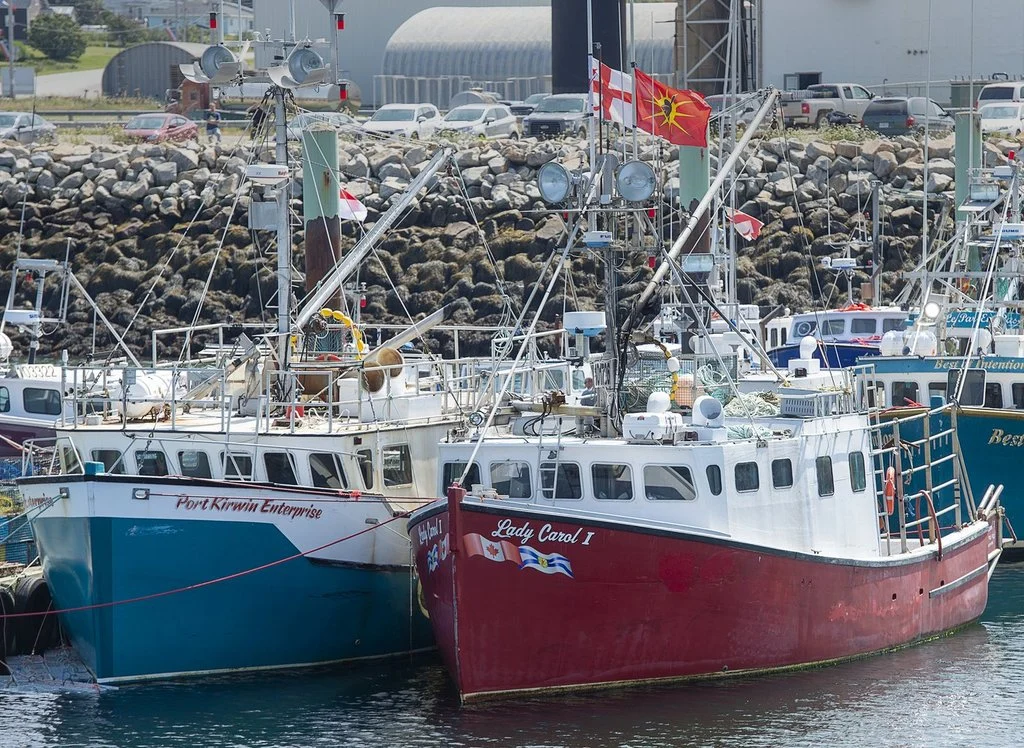
Halifax, N.S. – The Unified Fisheries Conservation Alliance (UFCA), a prominent group representing commercial fishers in Nova Scotia, has announced its intention to appeal a recent Nova Scotia Supreme Court decision that ruled the alliance lacked the legal standing to pursue a case challenging Indigenous fishing rights. This development, confirmed by UFCA President Colin Sproul on August 21, 2026, signals a renewed legal battle in the contentious and long-standing dispute over treaty-protected fishing rights in the province, particularly concerning the self-regulated lobster fishery operated by the Sipekne’katik First Nation. The initial lawsuit sought a court declaration that members of the Sipekne’katik First Nation do not possess an inherent treaty right to harvest lobster out of the federally regulated commercial season without holding conventional commercial licenses, asserting that such activities in St. Mary’s Bay were unauthorized, unlawful, and detrimental to both existing commercial operations and lobster stocks. The Supreme Court’s dismissal last month underscores the intricate legal framework surrounding Aboriginal and treaty rights in Canada, suggesting that challenges to such rights must typically involve the Crown as the primary respondent, rather than a third-party organization.
Historical Context: The Marshall Decision and Its Unfolding Legacy
The current legal confrontation is deeply rooted in the landmark 1999 Supreme Court of Canada decision in R. v. Marshall. This pivotal ruling affirmed the Mi’kmaq, Wolastoqiyik, and Peskotomuhkati peoples’ treaty right to hunt, fish, and gather to earn a "moderate livelihood," stemming from treaties signed in the 18th century. The court clarified that these rights were enshrined in the Constitution and had never been extinguished. While Marshall I affirmed the right, Marshall II subsequently clarified that this right was subject to regulation, provided such regulation was justified on conservation or other compelling public objectives and did not infringe on the fundamental nature of the treaty right.
Despite the clarity provided by the Supreme Court, the practical implementation of the "moderate livelihood" right has proven to be a complex and often fraught process, leading to decades of negotiation, frustration, and, at times, conflict. The federal Department of Fisheries and Oceans (DFO) has been tasked with reconciling these constitutionally protected rights with the existing, heavily regulated commercial fishery, a task that has been met with varying degrees of success and criticism from all sides. The core tension often revolves around what constitutes "moderate livelihood," how it should be regulated, and how it can operate alongside the established commercial seasons and licensing structures.
The Genesis of the Current Dispute: Sipekne’katik’s Self-Regulated Fishery in 2021
The immediate flashpoint for the UFCA’s legal challenge was the Sipekne’katik First Nation’s decision to launch its own self-regulated "moderate livelihood" lobster fishery in St. Mary’s Bay, off the coast of Saulnierville, Nova Scotia, on August 16, 2021. This move was a direct assertion of their treaty rights, initiated after years of perceived inaction and unsatisfactory progress in negotiations with the federal government regarding the implementation of the Marshall decision. The First Nation emphasized that their fishery was not commercial in the traditional sense, but rather an exercise of their inherent right to earn a living from their traditional territories. They asserted that their self-designed management plan incorporated traditional ecological knowledge and conservation principles, operating with their own licenses and regulations, which often meant fishing outside the DFO-prescribed commercial seasons.
The launch of this fishery in 2021 immediately ignited widespread protests and confrontations from non-Indigenous commercial fishers. These protests, which included blockades of wharves, damage to property, and even violence, stemmed from deep-seated concerns within the commercial fishing community. These concerns included fears of unregulated fishing leading to overexploitation of lobster stocks, unfair competition, and a perceived lack of a level playing field. Commercial fishers operate under strict DFO regulations, including limited entry licenses, trap limits, and fixed seasons, and they felt that the Sipekne’katik fishery undermined these established controls and jeopardized their livelihoods and the sustainability of the resource. The images of fishing boats from the Sipekne’katik First Nation preparing for the start of their fishery in Saulnierville, as captured by The Canadian Press in August 2021, became emblematic of the simmering tensions.

The Unified Fisheries Conservation Alliance: Advocating for Commercial Interests
The Unified Fisheries Conservation Alliance emerged as a vocal advocate for commercial fishing interests, articulating the anxieties and frustrations of its members. The UFCA’s central argument in its lawsuit was that the Sipekne’katik fishery, operating outside DFO’s commercial licensing and seasonal framework, constituted an "unauthorized and unlawful" activity. They contended that such operations posed a significant risk to the long-term health of lobster stocks in St. Mary’s Bay and the broader maritime ecosystem.
Colin Sproul, President of the UFCA, has consistently emphasized the economic hardship faced by commercial fishing families who adhere strictly to DFO regulations, invest heavily in licenses and gear, and rely on the stability of the fishery. He argues that if treaty rights fisheries are not clearly defined and regulated within a comprehensive framework, it creates an unsustainable dual system that disadvantages licensed fishers and potentially harms the resource. The UFCA’s pursuit of legal action, including this appeal, is framed as an effort to seek clarity and establish a unified regulatory approach that respects both treaty rights and the principles of conservation and equitable access for all. They highlight the substantial financial burden placed on their members to pursue such legal avenues, arguing that the federal government, specifically the Attorney General, should bear the responsibility of resolving these fundamental constitutional questions.
The Nova Scotia Supreme Court Ruling: A Question of Standing
The Nova Scotia Supreme Court’s decision last month to dismiss the UFCA’s case did not delve into the merits of the Indigenous fishing rights themselves, but rather focused on the legal concept of "standing." The court effectively ruled that the UFCA, as a third-party commercial organization, did not have the appropriate legal standing to challenge the Sipekne’katik First Nation’s assertion of treaty rights.
Legal experts suggest that this ruling reinforces the principle that matters pertaining to Aboriginal and treaty rights are primarily a relationship between Indigenous peoples and the Crown (the federal government). Challenging the scope or existence of a treaty right typically falls to the Crown, which has a constitutional duty to uphold and protect these rights, as well as to justify any infringements upon them. By denying the UFCA standing, the court indicated that it is up to the Sipekne’katik First Nation to engage with Ottawa – the federal government – to define and implement their treaty rights, and it is the Crown’s responsibility to manage this relationship and, if necessary, defend or clarify its position on these rights, rather than having a private entity litigate against a First Nation’s constitutional claims. This procedural ruling avoided a direct interpretation of the "moderate livelihood" right itself, instead affirming the proper legal channel for addressing such profound constitutional questions.
Reactions and Calls for Federal Action
Following the court’s dismissal, Colin Sproul reiterated the UFCA’s determination to pursue the matter, stating, "The Attorney General of Canada should most certainly be submitting a reference question to the Supreme Court of Canada to settle this once and for all instead of forcing hard-working fishing families to spend their scarce dollars to get us here." This statement highlights the UFCA’s belief that the federal government has abdicated its responsibility to provide clear guidance and a regulatory framework for treaty fisheries, leaving the burden of legal clarification to other stakeholders. A Supreme Court reference would be a direct request from the federal government to the highest court for an advisory opinion on a specific legal question, a mechanism often used for complex constitutional issues.

As of the latest reports, officials with the Sipekne’katik First Nation and the federal Attorney General’s office have not immediately provided comment on the UFCA’s appeal announcement. However, based on their historical positions, it can be logically inferred that the Sipekne’katik First Nation would view the initial court dismissal as a validation of their legal position regarding their right to self-determination in their fishery and the appropriate channels for challenging treaty rights. They would likely continue to advocate for their inherent right to manage their fishery sustainably according to their own protocols, while remaining open to constructive dialogue with DFO.
The federal government, represented by the Attorney General and DFO, faces a delicate balancing act. While constitutionally obligated to uphold treaty rights, DFO also manages the broader commercial fishery and is responsible for conservation. The call for a Supreme Court reference is not new; it has been echoed by various parties over the years as a potential means to bring definitive clarity to the "moderate livelihood" issue. However, the government may be hesitant to initiate such a reference, as it could have far-reaching implications and potentially limit future flexibility in negotiating agreements with other First Nations. Instead, DFO has historically favored negotiating interim agreements and developing rights-based fisheries through collaborative processes with individual First Nations.
Broader Implications and the Path Forward
The UFCA’s appeal carries significant implications for all stakeholders in the Atlantic fishery and for the broader reconciliation agenda in Canada.
- For Indigenous Rights and Reconciliation: If the appeal proceeds, it will continue to highlight the ongoing struggle for Indigenous self-determination and economic reconciliation. The case underscores the need for respectful and equitable implementation of treaty rights, moving beyond mere recognition to active support for Indigenous participation in the economy on their own terms. The outcome could set important precedents for how treaty rights are challenged and upheld in the Canadian legal system.
- For the Commercial Fishery: The appeal prolongs the uncertainty that has plagued the commercial fishing sector since 2021. Commercial fishers, who contribute billions to the regional economy (the lobster fishery alone is worth over $1.5 billion annually in the Maritimes), continue to seek clarity on regulations and a predictable operating environment. Their concerns about sustainability and fair competition remain central, and the ongoing legal battles underscore the urgent need for a durable, negotiated solution that addresses the needs of all fishing communities.
- For Federal Governance: The case places renewed pressure on the federal government to articulate a clearer, more comprehensive policy on the implementation of the Marshall decision. DFO’s mandate to manage fisheries requires robust legal frameworks that accommodate treaty rights while ensuring conservation and stability for all harvesters. The reluctance to engage in a Supreme Court reference, while understandable from a political and negotiation flexibility standpoint, is increasingly seen by some as an abdication of leadership in resolving a deeply entrenched constitutional issue. A continued reliance on ad-hoc or piecemeal agreements may not alleviate the broader tensions.
- Legal Precedent: The appeal will test the boundaries of "standing" in cases involving Aboriginal and treaty rights. Should the UFCA somehow gain standing through the appeal process, it could open new avenues for third-party challenges to Indigenous rights, a development that could be concerning for First Nations. Conversely, if the appeal is dismissed, it would further solidify the principle that such matters are primarily the domain of the Crown and Indigenous peoples.
The Nova Scotia lobster fishery, known for its high quality and significant economic contribution, operates across multiple seasons and management areas. The area around St. Mary’s Bay, Lobster Fishing Area (LFA) 34, is one of the most lucrative and heavily fished, making any perceived threat to its stability a source of intense concern. As of 2023, there were approximately 1,600 commercial lobster licenses in Nova Scotia, demonstrating the scale of the established industry. The Sipekne’katik First Nation, with a population of over 2,700 members, seeks to establish a viable economic future for its community through the exercise of its treaty rights, which includes the right to a moderate livelihood from the resources of its traditional territory.
The decision by the Unified Fisheries Conservation Alliance to appeal ensures that the legal and political debate over Indigenous fishing rights will continue to unfold, keeping the spotlight on the need for a comprehensive and equitable resolution that respects constitutional rights, ensures conservation, and fosters coexistence among all who depend on the bountiful waters of Nova Scotia. The coming months will undoubtedly bring further legal arguments and potentially renewed calls for dialogue and negotiation as the parties involved seek clarity and justice in this complex issue.