admin
admin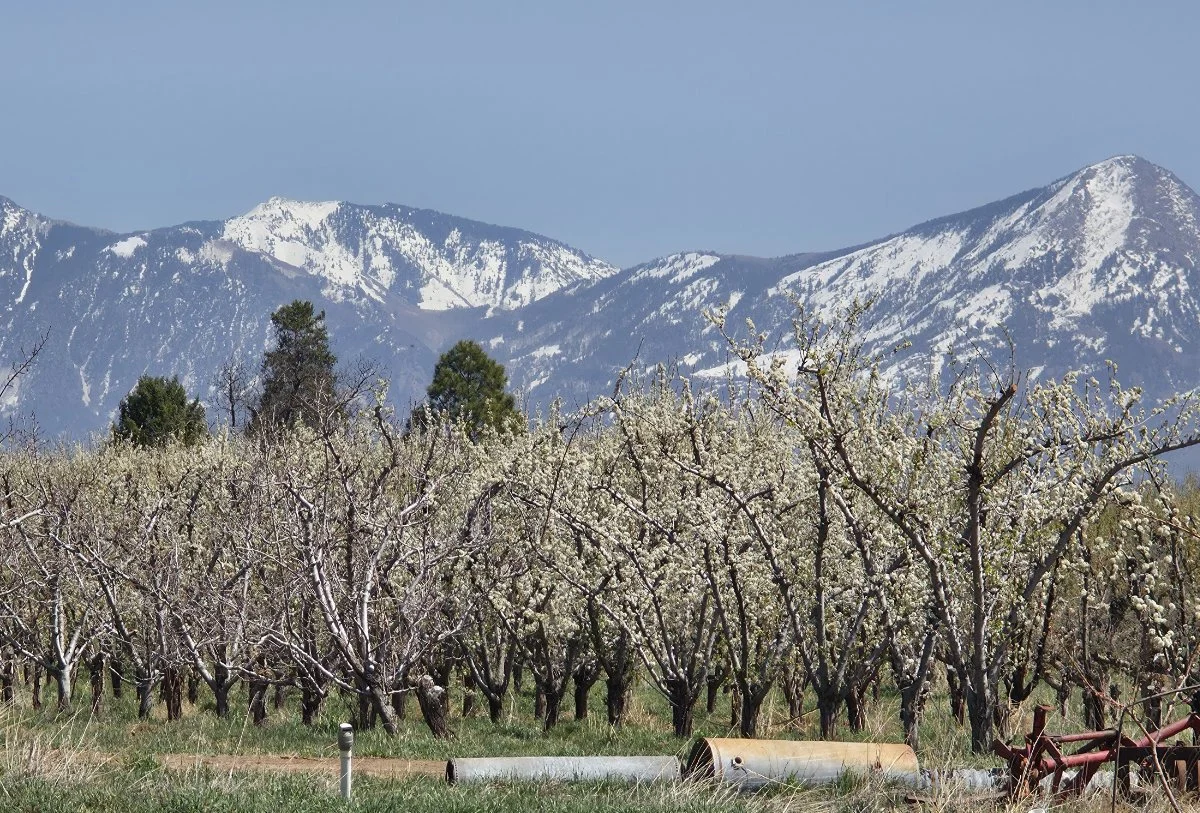
Across the United States, fruit farmers cultivating apples, peaches, and plums have reported devastating, widespread losses this year, attributing the unprecedented crop failures to severe late-spring freezes exacerbated by a rapidly changing climate. The agricultural sector, particularly growers of perennial fruits, is grappling with a crisis that threatens not only individual livelihoods but also the stability of regional food systems and consumer access to fresh produce. Initial estimates suggest tens of millions of dollars in immediate crop value lost in states like New York and Pennsylvania alone, with the ripple effects expected to extend throughout the supply chain and potentially impact consumer prices.
The crisis unfolded following an unusually warm winter and early spring, which triggered premature bud burst in fruit trees across various growing regions. This early awakening left the vulnerable blossoms and nascent fruitlets exposed to subsequent, unseasonably cold temperatures that plunged well below critical thresholds. The phenomenon, often referred to as a "false spring," is becoming an increasingly common and destructive pattern observed by climate scientists, directly linking to global warming trends that are altering traditional seasonal cycles.
A Chronology of Devastation in the Orchards
The narrative of this year’s catastrophic losses is a recurring one, told by farmers from the Rocky Mountains to the East Coast. For Steve Ela, who co-owns Ela Family Farms with his wife Regan Choi in Hotchkiss, Colorado, the devastation was absolute. Ela, a seasoned organic orchardist with three decades of experience managing his 98-acre farm, witnessed the obliteration of his entire crop.
The trees at Ela Family Farms had bloomed a full three weeks ahead of schedule, a precarious timing that heightened the risk of frost damage. Despite knowing a freeze was imminent, Ela and his team deployed extensive preventative measures on April 17th, a date now seared into his memory. They applied specialized minerals to enhance frost resistance and activated nearly a dozen giant wind machines throughout the night, designed to circulate warmer air closer to the ground. However, the severity and duration of the cold proved insurmountable. Temperatures dipped below freezing around 8 p.m. and remained there until almost 11 a.m. the following day, at one point plummeting to a brutal 21 degrees Fahrenheit. This extended, extreme cold event was unlike anything Ela had experienced in his lifetime.
"It is the first time in my memory, in my life, that we have had zero percent fruit," Ela stated in July, his easy smile replaced by a somber reflection. "We have found nine peaches on 12,000 trees. And even worse, it’s the whole county. It’s 40 miles of growing districts." His words underscore the regional scale of the disaster, indicating that this was not an isolated incident but a widespread ecological and economic shock.
Similar tales of loss resonated across the country. In Pennsylvania’s famed "South Mountain Fruit Belt," Ben Wenk, a seventh-generation farmer at Three Springs Fruit Farm, reported losing approximately 95 percent of his stone fruit (peaches, nectarines, apricots, cherries, plums) and anticipating only about 50 percent of his normal apple harvest. Wenk described the heartbreaking sight of "black and dead inside" blossoms after the April freeze, a stark visual testament to the cellular destruction caused by the extreme cold. He remarked, "We’ve been a commercial fruit-growing community since really the turn of the previous century, and there’s nobody alive that’s seen anything like this."
Further north, in Wisconsin, Erin Warner, head grower at Warm Belly Farm near Madison, faced a protracted battle. Her 10 acres of apple trees experienced an extended bloom period, during which temperatures repeatedly dropped below freezing seven times. Warner explained that 28 degrees Fahrenheit is a critical threshold for apples; prolonged exposure can lead to 90 percent crop loss. With 26 apple varieties, each at a different stage of vulnerability, Warm Belly Farm expects only 20 to 30 percent of its usual harvest. The surviving fruit also bears the scars of the freeze, with discoloration that diminishes market value and a concentration in the upper canopy, complicating their popular pick-your-own operations.

New York state officials estimated losses exceeding $30 million for apples and stone fruit, reflecting the widespread impact on a significant agricultural state. The sheer breadth of the affected regions—from Colorado to Wisconsin, Pennsylvania to New York—highlights the systemic nature of this climate-induced challenge.
The Climate Conundrum: Early Buds, Late Freezes, and Compounding Stressors
At the heart of this year’s fruit crisis lies a critical misalignment of natural cycles driven by global warming. Fruit trees are programmed to keep their buds dormant through winter, awaiting consistent warmth and longer days to signal the safe arrival of spring. However, climate change is increasingly disrupting this delicate biological clock.
Cat Chamberlain, a lead climate and resilience scientist at The Nature Conservancy, explains that "bud burst is happening earlier and earlier as climate warms." Simultaneously, the timing of the year’s final freezes is not necessarily shifting earlier in tandem. This creates a dangerous window where vulnerable, awakened buds and nascent fruitlets are exposed to late-season cold snaps. "If that timing is perfect, where [a freeze] hits right during that period of time when the tree is most sensitive, then we’re going to see these really big events occur," Chamberlain noted.
Research from institutions worldwide, including Cornell University, has documented this phenomenon. Studies in Iran, South Africa, and California confirm a global trend of earlier phenological events in perennial crops. While some climate models for the Midwest suggest the last freeze date might eventually align earlier by mid-century, these same models also predict increased variability in freeze dates, making future predictions and protective measures significantly more challenging for farmers.
Beyond the immediate freeze damage, orchards are contending with a suite of compounding climate stressors. Shorter, warmer winters, as observed by Erin Warner in Wisconsin, can decrease the quality of buds, rendering them more susceptible to subsequent freezes. Sudden temperature spikes during winter can prematurely awaken trees, making them vulnerable to "chill injury" and reducing their overall resilience.
In Colorado, Steve Ela’s concerns extended beyond freezes to water scarcity. Ela Family Farms operates in a desert environment, entirely dependent on mountain snowpack for irrigation. This past winter saw alarmingly low snowpack levels, with some regions reporting the worst snow drought on record. While not all droughts are directly attributable to climate change, clear evidence links increasing drought severity in the Southwest to a warming planet. A recent study confirmed that this year’s snow drought in the Upper Colorado River Basin was made 14 times more likely by climate change. For Ela, this meant rationing precious reservoir water, a decision that further stresses trees and potentially reduces their ability to withstand future extreme weather.
Margiana Petersen-Rockney, an assistant professor of environmental studies at the University of Montana and author of "Farmers and Climate Change," emphasizes this layering effect of climate impacts. "All of these things definitely interact with each other and pile on," she observed. "It’s very rarely just one climate impact that’s happening. It’s this kind of layering effect that erodes the resilience of the system." This erosion of resilience, coupled with market uncertainties, creates a precarious environment for agricultural businesses.
Economic Fallout and Broader Implications

The economic repercussions of these widespread crop failures are significant and far-reaching. The U.S. fruit industry, a vital component of the agricultural economy, contributes billions of dollars annually and supports countless rural communities. The direct loss of marketable fruit represents a severe blow to farmers’ annual income, threatening their ability to cover operational costs, pay staff, and invest in future seasons. For perennial crops like fruit trees, which require years of investment before yielding fruit, a complete loss is particularly devastating, as farmers cannot simply replant and hope for a quick recovery. The eight-year maturation period for some fruit trees means that a single season’s failure can have a cascading impact on a farm’s financial stability for nearly a decade.
Beyond the farm gate, the crisis is expected to impact consumers through potential price increases and reduced availability of fresh, local produce. Farmers’ markets, which serve as crucial direct-to-consumer outlets, are already feeling the pinch. Steve Ela, whose farm typically earns 10 to 20 percent of its revenue from markets, is now selling mostly jams and dried fruits, struggling to maintain customer relationships while traveling hundreds of miles for minimal returns. "If he doesn’t show up for a year, the orchard risks losing its customer base for next year," highlighting the delicate balance between financial viability and market presence.
The impact extends to processing industries that rely on fresh fruit for juices, ciders, and other value-added products. Ben Wenk, who has diversified into a successful cider brand, is already concerned about securing enough apples for future production, even as his cider sales provide a critical revenue stream in a lean year.
Responses, Adaptation, and the Road Ahead
In response to the escalating crisis, various stakeholders are mobilizing to support affected farmers. Federal and state governments have initiated relief efforts. The U.S. Department of Agriculture (USDA) designated disaster regions in both New York and Pennsylvania, unlocking access to additional federal funding and assistance programs, including low-interest loans and emergency aid. Pennsylvania Governor Josh Shapiro further demonstrated state commitment by announcing a $10 million Freeze Disaster Assistance Recovery Grants fund, aiming to provide direct financial relief to farmers grappling with the catastrophic losses.
Agricultural organizations and farmers’ market operators are also stepping in. Freshfarm, a nonprofit operating 25 markets across Maryland, Washington, D.C., and Virginia, implemented a temporary reselling policy. This innovative approach allows affected farmers to source produce from trusted partner farms and resell it at market, maintaining their presence and income stream while being transparent with customers. "Doing nothing would have been catastrophic for a lot of these farmers. They operate on such thin margins," explained Cat Oakar, Freshfarm’s Executive Director. Seven orchards have already adopted this policy, underscoring its immediate necessity.
Individual farmers, too, are actively seeking long-term solutions and adaptation strategies. Ben Wenk, harnessing his "general apple nerdiness," is experimenting with resilience. He has established two test plots with 200 trial varieties, including some from overseas and others known for their performance in hotter, southern climates. While initially intended to assess ripening times and resistance to hazards like hail, these trials now offer invaluable data on freeze tolerance. "If we are made to suffer, as we will this year, we have to learn something from it," Wenk stated, embodying the resilient spirit of the agricultural community.
For farmers like Ela, Warner, and Wenk, this year’s catastrophic losses serve as a stark reminder that the future of fruit farming in the U.S. will necessitate radical shifts in practices, crop selection, and risk management. The increasing frequency and severity of climate-related extreme weather events underscore the urgent need for comprehensive climate adaptation strategies within agriculture, supported by robust research, innovative technologies, and effective governmental policies. While crop insurance and disaster relief offer temporary reprieves, the long-term viability of these cherished orchards will depend on a collective commitment to understanding and mitigating the profound impacts of a changing climate. The lessons learned from this year’s devastation will undoubtedly shape the future of fruit production for generations to come.