admin
admin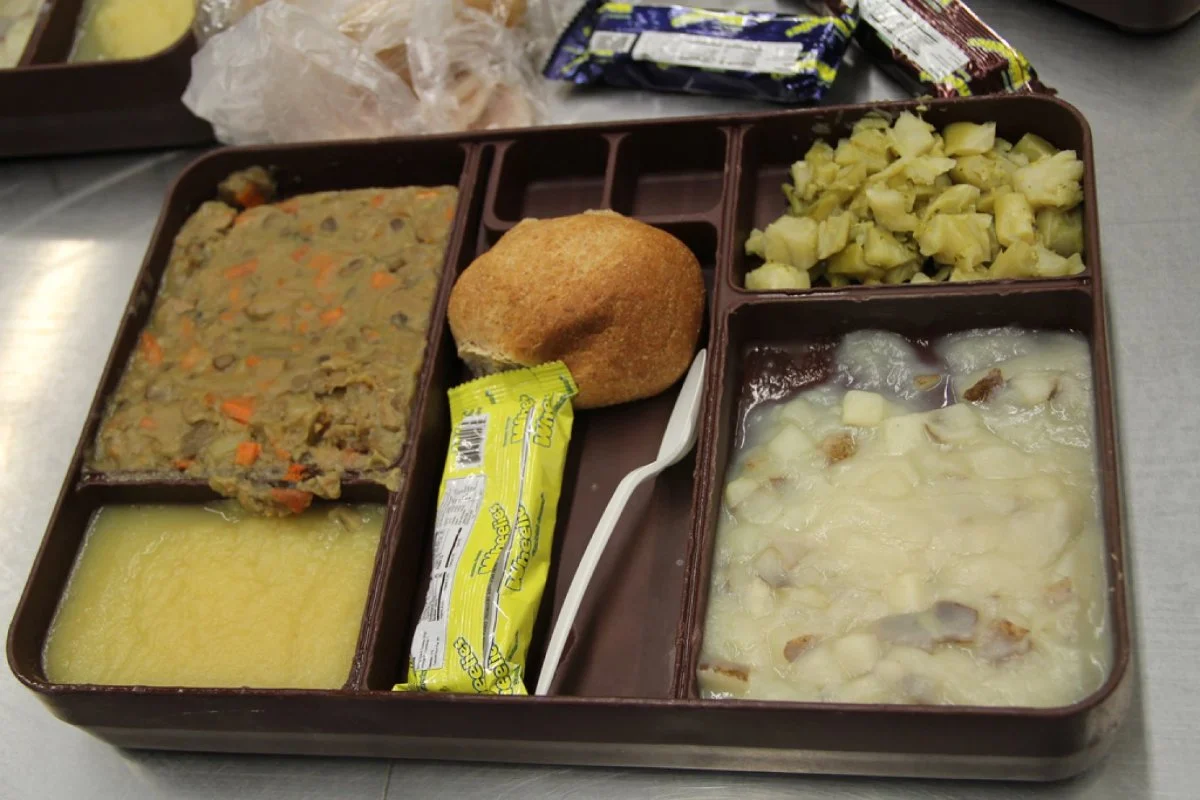
The systemic privatization of food services within correctional facilities across the United States has led to a precipitous decline in the quality and safety of meals, posing significant health risks to millions of incarcerated individuals. This alarming trend, driven by corporate profit motives, manifests in inadequate nutrition, rampant foodborne illnesses, and a fundamental disregard for human dignity, according to a recent comprehensive report. The issue extends from local jails to state prisons, and now threatens to expand into the federal correctional system, raising profound concerns among public health advocates and civil rights organizations.
The Unpalatable Reality: An Eyewitness Account
Imagine the daily routine within a correctional facility, where mealtimes are often one of the few predictable events. For thousands, this anticipation frequently gives way to despair. One harrowing account from the District of Columbia (D.C.) jail vividly illustrates the grim reality. Daniel, one of the authors of a recent report, recounted a typical evening meal: after an arduous wait, trays were finally distributed, only for the meal to reveal a horrifying discovery. Instead of the hoped-for "decent" sustenance, individuals were confronted with a pile of indistinguishable, grey potato/soy/gravy slop. Then, a shout from across the table shattered any remaining illusion of normalcy: "There’s a mouse in my food!" — swiftly corrected to, "No. It’s half a mouse!" This incident, far from isolated, underscores the profound failures in food safety and quality control that plague many privatized prison food systems. The D.C. jail, which houses over 2,200 individuals, most of whom are unadjudicated and awaiting trial, exemplifies a system where basic human needs are routinely compromised.

The Rise of Corporate Giants in Carceral Food Service
The company implicated in the D.C. jail incident, Aramark, is not a minor player. It is a corporate behemoth that serves food in a vast array of public and private institutions, from college dormitories and concert venues to sports arenas, schools, and military bases. More significantly, Aramark is the undisputed leader in the U.S. prison food market, providing at least 400 million meals annually to incarcerated people across 17 state prison systems and numerous additional jails nationwide. Capturing an estimated 35 percent of the staggering $5.1 billion annual U.S. correctional food service market, Aramark’s influence is immense. Its primary competitors, Trinity Services Group and Elior North America, hold the second and third largest market shares, respectively, creating an oligopoly that dictates the dietary fate of millions.
The outsourcing of food services to private companies in correctional facilities began in earnest in the early 1970s. This shift was largely driven by a promise of increased efficiency and significant cost savings for state and local governments. At the time, proponents argued that private companies could leverage economies of scale, specialized expertise, and competitive bidding to deliver services more affordably than traditional in-house government operations. Many states initially managed their own food services, but the allure of reduced budgets proved powerful, leading to a gradual but persistent increase in privatization. Today, 18 state correctional agencies have outsourced prison food service, a testament to the enduring appeal of potential financial savings, often at the expense of quality and oversight.
Profits Over Plates: Corporate Strategies and Their Consequences

The report, titled "Private Food, Public Harm: Privatized Food Service in Prisons and Jails," published in May by the Center for Science in the Public Interest (CSPI) and the Carceral Nutrition Project, delves into the systemic issues arising from this privatization. It posits that while private vendors are contracted to provide meals, their inherent drive for profit often leads to practices that severely compromise food quality and safety.
These profit-boosting strategies are multifaceted and deeply troubling. They include:
- Charging for unserved meals: A direct form of financial impropriety where facilities are billed for food that was never delivered or consumed.
- Cutting ingredients and adding cheap fillers: To reduce costs, companies may substitute nutritious ingredients with less expensive, often less healthy alternatives, or simply reduce portion sizes while maintaining the illusion of a full meal. This can involve an over-reliance on carb-heavy, highly processed foods, starchy vegetables, and ambiguous meat or soy products, often at the expense of fresh produce.
- Eliminating training requirements for staff: Reduced investment in the proper training of food preparation and handling staff can lead to unsanitary conditions, improper cooking methods, and increased risk of contamination.
- Minimizing staff wages and benefits: Lower labor costs directly translate to higher profit margins, but also contribute to high staff turnover and a less experienced workforce, further impacting quality control.
The consequences of these practices are borne directly by incarcerated individuals. Reports from facilities that outsource food service consistently detail widespread issues: undercooked, moldy, and rotten food; inadequate portions that leave individuals chronically hungry; and meals contaminated with foreign objects, including maggots, rodents, and even human bodily fluids. In essence, much of the food served is unfit for human consumption, violating basic public health standards and human decency. Despite being repeatedly fined for failing to meet contractual agreements, companies like Aramark have allegedly managed to retain many of their lucrative contracts, indicating a significant lack of effective accountability mechanisms.
A particularly problematic aspect highlighted by the report is the practice of having the same vendor operate both food service and commissary. This creates a perverse profit incentive: by providing unappetizing or insufficient meals, the vendor effectively drives incarcerated individuals to spend their limited funds on often overpriced and unhealthy snack items sold through the commissary. Aramark, for instance, is currently facing a federal lawsuit in West Virginia for practices that plaintiffs allege violate consumer protection laws, specifically due to its dual role in managing both food service and commissary in state prisons. Competitors like Trinity Services Group and Elior North America (through Summit Correctional Services) also have affiliated commissary businesses, underscoring a systemic conflict of interest within the industry.

A National Crisis: Report Findings and Supporting Data
The CSPI and Carceral Nutrition Project report employed a rigorous methodology, reviewing 134 articles and reports, conducting in-depth interviews with four advocates, three formerly incarcerated individuals, and three food service professionals, and analyzing over 500 legal cases filed against Aramark since 2000. The findings were unequivocal:
- Dietary Guidance Shortfalls: Aramark’s meals consistently fail to meet key recommendations outlined in the 2020-2025 Dietary Guidelines for Americans. They are characterized by limited fruits and vegetables, excessive sodium, and an over-reliance on refined grains, contributing to a high risk of nutritional deficiencies and chronic health conditions.
- Pervasive Hunger and Unpalatable Meals: Incarcerated individuals consistently report that meals are inadequate in both quantity and quality. This chronic hunger forces many to spend their meager earnings on unhealthy, high-sodium, and carb-heavy foods from the commissary, perpetuating a cycle of poor nutrition.
- Widespread Food Safety Risks: Allegations and documented cases of Aramark’s food safety lapses are extensive. These include improper food storage, contaminated meals, failure to maintain sanitary conditions, and outbreaks of foodborne illness. Surveys of individuals incarcerated in Nevada state prisons, where Aramark holds the contract, revealed that an overwhelming majority reported being served rotten meat, undercooked eggs, moldy bread, or spoiled milk. Much of this spoiled food ultimately ends up in the trash, representing both a health hazard and a profound waste of resources. Such inconsistent food safety practices not only put incarcerated people at risk for acute illness but also represent a grave violation of basic human dignity.
- Exacerbated Challenges Post-Privatization: Evidence from multiple states indicates a clear pattern: transitioning from in-house to Aramark-managed food service often leads to a demonstrable decline in food quantity, quality, and/or safety. Nevada’s experience in 2022, following Aramark’s takeover of state-run food services, serves as a stark example, with reported declines in meal quality and quantity.
The Looming Federal Shift: Bureau of Prisons Considers Outsourcing
The crisis of privatized prison food is not confined to state and local facilities. A significant development occurred on May 1 when the Federal Bureau of Prisons (BOP), which currently manages its own food service program for its 122 facilities nationwide, released Requests for Information (RFIs). These RFIs signal the BOP’s exploration of potentially outsourcing food service, commissary operations, and even healthcare for the more than 150,000 individuals in its custody. This move, if actualized, would represent a massive expansion of private corporate influence into federal corrections.

The BOP currently serves nearly 430,000 meals daily, amounting to approximately 150 million meals in fiscal year 2024. The arguments typically advanced for such privatization mirror those from the 1970s: promises of cost efficiency and streamlined operations. However, advocates and the findings of the CSPI report strongly contend that outsourcing to profit-driven entities would inevitably lead to reduced accountability and transparency, and a severe decline in the quality of meals served to federal prisoners. The BOP has yet to publicly disclose the results of its RFIs or its intended next steps, leaving advocates concerned about the potential for this harmful trend to expand dramatically.
Legal Battles and Systemic Lack of Accountability
Despite the extensive documentation of food quality and safety issues, achieving relief for incarcerated individuals through legal channels remains incredibly challenging. The 500-plus cases filed against Aramark over the past two decades highlight widespread allegations ranging from nutritionally inadequate and unsafe food to failures in meeting medical or religious dietary requirements. However, many of these cases have been unsuccessful. This lack of success can be attributed to several factors, including the difficulty for incarcerated individuals to access legal resources, the complexities of navigating the legal system from within prison, and legal doctrines such as qualified immunity, which often shield government contractors from liability.
Even in instances where Aramark has been fined for contractual violations, the report indicates that these infractions have allegedly continued, suggesting that monetary penalties alone are insufficient deterrents. This pattern extends to other major players, with Trinity Services Group and Elior North America also having been named in prison food lawsuits, underscoring a systemic issue across the industry rather than an isolated problem with one company. The lack of robust, independent oversight mechanisms further exacerbates this accountability gap, allowing private companies to prioritize profit over the well-being and basic human rights of incarcerated individuals.

Beyond the Bars: Broader Societal and Health Implications
The implications of serving unsafe, unpalatable, and nutritionally inadequate meals extend far beyond the immediate discomfort and indignity experienced by incarcerated individuals. Poor nutrition in prison contributes to a host of long-term health problems, including increased rates of diabetes, heart disease, obesity, and weakened immune systems. These conditions often go unaddressed in carceral settings, creating a public health crisis that eventually spills over into broader society.
Consider that nearly two million people are currently incarcerated in the U.S., and 95 percent of them will eventually return to their communities. Releasing individuals burdened with exacerbated diet-related chronic health problems creates significant challenges for successful reentry. These individuals often struggle to find employment, manage their health, and reintegrate into society, which can increase the likelihood of recidivism. The effects of this systemic neglect ripple outwards, impacting families, straining public healthcare systems, and ultimately undermining community well-being. From an ethical standpoint, denying individuals access to basic, nutritious food is a profound violation of human dignity and a testament to a system that often dehumanizes those within its confines.
Pathways to Reform: Recommendations for a Healthier Future

The "Private Food, Public Harm" report concludes with a series of urgent recommendations aimed at reversing this damaging trend and prioritizing accountability over profit:
- Avoid Outsourcing: Prisons and jails currently operating their own food services should generally avoid outsourcing. The evidence strongly suggests that such a transition is likely to lead to a decline in food quality and safety, as private companies often achieve cost savings by reducing critical aspects of their service.
- Establish and Improve Evidence-Based Standards: State and federal agencies must focus on establishing, meeting, and continually improving evidence-based food and nutrition standards. These standards should mandate the inclusion of fresh produce, ensure dietary diversity, limit processed foods, and adhere to appropriate calorie and nutrient requirements. This requires a commitment to allocating adequate funding to cover the rising costs of food, rather than seeking to cut corners in carceral settings.
- Strengthen Accountability for Private Vendors: For facilities that have already privatized food service, robust mechanisms must be put in place to hold private vendors accountable. This includes strict enforcement of contractual nutrition and food safety provisions. A key recommendation is to vest authority in independent oversight bodies tasked with conducting unannounced inspections. These bodies, free from political or financial influence, could rigorously evaluate compliance with nutrition, food safety, and palatability standards, ensuring that contracts are not merely performative.
- Public Advocacy and Engagement: Concerned citizens are urged to engage with Aramark leadership and other private food service providers to advocate for improved carceral food service practices. Public pressure can play a crucial role in demanding corporate responsibility.
- Broader Justice Reform: Ultimately, the report aligns with the broader call to end mass incarceration and reduce overall spending on carceral systems. By re-evaluating the scale and approach of incarceration, society can free up resources that could then be redirected towards ensuring humane conditions, including proper nutrition, for those who remain incarcerated.
The current trajectory of privatized prison food represents a profound moral and public health failure. If society genuinely aims to support individuals in thriving upon release, it must prioritize serving them real food, prepared with their health and dignity in mind, rather than sacrificing basic human needs at the altar of corporate profit. The quality of food in correctional facilities is not merely a logistical concern; it is a fundamental measure of a society’s commitment to justice, rehabilitation, and human rights.