admin
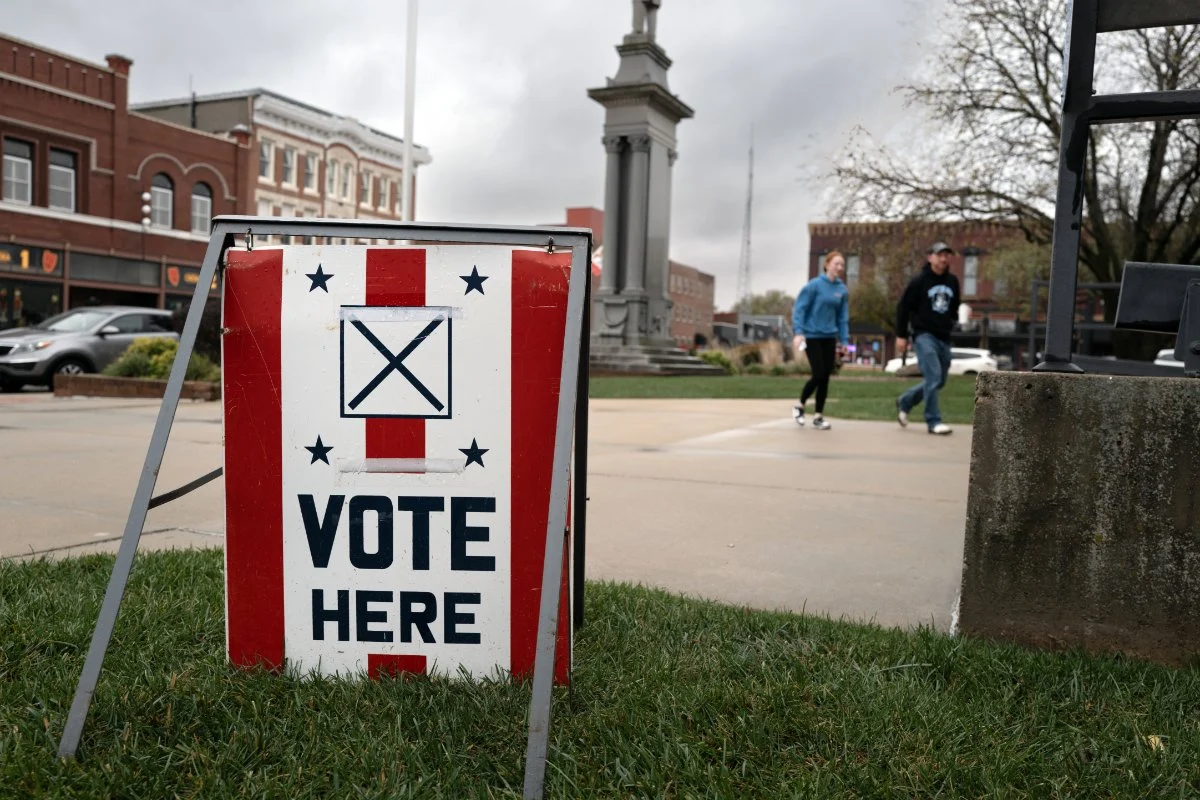
On the eve of the 2026 midterm elections, the United States finds itself at a critical juncture, with broad national issues like affordability, healthcare costs, and international conflicts dominating voter concerns. However, beneath these overarching themes, the landscape of food and agriculture policy has emerged as a surprisingly potent battleground, reflecting a deeper societal reckoning with corporate power, public health, and rural economic stability. These midterms are poised to serve as a comprehensive referendum on the first two years of the Trump administration, particularly its impact on the nation’s food systems and the evolving political allegiances of American voters.
The Broader Political Landscape and Food Policy Implications
Currently, Republicans maintain control of both chambers of Congress. However, projections from sources like the Cook Political Report indicate a significant potential for a Democratic takeover of the House of Representatives, with forecasts suggesting a gain of up to 25 seats. In the Senate, the balance is tighter, with 53 Republicans, 45 Democrats, and two Independents who caucus with Democrats. Democrats need to flip four seats to secure a majority. Recent polls, including a New York Times/Siena poll, show Democrats leading in seven critical Senate races, hinting at a plausible path to regaining control.
This potential shift in congressional power carries profound implications for food and agriculture policies. Democrats have consistently linked rising costs in healthcare and food to the Republican-led "One Big Beautiful Bill" (OBBB), a sweeping legislative package passed in 2025. The OBBB included substantial tax cuts, alongside significant reductions to the Supplemental Nutrition Assistance Program (SNAP) and rollbacks on climate regulations. Critics argue these measures exacerbated affordability crises for many families, while disproportionately benefiting large corporations. A Democratic majority in either chamber would likely prioritize reversing some of these OBBB provisions, particularly the cost-shifting measures for SNAP benefits, which have burdened states and led to reduced enrollment.
Key Senate races, such as the open seat in North Carolina (projected "likely Democrat" by Cook Political Report following Senator Thom Tillis’s retirement), and "toss-up" contests like the one in Texas between State Representative James Talarico and Attorney General Ken Paxton, or Maine’s incumbent Susan Collins against former state lawmaker Troy Jackson, could individually swing the balance of power. The outcomes of these races will directly influence the legislative agenda for food and farm policy for the latter half of the decade.
The Stalled Farm Bill: A Multi-Year Stalemate
One of the most pressing issues on the agricultural agenda is the failure to pass a comprehensive, five-year farm bill since its expiration in 2023. Instead, Congress has resorted to a series of temporary extensions, a stopgap measure that leaves farmers and food assistance programs in a state of uncertainty. Last year, some provisions typically found in the farm bill, such as crop insurance for commodity producers, were controversially folded into the OBBB.

Earlier this year, the House of Representatives managed to pass its version of the farm bill, addressing the remaining provisions. Shortly thereafter, the Senate Agriculture Committee advanced its own version. However, both bills have faced significant hurdles, primarily due to a lack of bipartisan support. Democrats largely withheld their votes because neither bill included a delay for a major cost-shift to states for SNAP benefits, a move projected to further decrease access to federal food assistance for millions of Americans. If Democrats secure a majority, they are expected to vigorously push for this delay in any future farm bill negotiations, though the size of their majority would dictate their leverage. The ongoing legislative limbo underscores the deep ideological divisions over the role of government in supporting both agricultural producers and vulnerable populations.
Farm Labor Dynamics and Immigration Policy
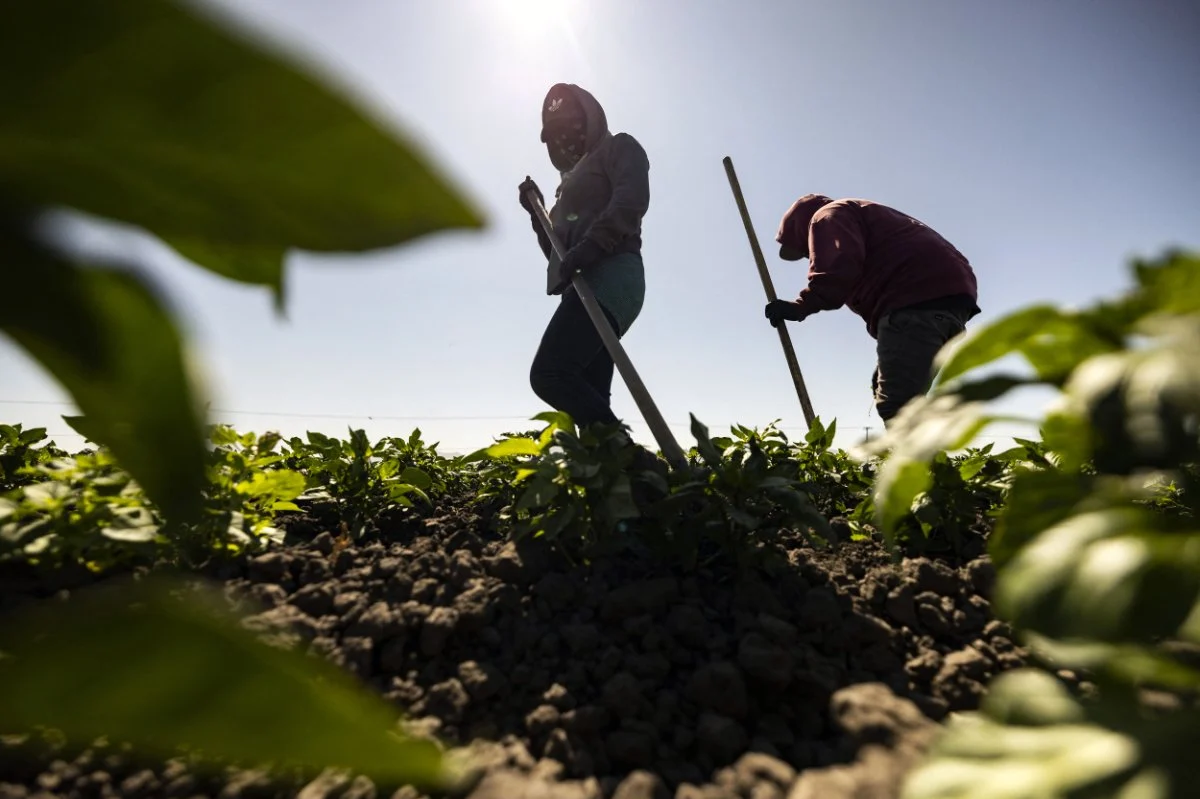
Farm labor has also emerged as a contentious issue. Over the summer, House Agriculture Committee Chairman G.T. Thompson (R-Pennsylvania) introduced a bill designed to overhaul the agricultural guest-worker program, proposing to allow migrants to work year-round on H-2A visas. While the bill has stalled, the need for stable and accessible farm labor remains a top concern for agricultural producers across the country.
A shift in congressional control could dramatically alter the legislative path for farm labor reform. A Democratic-led House might pivot away from Thompson’s proposal, potentially reviving bipartisan efforts like the Farm Workforce Modernization Act, which previously sought to create a pathway to citizenship for undocumented farmworkers and streamline the H-2A program with greater protections for laborers. This divergence highlights the contrasting approaches to immigration and labor policy, with Republicans generally favoring temporary worker programs and Democrats advocating for more comprehensive immigration reform that includes permanent residency options.
Iowa: A Bellwether for Industrial Agriculture and Corporate Power
Iowa, a state historically dominated by big agribusiness and commodity production, is experiencing a profound political realignment, making it a critical bellwether in the 2026 midterms. For decades, groups like the Farm Bureau, aligned with powerful agricultural corporations, have exerted immense political influence. However, a confluence of environmental and public health crises—including widespread water contamination from agricultural runoff, rising cancer rates in rural communities, and pesticide companies seeking legal immunity from health-related lawsuits—is challenging this established order. Farmers and rural residents are increasingly questioning the sustainability and ethics of the industrial agricultural model, disrupting the traditional political landscape.
In the tightly contested gubernatorial race, Republican candidate Zach Lahn, despite past affiliations, has surprisingly adopted a platform critical of corporate consolidation in agriculture and championed regenerative farming practices. He has garnered the backing of the "Make America Healthy Again" (MAHA) movement, which hosted a rally for him in Des Moines. However, many Iowans view these as local concerns rather than MAHA-specific issues. Lahn’s Democratic opponent, Rob Sand, has countered with his own detailed plan emphasizing water quality improvement and farmer support for adopting sustainable practices, arguing he offers a more pragmatic and comprehensive solution.
The race for Iowa’s Secretary of Agriculture further illustrates this ideological divide. Incumbent Mike Naig, a former Monsanto executive, faces Chris Jones, a researcher who was reportedly ousted from the University of Iowa for his outspoken analysis of agriculture’s contributions to water pollution, particularly from the state’s dominant pork industry. This race pits an industry insider against a scientific critic, reflecting the deep public concern over environmental stewardship and corporate accountability.

A crucial Senate seat is also in play, with U.S. Representative Ashley Hinson (R-Iowa) slightly trailing Democratic challenger Josh Turek, an Iowa State Representative. Hinson previously introduced the controversial "Save Our Bacon Act," a bill designed to overturn state-level animal welfare laws, such as California’s Proposition 12, which mandates specific housing standards for breeding pigs. This legislation, a major priority for large pork producers, has drawn fierce criticism from small farm advocacy groups, who accuse Hinson of prioritizing corporate interests over the livelihoods of independent Iowa farmers. Ads from these groups have highlighted the economic pressures faced by small and medium-sized producers, arguing that Hinson’s policies exacerbate consolidation and disadvantage local operations. The outcome of these Iowa races will signal the extent to which voters are willing to challenge the traditional political power of industrial agriculture.
The Make America Healthy Again (MAHA) Movement: Influence and Internal Fractures
The "Make America Healthy Again" (MAHA) movement, a populist health initiative that gained traction within conservative circles, faces a critical test in these midterms. Its allegiance to the Republican Party and the Trump administration’s ability to deliver on MAHA’s agenda are under intense scrutiny.
MAHA’s Republican Alignment and Contested "Wins"
MAHA’s influence has been evident in some competitive races, including Attorney General Paxton’s Senate bid in Texas, and MAHA Action, its political funding arm, has endorsed numerous Republican candidates. However, the movement has focused the bulk of its energy and resources on Iowa, viewing it as a proving ground for its principles. Robert F. Kennedy Jr., Trump’s Secretary of Health and Human Services (HHS) and a key MAHA figure, actively campaigned for Zach Lahn in Iowa, declaring it "the most important election going on in this country today" for the movement.
Kennedy, alongside USDA Secretary Brooke Rollins, joined the administration with questions swirling about how their vocal criticisms of industrial food and pesticide use would align with a historically Big Ag-friendly Republican administration. Yet, MAHA has claimed several victories. The administration’s 2026 Dietary Guidelines, for instance, explicitly discouraged highly processed foods, a significant shift lauded by MAHA proponents. At the Republican National Committee Midterm Convention, Kennedy also claimed that Americans are consuming more "real" food, and that obesity rates have declined by 7%—a reversal of a decades-long trend. He further asserted that preliminary data indicated a reversal in the 30-year decline in national longevity, attributing these gains in part to SNAP restrictions on sugar-sweetened beverages, which he claimed led to a 12% nationwide drop in soda sales.
Scrutiny and Fractures within MAHA
However, these claims have been met with significant skepticism and strong caveats. HHS has yet to release the Centers for Disease Control and Prevention (CDC) data supporting Kennedy’s longevity claims, leading to calls for transparency from public health experts. Similarly, the reported decline in obesity rates is more widely attributed by medical professionals to the increasing availability and use of GLP-1 medications like Ozempic and Wegovy, rather than a direct consequence of "real food" campaigns. Critics also question the methodology behind the soda sales decline, suggesting that broader public health campaigns and changing consumer preferences, rather than SNAP restrictions alone, are likely contributing factors.

As the midterms approached, signs of frustration began to emerge within the MAHA movement regarding the Trump administration’s perceived inaction on issues like pesticide regulation and delays in key food policy initiatives. In October, MAHA supporters, including former Kennedy staffers, released a "scorecard" that publicly highlighted the administration’s unfulfilled promises to MAHA voters. Further evidence of internal discord manifested with the resignation of Calley Means, a key food policy advisor within the administration, less than two weeks before the elections. These developments suggest a growing disillusionment among some MAHA adherents, who feel their agenda has not been fully realized despite their alignment with the ruling party.
MAHA Among Progressives: A Counter-Narrative
In response to this Republican disillusionment within parts of the MAHA movement, an increasing number of Democrats are actively working to reclaim the narrative around healthier food, corporate accountability, and improved farm policies. This represents a strategic shift, building on earlier efforts by figures like former First Lady Michelle Obama, whose focus on healthier school meals began over 15 years ago. While historically only a handful of Democrats, such as Senators Cory Booker (D-New Jersey) and Chellie Pingree (D-Maine), consistently championed issues like agricultural consolidation and pesticide risks, a broader cohort is now engaging.
The Center for American Progress, a prominent liberal think tank, released a plan in late October advocating for "progressives to reclaim leadership on these public health issues," signaling a coordinated effort to offer an alternative vision to MAHA.
In Michigan, Abdul El-Sayed, a progressive Democrat in a neck-and-neck Senate race against Republican Mike Rogers, exemplifies this new approach. El-Sayed, who holds both medical and public health degrees and has led city and county health departments in a farm state, has prominently featured food and agriculture in his campaign. In campaign videos, he pledges to prioritize "farmers over billionaires" by supporting right-to-repair legislation, breaking up agricultural monopolies, strengthening local food systems, and protecting farms from "forever chemicals." He has also criticized the "rigged system" that favors big food companies producing ultra-processed foods, and his official platform includes reforming farm subsidies. His background and populist messaging resonate with some of the same anti-corporate sentiments found within the MAHA movement.
Even prominent progressive figures like Representative Alexandria Ocasio-Cortez (D-New York) have engaged with MAHA members. At a campaign event for Troy Jackson in Maine, Ocasio-Cortez addressed a question about Kennedy’s controversial statements regarding Tylenol and autism, acknowledging agreement with Kennedy on broader issues like the influence of Big Pharma, but criticizing his undermining of scientific consensus. This nuanced engagement indicates a strategic effort to find common ground on anti-corporate sentiment while maintaining a commitment to evidence-based health policy.
Intriguingly, Zen Honeycutt, founder of the Moms Across America Movement, a group often associated with MAHA-adjacent concerns, has endorsed 10 Democrats in the midterms, including Booker, Ocasio-Cortez, Pingree, and Chris Pappas, who is running in a closely watched New Hampshire Senate race. This suggests a potential fracturing of the MAHA voter base along ideological lines, with some members finding common cause with progressive Democrats on issues of food quality and corporate oversight.
Will Commodity Farmers Stick With Republicans? Shifting Allegiances in Rural America

While American farmers represent a diverse political spectrum across red, blue, and purple states, agricultural regions with heavy commodity production have historically shifted solidly to the right in recent decades, with many producers remaining loyal to President Donald Trump since his first term. However, the 2026 election cycle has witnessed growing disillusionment among these farmers towards the administration.
Several factors have contributed to this discontent. Farmers have been significantly impacted by trade tariffs, particularly on Canadian dairy and other foods, which disrupted established markets and supply chains. The high cost of diesel and other agricultural inputs has squeezed profit margins, while increased beef imports have depressed cattle prices for U.S. ranchers. Furthermore, intensified immigration enforcement operations by ICE have destabilized farming communities and created labor shortages, directly affecting agricultural operations.
This growing frustration raises questions about its impact on key races in traditionally Republican farm states. Incumbent Senator Roger Marshall (R-Kansas) faces Democrat Adam Hamilton in Kansas; Senator Pete Ricketts (R-Nebraska) is challenged by Independent Dan Osborn; and Representative Derrick Van Orden (R-Wisconsin) is running against Democrat Rebecca Cooke. The outcomes in these races will indicate whether farmer dissatisfaction translates into a significant shift in voting patterns.
In an effort to solidify farmer support ahead of the elections, the Trump administration rolled out a series of last-minute announcements. These included a promised $8 billion in payments to commodity farmers to offset high diesel costs. President Trump himself campaigned in key farm states like Iowa and Kansas, highlighting his administration’s agricultural aid. The USDA also announced significant investments in meat processing infrastructure and fertilizer production in the weeks leading up to the election, aiming to address supply chain vulnerabilities and input costs that have plagued farmers. These actions underscore the administration’s recognition of farmer discontent and its efforts to shore up support in a crucial demographic.
The 2026 midterm elections, therefore, are far more than a simple political contest; they represent a complex interplay of economic pressures, public health concerns, environmental stewardship, and evolving political ideologies within the critical sectors of food and agriculture. The results will not only determine the balance of power in Washington but also chart the course for future policies impacting everything from food prices and nutrition assistance to farm labor, environmental regulations, and the very structure of America’s food system. The outcomes will reveal whether the traditional political allegiances in rural America hold firm or if new coalitions, driven by concerns over corporate power and public health, are beginning to reshape the nation’s political landscape.