admin
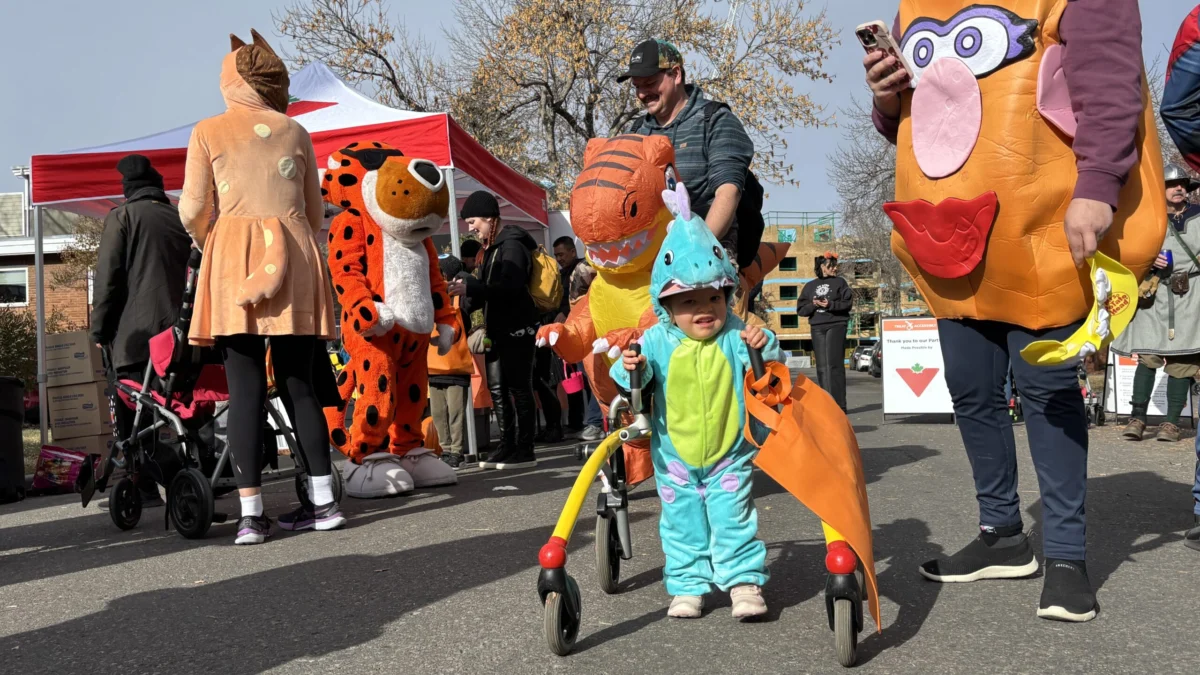
A powerful national movement dedicated to fostering inclusive Halloween experiences for all children, regardless of their abilities, is celebrating its ninth year of operation. Treat Accessibly, an initiative that transforms traditional trick-or-treating into an accessible and joyful event, has significantly expanded its reach, impacting communities in 19 cities and towns across seven Canadian provinces this year. This milestone underscores a growing societal commitment to ensuring that the magic of Halloween is a universal experience, free from barriers.
The Genesis of a Movement: A Daughter’s Observation and a Father’s Vision
The origins of Treat Accessibly trace back to a seemingly simple observation in 2017, which ignited a profound shift in how communities approach Halloween. Rich Padulo, the visionary founder, recounts the pivotal moment: "My daughter was putting pumpkins on our stairs. It was 2017. She looked up and like any six-year-old, she thought about things nobody else does. And she said, ‘How does that little boy that she saw using a wheelchair trick-or-treat at our home?’" This innocent yet incisive question from a six-year-old catalyzed an immediate call to action for Padulo and his family. The realization that their home, like countless others, presented an insurmountable barrier for children with mobility challenges, sparked a mission.

"We immediately jumped into planning," Padulo recalls. "That Halloween, a week later, we handed out treats from the end of our driveway. It was a small act, but the impact was immediate and heartwarming. That is the movement that we’ve carried on." What began as a personal effort to accommodate one child’s experience quickly blossomed into a nationwide campaign. The core principle was elegantly simple: bring the treats to the trick-or-treaters, eliminating obstacles like stairs, narrow pathways, or crowded doorsteps. This fundamental shift ensures that children using wheelchairs, walkers, or those with sensory sensitivities or neurological disabilities can participate fully and safely in the cherished Halloween tradition.
A Decade of Growth: From Driveway to National Phenomenon
The journey of Treat Accessibly from a single driveway in 2017 to a multi-provincial movement in 2026 is a testament to the power of community and a shared desire for inclusion.
- 2017: The Seed is Planted. The inaugural accessible trick-or-treating event takes place at the Padulo family home, setting a precedent for a more inclusive Halloween. The positive reception from families underscores the unmet need.
- 2018-2019: Local Expansion and Awareness. Word of mouth and local media attention help spread the concept within Padulo’s immediate community. More families begin adopting the "treat from the driveway" approach. Small community events and partnerships with local schools and disability organizations start to form. Educational materials, such as yard signs encouraging accessible treating, are introduced.
- 2020-2021: Navigating Challenges and Broadening Reach. Despite the global pandemic, the initiative adapts, emphasizing safe, outdoor, and distanced treating methods that inherently align with accessibility principles. The concept gains traction online, leading to inquiries from other cities. The first "official" Treat Accessibly streets begin to emerge in a handful of municipalities, demonstrating organized community effort.
- 2022-2023: National Recognition and Structured Growth. Treat Accessibly establishes a more formal organizational structure, developing resources, guidelines, and promotional materials for communities wanting to participate. Partnerships with national retailers and community groups help distribute accessible yard signs and increase public awareness. The movement expands into several provinces, driven by enthusiastic local organizers.
- 2024-2026: Significant Expansion and Institutional Partnerships. This period marks accelerated growth, with the initiative reaching 19 cities and towns across seven provinces. The concept evolves beyond individual driveways to include dedicated "Halloween Villages" in public spaces like museums, offering controlled, sensory-friendly environments. Strategic partnerships with cultural institutions, municipal governments, and local businesses become crucial for scaling efforts and creating large-scale accessible events. The initiative gains national media attention, solidifying its status as a significant annual event on the Canadian calendar.
This chronological expansion highlights not just the increasing number of participants but also the deepening sophistication of the initiative, moving from simple individual acts to complex, multi-stakeholder community events designed for maximum inclusivity.

The Crucial Need for Accessible Halloween: Supporting Data and Impact
The imperative behind Treat Accessibly is underscored by significant statistics regarding children with disabilities in Canada. According to data from Statistics Canada, approximately 4.7% of Canadian children aged 0-14 live with at least one disability, encompassing a range of conditions from mobility impairments to sensory processing disorders and neurological differences. For these children, traditional Halloween celebrations, often characterized by uneven sidewalks, multiple stairs, loud noises, flashing lights, and crowded spaces, can present formidable physical and sensory barriers.
"The goal is simple but profound," states Padulo. "It is to ensure children with mobility, sensory, and neurological disabilities can easily join in the festivities. For many families, Halloween has historically been a source of anxiety rather than joy, often leading to exclusion. Our movement aims to change that narrative entirely."
The impact of this inclusivity extends far beyond the mere act of collecting candy. Psychologically, participation in community events like trick-or-treating is vital for a child’s sense of belonging, self-esteem, and social development. When children with disabilities are excluded, it can foster feelings of isolation and difference. Treat Accessibly directly addresses this, providing a platform for genuine social integration.

One particularly poignant testimonial shared by Padulo illustrates this impact: "I had one dad race up to me to tell me that his daughter had never said anything to a stranger before saying ‘trick-or-treat’ at one of our villages. That moment of spontaneous interaction, born from a sense of safety and belonging, is what we strive for. It’s about creating opportunities for joy and connection that might otherwise be missed." These instances highlight the profound developmental and emotional benefits of such initiatives, offering children with disabilities a chance to experience childhood traditions on par with their peers.
Voices from the Frontlines: Community Organizers and Participants
The success of Treat Accessibly is deeply rooted in the dedication of local organizers and the enthusiastic participation of communities across the country. This year, the initiative has seen remarkable engagement, particularly in the Maritimes, with special events designed to maximize accessibility.
In Moncton, New Brunswick, the concept of a "Halloween Village" has transformed the trick-or-treating experience. Amanda Martin, a lead organizer for the Moncton event, describes the innovative approach: "We are New Brunswick’s only Treat Accessibly Halloween Village. So this Saturday, our event will demonstrate what an accessible Halloween can look like. Instead of facing stairs, closed doors, children are going to visit decorated community stations inside the Resurgo Place museum." This indoor, controlled environment is particularly beneficial for children with sensory sensitivities, offering a predictable and less overwhelming experience, while also protecting them from adverse weather conditions. The partnership with Resurgo Place, a cultural and scientific center, showcases how existing community infrastructure can be creatively repurposed to serve inclusive goals.

Meanwhile, in Nova Scotia, the spirit of neighborhood-level accessibility shines bright. Southampton Drive in Cole Harbour has been designated as Halifax’s official Treat Accessibly Halloween street. Calum Sencabaugh, the enthusiastic street captain, details the community’s commitment: "Beginning at 4 p.m. on Halloween night, 22 homes on this loop street will bring their treats to the end of their driveways to make trick-or-treating more accessible for people with mobility challenges." This collective effort transforms an entire street into a barrier-free zone, fostering a visible demonstration of community solidarity. Sencabaugh emphasizes the reciprocal joy derived from participation: "Just the joy and delight that they experience mixed with the parents’ gratitude of not having to worry about their children’s happiness for a night – it makes it all worth it." These localized efforts, whether in a museum or on a residential street, embody the core ethos of Treat Accessibly: small, thoughtful adjustments can yield immense positive outcomes.
Broader Implications: A Catalyst for Societal Inclusion
The growth and sustained success of Treat Accessibly carry significant broader implications, extending beyond the single night of Halloween. This movement serves as a powerful catalyst for a more inclusive society, highlighting the ease with which communities can adapt to accommodate diverse needs.
- Shifting Perceptions of Accessibility: Treat Accessibly demystifies accessibility, demonstrating that it doesn’t always require complex, expensive overhauls. Often, it’s about simple, thoughtful adjustments and a willingness to engage. This grassroots approach encourages individuals to think about accessibility in their everyday lives, not just as a regulatory requirement but as a fundamental aspect of community living.
- Empowering Grassroots Action: The initiative proves that significant societal change can be driven by ordinary citizens. Rich Padulo’s initial idea, fueled by a child’s question, has inspired thousands to act. This model of community-led engagement can be replicated for other events and public spaces, fostering a culture of proactive inclusion.
- Fostering Empathy and Awareness: By making accessibility visible and tangible, Treat Accessibly cultivates empathy within communities. When neighbors actively participate in creating an accessible Halloween, it increases their understanding of the challenges faced by families living with disabilities, promoting a more compassionate and understanding society.
- A Blueprint for Other Celebrations: The success of accessible Halloween villages and streets offers a blueprint for adapting other holiday celebrations and community events. Imagine accessible Christmas light tours, inclusive Easter egg hunts, or barrier-free summer festivals. The principles established by Treat Accessibly are universally applicable.
- Collaboration and Partnerships: The movement demonstrates the power of collaboration between individuals, community groups, businesses, and municipal entities. The involvement of museums like Resurgo Place, local residents on Southampton Drive, and countless volunteers underscores a collective commitment to shared values. These partnerships strengthen community bonds and create a more resilient social fabric.
- Advocacy for Systemic Change: While a grassroots movement, Treat Accessibly indirectly advocates for broader systemic changes. Its visibility highlights the existing gaps in accessibility in public infrastructure and event planning, subtly pressuring authorities and organizations to consider universal design principles in their long-term strategies.
Looking Ahead: Sustaining the Momentum

As Treat Accessibly enters its ninth year, the challenge lies in sustaining its impressive momentum and expanding its reach even further. Key areas for future development include:
- Increased Volunteer Engagement: Recruiting and retaining a dedicated network of volunteers will be crucial for managing the growing number of participating communities and events.
- Resource Development: Creating more comprehensive guides and toolkits for new communities to easily adopt the Treat Accessibly model.
- Strategic Partnerships: Forging deeper collaborations with national organizations, corporate sponsors, and government bodies to secure funding and logistical support.
- Year-Round Awareness: Moving beyond a single annual event to promote accessibility awareness throughout the year, integrating its principles into various community activities.
Rich Padulo concludes with a hopeful vision for the future: "Our dream is that one day, Treat Accessibly becomes obsolete because every home and every community inherently designs its celebrations to be inclusive from the start. Until then, we will continue to champion this cause, ensuring that every child knows the pure, unadulterated joy of Halloween." The movement stands as a powerful reminder that true community spirit lies in ensuring that no one is left behind, especially when it comes to the simple joys of childhood. The ninth year of Treat Accessibly is not just a celebration of its growth but a reaffirmation of a national commitment to a more accessible and equitable future for all.