admin
admin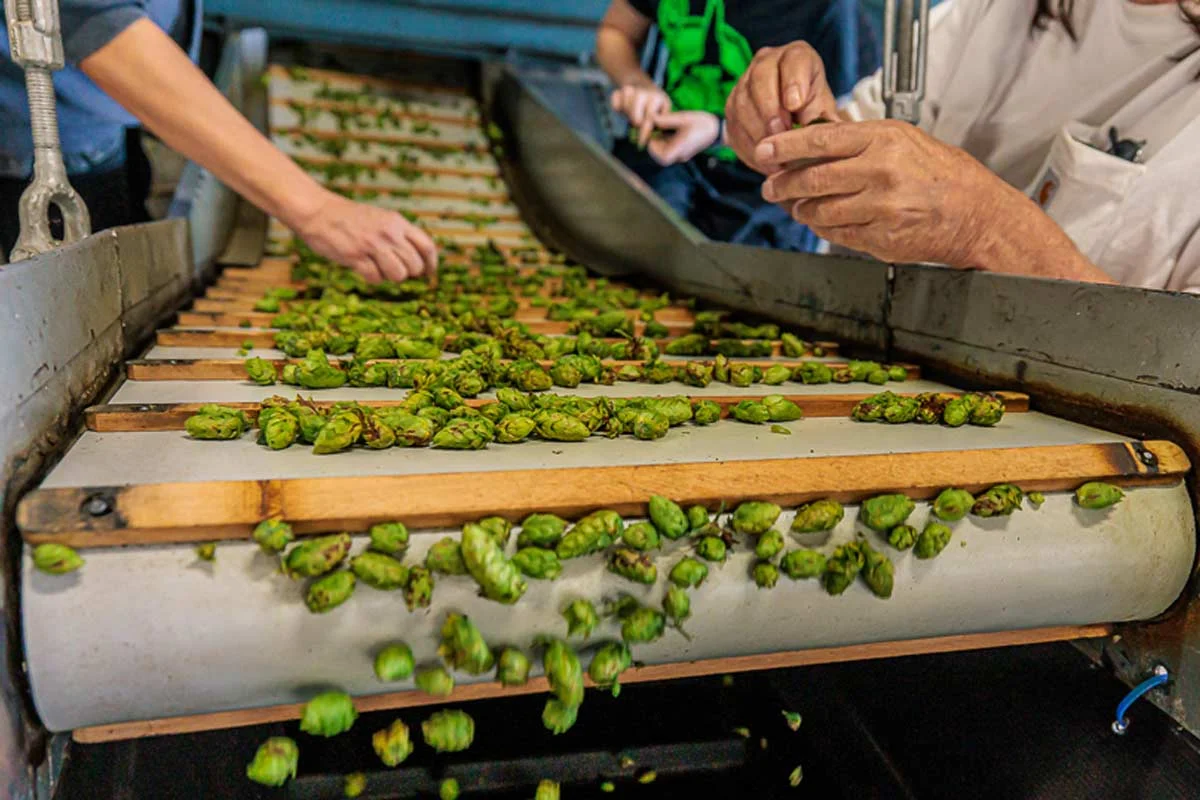
While Michigan currently holds the distinction of being the top hop-producing state in the Great Lakes region and ranks fourth in the United States for total hop acreage, the face of the industry has historically been portrayed as a male-dominated landscape. However, a deeper investigation into the infrastructure of the state’s agricultural success reveals a sophisticated network of women spearheading critical operations. From the laboratory-grade precision of greenhouse propagation and integrated pest management to the complex logistics of harvest orchestration and land stewardship, women are increasingly the primary drivers of Michigan’s $30 million hop industry. Despite their pivotal roles, many of these leaders have remained behind the scenes, navigating a market that is currently balancing rapid growth with the pressures of climate change and shifting consumer demands.
The Geographic and Geological Foundations of Michigan Hops
The resurgence of the Michigan hop industry is not a matter of chance but a result of specific environmental conditions that align with the 45th parallel. This latitudinal "sweet spot" provides the precise photoperiod required for hop development—specifically, the long, sun-drenched summer days necessary for vegetative growth and the cold winter nights essential for the plants to enter a restorative dormancy.
The state’s unique geological history further supports this specialized agriculture. The retreat of glaciers during the last Ice Age left behind well-drained, sandy-loam soils that prevent the "wet feet" (root rot) to which hops are particularly susceptible. Unlike traditional vines that utilize tendrils, hops are "bines," using stout, hooked hairs to climb clockwise around twine. In a single Michigan season, these bines can reach heights of 20 to 25 feet, growing as much as 12 inches in a 24-hour period during the peak of the summer solstice.
The Scientific Infrastructure: Research and Pest Management
The commercial viability of Michigan hops is heavily reliant on the academic and field support provided by Michigan State University (MSU). At the center of this support system is Erin Lizotte, MSU’s integrated pest management (IPM) coordinator and senior statewide educator. Lizotte serves as a primary bridge between laboratory research and field application, helping growers navigate the myriad biological threats that can decimate a crop, such as downy mildew and two-spotted spider mites.
As climate patterns shift, Lizotte’s role has expanded to include advising on "climate-smart" agriculture. The increase in erratic weather events—ranging from early spring thaws to prolonged summer heatwaves—requires a data-driven approach to pesticide application and irrigation. Lizotte’s work with the MSU Plant and Pest Diagnostics lab provides farmers with the empirical data needed to make high-stakes decisions regarding chemical approvals and crop protection, ensuring that Michigan’s harvest meets the stringent quality standards required by modern craft brewers.
Propagation and the Clean Plant Protocol
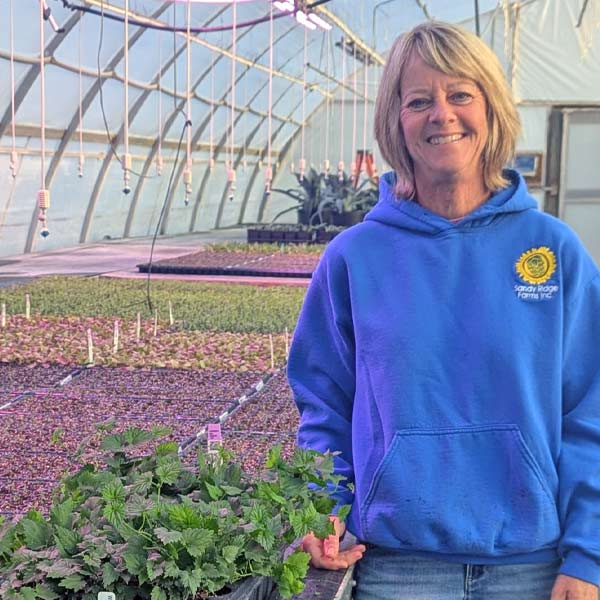
The industry’s growth is also dependent on the foundational work of propagators like Julie Kane of Sandy Ridge Farms. With over two decades of experience in the greenhouse sector, Kane took the lead in hop propagation in 2008, a year that marked a turning point for Michigan’s craft beer movement.
Kane’s operation adheres to the "Clean Plant" protocol, a rigorous scientific standard designed to eliminate viruses and viroids that can be passed through plant cuttings. By starting with virus-free mother plants from the National Clean Plant Network, Kane ensures that the industry is built on a healthy genetic foundation. This work has become increasingly difficult as summer temperatures inside greenhouses have begun to exceed 100 degrees Fahrenheit, necessitating advanced shade cloth technology and intensified fungicide applications. Kane’s success in this male-dominated field was initially met with skepticism, but her reputation for producing superior starter stock has made her an indispensable figure in the state’s agricultural supply chain.
Stewardship and Sensory Development at Bell’s Brewery
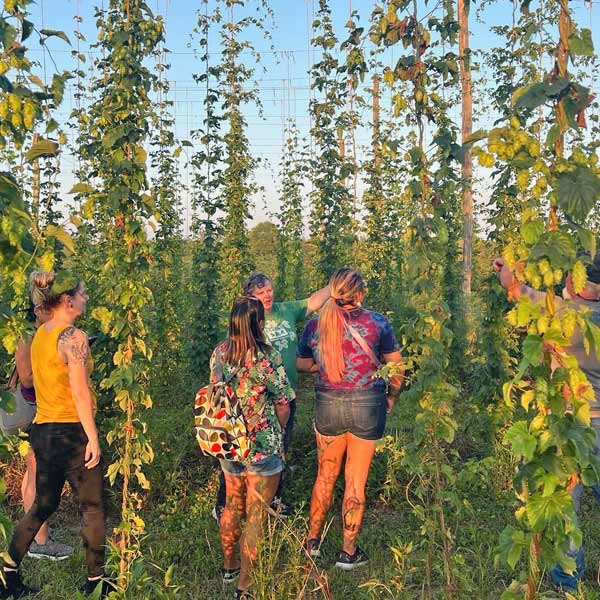
In the heart of Michigan’s brewing scene, Bonnie Steinman and Elizabeth Mullins manage the hop operations for Bell’s Brewery in Comstock. Steinman, a veteran horticulturist, transitioned from a backyard experimenter to a co-founder of Hop Head Farms before taking on the role of land steward at Bell’s. Her approach combines rigorous pest management with an emphasis on sensory development—a practice she learned under the mentorship of former Bell’s VP of Operations, John Mallett.
The "rub and smell" technique is a critical component of their harvest strategy. By monitoring the transition of Chinook hops from grassy to fruity and finally to resinous oils, Steinman and Mullins determine the exact moment of peak maturity. Beyond the two-and-a-half-acre hop yard, they manage a broader ecosystem that includes an employee garden and a butterfly waystation. This holistic approach to land management, known as stewardship, ensures that the brewery’s agricultural footprint remains sustainable while providing a lush, immersive environment for the community.
Engineering Efficiency: The Industrial Approach to Farming
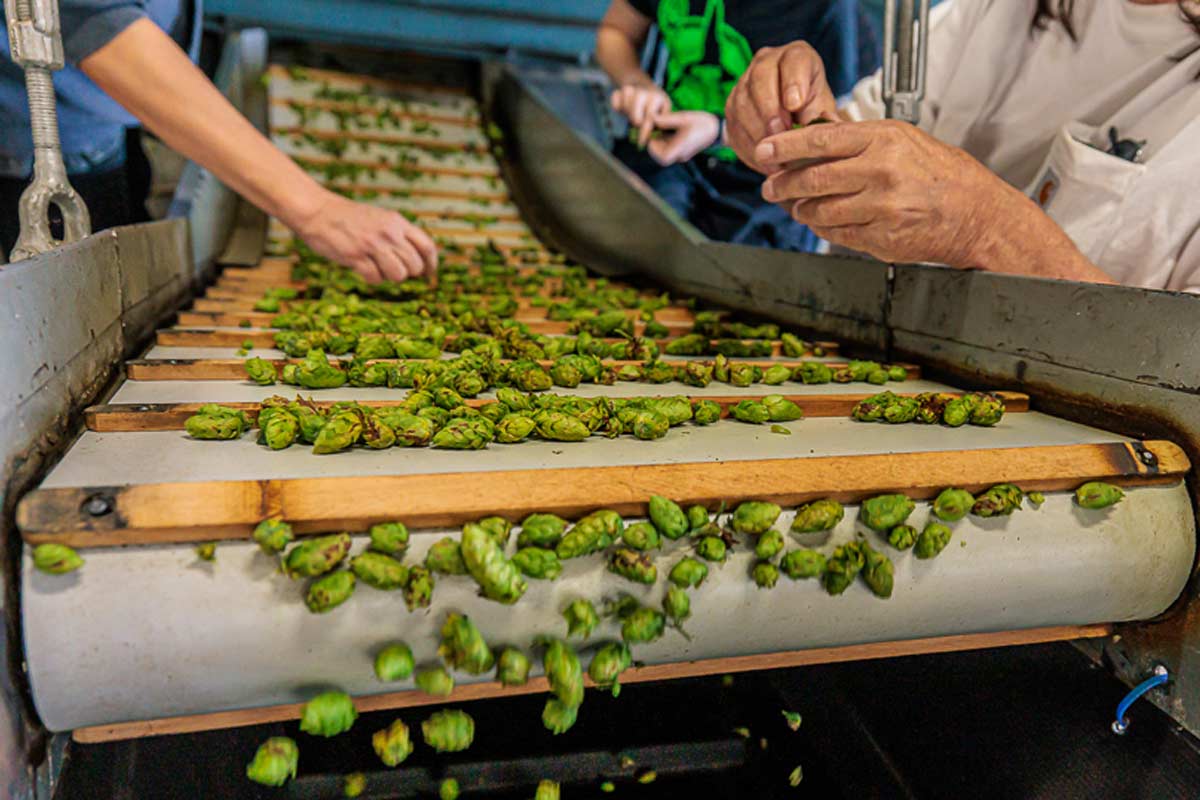
The transition of hops from the field to the brewery requires a level of organizational discipline often associated with manufacturing. Mel Trowbridge, an automotive engineer with 40 years of experience in quality control, has applied these industrial principles to Top Hops Farm in Goodrich.
Trowbridge has implemented a process-driven model where every workday concludes with a team debrief, a practice borrowed from the factory floor to identify inefficiencies and successes. During the harvest, Trowbridge acts as an orchestrator, managing the delicate balance of labor schedules and equipment maintenance. Her background in engineering has allowed her to view the farm as a complex system where "wrestling the jungle" of mature bines requires not just physical labor, but structural intention and rigorous training.
The Michigan Chinook: Branding a Regional Identity
One of the most significant challenges facing the Michigan hop industry is establishing a brand identity that distinguishes it from the dominant Pacific Northwest (PNW) market. Rose Stahl, co-owner of Mr. Wizard’s Hops, has been a key advocate for this regional branding through her work with the Chinook Cup.
The Chinook hop, while grown elsewhere, takes on a distinct character in Michigan’s soil. Unlike the resinous, pine-heavy Chinook of the PNW, the Michigan-grown variety is noted for its pineapple and bright citrus notes. Since 2017, the Chinook Cup, hosted by the Hop Growers of Michigan, has served as a platform for growers to showcase this unique terroir. Stahl’s journey—from losing a cornfield to a flood to becoming a leader in the hop community—exemplifies the resilience and adaptability of Michigan’s independent farmers.
Economic Realities and the "Unseen" Labor Force
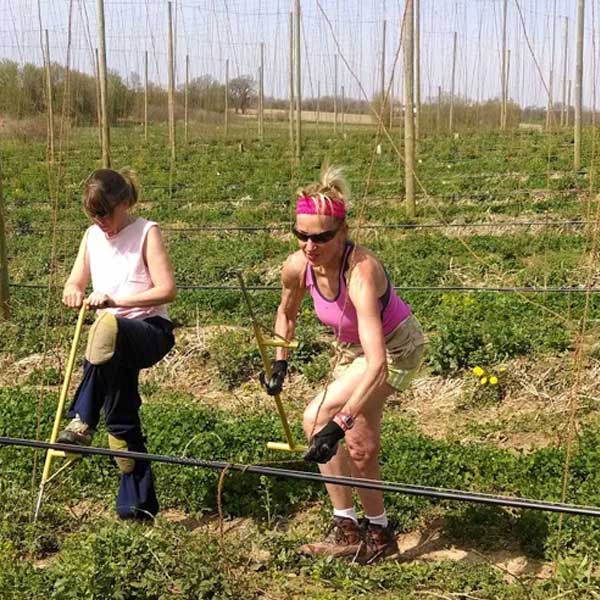
The economic landscape for hops has become increasingly complex. Following a period of rapid expansion driven by the craft beer boom of the 2010s, the market has seen a period of contraction. Small and independent growers are now facing labor shortages and rising input costs. Amy Tennis of the Michigan Hop Alliance points out that much of the labor keeping these farms afloat is performed by women whose contributions are frequently overlooked in public-facing narratives.
Tennis highlights a common pattern in family-owned operations: while men may represent the farm at industry events, women often manage the "invisible" infrastructure, including grant applications, bookkeeping, irrigation management, and regulatory compliance. This administrative and operational labor is what allows Michigan farms to remain competitive in a global market dominated by large-scale producers in Washington and Oregon.
Analysis of Implications and Future Outlook
The evolution of the Michigan hop industry reflects a broader shift in American agriculture toward specialization and regionalism. The involvement of women in high-level research, propagation, and operations has provided the industry with a diverse set of skills—ranging from scientific rigor to industrial efficiency—that are essential for long-term survival.
However, the industry faces significant headwinds. Climate change remains the most pressing threat, as erratic weather patterns disrupt the predictable cycles required for high-quality hop production. Furthermore, as the craft beer market matures, the demand for local hops will depend on the ability of growers to consistently deliver a product that offers a unique sensory profile.
The work of Nicole Shriner and other researchers at MSU suggests that Michigan’s future lies in its ability to carve out a "terroir-based" identity. By focusing on varieties like the Michigan Chinook and maintaining high standards of plant health through the Clean Plant protocol, the state can sustain its position as a national leader. The women currently leading these efforts are not just workers in the field; they are the strategists and scientists ensuring that the "Michigan Hop" remains a mark of quality and distinction in the global brewing industry.
As the story of Michigan hops continues to be written, the visibility of its female leaders will likely increase, reflecting the reality of a modern agricultural sector that relies as much on the laboratory and the ledger as it does on the tractor and the twine. Their continued leadership will be the deciding factor in whether Michigan can maintain its status as the "Great Beer State" in an era of environmental and economic uncertainty.