admin
admin
The landscape of American craft brewing has long been defined by a relentless pursuit of aromatic complexity, yet few ingredients have undergone as significant a reputational and technical transformation as the banana. Once relegated to the yeast-driven esters of traditional German wheat beers, the fruit has become a central component in the burgeoning "pastry stout" and "hard smoothie" categories. This evolution has forced brewers to navigate a complex web of chemical engineering, international supply chains, and federal regulations to deliver the specific, high-intensity flavor profiles that modern consumers demand.
The modern era of banana-centric brewing is perhaps best exemplified by the experience of DankHouse Brewing in Newark, Ohio. Founded in 2017 by Josh and Heather Lange, the brewery found itself in a technical quandary just days before the 2020 Juicy Brews IPA Festival in Pittsburgh. Their signature hazy IPA, Banana Peel’d, required a more robust fruit profile than their existing process could provide. After experimentation with store-bought fruit resulted in unappetizing oxidation and dried chips failed to deliver the necessary punch, the Langes discovered that the aseptic purees used by large-scale commercial operations shared a nearly identical profile with consumer-grade baby food. The subsequent "scooping party," involving jars of Gerber banana puree sourced from every grocery store within a 40-mile radius of Columbus, highlighted the lengths to which independent brewers must go to achieve specific sensory targets.
The Chemical and Historical Divergence of Banana Aromas
To understand why brewers struggle with banana flavors, one must look to the history of global agriculture. For much of the early 20th century, the Gros Michel (or "Big Mike") was the dominant banana cultivar in the Western market. The Gros Michel was characterized by a high concentration of isoamyl acetate, a fruity ester that provides the pungent, sweet aroma often associated with "artificial" banana flavorings found in candies like Runts or Laffy Taffy.
In the 1950s, a fungal outbreak known as Panama disease decimated Gros Michel plantations, leading to the global adoption of the Cavendish variety. The Cavendish, while more resistant to disease, contains significantly lower levels of isoamyl acetate. This botanical shift created a permanent sensory disconnect for the public: the "real" fruit found in grocery stores lacked the aromatic intensity of the "artificial" flavor, which was actually based on the extinct Gros Michel profile.
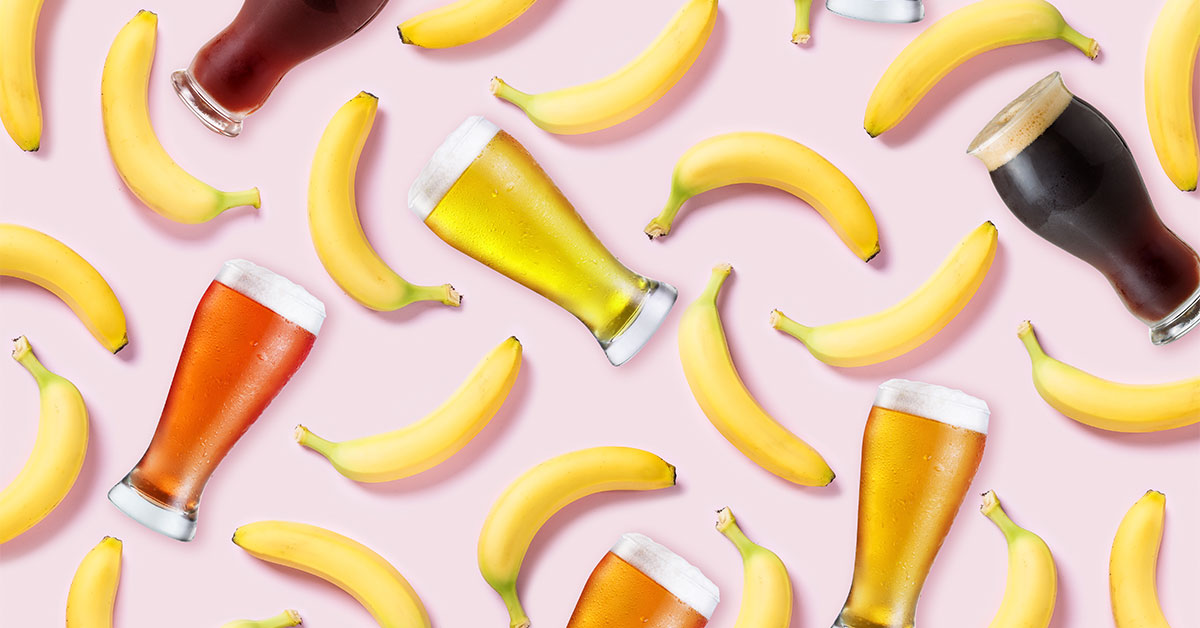
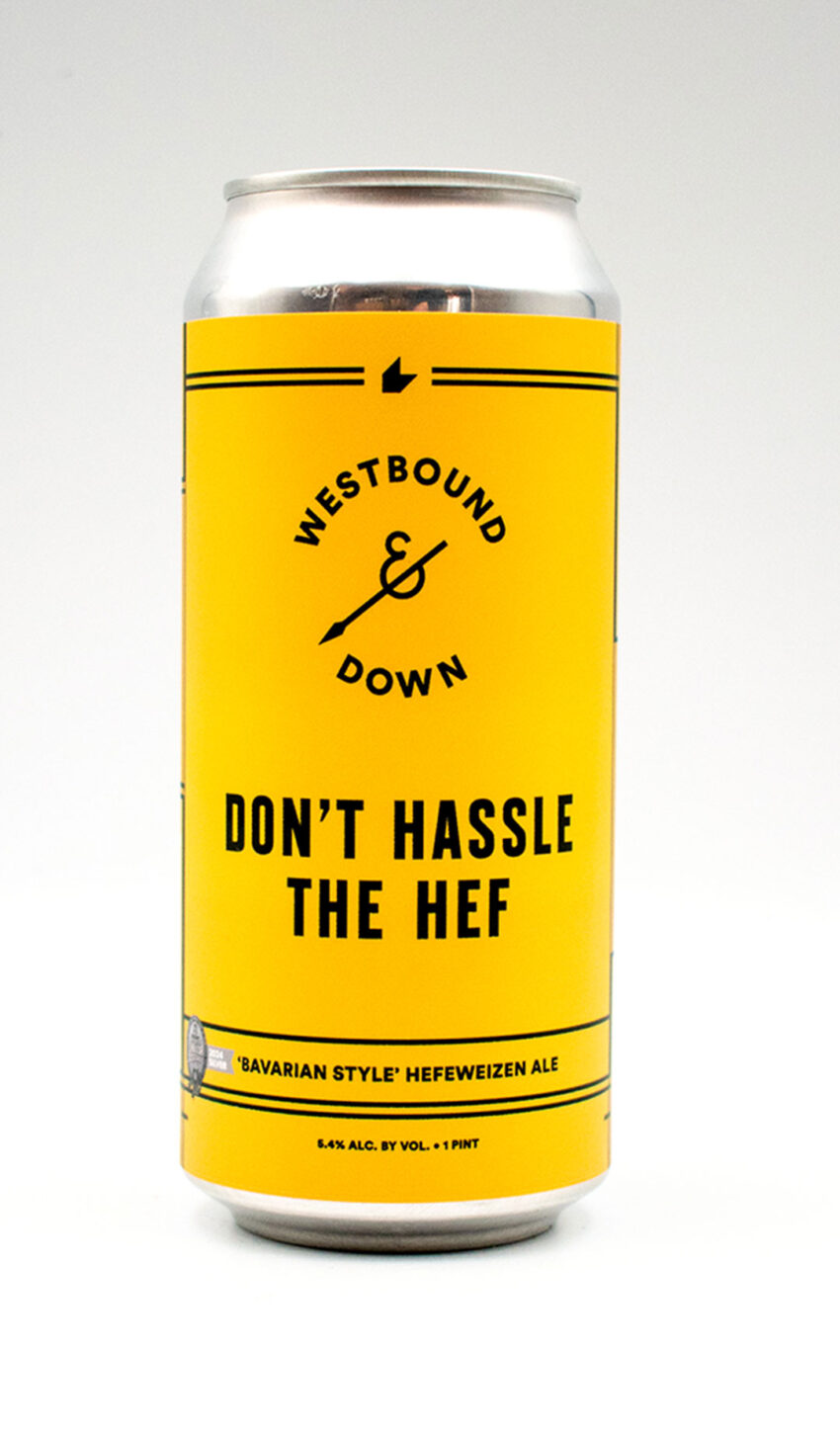
In brewing, isoamyl acetate is a natural byproduct of fermentation. While it is considered an "off-flavor" in most lagers and pales, it is the defining characteristic of the German Hefeweizen. However, achieving this scent through yeast alone requires precise, often counterintuitive, brewing techniques. Derek Goodman, head brewer at Westbound & Down Brewing in Colorado, notes that his award-winning "Don’t Hassle the Hef" relies on "stressing" the yeast. By under-pitching the yeast—using only one-third of the recommended amount—and limiting oxygen, brewers force the yeast to reproduce rapidly, a metabolic process that triggers the overproduction of fruity esters.
Regulatory Shifts and the Formalization of Fruit Brewing
For years, the inclusion of bananas in commercial beer was hindered not just by chemistry, but by federal bureaucracy. Until late 2023, the Alcohol and Tobacco Tax and Trade Bureau (TTB) classified bananas as a non-traditional brewing ingredient. This designation required breweries to submit "formula exemptions" for any recipe involving the fruit, a process that could add weeks or months to production timelines.
In a significant regulatory victory for the craft industry, the TTB expanded its list of exempt ingredients in late 2023, finally recognizing bananas—along with several other fruits and spices—as traditional components that do not require specialized formula approval. This change has lowered the barrier to entry for small breweries looking to experiment with seasonal fruit releases, coinciding with a measurable uptick in consumer interest. Data from yeast suppliers like Bootleg Biology and Spot Yeast indicate that Hefeweizen strains are currently the second best-selling products in their catalogs, trailing only the ubiquitous hazy IPA yeasts.
The Rise of Exotic Adjuncts: The Wild Thai Banana
As the "pastry stout" movement gained momentum in the late 2010s, brewers moved beyond yeast esters and standard purees toward more concentrated sources of flavor. The emergence of the wild Thai banana as a "Grand Cru" ingredient has redefined the upper echelon of barrel-aged stouts.
Rodrick Markus, CEO of Rare Tea Cellar in Chicago, began importing these fructose-rich, dried bananas over a decade ago. While originally intended for the culinary market, they became a lifeline for his business during the COVID-19 pandemic as breweries like Other Half and Evil Twin sought them out for imperial stouts. Unlike fresh purees, which add significant water content and can introduce fermentation flaws or sulfur off-flavors, dried Thai bananas provide a concentrated, jam-like sweetness without altering the beer’s body or diluting its alcohol content.
However, the use of such premium ingredients comes with a steep economic cost. Matt Tarpey, co-founder of The Veil Brewing in Richmond, Virginia, notes that achieving the desired "crazy banana character" requires upwards of 10 pounds of dried fruit per barrel. With market prices hovering around $50 per pound—compounded by a 35% tariff on Thai imports—the ingredient cost alone can exceed $500 per barrel. For luxury products like Sky Summoner, a barrel-aged stout conditioned on vanilla beans, coconut, and Thai bananas, the profit margins are razor-thin. Tarpey describes these projects as a "labor of love" rather than a primary driver of revenue.
Technical Challenges in Fermentation and Body
The physical properties of bananas present unique challenges in the brewhouse. Nick Panchamé, president of HOMES Brewery and the creator of the Smooj hard smoothie line, emphasizes the importance of timing. Adding banana puree during primary fermentation can lead to the "Cheetos dilemma," a term coined by Larry Horwitz of Crooked Hammock Brewery. When yeast is presented with the simple sugars found in fruit puree, it may "shut down" or ignore the more complex sugars in the malt, leading to incomplete fermentation and unstable final products.
To avoid this, many brewers now add banana products post-fermentation. This method preserves the fruit’s natural sweetness and contributes to a thicker, more "smoothie-like" mouthfeel. While this texture is highly popular among a specific subset of craft drinkers, it remains one of the most divisive trends in the industry. The high pectin content in bananas can create a viscous consistency that some traditionalists find unappealing, yet it is exactly this "body" that has allowed brands like Smooj to dominate the alternative fermented beverage market.
Market Implications and the Future of the Fruit
The diversification of banana-flavored beer reflects a broader shift in the beverage industry toward "flavor-forward" products. The success of events like the "Banana Brunch" at Nashville’s Fait La Force Brewing, which pairs ice cream with Hefeweizen, suggests that the line between craft beer and culinary dessert is continuing to blur.
From an economic perspective, the reliance on specialized ingredients like the wild Thai banana exposes the craft beer sector to the volatilities of global trade and climate change. As tariffs and supply chain disruptions fluctuate, breweries may be forced to choose between raising prices on already expensive limited releases or returning to more cost-effective methods, such as the "baby food" approach pioneered by DankHouse.
Despite these challenges, the consensus among industry leaders is that the banana’s role in brewing will only continue to expand. Whether through the meticulous manipulation of yeast metabolism in a traditional German style or the expensive infusion of imported dried fruits in a modern imperial stout, the fruit has moved from a misunderstood "off-flavor" to a versatile tool for aromatic innovation. As Larry Horwitz of Crooked Hammock aptly summarizes, despite the availability of high-tech purees and juices, there remains a fundamental, artisanal satisfaction in the process: "It just feels right to peel a banana and throw it in there."
The trajectory of banana-flavored beer serves as a case study for the modern craft movement: a blend of historical nostalgia, chemical curiosity, and a willingness to defy traditional brewing boundaries in favor of sensory impact. As the TTB regulations ease and global supply chains stabilize, the industry is likely to see even more sophisticated applications of this once-overlooked fruit.