admin
admin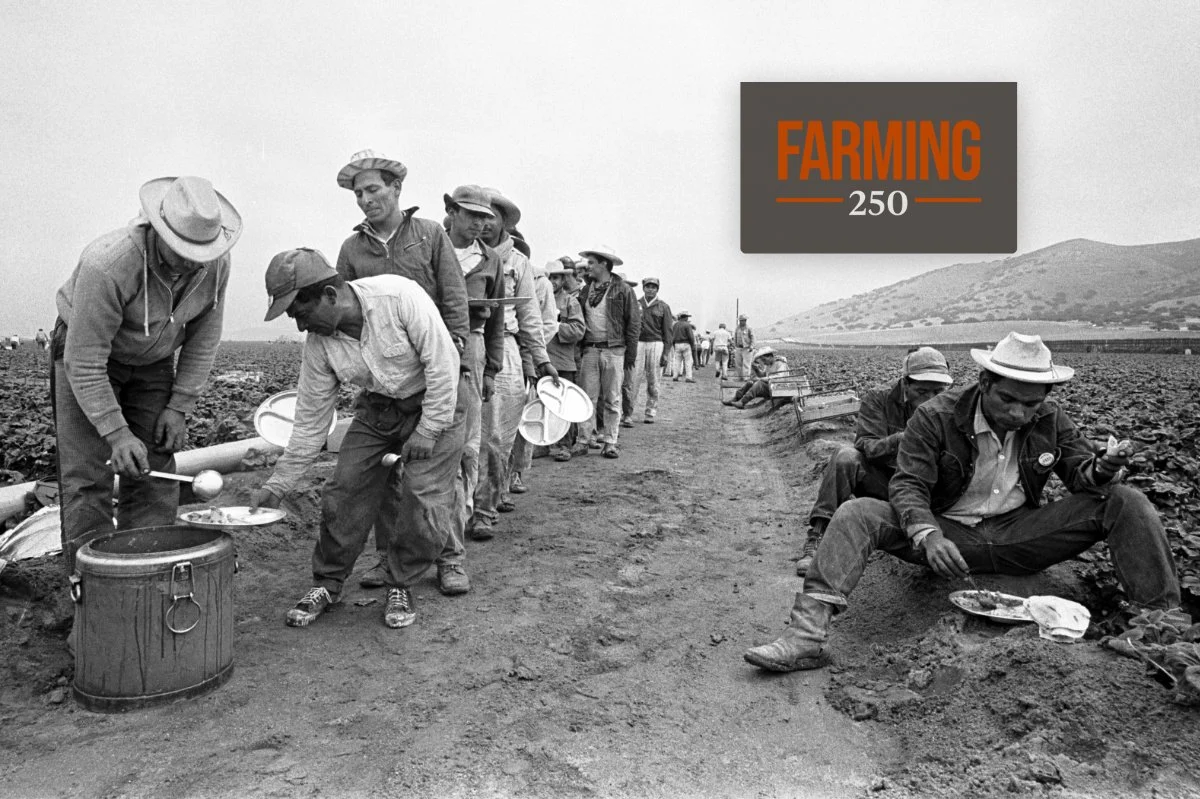
The backbone of American agriculture, the H-2A guestworker visa program, has witnessed an astonishing expansion over the past two decades, yet farms across the nation are grappling with unprecedented labor shortages. In 2005, approximately 50,000 individuals entered the U.S. through the H-2A program to work on farms. A decade later, by 2015, that figure had tripled to nearly 150,000. Fast forward to 2024, and the number has surged almost threefold again, approaching 400,000 workers, according to government data and industry reports. This exponential growth, from 50,000 to 400,000 in less than 20 years, presents a profound paradox: despite a massive influx of temporary foreign labor, U.S. agricultural producers report greater difficulty than ever in securing a stable workforce.
This deepening crisis is not singular in its origin but rather a confluence of several intricate, overlapping trends. Key among these are the increasing consolidation of farms into larger, more industrialized operations, significant shifts and restrictions in U.S. immigration policy, and a persistent decline in the willingness of U.S. citizens to engage in demanding, often low-wage farm work. The agricultural sector, historically reliant on a flexible labor pool, finds itself in an increasingly precarious position. John Hollay, president and CEO of the National Council of Agricultural Employers (NCAE), articulated the sentiment prevalent among growers: "We’ve been an industry that has been labor challenged for a long time, but it absolutely has gotten more acute." This sentiment was echoed by House Agriculture Chairman G.T. Thompson (R-Pennsylvania), who, after touring farms nationwide in preparation for the upcoming farm bill, reported that labor shortages were cited by farmers more frequently than almost any other issue.
In response to this pressing concern, Chairman Thompson introduced a bill last month aimed at fundamentally transforming the H-2A program, proposing changes that would further broaden its scope and usage by farms and workers. This legislative approach, however, has drawn surprise and scrutiny from many agricultural observers. Despite its rapid expansion, the H-2A program is widely regarded within the industry as a "last resort" due to its inherent complexities and costs for employers, and its potential for exploitation for workers. Farmers often describe the program as cumbersome, expensive, and bureaucratic, citing extensive paperwork, housing requirements, transportation logistics, and wage regulations. Conversely, farmworker advocates frequently highlight concerns about potential abuses, given that employing farms often control a worker’s housing, transportation, and crucially, their legal right to live and work in the United States, creating an environment ripe for vulnerability and coercion. The central question remains: given these significant difficulties and criticisms, why are American farms increasingly compelled to rely on a program seen by many as deeply flawed?
A Deep Rooted History of Labor Exploitation and Immigration
The current state of agricultural labor in the U.S. cannot be understood without acknowledging its fraught and often exploitative history, a narrative deeply intertwined with race, power, and economic necessity. For centuries, American agriculture relied heavily on the forced labor of enslaved Africans and their descendants, particularly in the production of lucrative crops like sugar, tobacco, and cotton. By 1860, on the eve of the Civil War, an estimated 2.5 million enslaved individuals toiled in the sprawling cotton fields of the South, forming the backbone of the burgeoning American economy. Following the abolition of slavery, many formerly enslaved people remained tethered to the land through sharecropping, a system that, while ostensibly offering freedom, often trapped them in cycles of debt and dependency, perpetuating a form of coerced labor.
As the 20th century progressed, a gradual but profound shift occurred towards hiring immigrant populations to perform the arduous tasks of farm labor. This pattern often targeted individuals with the fewest resources and limited alternatives, making them particularly vulnerable. Mary Mendoza, a Penn State historian specializing in U.S.-Mexico borderlands, succinctly summarized this historical continuum: "American capitalism, especially in the agriculture industry, but also in general, rests on the bodies of racialized people, whether it’s forced labor through chattel slavery or coerced labor . . . really pulling from the poorest echelons of society." Mendoza, author of "Deadly Divide: How Insects, Pathogens, and People Defied the U.S.-Mexico Border," has extensively documented these patterns of migration and labor.
A significant precursor to the modern H-2A program was the Bracero program, a binational agreement between the U.S. and Mexico that brought approximately 4 million Mexican laborers to American farms between 1942 and 1964. Initiated during World War II, when the U.S. faced severe domestic labor shortages due to military mobilization, the program offered a temporary solution. Mexican officials, on their part, saw an opportunity to alleviate rural poverty and stimulate their economy through remittances sent home by these predominantly poor, often Indigenous, laborers. The Bracero program was highly selective, open only to young, healthy, landless men. They endured arduous journeys from across Mexico to processing centers, often waiting for days or weeks for medical examinations assessing their physical strength and calloused hands. If accepted, they were transported, sometimes in crowded, unsanitary cattle cars lacking basic amenities, to the U.S. border. Upon arrival, they faced further examinations by American doctors, sometimes under conditions that Mendoza notes "perpetuated the idea that Mexicans were dirty and diseased," despite the conditions being created by the process itself. Workers were infamously sprayed with DDT and other toxic chemicals, ostensibly for lice, before being presented to farmers who would physically inspect and select them.
Once deployed, Braceros worked in nearly every U.S. state, though with a higher concentration in the West. The work was grueling, and conditions were often deplorable, exacerbated by a severe lack of federal oversight. Inspectors frequently documented unsanitary housing, absence of running water, and other violations, but follow-up enforcement was rare, leaving workers vulnerable to exploitation. The program officially ended in 1964, largely due to growing criticism from labor unions and civil rights groups. A year later, Congress passed the Immigration and Nationality Act of 1965, which, while a landmark piece of legislation, introduced the first numerical limits on immigration from Latin America. This policy shift, as Mendoza highlights, marked a significant push to "increasingly control the border, which leads us to where we are today."
The tighter border controls, however, did not halt migration from Mexico and Central America; instead, it redirected it, often forcing individuals seeking agricultural work in the U.S. to do so without legal authorization. This trend intensified in the 1990s with the implementation of the North American Free Trade Agreement (NAFTA). NAFTA’s provisions opened Mexican markets to heavily subsidized U.S. corn, causing the price of Mexican-grown corn to plummet by over 65 percent. This economic shock devastated millions of Mexican small farmers, driving them out of business and creating a massive pool of displaced individuals seeking economic opportunity elsewhere, often across the northern border.
The demographic shift in the U.S. agricultural workforce was dramatic. In 1990, just over half of U.S. crop farmworkers were immigrants, with roughly 14 percent lacking legal status. By 2000, these numbers had soared: more than three-quarters of crop workers were foreign-born, and over half lacked legal authorization. Parallel to these developments, the H-2A program, established within the Immigration Reform and Control Act (IRCA) of 1986, began its slow expansion. IRCA had attempted to address undocumented immigration through a combination of amnesty for some existing workers and employer sanctions, but its H-2A component offered a legal, albeit temporary, pathway for foreign agricultural workers. The program’s growth accelerated significantly after the September 11, 2001, terrorist attacks, as border security measures tightened further, making undocumented entry more perilous and alternative legal pathways scarce.
The Contemporary Landscape of Farm Labor
In recent decades, the composition and dynamics of the U.S. farm labor force have continued to evolve, influenced by shifting national leadership and immigration enforcement priorities. Today, the agricultural workforce is predominantly a mix of undocumented immigrants, immigrants with legal status and citizenship, and a rapidly increasing share of workers on H-2A visas, with U.S.-born workers constituting the smallest segment. In 2022, the U.S. Department of Agriculture (USDA) estimated that approximately 70 percent of crop farmworkers were born outside the U.S. The most recent USDA National Agricultural Workers Survey (NAWS) further clarified this, reporting that about 60 percent of surveyed crop workers hailed from Mexico, 6 percent from Central America, and 2 percent from other countries.
A critical finding from the NAWS is that foreign-born workers, on average, arrived in the U.S. about 20 years ago, with over 70 percent having resided in the country for at least 15 years. Furthermore, these workers are increasingly "settled" in one place, a stark contrast to the historical model of highly mobile migrant workers who followed seasonal harvests across the country. These demographic shifts are central to understanding why more farmers are turning to the H-2A program. As John Hollay of NCAE explained, "The domestic population that’s here in the United States that is still engaged in agriculture, they’re less mobile than they were before." This lack of mobility among the existing domestic farm labor force is exacerbated by the trend of farm consolidation, with large agricultural operations often located in regions where attracting a local workforce is challenging. For example, California’s Salinas Valley alone accounts for roughly 70 percent of U.S. lettuce production, a region requiring a massive, concentrated labor pool.
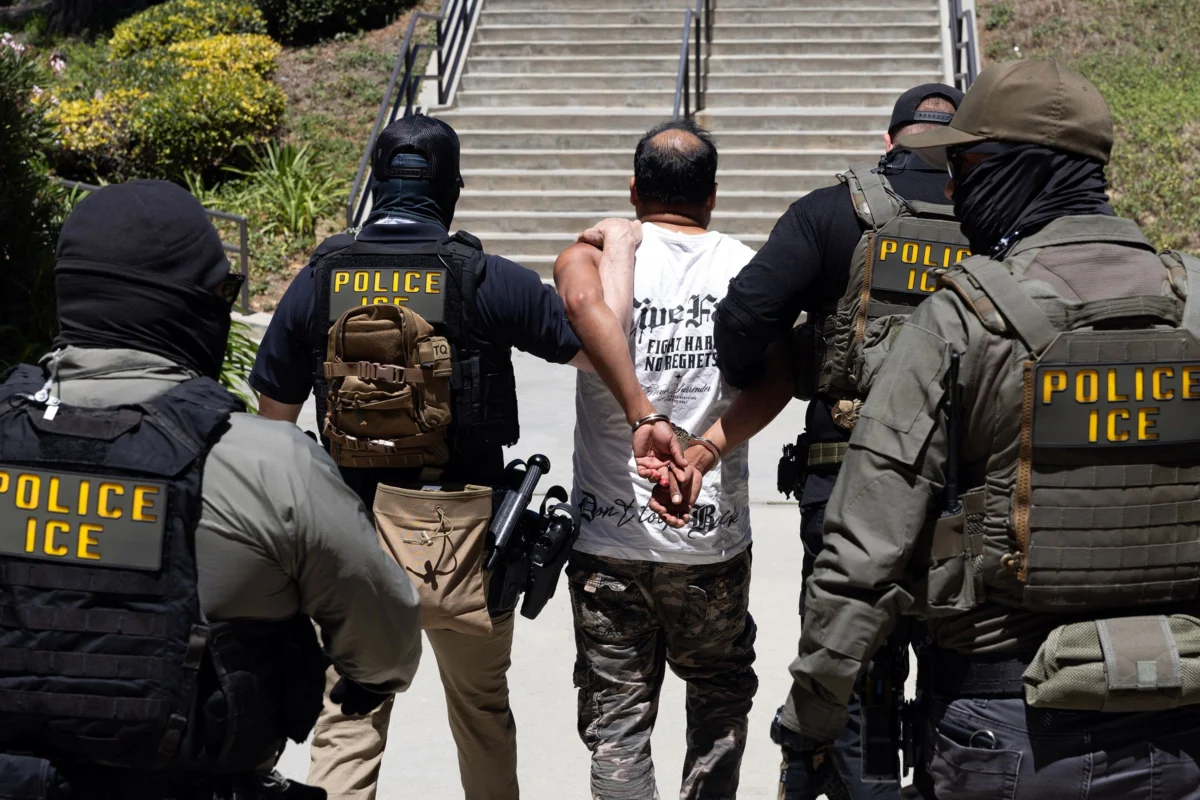
Compounding these issues, the existing immigrant farm labor force is aging, and fewer young people, regardless of their origin, are choosing to enter the demanding field of farm work. The harsh realities of the job – long hours, physically demanding tasks, exposure to chemicals, and often low wages with limited benefits – make it unattractive compared to other sectors. Moreover, under recent presidential administrations, particularly that of Donald Trump, heightened immigration enforcement has instilled widespread fear among farmworkers, leading many to avoid work or even leave the country, thus shrinking the available labor pool. Reports of increased detentions and deportations have turned some farm towns into "ghost towns," severely impacting agricultural productivity and local economies.
In 2022, Congress came tantalizingly close to passing a bipartisan farm-labor reform bill. This compromise legislation aimed to offer a pathway to legal status for some undocumented farmworkers already in the country, while simultaneously expanding and streamlining the H-2A program. The bill garnered significant support from a broad coalition of farm groups and farmworker advocates, a rare alignment in the often-contentious immigration debate. However, despite this consensus, lawmakers ultimately failed to secure enough votes to advance the bill, underscoring the formidable political hurdles to comprehensive immigration reform. In the absence of a viable alternative, H-2A has increasingly become a perceived necessity for farmers facing fields full of crops that require immediate harvesting. "It’s not something that farmers want to do," Hollay reiterated, "It’s something they have to do if they actually want to continue to harvest or plant. That’s just where things are at the moment."
The Future: Reform, Rights, and the Enduring Debate
While the H-2A program is generally considered more regulated and safer than its Bracero predecessor, especially with many mid-size fruit and vegetable farms cultivating long-term relationships with returning workers, exploitation remains a persistent and troubling issue. In recent years, the Department of Justice has brought human trafficking charges against farms that allegedly coerced H-2A workers into dangerous, unpaid labor in Georgia onion fields. Similarly, a group of H-2A workers filed a lawsuit alleging human trafficking against a Michigan blueberry farm. Organizations like Centro de Los Derechos del Migrante (CDM) have extensively documented common abuses within the program, including discrimination, wage theft, harassment, and pervasive safety violations, highlighting systemic vulnerabilities inherent in the guestworker model.
Under the former Biden administration, efforts were made to improve worker protections within the H-2A program. Changes were introduced that aimed to raise wages and implement new safeguards, such as enhancing housing standards, strengthening whistleblower protections, and clarifying grievance procedures. The USDA also launched a pilot program intended to explore more equitable and efficient ways for the program to operate for both workers and employers. However, this pilot has faced numerous delays and hiccups, hampered by funding freezes and grant program reviews, reflecting the bureaucratic challenges inherent in large-scale government initiatives.
The bill recently introduced by House Agriculture Chairman Thompson proposes significant and controversial changes to the H-2A program. The most substantial modification would allow for year-round hiring, fundamentally altering a program originally designed for seasonal agricultural labor. This shift has drawn strong opposition from farmworker groups and unions. Milton Jones, president of the United Food and Commercial Workers Union (UFCW), voiced concerns that the "Securing Agriculture’s Workforce Act will turn these stable, permanent jobs into temporary ones, leaving workers with less money to take home and spend in their local economies." This perspective highlights a core tension: while farmers seek year-round labor for perennial crops or livestock operations, unions fear such a change could depress wages and reduce job security for domestic workers by replacing permanent positions with temporary guestworker visas.
Thompson’s bill would also permanently roll back many of the Biden-era protections, aiming to streamline the paperwork-heavy application process for farmers. Critically, it would lower wages for workers and introduce charges for housing, which is currently provided by employers. Diego Lopez, director of the United Farm Workers Foundation, sharply criticized the bill, labeling it a "wish list for H-2A employers on the backs of workers." John Hollay, however, countered that under the previous wage formula, farmers were paying "inflated wages" within H-2A, and the proposed lower wages would be more reflective of market rates. He argued that the previous system was unsustainable, stating, "It can’t bankrupt the employers to the point where they can’t afford the workers, which is the path that we were on." (It’s worth noting that minimum H-2A wages vary by state; in 2025, the average stood at $18.12).
This ongoing debate starkly illuminates the deeply embedded tensions within American farm labor since its inception: a system that has consistently relied on the labor of individuals from other countries, yet often treats their presence and the value of their labor distinctly differently from that of U.S.-born citizens. Despite the critical role these workers play in ensuring the nation’s food supply, there is a pervasive consensus among stakeholders that agricultural policy pays insufficient attention to the fundamental question of who will perform this essential work, or to the welfare of the people who do it. While the comprehensive farm bill is typically renewed every five years, John Hollay lamented that no significant legislation addressing farm labor has successfully passed Congress since the 1980s. "Over all of those years," he observed, "we just didn’t think about what it would take to have the modern workforce to meet the modern agriculture system that we kept building."
Looking forward, historians like Mary Mendoza suggest that even given the complex and often troubled history of guestworker programs like Bracero, there are viable pathways for the H-2A program to be reformed to better serve farmworkers’ interests. Of course, she ultimately posited, "it would be even better to scrap it all together and have immigration reform." The legislative stalemate, characterized by the inability to pass comprehensive immigration reform that addresses both worker pathways to legal status and employer needs, leaves the agricultural sector in a perpetual state of uncertainty. The future of American agriculture, and indeed the security of its food supply, hinges on finding a sustainable, equitable, and humane solution to its enduring labor crisis. This will require not just policy tweaks, but a fundamental reevaluation of how the nation values the hands that feed it.