admin
admin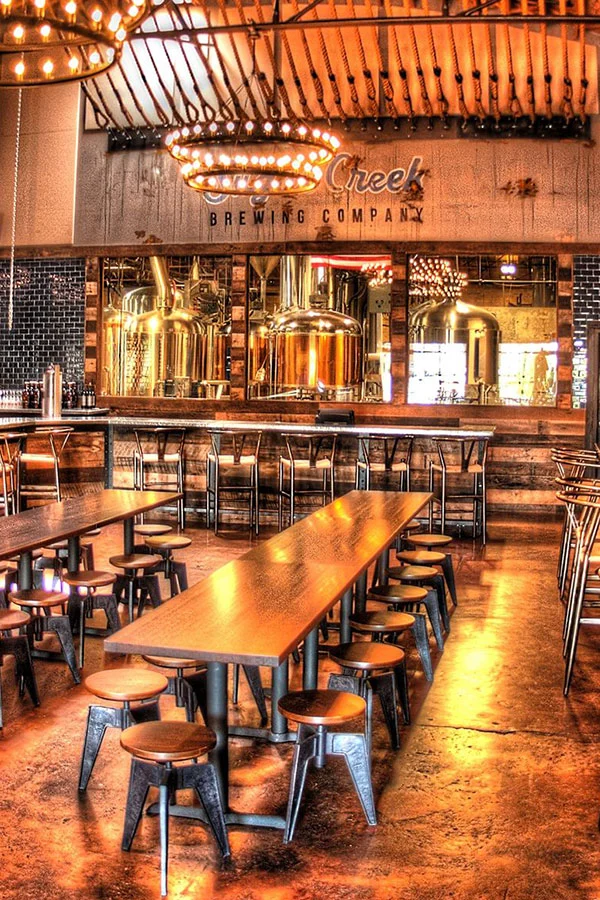
Artificial intelligence has transitioned from a niche computational tool to a defining technological, social, and economic force of the current decade, permeating sectors once thought to be the sole domain of human intuition and artisanal craft. While public discourse often focuses on AI as a threat to job security or a disruptor of white-collar industries, its integration into the world of craft brewing represents a significant shift in how tradition and technology converge. From the automation of quality control to the complex algorithmic generation of unique recipes, craft breweries across the United States are increasingly leveraging machine learning to optimize production and push the boundaries of flavor profile development.
The adoption of AI in the brewing sector is not merely a novelty but a strategic response to a highly competitive market where precision and innovation are paramount. As the industry evolves, the role of the brewer is being augmented by data-driven insights, allowing for a level of consistency and experimentation that was previously unattainable through manual methods alone.
The Evolution of Automation: From Sensors to Intelligence
The integration of technology in brewing is not a new phenomenon, but the sophistication of current tools marks a distinct departure from traditional automation. For decades, breweries have used programmable logic controllers (PLCs) to manage temperature and flow. However, the modern "smart brewery" utilizes the Internet of Things (IoT) and AI to create a feedback loop that monitors every stage of the packaging and fermentation process.
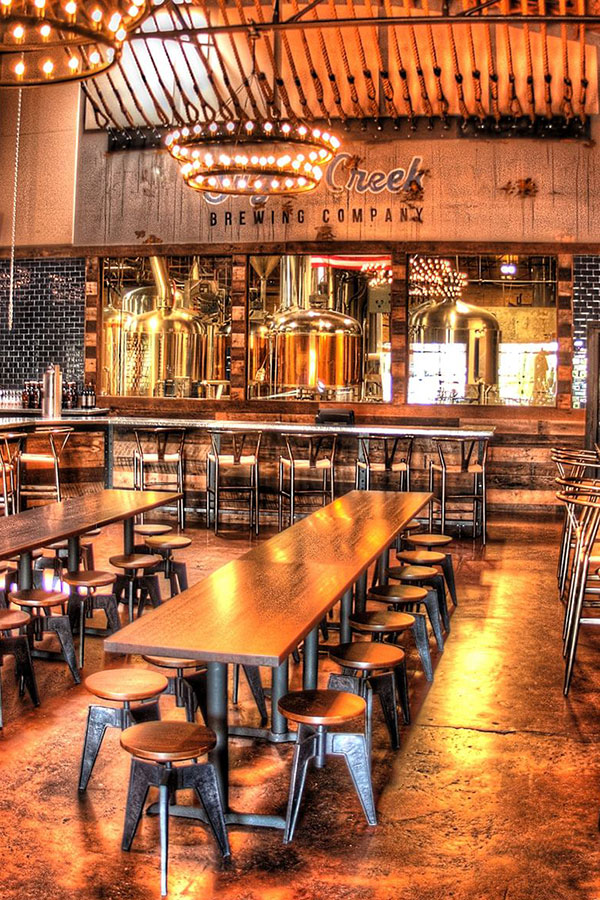
A primary example of this operational evolution is found at Sugar Creek Brewing Company in Charlotte, North Carolina. By employing a network of AI-enabled sensors and devices, the brewery can monitor the quality of its packaged beer in real-time. This system tracks critical variables such as fill levels, temperature fluctuations, and foam consistency. In traditional setups, excessive foaming during the bottling process—often referred to as "fobbing"—can lead to significant product waste and oxygen ingress, which compromises the beer’s shelf life. By using AI to analyze the data from the bottling line, Sugar Creek can identify the precise conditions that lead to inefficiencies, reducing waste and ensuring that every can or bottle meets rigorous quality standards.
This shift toward data-centric operations provides a significant economic advantage. According to industry reports, the global AI in the food and beverage market was valued at approximately $7 billion in 2023 and is projected to grow at a compound annual growth rate (CAGR) of over 38% through 2030. For craft brewers, who often operate on thinner margins than multinational conglomerates, the ability to reduce overhead through AI-driven efficiency is becoming a necessity rather than a luxury.
Algorithmic Alchemy: AI-Generated Recipes and Flavor Innovation
Beyond the logistics of the production line, AI is making significant inroads into the creative heart of the industry: recipe development. Brewers are now experimenting with Large Language Models (LLMs) and custom-built neural networks to conceptualize beers that defy traditional stylistic categories.
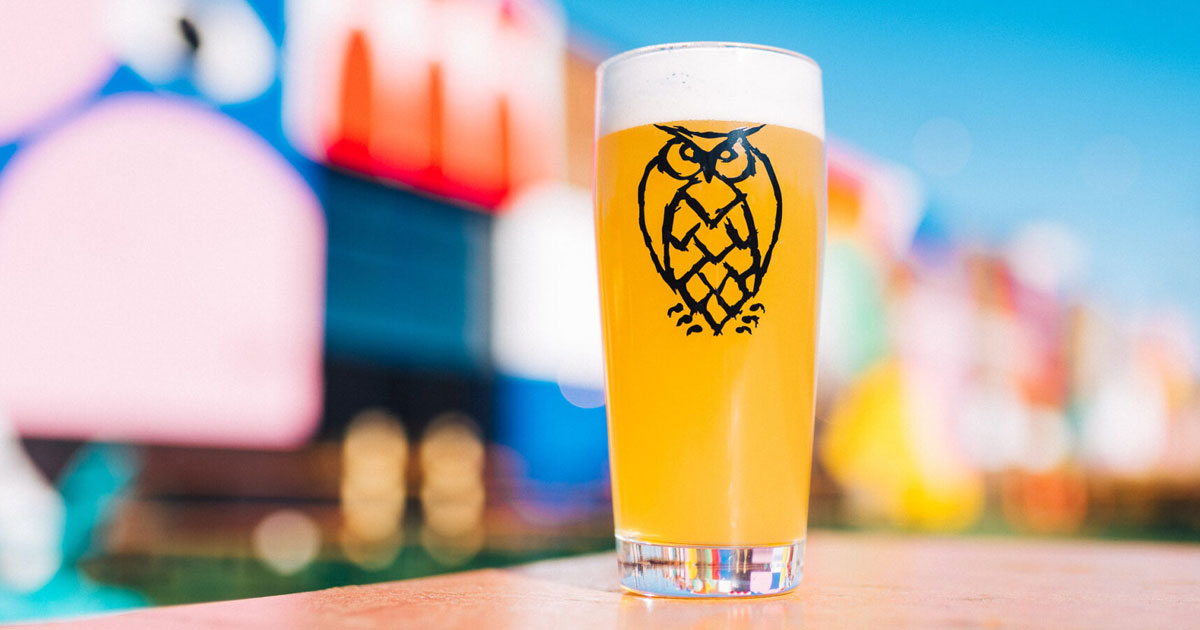
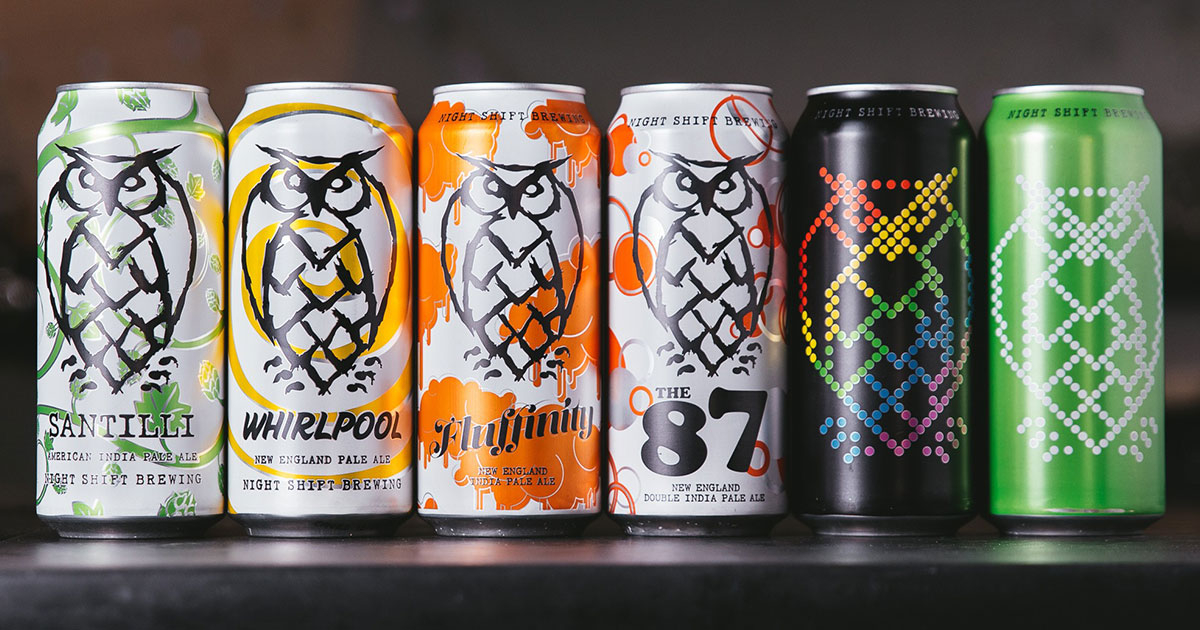
In Boston, Night Shift Brewing recently utilized OpenAI’s ChatGPT to develop a hazy IPA. Michael Oxton, the brewery’s co-founder, noted that the model was capable of generating a comprehensive brewing schedule, including a specific water mineral profile and hop additions. The AI’s ability to calculate a target water profile—a process that typically requires extensive research into chemistry and regional water characteristics—was completed in a fraction of the time usually required by human staff. The resulting "AI-PA" featured a complex profile of mango and watermelon with a citrusy finish, proving that AI could successfully interpret flavor descriptors into actionable chemical ratios.
Other breweries have followed suit with similar experiments:
- Asbury Park Brewery (New Jersey): Released an AI-generated IPA that focused on balancing traditional East Coast bitterness with modern hop aromatics.
- Atwater Brewing (Michigan): Utilized AI to refine the hop schedule for their own version of an AI-IPA, aiming for maximum efficiency in alpha-acid extraction.
- Urban Forest Craft Brewing (Illinois): Developed "Put the AI in sAIson," a beer that used machine learning to bridge the gap between traditional Belgian yeast characteristics and contemporary ingredient availability.
While these projects often begin as marketing experiments, they reveal a deeper potential for AI to act as a "creative catalyst." By analyzing thousands of existing recipes and consumer reviews, AI can suggest ingredient combinations that a human brewer might overlook due to cognitive biases or adherence to established style guidelines.
Custom Modeling and the Species X Project
While many brewers use off-the-shelf models like ChatGPT, some are developing proprietary systems tailored specifically to the nuances of fermentation science. The now-closed Species X Beer Project, founded by Beau Warren, represented the pinnacle of this technological immersion. Warren, who possesses a background in both microbiology and data analytics, developed seven distinct AI models to govern the brewery’s "Silicon Species" line of beers.
Warren’s approach involved training neural networks and regression models on proprietary data, including water chemistry, yeast attenuation rates, and hop oil compositions. These models were not merely suggesting ingredients; they were predicting how those ingredients would interact at a molecular level. One of the most notable outputs was an amber lager brewed with 100% Maris Otter malt—a choice that contradicts standard brewing logic, which typically reserves that specific malt for heavier ales like porters or stouts. The AI-driven hypothesis resulted in a balanced, commercially successful lager that challenged traditional brewing orthodoxies.
Furthermore, Warren’s "Beh3moth" model—a system with minimal parameters designed for maximum "creativity"—produced an imperial pastry Baltic porter. This recipe included a staggering array of 12 different malts, coffee, vanilla, three types of fruit, lactose, and marshmallows, finished with a dry-hopping technique usually reserved for New England IPAs. The success of such "insane" recipes suggests that AI can identify patterns in flavor balance that transcend human experience.
Enhancing Biodiversity in Brewing through Yeast Buddy
The role of AI also extends into the supply chain, particularly in the realm of yeast propagation. Propagate Lab, a Colorado-based facility, introduced "Yeast Buddy," an AI chatbot designed to help brewers navigate the complexities of yeast selection. With over 120 strains in their database, selecting the optimal yeast for a specific flavor profile can be a daunting task for even experienced brewers.
Matthew Peetz, founder of Propagate Lab, likens the tool to an automated library catalog. Instead of defaulting to "standard" yeast strains, brewers can input their desired esters, phenols, and attenuation levels, and the AI will suggest the best biological match. This democratizes access to rare or finicky yeast strains, encouraging greater biodiversity in the craft beer market and moving the industry away from a "one-size-fits-all" approach to fermentation.
The Human-in-the-Loop: Collaboration vs. Replacement
Despite the rapid advancement of these technologies, industry experts remain adamant that AI is a tool for augmentation rather than a replacement for human expertise. The "human-in-the-loop" philosophy is central to the successful integration of AI in craft beer.
There are several reasons why the "robot brewer" remains a distant prospect:
- Physical Limitations: AI can generate a recipe, but it cannot currently sense the physical state of a mash or the "smell" of a fermentation gone wrong. Human sensory evaluation remains the final arbiter of quality.
- Practical Adjustments: As noted by Night Shift Brewing, AI-generated recipes often require modifications based on the actual inventory of hops and malts available in the brewhouse.
- Guardrails and Ethics: Without human-coded parameters, AI might suggest recipes that are physically impossible to brew or that could damage equipment (e.g., suggesting a grain bill that would cause a "stuck mash").
- Data Dependency: AI is only as good as the data it is fed. Without humans to input new flavor trends, experimental hop varieties, and consumer feedback, the models would eventually become stagnant.
Beau Warren emphasized that AI "makes humans superhumans" by handling the heavy lifting of data processing, allowing the brewer to focus on the artistic and philosophical aspects of the craft.
Broader Implications and the Future of the Industry
The future of AI in craft beer is not without its challenges. The closure of Species X Beer Project serves as a reminder that even the most advanced technology cannot fully insulate a business from the broader economic pressures of the hospitality industry, such as rising rent, labor costs, and changing consumer habits.
However, the precedent has been set. As AI tools become more accessible and affordable, we can expect to see:
- Hyper-Personalization: Breweries using AI to analyze local taproom data to create small-batch releases tailored to the specific palate of their neighborhood.
- Sustainability Gains: AI-optimized brewing schedules that significantly reduce water and energy consumption, aligning the industry with global sustainability goals.
- Predictive Maintenance: AI systems that predict when a pump or cooling jacket is likely to fail, preventing costly downtime during peak production seasons.
In conclusion, the craft beer industry is entering an era of "techno-artisanship." While the heart of craft beer will always remain in the community and the physical act of brewing, artificial intelligence is providing the tools to ensure that the next pint is more consistent, more creative, and more efficiently produced than the last. The "Silicon Suds" revolution is not about replacing the brewer, but about providing them with a more powerful, data-driven "calculator" to unlock the next generation of liquid innovation.