admin
admin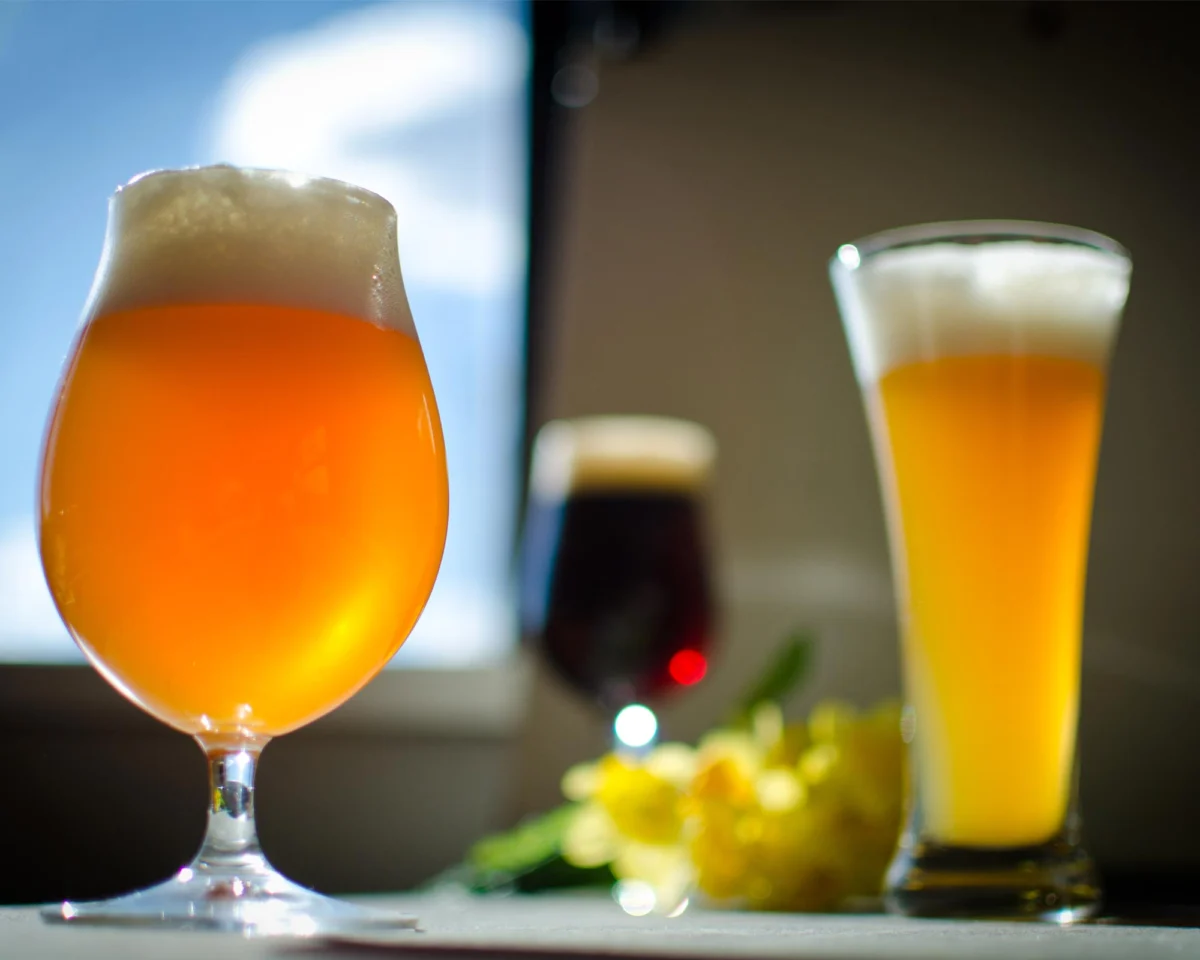
The arrival of the spring equinox signals a transformative period for the American culinary and brewing industries, as menus shift away from the heavy, preserved flavors of winter toward the vibrant, ephemeral produce of the new season. This annual transition is marked by the emergence of cool-weather crops such as asparagus, fava beans, English peas, spring onions, and ramps, alongside tender lettuces and the earliest harvests of beets and radishes. These ingredients, characterized by their clean and bright flavor profiles, are increasingly being paired with craft beers that emphasize balance over complexity. As the industry moves toward a philosophy of "less is more," the focus has shifted to the synergy between minimalist preparation and high-quality sourcing, particularly in the realm of young, fresh cheeses and seasonal ales.
The Seasonal Transition: A Shift in Culinary and Brewing Philosophy
The culinary calendar is traditionally divided by the availability of raw materials, and spring represents the most significant pivot point of the year. After months of relying on root vegetables, dried grains, and cellar-aged fermented products, chefs and brewers alike face a sudden influx of delicate ingredients. According to agricultural data from the United States Department of Agriculture (USDA), the spring harvest window for items like ramps and scapes is notably brief, often lasting only three to six weeks depending on the latitude. This scarcity necessitates a culinary approach that prioritizes the preservation of the ingredient’s natural integrity.
In the brewing world, a parallel shift occurs. The heavy, high-gravity stouts and porters that dominate the winter months are replaced by lighter, more effervescent styles such as Saisons, Pale Ales, and Maibocks. This change is not merely a matter of consumer preference but is rooted in the historical cycle of farmhouse brewing. Saisons, for instance, were traditionally brewed in the late winter to be consumed by farmworkers in the spring and summer. The carbonation and peppery notes of these beers are designed to cleanse the palate, making them ideal companions for the high-moisture, mineral-rich vegetables of the season.
The Science of Pairing: Achieving Equilibrium Through Simplicity
The concept of "balance" in a pairing refers to the interaction between the structural elements of both the food and the beverage. In a professional gastronomic context, balance is achieved when neither the dish nor the drink overwhelms the other, but rather when they enhance one another’s inherent qualities. A primary example of this is the pairing of a shaved Parmesan Reggiano with a classic Pale Ale.
From a chemical perspective, Parmesan Reggiano is rich in glutamate and crystalline amino acids, providing a savory "umami" base and a distinct nuttiness. When paired with a Pale Ale, the malt backbone of the beer complements the cheese’s toasted notes, while the hop bitterness cuts through the fat content. Furthermore, the carbonation in the beer acts as a mechanical palate cleanser, stripping the tongue of the cheese’s creamy residue and preparing it for the next bite. This interaction exemplifies the "simple" approach: using only two high-quality components to create a complex sensory experience.
Chronology of the Spring Harvest and Brewing Cycle
The progression of spring can be mapped through a specific timeline of ingredient availability, which dictates the evolution of restaurant menus from March through June.
- Early Spring (Late March to Mid-April): The first harvest typically includes wild ramps, radishes, and spring onions. During this period, breweries often release "Spring Seasonals," which lean toward crisp lagers and early-season Saisons.
- Mid-Spring (Late April to May): This is the peak for asparagus, fava beans, and English peas. These vegetables are high in chlorophyll and can have a metallic or "green" finish. To counter this, chefs often utilize young cheeses like chèvre or fresh ricotta, which provide a lactic acidity that softens the vegetables’ bite.
- Late Spring (June): The arrival of garlic scapes and more robust lettuces coincides with the transition into summer wheat beers and session IPAs.
Industry analysts note that the "Farm-to-Table" movement has accelerated this timeline, as direct relationships between small-scale farmers and independent brewers allow for faster integration of ingredients. The Brewers Association, which represents over 5,000 small and independent craft breweries in the U.S., has highlighted that seasonal releases now account for a significant portion of quarterly growth, as consumers increasingly seek out products that reflect the immediate environment.
Industry Standards: The Push Toward Minimalist Preparation
The contemporary culinary trend toward simplification is a reaction to the "maximalist" era of the early 2000s, which often featured over-manipulated ingredients and "palate-wrecking" flavor profiles. Today’s leading chefs argue that achieving simplicity is more difficult than executing complex dishes. When a chef serves a radish dipped in butter and garnished only with sea salt, the quality of each ingredient must be flawless. There is no sauce or complex technique to hide imperfections.
This sentiment is echoed by craft brewers who are returning to traditional, balanced styles. While "Extreme Beers"—those with excessively high alcohol content or overwhelming hop bitterness—remain a niche market, the broader trend is toward "sessionability" and balance. A well-crafted Saison, featuring subtle hints of pepper and a dry finish, requires precise temperature control and yeast management. In this context, the brewer is acting as a storyteller, bridging the gap between the agricultural source of the grain and hops and the consumer’s glass.
Supporting Data: Economic and Consumer Trends
Data from the 2023 Craft Beer Insights Poll indicates a rising consumer preference for "transparency in sourcing" and "flavor harmony." Approximately 64% of craft beer drinkers surveyed stated they are more likely to purchase a beer that is marketed as a seasonal pairing for fresh produce. Furthermore, the artisanal cheese market has seen a 5.2% year-over-year increase, driven largely by the popularity of "fresh" or "unripened" cheeses that align with spring harvest cycles.
The economic impact of this synergy is significant for local economies. By focusing on spring-specific pairings, restaurants and breweries support small-scale agriculture. For example, the "ramp craze" in the Eastern United States has created a micro-economy for foragers and specialized farmers, while simultaneously providing breweries with unique botanical additions for limited-edition infusions.
Professional Analysis of Pairing Implications
The move toward simple, balanced pairings has three major implications for the hospitality and beverage industries:
- Sustainability: By focusing on what is currently in harvest, the industry reduces the carbon footprint associated with long-distance shipping. Fresh spring vegetables are often sourced within a 100-mile radius of the establishment, ensuring peak flavor and nutrient density.
- Education: These pairings serve as an educational tool for the public. When a menu explains why a specific radish variety pairs with a specific ale, it elevates the consumer’s understanding of agriculture and fermentation science.
- Quality Control: The emphasis on simplicity forces a higher standard of procurement. Suppliers must provide the freshest possible products, as the "clean" flavors of spring allow no room for subpar ingredients.
Broader Impact and the Future of Seasonal Gastronomy
The philosophy of spring pairings extends beyond the immediate satisfaction of a meal; it represents a broader cultural shift toward mindfulness and seasonal awareness. The Brewers Association and other industry advocates emphasize that these moments of "balance" are essential for the long-term health of the craft movement. By moving away from "show-stopping" gimmicks and toward the "blissful simplicity" of the harvest, the industry fosters a more sustainable and sophisticated dining culture.
As the season progresses, the focus remains on the "story" told by the plate and the glass. Whether it is the snap of a fresh pea or the effervescence of a cold-fermented ale, the goal is to capture a specific moment in time. This approach ensures that the first harvest of spring is not just a change in inventory, but a complete sensory experience that honors the labor of the farmer, the skill of the brewer, and the discernment of the diner.
In conclusion, the spring season offers a unique opportunity for both professionals and enthusiasts to recalibrate their palates. By adhering to the principles of simplicity and balance, the culinary and brewing communities continue to redefine the American gastronomic landscape, proving that the most profound flavors are often those that have been the least altered. The transition from the heavy stouts of winter to the crisp Saisons of spring is more than a change in weather—it is a celebration of the purity of ingredients and the art of the perfect pairing.