admin
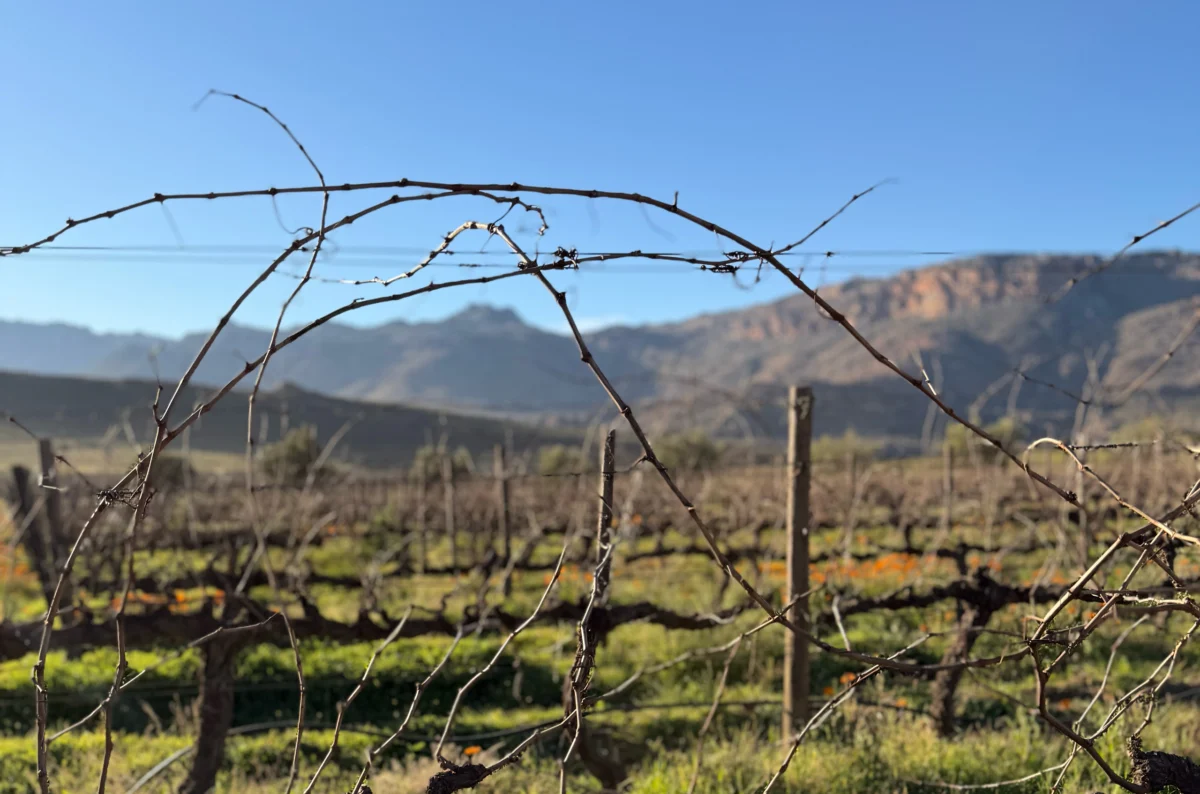
The recently unveiled ninth edition of The World Atlas of Wine, a venerable global reference for wine geography for nearly six decades, highlights a transformative shift in global viticulture. Co-editor Jancis Robinson OBE MW pointed definitively to the expansion of vineyards towards the Earth’s poles as the most notable update. This phenomenon, largely driven by a warming climate, is making viticulture increasingly viable in regions previously considered too cold, such as Scandinavia and Patagonia. However, the atlas also tacitly acknowledges another, equally compelling, frontier: the emergence of new winegrowing clusters in diverse corners of the world, from Southeast Asia to China and parts of Africa, where climate change has often been less advantageous, or even detrimental, to the grapevine. In these latter frontiers, pioneers are propelled not by climatic shifts, but by a relentless experimental urge to explore and push the boundaries of traditional winegrowing.
The Global Shift: Context from The World Atlas of Wine
The World Atlas of Wine, first published in 1971 by Hugh Johnson and now co-edited by Jancis Robinson, has long been revered as the definitive cartographic and textual guide to the world’s wine regions. Its updates are keenly observed by industry professionals and enthusiasts alike, offering a snapshot of the evolving landscape of wine. The ninth edition’s emphasis on polar expansion underscores a profound and accelerating change. Previous editions typically documented established regions and their subtle evolutions. This latest iteration, however, paints a picture of dynamic redefinition, driven by forces both environmental and human. Robinson’s observation is not merely an update; it signifies a recalibration of what constitutes a viable wine region, challenging centuries of conventional wisdom.
Climate Change: Shifting Terroirs Towards the Poles
The most direct and widely understood driver of viticultural expansion is climate change. Global average temperatures have risen steadily over the past century, leading to extended growing seasons and increased Growing Degree Days (GDD) in higher latitude regions. This allows grape varieties that once struggled to ripen in cool climates to now achieve optimal phenolic maturity. For instance, regions like the United Kingdom, traditionally known for sparkling wine production, are now successfully cultivating still wines from varieties like Pinot Noir and Chardonnay, with harvests becoming more consistent and of higher quality.
In Scandinavia, countries like Sweden and Denmark, once dismissed as viticultural impossibilities, are experiencing a burgeoning wine industry. The longer, warmer summers and milder winters are creating microclimates suitable for hardy hybrid grapes such as Solaris, Rondo, and Regent, alongside some early-ripening Vitis vinifera varieties. Similarly, in the Southern Hemisphere, Patagonia, spanning parts of Argentina and Chile, is seeing increased investment in vineyards. Its high altitude and southerly latitude provide a unique combination of intense sunlight, cool nights, and extended growing seasons, now further moderated by climate shifts. This allows for the production of aromatic whites and vibrant reds with distinct freshness and acidity, increasingly attracting global attention. Studies by various meteorological agencies and agricultural researchers project continued suitability for viticulture in these regions, with some models suggesting significant expansion potential through the mid-21st century.
Beyond Climate: The Spirit of Pioneering in Challenging Latitudes
While climate change opens new doors in cooler regions, another fascinating trend involves the deliberate establishment of vineyards in areas where the climate is inherently challenging, often tropical or subtropical. These pioneers are not beneficiaries of a warming climate but rather innovators actively seeking to overcome environmental hurdles. Their motivations are diverse: a passion for viticulture, a desire to create unique local products, or to tap into burgeoning domestic or tourist markets. These ventures are often characterized by extreme experimentation, resourcefulness, and a profound commitment to understanding and adapting to hyper-local conditions.
Case Study: Colombia’s Andean Vineyards
Pepe Saura, originally from the renowned wine region of Murcia, Spain, embodies this pioneering spirit. His decision to establish a vineyard on a high-altitude plateau in the Colombian Andes was a leap into the unknown. "My family has a winery in Spain, so I have a viticultural background, but when I arrived here I had no idea what sort of variety could work on this soil and in this climate," he recounts. His venture, Viñedo Abarán, now encompasses approximately 2.5 hectares, primarily planted with Merlot and Vitis labrusca, the latter widely adapted to tropical and subtropical South American climates.
The challenges in the Colombian Andes are distinct. The high altitude (often above 2,000 meters) brings intense UV radiation and cool night temperatures, but the lack of a distinct winter dormancy period means vines are in continuous vegetative growth – a "never-ending spring." This necessitates innovative viticultural practices. Saura has meticulously trialed and adopted a pergola system. This traditional training method, common in warmer climates, serves a dual purpose: it controls the plants’ excessive vigor, preventing overgrowth, and provides crucial shade to protect the ripening fruit from the strong equatorial UV light. The cool night temperatures, combined with this controlled growth, allow for a unique seven-month harvest cycle, rather than the three potential crops per year the vines could theoretically yield. This extended ripening period is critical for developing flavor complexity and ensuring better quality fruit, ultimately defining the character of his Andean wines. Economically, Saura’s project offers local employment and a unique agricultural diversification in a region traditionally focused on coffee. His initiative also contributes to local tourism, drawing visitors interested in this unusual viticultural endeavor.
Case Study: Sweden’s Northern Renaissance
Murat ‘Murre’ Sofrakis, a trailblazer behind Vingården i Klagshamn, represents the success story of Sweden’s flourishing wine industry, an exemplar of poleward expansion. His journey highlights the immense learning curve involved in establishing viticulture in a nascent region. "Obviously, there was no textbook for what we were doing at the time," Sofrakis explains, articulating a common sentiment among these pioneers. The absence of established local knowledge meant looking outwards for guidance. He found mentors in Denmark, where the wine industry had a slight head start, and visited top producers across Europe. However, he stresses that such advice could only be inspiration, as "every location is very different when it comes to winemaking."
The Swedish experience also illustrates the critical role of regulatory evolution. For years, restrictive alcohol sales laws posed significant barriers. However, recognizing the potential of the nascent industry, regulators recently permitted wineries to sell directly to visiting tourists. "It’s good that they recognized our industry’s potential with this," Sofrakis notes. "When it started last year, it became a game changer, because a lot of Swedish wine producers are located where the tourists are, so it’s not uncommon for them to sell out all their wines in three months." This regulatory shift provided a vital economic lifeline, transforming small-scale ventures into more viable businesses and fostering a direct connection between producers and consumers. This policy change, enacted after years of advocacy by the emerging Swedish wine community, demonstrates how government support, once an industry has proven its initial viability, can significantly accelerate its growth and sustainability.
Case Study: Bali’s Tropical Viticulture
The challenges faced by Giotto Castiglioni, founder of Cantine Balita’s Isola Wine on the north coast of Bali, Indonesia, underscore the extreme logistical and technical hurdles of tropical viticulture. His winery, situated in a picturesque yet remote mountain-jungle setting, operates with an almost singular annual shipment of supplies. "It’s a significant technical problem because if Giacomo [Anselmi, the oenologist] makes a mistake and the container has already left, we have to wait until the following year. It’s not like we can go and buy the product down the road, that stuff simply doesn’t exist here," Castiglioni elaborates.
The isolation extends to critical operational aspects, such as laboratory analyses. In established wine regions, these are typically outsourced to specialized facilities. For Isola Wine, the sheer distance and time involved in sending samples to, say, Australia, would render the results meaningless for timely intervention. Consequently, the winery has been compelled to invest in expensive on-site analytical machinery and expertise. "At a small or medium-sized winery like ours, analyses would normally be outsourced because the machinery is incredibly expensive," Castiglioni explains. "But we simply can’t send anything anywhere, because by the time it gets to Australia, goodbye, the wine could have become anything, so we have to do everything ourselves." This commitment to self-sufficiency, born out of necessity, represents a substantial financial and operational burden, yet it is a testament to the dedication required to produce wine in such an extreme environment.
Overcoming Obstacles: Innovation and Adaptation
The stories of Saura, Sofrakis, and Castiglioni reveal common threads of ingenuity and resilience in the face of daunting obstacles. Beyond the specific climatic challenges, pioneers in new wine regions consistently grapple with a lack of established infrastructure, supply chains, and local expertise.
Supply Chain and Equipment: The absence of a local viticultural ecosystem means basic equipment and supplies, from oak barrels to yeast strains and bottling materials, are often difficult to source and prohibitively expensive due to import costs and logistics. In Colombia, imported European oak can cost three times as much as in traditional wine markets. Saura’s innovative response was to utilize barrels made from indigenous Colombian oak, a wood long employed by local rum producers like Industria Licorera de Caldas. This not only mitigates cost but also offers a unique local terroir expression, potentially imparting distinct characteristics to his wines. Such resourcefulness is a hallmark of these ventures.
Knowledge and Human Capital: As Sofrakis highlighted, there are no "textbooks" for these specific microclimates. Learning occurs through relentless trial and error, cross-regional mentorship, and a deep scientific understanding of viticulture. Furthermore, developing a skilled labor force presents another challenge. In Bali, oenologist Giacomo Anselmi faced difficulties in educating local workers about quality-based grape harvesting. "We had to make the locals who harvested the grapes understand that we wouldn’t simply pay them by the kilo, but according to quality (and that they could actually earn more this way). That was really really difficult," Anselmi recounts. This often involves cultural shifts and extensive training to instill new agricultural practices.
Cultivating New Markets: Engaging Local and Tourist Audiences
Producing quality wine is only half the battle; the other half is cultivating a market for it. In regions without an ingrained wine culture, pioneers must actively create "wine people." A strategic approach involves establishing wineries near tourist areas, where visitors, often from established wine-drinking cultures, provide an initial customer base. This allows the fledgling wineries to generate revenue and build brand recognition while simultaneously working to educate and engage a local audience.
Pepe Saura’s approach in Colombia exemplifies this dual strategy. While he initially finds that he sells "a lot more grape juice than wine" locally, he is actively building a small museum at his finca (farm) to educate visitors about the history of wine. This initiative aims to "gradually build my own local audience of wine lovers," fostering appreciation and demand from the ground up. Similarly, the recent regulatory change in Sweden, allowing direct sales to tourists, has been a "game changer," demonstrating the immediate economic benefit of tapping into an existing, albeit transient, wine-aware demographic. These efforts underscore the need for these pioneers to be not just vintners, but also educators, marketers, and cultural ambassadors.
The Broader Implications: A New Era for Global Viticulture
The emergence of these new wine regions, whether driven by climate change or sheer human determination, carries significant broader implications for the global wine industry and beyond.
Economic Impact: These ventures often bring economic diversification and job creation to rural areas. In developing nations, they can provide alternative livelihoods and stimulate local economies through tourism and related industries. The investment required, often substantial, also circulates capital within the region.
Cultural Evolution: The introduction of wine production and consumption into non-traditional regions fosters cultural exchange and shifts perceptions. Wine, once a beverage of specific geographies, becomes a global pursuit, adapted to local tastes and conditions. This could lead to a broader appreciation for diverse wine styles and a more inclusive global wine culture.
Environmental Considerations: While climate change facilitates some expansions, it also poses challenges. New regions must confront issues of water availability, soil health, and pest management, often with limited historical data. Sustainable viticultural practices become paramount, requiring careful planning and investment to avoid unintended environmental consequences. The choice of drought-resistant or locally adapted varieties, and water-efficient irrigation systems, are critical considerations.
Innovation and Research: These new frontiers serve as living laboratories for viticultural research. The challenges they face necessitate innovation in vineyard management, grape breeding, winemaking techniques, and pest control. Lessons learned in places like the Colombian Andes or tropical Bali can offer valuable insights for traditional regions grappling with their own climate-related shifts. The ongoing experimentation with grape varieties, canopy management, and fermentation techniques contributes to a growing global body of viticultural knowledge.
Future Outlook: The ninth edition of The World Atlas of Wine serves as a powerful reminder that the world of wine is in a state of flux. The boundaries are blurring, and the definition of "terroir" is expanding to include previously unimaginable landscapes. While established regions will continue to be the bedrock of the industry, these new frontiers offer exciting possibilities for unique expressions, agricultural innovation, and economic development. The path is arduous, demanding immense determination, capital investment, scientific inquiry, and a degree of sheer audacity. Yet, the human spirit’s inherent drive to explore and conquer the unknown, coupled with an enduring passion for wine, ensures that the global wine map will continue to be redrawn for generations to come, embodying the true expression of adventure in liquid form.