admin
admin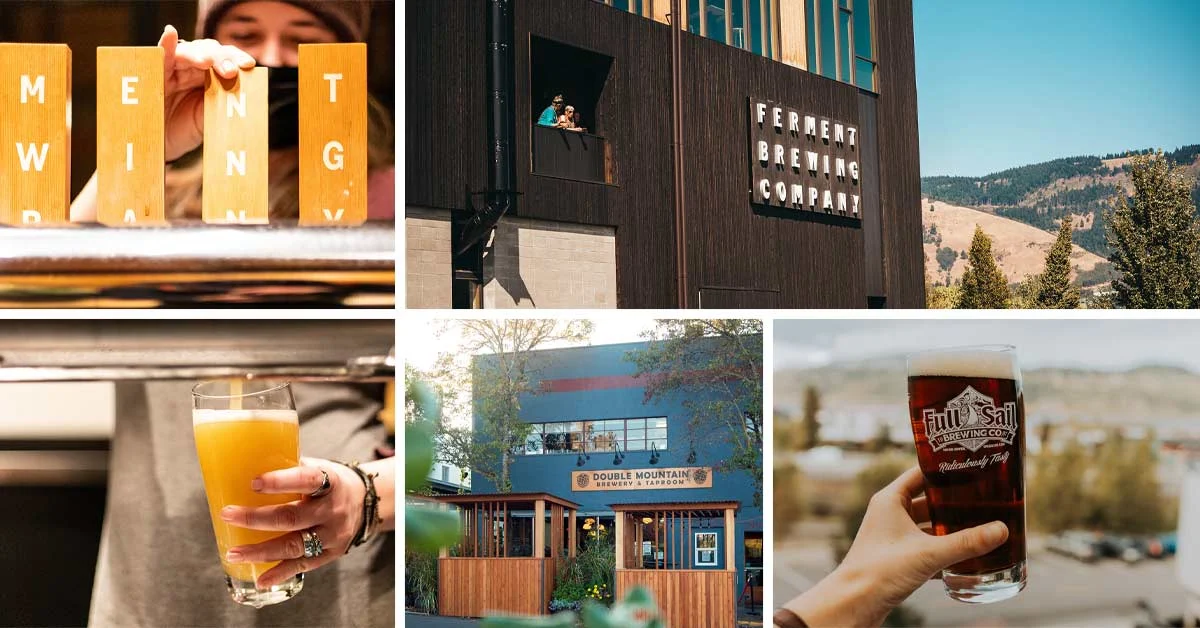
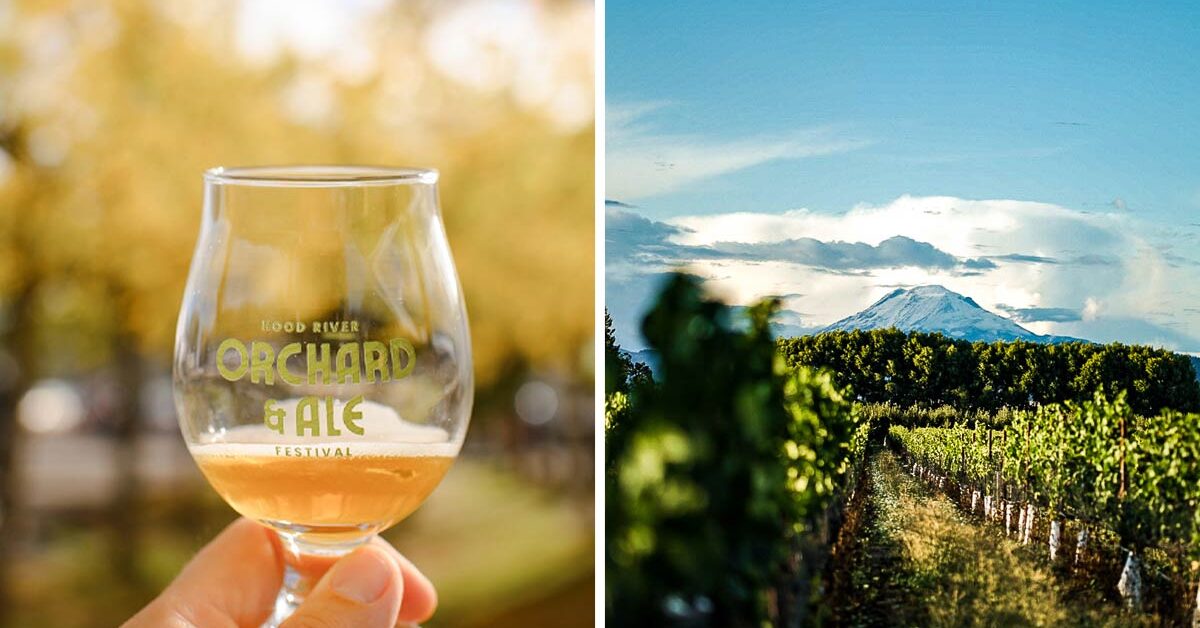
The inaugural Hood River Orchard and Ale Festival recently marked a significant milestone in the Pacific Northwest’s craft beverage sector, highlighting the unique intersection of agricultural heritage and modern brewing excellence in the Columbia River Gorge. Held on the waterfront of the Columbia River, the event served as a showcase for the region’s burgeoning beer industry, which continues to exert an outsized influence on the national craft beer landscape despite the relatively small size of its host community. The festival’s debut underscored the geographical and environmental factors that have made Hood River, Oregon—a town of approximately 8,300 residents—one of the most densely populated hubs for high-quality brewing in the United States.
Environmental Dynamics and the Festival Setting
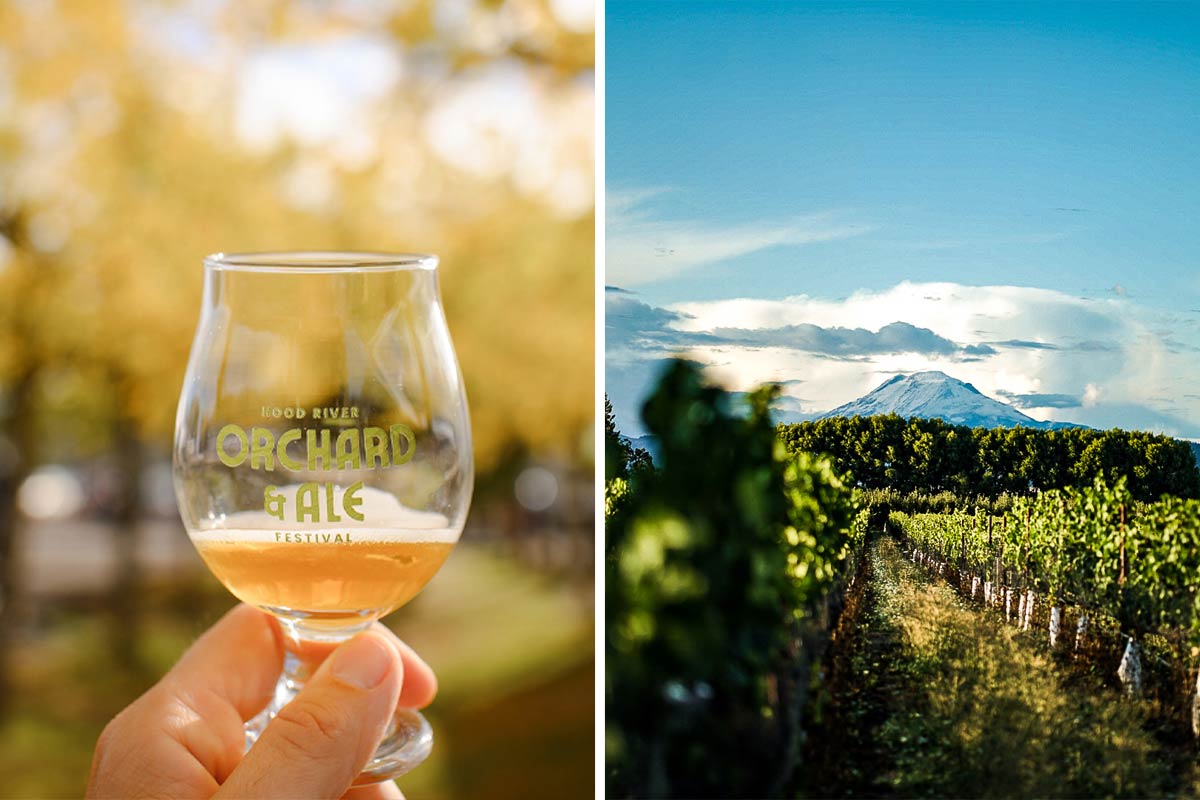
The festival’s location on the Hood River waterfront provided a vivid demonstration of the environmental forces that define the region. The Columbia River Gorge, an ancient canyon carved through the Cascade Mountain Range, functions as a natural wind tunnel. On the day of the event, consistent early-October gusts, common to the area, provided ideal conditions for the local kiteboarding and windsurfing communities but presented logistical challenges for festival organizers and attendees. The prevalence of these high-velocity winds influenced the event’s atmosphere, emphasizing the rugged nature of the Gorge.
Beyond its role as a scenic backdrop, the Columbia River Gorge is the primary driver of the region’s brewing success. The breweries in Hood River do not draw their water from the main stem of the Columbia River; instead, they utilize the Hood River watershed. This water source originates as snowmelt from the 11,249-foot Mount Hood and the surrounding Cascade peaks. As the water descends, it is naturally filtered through layers of volcanic basalt rock. This geological process results in a soft, clean water base rich in specific minerals that are ideal for brewing traditional European styles and modern American ales alike. This high-quality water, combined with the region’s proximity to the Willamette Valley—one of the world’s premier hop-growing regions—creates a competitive advantage for local producers.
A Chronological Evolution of the Hood River Brewing Scene
The development of the Hood River brewing industry can be traced through several distinct eras, beginning in the late 1980s. The timeline of the region’s growth reflects the broader trends within the American craft beer movement, from the early pioneers to the modern specialists in spontaneous fermentation and lager production.
The Foundation: Full Sail Brewing Co. (1987)
The local industry was anchored in 1987 by the establishment of Full Sail Brewing Co. As one of the original craft breweries in Oregon, Full Sail played a pivotal role in introducing the public to styles beyond the standard American lager. Their flagship Amber Ale, characterized by a malty profile and spicy hop finish, remains a staple of the region. Over the decades, Full Sail has adapted to market shifts by incorporating West Coast and Hazy IPAs into its portfolio, maintaining its position as a foundational institution in the downtown district.
The Expansion: Double Mountain Brewery (2007)
The second major wave of growth occurred in the mid-2000s, exemplified by the opening of Double Mountain Brewery in 2007. Known for its focus on unfiltered ales and the use of refillable glass bottles, Double Mountain reinforced the town’s reputation for technical proficiency and sustainability. The brewery’s commitment to "fresh hop" beers—a seasonal specialty in the Pacific Northwest where hops are harvested and added to the brew within hours—has become a hallmark of the Hood River autumn season.
The Modern Powerhouses: pFriem and Ferment (2012–2018)
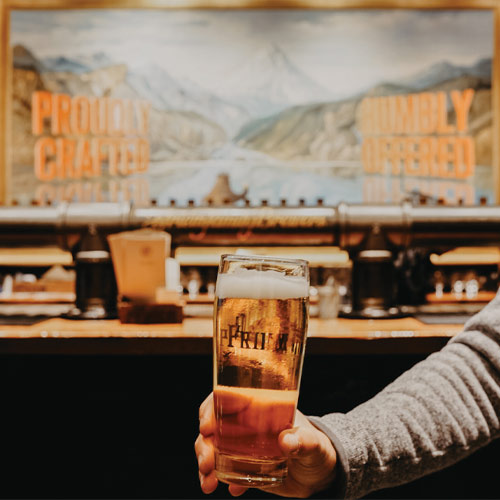
In 2012, pFriem Family Brewers emerged as a regional powerhouse. Located directly on the waterfront, pFriem focused on a blend of Northwest-influenced ales and traditional Belgian and German styles. Their success, marked by numerous Great American Beer Festival medals, signaled a shift toward high-end, style-accurate brewing. Following this trend, Ferment Brewing Company opened in 2018, utilizing a modern facility that emphasizes farmhouse techniques and local "terroir." Ferment’s use of local ingredients, such as Oregon-grown strawberries in their sour ale programs, highlights the synergy between the brewing industry and the local orchard economy.
Recent Developments: 2023–2025
The industry has continued to expand even in the post-pandemic era. Hood River Brewing Company opened its doors in 2023, offering a diverse range of styles including Mexican-style lagers. Most recently, in 2025, Kings & Daughters Brewery launched its public house, The Walled Garden, further diversifying the town’s offerings with a focus on refined hazy IPAs and sessionable lagers. This continuous influx of new talent suggests that the market for craft beer in Hood River has yet to reach its saturation point.
Supporting Data: The Economic and Technical Impact
The density of breweries in Hood River is statistically significant. With approximately eight major breweries serving a population of just over 8,000, the town maintains one of the highest brewery-per-capita ratios in the world. This concentration creates a "clustering effect," where the presence of multiple high-quality establishments attracts beer tourism, which in turn supports local hospitality, retail, and agricultural sectors.
Technically, the region is noted for its mastery of bottom-fermented beers. While the Pacific Northwest is often associated with the India Pale Ale (IPA), Hood River has distinguished itself through the production of world-class lagers. Working Hands Fermentation, located on the heights above the downtown area, has gained recognition for its specialization in styles like the Schwarzbier (a dark German lager). The technical requirements for brewing lagers—which include longer fermentation times and more precise temperature control—demonstrate the high level of professional expertise present in the local workforce.
According to industry data from the Oregon Brewers Guild, the craft brewing industry contributes billions of dollars annually to the state’s economy. In regions like the Columbia River Gorge, this impact is amplified by the integration of the "Fruit Loop," a 35-mile scenic drive through the valley’s orchards. The Orchard and Ale Festival was designed specifically to bridge these two sectors, showcasing how the region’s pears, apples, and cherries are increasingly utilized in cider production and fruit-forward beer styles.
Industry Implications and Future Outlook
The success of the inaugural Hood River Orchard and Ale Festival suggests a shift in how regional craft beer is marketed. Rather than focusing solely on the liquid in the glass, organizers are increasingly emphasizing the "sense of place." This involves educating consumers on the geological history of the Gorge, the specifics of the Hood River watershed, and the agricultural cycles of the Willamette Valley.
From a journalistic and industry-analysis perspective, several implications arise:
- Sustainability and Resource Management: As the industry grows, the management of the Hood River watershed becomes increasingly critical. Breweries are now at the forefront of water conservation efforts, recognizing that their product is entirely dependent on the health of the Cascade snowpack.
- Market Resilience: The ability of Hood River to support new entrants like Kings & Daughters and Hood River Brewing Company in 2023 and 2025 indicates a resilient local economy driven by both resident loyalty and a robust tourism pipeline.
- Style Diversification: The move away from a singular focus on IPAs toward a more balanced portfolio—including Mexican lagers, Czech dark lagers, and farmhouse sours—allows the region to appeal to a broader demographic of consumers.
The festival also highlighted the importance of professional standards in the tasting experience. The preference for proper glassware over disposable plastic, noted by many attendees, reflects a maturing consumer base that views craft beer as a culinary product rather than a mere commodity. This shift supports higher price points and encourages breweries to continue investing in high-quality, labor-intensive brewing methods.
Conclusion
The Hood River Orchard and Ale Festival has established a new precedent for celebrating the intersection of geography and zymurgy. By drawing on the unique environmental characteristics of the Columbia River Gorge—its volcanic filtration, its wind-swept waterfront, and its proximity to world-class hops—the breweries of Hood River have created a self-sustaining ecosystem of innovation. As the industry moves forward, the collaboration between the agricultural sector and the brewing community is expected to deepen, ensuring that Hood River remains a primary destination for craft beer enthusiasts and a significant contributor to the Oregon economy. The transition from the pioneer days of the 1980s to the diverse, technically proficient landscape of 2025 marks a successful evolution that serves as a model for small-town economic development through specialized manufacturing and tourism.