admin
admin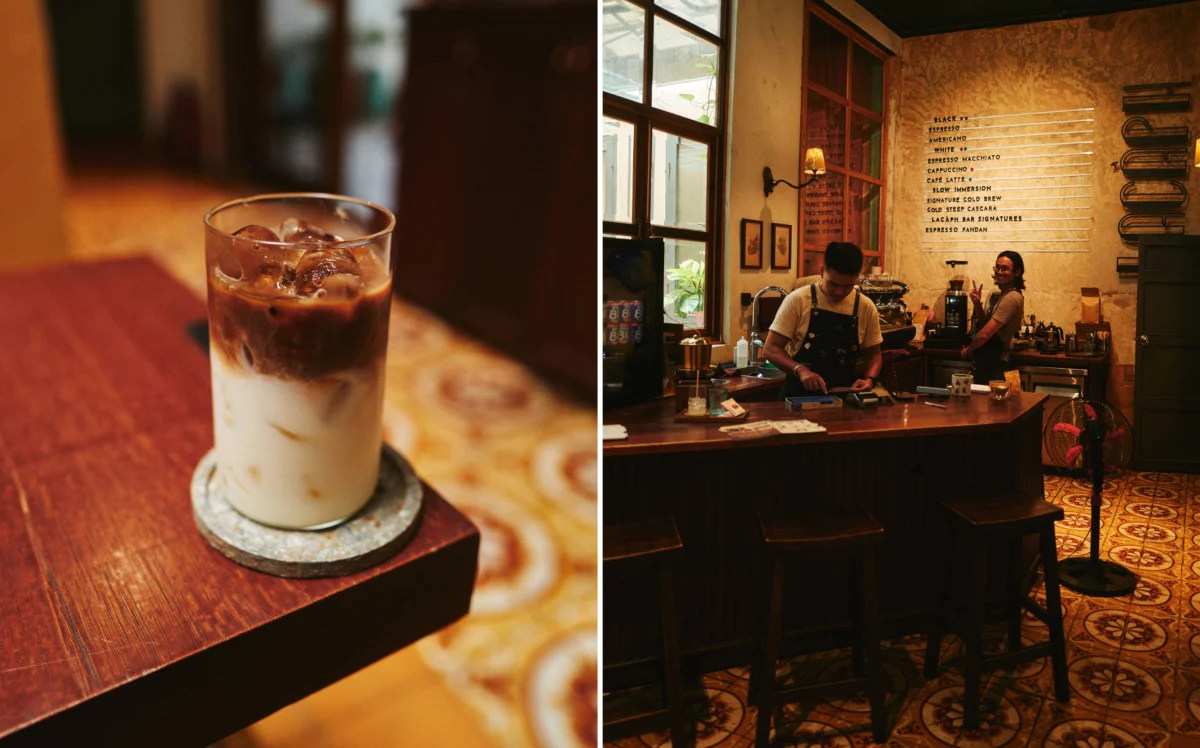
Vietnam, a nation renowned for its vibrant culinary scene and burgeoning economic prowess, holds a significant, albeit relatively recent, position in the global coffee landscape. While it ranks as the world’s second-largest coffee producer, its journey from a non-coffee-growing region to a powerhouse exporter is a compelling narrative of adaptation, innovation, and the deep-seated integration of coffee into its cultural fabric. The story of Vietnamese coffee is not merely about production figures; it’s a testament to a rich café culture that spans centuries, evolving from its colonial introduction to the diverse and sophisticated offerings available today.
From Humble Beginnings: The Arrival of Coffee in Vietnam
The introduction of coffee to Vietnam is a relatively recent event in the history of this ancient land. Unlike many other major coffee-producing nations with centuries-old traditions, Vietnam’s coffee story began in the mid-19th century. French missionaries, recognizing the potential of the country’s fertile soil and favorable climate, are credited with introducing the coffee plant. The initial plantings were experimental, but the crop eventually found a suitable home in the highlands of the Central region. This area, with its elevated terrain and distinct microclimates, proved ideal for coffee cultivation, laying the groundwork for what would become a national industry.

The early decades of coffee cultivation were modest, with production primarily serving local consumption and limited export. However, the landscape of Vietnamese agriculture, and specifically coffee production, underwent a seismic shift in the late 1980s. The implementation of the "Đổi Mới" (Renovation) economic reforms, initiated in 1986, marked a pivotal moment. These reforms introduced market-oriented policies, encouraging private enterprise and agricultural diversification. The coffee sector, previously under state control and with stagnant output, was liberalized. This liberalization, coupled with significant government investment and international support, spurred a dramatic surge in coffee production. Farmers were incentivized to expand acreage, adopt modern cultivation techniques, and improve quality. Within a few years, Vietnam transformed from a minor player into a global coffee giant, primarily known for its robusta beans.
A Cultural Cornerstone: Coffee as an All-Day Affair
Beyond its impressive export figures, Vietnam’s true coffee legacy lies in its deeply ingrained café culture. Coffee is not just a morning pick-me-up; it’s a social lubricant, a ritual, and a constant presence throughout the day, from the bustling metropolises like Ho Chi Minh City (still affectionately known as Saigon) to the quiet countryside. The image of locals perched on colorful plastic stools, engaged in animated conversations over steaming cups of coffee, is an iconic representation of Vietnamese daily life. This tradition, passed down through generations in family-run establishments, has coexisted and evolved alongside a new wave of contemporary, design-forward specialty cafés that cater to a younger, more globally-minded clientele. This dynamic interplay between tradition and modernity defines the vibrant café scene.
Historically, Vietnamese coffee has been dominated by the robusta bean. Robusta is known for its bold, intense flavor profile, often characterized by notes of chocolate and nuts, and a higher caffeine content compared to arabica. This distinct character makes it exceptionally well-suited for traditional brewing methods, most notably the "phin," a single-serve metal filter that slowly drips concentrated coffee into a glass below. The slow drip process allows for a full extraction of the robusta’s rich flavors.

The Art of Vietnamese Coffee: A Spectrum of Flavors
The versatility of robusta, particularly when combined with other local ingredients, has given rise to a unique array of coffee beverages that are celebrated both domestically and internationally.
Cà Phê Sữa Đá: The Iconic Iced Coffee
Perhaps the most globally recognized Vietnamese coffee is cà phê sữa đá, translating to "iced coffee with condensed milk." This deceptively simple concoction is a masterclass in balancing bold flavors. The intense, dark brew from the phin filter is combined with sweetened condensed milk, creating a rich, creamy base. Poured over a generous amount of ice, the result is a refreshing and invigorating drink that is simultaneously bitter, sweet, and wonderfully cold. The initial bitterness of the robusta is beautifully tempered by the sweetness of the condensed milk, offering a complex and satisfying sensory experience.
Bạc Xỉu: A Creamy Counterpart
A delightful variation that flips the flavor profile is bạc xỉu. Originating from Saigon’s historic Cantonese immigrant community, the name is a shortened version of bạc tẩy xỉu phê, which loosely translates to "a glass of white with a little coffee." This drink is characterized by its reversed ratio: a significant amount of milk, often a blend of fresh and condensed milk, forms the base, with only a splash of coffee added. The result is a lighter, creamier beverage that offers a gentler introduction to the world of Vietnamese coffee. While traditional bạc xỉu uses condensed milk, modern interpretations often incorporate fresh milk for an even smoother texture.

Regional Specialties: A Taste of Vietnam’s Diversity
Vietnam’s coffee culture is not monolithic; it boasts a rich tapestry of regional specialties, each reflecting the unique history and palate of its origin.
Cà Phê Trứng (Egg Coffee): A Hanoi Delicacy
Hanoi, the nation’s northern capital, is the birthplace of cà phê trứng, or egg coffee. Legend has it that this unique beverage was created in 1946 by Nguyễn Văn Giảng, a bartender at the Sofitel Legend Metropole Hanoi. During a time of milk scarcity, Giảng began experimenting with whipping egg yolks with sugar and condensed milk to create a frothy topping for his coffee. The result was a velvety, custard-like foam that, when spooned over intensely brewed Vietnamese coffee, transformed a simple drink into a decadent dessert. The flavor is rich and creamy, with a subtle sweetness that belies the eggy ingredients, often surprising first-time drinkers with its lack of an overpowering eggy taste.
Cà Phê Muối (Salt Coffee): A Central Vietnamese Twist
In the central region, particularly in the former imperial capital of Huế, a unique flavor profile emerged with cà phê muối, or salt coffee. This beverage cleverly balances the inherent bitterness of coffee and the sweetness of condensed milk with a touch of salinity. While some versions involve a whipped salted cream topping, establishments like Hue Cafe Roastery integrate the salt directly into the coffee and condensed milk mixture. This subtle addition of salt tempers both the sweetness and bitterness, creating a harmonious and nuanced flavor that is reminiscent of the delicate balance found in central Vietnamese cuisine.

Cà Phê Vọt (Sock Filter Coffee): A Lingering Tradition
Saigon’s historic Chinese immigrant community also left its mark on Vietnamese coffee culture with cà phê vọt. This method refers to the brewing technique itself, which utilizes a long cloth filter, often described as a "sock," rather than the more common metal phin. This traditional method, which produces a dark and aromatic coffee base, has largely faded from mainstream cafés. However, it is preserved at a few venerable, old-school establishments, such as Cà Phê Vọt, which has been operated by the same family for over 70 years. The dedication of owners like Mrs. Tuyết, who has been involved in the business since childhood, ensures this authentic brewing tradition continues to be appreciated.
The Third and Fourth Wave: Innovation and Modernity
In recent years, a new generation of Vietnamese roasters and baristas has been actively expanding the definition of Vietnamese coffee. Embracing the principles of third and fourth wave coffee movements, these innovators are moving beyond the traditional reliance on robusta. They are spotlighting high-quality arabica beans sourced from regions like Sơn La, Mường Ảng, and other high-altitude areas known for their ideal growing conditions.
Modern brewing methods, such as pour-overs and Aeropress, are being employed to highlight the nuanced flavors of these specialty beans. These methods often reveal delicate notes of tropical fruits, honey, and floral undertones, offering a compelling counterpoint to the bold, dark profile of traditional robusta brews.

Furthermore, new-school cafés are enthusiastically experimenting with local ingredients and flavors, pushing the boundaries of coffee creativity. These experimental concoctions often incorporate elements like citrus, tamarind, and even yogurt, reflecting a desire to fuse traditional Vietnamese culinary influences with contemporary coffee artistry.
Exploring Saigon’s Coffee Scene: A Culinary Journey
Ho Chi Minh City, or Saigon, serves as a vibrant microcosm of Vietnam’s evolving coffee culture, offering a diverse range of experiences for coffee enthusiasts. Here are some notable examples that showcase the breadth and depth of this dynamic scene:
Highlands Coffee: Modernizing an Everyday Ritual
Highlands Coffee, founded by Vietnamese American entrepreneur David Thái, has played a significant role in bringing the everyday ritual of Vietnamese coffee into the modern era. While maintaining the core elements of cà phê sữa đá, such as the use of robusta and condensed milk, Highlands offers a consistently strong and dark brew that balances the robusta’s inherent bitterness without overwhelming it. With hundreds of locations across Vietnam and expanding international presence, Highlands has made this beloved drink accessible to a vast audience. Their commitment to quality and consistency has cemented their status as a national coffee chain without sacrificing the drink’s distinctly local character.

Lacàph Coffee Bar: A Polished Take on Tradition
For a refined experience of bạc xỉu, Lacàph Coffee Bar, a tucked-away establishment with a minimalist, design-forward aesthetic, offers a particularly noteworthy rendition. Their approach often incorporates fresh milk alongside condensed milk, resulting in an even creamier texture. The coffee, brewed through microfilter phins using premium Vietnamese beans, is meticulously prepared, offering a polished and sophisticated interpretation of this "white coffee" classic.
Little Hanoi Egg Coffee: Northern Flavors in the South
While cà phê trứng is a Hanoi specialty, establishments like Little Hanoi Egg Coffee in Saigon bring this Northern delight to the southern palate. Their dedication to authentically recreating the rich, custardy foam over intensely brewed coffee allows visitors to experience this unique dessert-like coffee without traveling to the capital.
Hue Cafe Roastery: The Nuances of Salted Coffee
Hue Cafe Roastery offers a taste of central Vietnam’s innovative approach to coffee with their cà phê muối. By skillfully blending salt directly into the coffee and condensed milk, they achieve a subtle yet impactful balance that elevates the drink, tempering sweetness and bitterness to create a remarkably nuanced beverage.

Cà Phê Vọt: Preserving a Brewing Legacy
Cà Phê Vọt stands as a living museum of Vietnamese coffee brewing. This unassuming shop, hidden down an alley, meticulously preserves the "vọt" or sock-filter method, a tradition with deep roots in Saigon’s Chinese community. The family’s multi-generational dedication to this craft ensures that this unique brewing technique, which yields a rich and aromatic coffee base, continues to be appreciated by those seeking an authentic experience. The enduring legacy of this establishment is a testament to a deep love for the work and a commitment to tradition.
Cộng Cà Phê: Nostalgia and Coconut Cream
Cộng Cà Phê has become an iconic chain, celebrated for its distinct aesthetic and its popular cà phê cốt dừa, or coconut coffee. This drink masterfully blends coconut cream, condensed milk, and ice into a thick, frozen base, which is then paired with strong Vietnamese coffee and topped with toasted coconut flakes. The combination offers a delightful interplay of sweet, bitter, and creamy textures, with the toasted coconut adding a satisfying crunch. The café’s interior design, inspired by Vietnam’s post-war era with its signature military-green palette, further enhances the nostalgic and immersive experience.
Sipply Coffee: Exploring Specialty Arabica
Sipply Coffee, a new-wave micro-roastery with multiple locations, is at the forefront of showcasing Vietnam’s specialty arabica beans. Their pour-over offerings highlight the nuanced flavors of beans from regions like Mường Ảng and Sơn La, revealing notes of tropical fruit and a tea-like subtlety. This provides a compelling alternative to the traditional robusta profile, demonstrating the growing sophistication of Vietnamese coffee cultivation and brewing. Beyond filter coffee, Sipply also excels at classic espresso drinks and creative specialties like their "Triple Citrus," a refreshing concoction that incorporates kombucha.

Every Half Coffee Roasters: Fruit-Forward Brews
Every Half Coffee Roasters is a pioneer in Vietnam’s specialty coffee scene, working with a diverse range of beans including arabica, fine robusta, and even liberica. Their signature citrus punch is a vibrant cold brew, amplified by pineapple and lemon juice, a reflection of Saigon’s penchant for pairing coffee with fresh fruit flavors. This drink exemplifies the innovative spirit of modern Vietnamese cafés, where local palates and global trends converge.
Hoff Specialty Coffee: Yogurt and Robusta Fusion
Hoff Specialty Coffee offers a contemporary twist on the classic Vietnamese pairing of yogurt and coffee. Their yaourt coffee, a Northern classic reimagined, layers locally grown Lạng Sơn robusta over fresh yogurt and finishes with toasted coconut flakes. The tartness of the yogurt perfectly complements the richness of the coffee, creating a balanced and surprisingly harmonious beverage.
The Hummingbird Café & Roastery: Tamarind-Infused Cold Brew
The Hummingbird Café & Roastery draws inspiration from local street drinks, notably tắc kè, a sweet-and-sour tamarind beverage. They have ingeniously translated these familiar local flavors into a coffee drink by pairing an Ethiopian cold brew with a housemade tamarind foam and a touch of pineapple. While the beans may not be Vietnamese, the creative inspiration is undeniably rooted in the local palate, showcasing how new generations of cafés are innovating by looking beyond the beans themselves to broader culinary influences.

The Enduring Appeal and Future of Vietnamese Coffee
The journey of Vietnamese coffee is far from over. As the nation continues to invest in research and development, focusing on improving bean quality, exploring new varietals, and promoting sustainable farming practices, its global standing is likely to grow even stronger. The dedication of traditional cafés to preserving time-honored methods, combined with the innovative spirit of the new wave, ensures a dynamic and exciting future for Vietnamese coffee. From the bustling streets of Saigon to the tranquil highlands, the rich aroma and diverse flavors of Vietnamese coffee continue to captivate palates worldwide, cementing its place as a vital part of Vietnam’s cultural identity and a significant contributor to the global coffee landscape.