admin
admin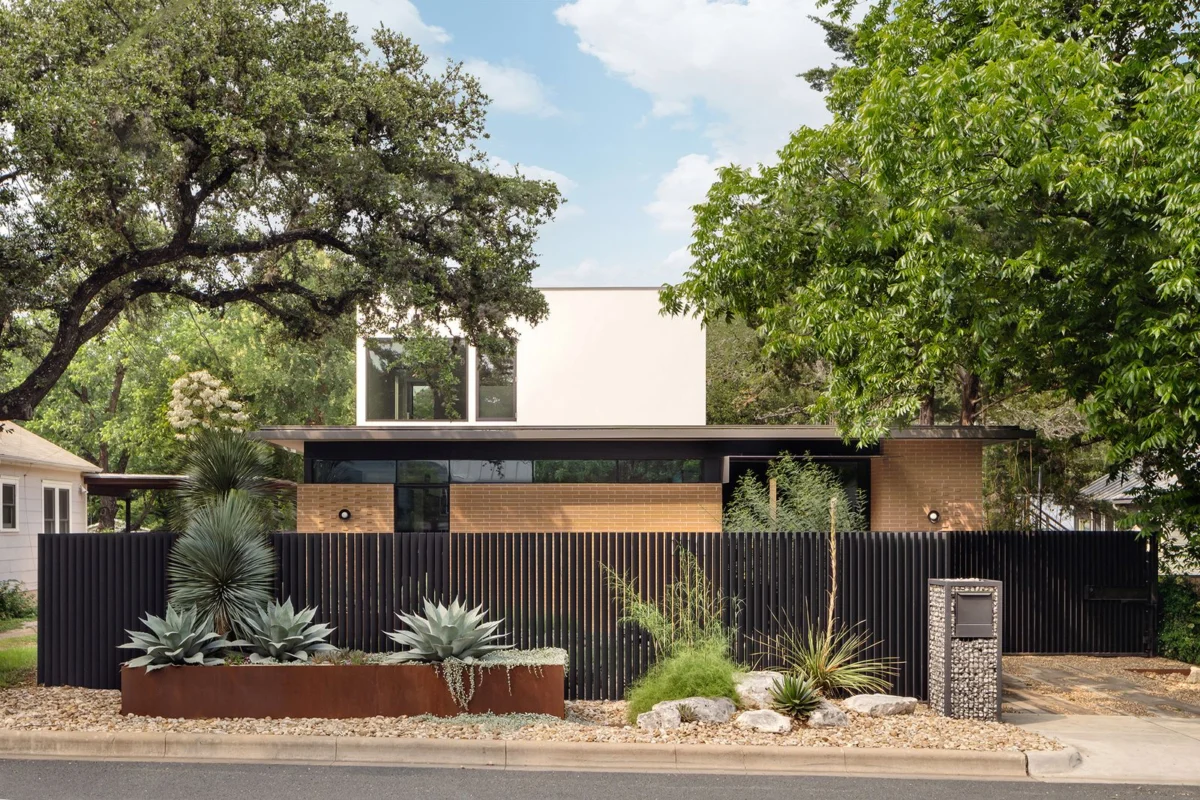
Artist and designer Laurie Chapman, known for her discerning eye and transformative approach to residential spaces, is perpetually driven by the pursuit of new creative challenges. Following a series of significant home remodels across various regions of the United States, including a notable recent undertaking with her husband in San Francisco, Chapman has now set her sights on the burgeoning design scene of Austin, Texas. This strategic pivot highlights a broader trend of design professionals and homeowners seeking fresh opportunities in high-growth urban centers, drawn by a confluence of economic vitality, architectural innovation, and evolving lifestyle preferences.
From Coastal Renovation to Lone Star Venture
Chapman’s design philosophy has consistently revolved around identifying potential in existing structures and reimagining them for contemporary living. Her recent project in San Francisco exemplifies this, transforming a property within one of the nation’s most competitive and architecturally rich markets. While specific details of the San Francisco renovation remain private, such projects typically involve extensive structural updates, integration of modern amenities, and a meticulous selection of materials and finishes that align with the city’s sophisticated aesthetic while maximizing property value. The successful completion of this endeavor served not as a culmination, but as a catalyst for Chapman’s next ambitious move.
It was during this period, having navigated the complexities and rewards of the San Francisco market, that Chapman began observing a distinct architectural momentum gathering pace in Austin. "We started to notice there was a lot happening in Austin with great architects, so we decided to go see what was happening there," Chapman recounted, reflecting on the initial spark of interest. This observation was not an isolated thought but a recognition of Austin’s growing prominence as a hub for design and innovation, increasingly featured in national architectural publications and attracting a new wave of creative talent.
The decision to explore Austin was a calculated one, underscoring Chapman’s proactive approach to identifying emerging markets with significant design potential. Her trip to the Texas capital was brief yet decisive. Within a mere three days of arrival, Chapman and her husband had identified a suitable opportunity and entered into a contract to purchase a speculative house already under construction. This swift acquisition speaks volumes about the compelling nature of Austin’s real estate market and Chapman’s readiness to seize opportunities that align with her vision for high-quality, contemporary design.
Austin’s Ascendancy: A Magnet for Design and Innovation
Austin’s rise as a premier destination for architects, designers, and affluent residents is not a sudden phenomenon but the result of decades of strategic growth and demographic shifts. Historically known for its vibrant music scene and progressive culture, the city has experienced an exponential boom driven largely by the technology sector. Major tech companies, including Apple, Google, Meta, Tesla, and Oracle, have established or significantly expanded their presence in Austin, attracting a highly skilled workforce and injecting substantial capital into the local economy. This influx of high-income earners has, in turn, fueled demand for sophisticated housing and architectural services.
According to data from the U.S. Census Bureau, Austin has consistently ranked among the fastest-growing large cities in the United States over the past decade. Between 2010 and 2020, the Austin-Round Rock metropolitan area’s population surged by over 30%, adding more than half a million residents. This growth has continued post-pandemic, with migration patterns showing a significant outflow from high-cost coastal cities like San Francisco, Los Angeles, and New York to more affordable, yet dynamic, markets like Austin. A 2023 report by the Texas Real Estate Research Center at Texas A&M University indicated that a substantial portion of new residents in Texas continued to originate from California, drawn by lower living costs, a favorable business environment, and no state income tax.
This demographic shift has profoundly impacted Austin’s architectural landscape. The demand for modern, sustainable, and custom-designed homes has skyrocketed, creating fertile ground for both established local firms and new talent relocating to the city. Architects are increasingly experimenting with innovative materials, energy-efficient designs, and seamless indoor-outdoor living spaces, reflecting a desire for homes that are both aesthetically pleasing and functionally optimized for the Texan climate. The city has also seen a rise in architectural competitions and design-forward developments, further cementing its reputation as a hub for contemporary design.
The Strategic Acquisition: A Speculative Bet on Growth
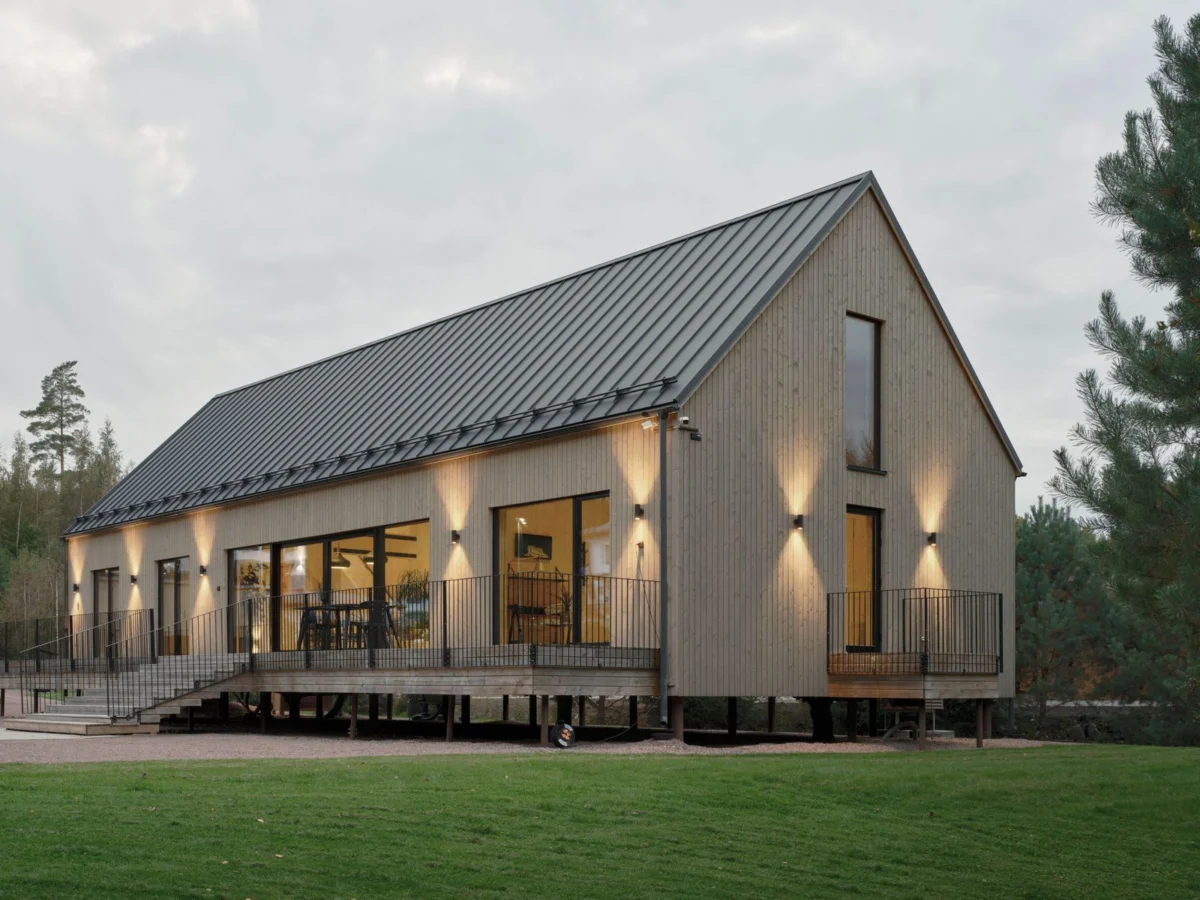
Chapman’s decision to acquire a "spec house" under construction is particularly noteworthy. A speculative house, or spec home, is one built by a developer or builder without a specific buyer lined up in advance. These homes are typically designed to appeal to a broad segment of the luxury market, often incorporating high-end finishes, modern layouts, and desirable amenities. For a designer like Chapman, purchasing a spec house mid-construction offers a unique opportunity: the core structure and initial planning are in place, but there is often considerable scope for customization, material selection, and interior design intervention to infuse her signature style and elevate the property’s market appeal.
This approach minimizes the lengthy initial design and permitting phases often associated with ground-up custom builds, allowing for a faster turnaround and market entry. It also represents a calculated investment, leveraging Austin’s robust real estate appreciation rates. Data from the Austin Board of Realtors (ABOR) consistently shows significant year-over-year increases in median home prices, particularly in the luxury segment, although the market has seen some stabilization recently. For a designer with Chapman’s reputation, injecting bespoke design into a well-located, quality-built spec home can significantly enhance its value beyond standard market appreciation.
Market Dynamics and Architectural Evolution
The influx of talent and capital into Austin has intensified competition within the design and construction sectors but has also spurred innovation. Local architectural firms, once primarily focused on regional styles, are now adapting to a more diverse clientele with global tastes. This has led to a fascinating blend of regional modernism, sustainable design practices, and influences from international architectural trends. The city’s zoning regulations, while often criticized for their complexity, have also inadvertently encouraged creative infill development and adaptive reuse projects, adding layers to Austin’s urban fabric.
The "spec house" market itself has evolved from basic, production-style homes to increasingly sophisticated, architect-designed properties. Developers are recognizing the value that high-quality design adds, differentiating their products in a crowded market. This shift creates a symbiotic relationship with designers like Chapman, who bring an elevated aesthetic and proven marketability to these ventures. Her involvement in a spec project in Austin is likely to set a new benchmark for design quality in this segment, potentially influencing future developments.
Expert Perspectives on Influx and Impact
The movement of prominent design figures like Laurie Chapman into Austin is viewed by industry experts as a validation of the city’s growing stature.
Dr. Eleanor Vance, a senior real estate analyst at the Texas Economic Institute, commented on the broader implications: "The migration of high-caliber design professionals from established markets like San Francisco to Austin is a clear indicator of where opportunity lies. It’s not just about lower costs anymore; it’s about a vibrant ecosystem for innovation, a receptive market for luxury design, and a quality of life that appeals to creatives and entrepreneurs. Chapman’s move is representative of a larger trend we’ve observed for years."
Local architects and developers in Austin are largely welcoming the new arrivals. "We’ve seen an incredible surge in talent moving here, and it pushes everyone to do their best work," stated David Chen, principal architect at Chen & Associates, a prominent Austin firm. "While there’s certainly more competition, there’s also more collaboration, more diverse ideas, and ultimately, a more dynamic architectural landscape for the city. Having someone of Laurie Chapman’s caliber engage with our market only elevates the overall design conversation."
From a municipal perspective, the rapid growth presents both opportunities and challenges. "We are thrilled that Austin continues to attract top talent and investment," said a spokesperson for Austin’s Department of Planning and Zoning, who preferred to remain anonymous to avoid commenting on specific private transactions. "Our focus is on managing this growth sustainably, ensuring we maintain Austin’s unique character while accommodating new residents and businesses. This includes supporting high-quality design that contributes positively to our urban environment and respects our natural resources."
Broader Implications for Urban Design and Migration Patterns
Laurie Chapman’s venture into Austin is more than just a personal career move; it reflects significant shifts in national urban development and migration patterns. The post-pandemic era has accelerated the decentralization of creative industries, with professionals increasingly seeking markets that offer a better balance of lifestyle, career opportunities, and cost of living. Austin, with its strong job market, cultural amenities, and relatively more accessible real estate compared to coastal giants, has become a prime beneficiary of this trend.
This migration also has implications for the design aesthetics of recipient cities. As designers from diverse backgrounds bring their unique perspectives, they contribute to a richer, more eclectic architectural vocabulary. Austin, traditionally known for its blend of Texas vernacular and contemporary interpretations, is now seeing an infusion of West Coast modernism, sustainable practices influenced by drought-prone regions, and sophisticated urban infill strategies. This cross-pollination of ideas promises to further diversify Austin’s architectural identity, making it a more compelling case study for urban planners and design enthusiasts alike.
Furthermore, the acquisition of a spec house by a designer of Chapman’s standing underscores the increasing professionalization and design-forward nature of the speculative housing market. It suggests that even in projects initially conceived without a specific end-user, there is a growing recognition of the value added by exceptional design, moving beyond mere functional construction to curated living experiences. This trend benefits consumers by offering higher quality, pre-built options and provides designers with new avenues for creative expression and market influence.
Looking Ahead: The Future of High-Design Speculation
As the construction of the Austin spec house progresses under Chapman’s guidance, the design community will be watching closely. Her involvement is expected to transform the property into a showcase of contemporary luxury and thoughtful design, further cementing Austin’s reputation as a hotbed for architectural innovation. This project not only marks a new chapter in Laurie Chapman’s distinguished career but also serves as a microcosm of larger economic and cultural shifts shaping American cities. The interplay between established design talent, rapidly growing urban centers, and evolving real estate strategies will continue to define the landscape of high-design speculation for years to come.