admin
admin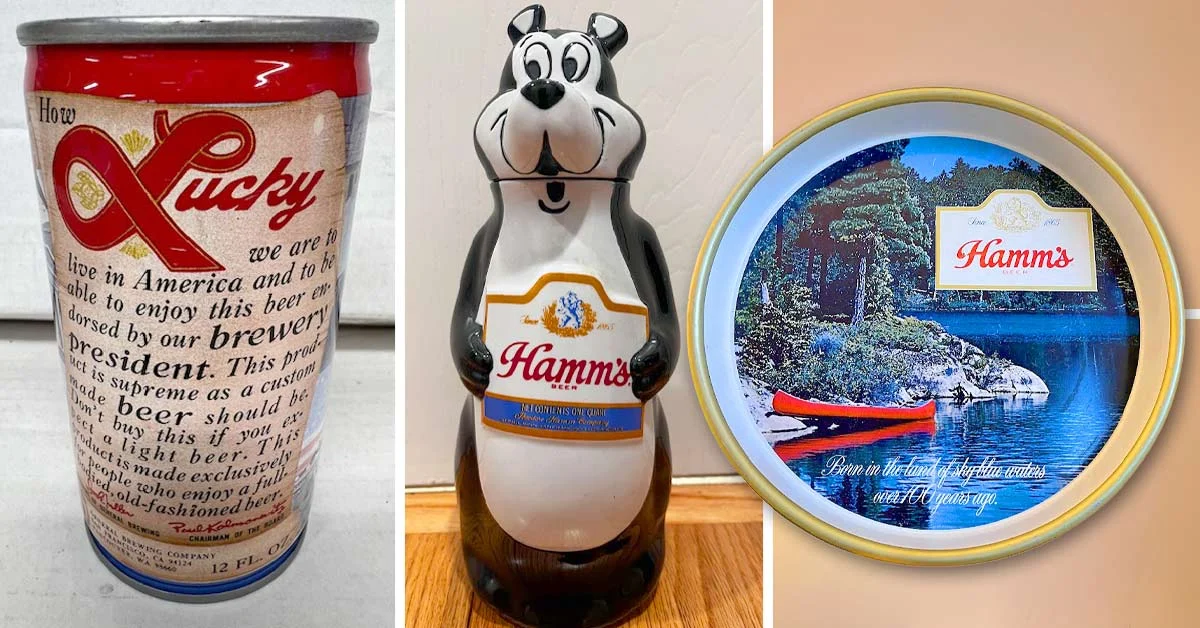
The narrative of the American immigrant experience is frequently anchored to the limestone corridors of Ellis Island and the crowded tenements of New York City’s Lower East Side. However, a parallel and equally transformative history unfolded on the West Coast, where the "golden door" mentioned in Emma Lazarus’s "The New Colossus" opened toward the Pacific. In San Francisco, this journey toward the American Dream was not paved with gold, as many prospectors had hoped, but was instead built within the industrial walls of the city’s burgeoning beer factories. For the Slovene-American community, the brewery industry provided more than just a paycheck; it offered a structured path toward social mobility, community stability, and economic integration during the mid-20th century.
The Evolution of the West Coast Brewing Industry
San Francisco’s identity has long been synonymous with rapid transformation and the pursuit of fortune. In the mid-19th century, the city transitioned from a quiet village known as Yerba Buena into a bustling metropolis, fueled by the 1848 Gold Rush. While literary figures like Richard Henry Dana captured the "worlds not realized" within the city’s expanding borders, the economic reality for most newcomers was industrial rather than mineral. As the initial fervor for gold waned, many would-be miners pivoted to commerce, with brewing emerging as a cornerstone of the local economy.
The history of California beer actually predates the peak of the Gold Rush. Records indicate that the first significant shipment of bottled beer arrived in San Francisco in 1843 via the merchant firm of Benjamin T. Reed. However, the lack of ice and refrigeration in the coastal climate necessitated a unique brewing method known as "steam beer." This process involved cooling the heated wort in shallow, rooftop pools, allowing the temperate San Francisco air to regulate the temperature before yeast was added. This method became the signature of the Anchor Brewing Company, an institution that would survive numerous economic upheavals to become a symbol of the city’s resilient spirit.
By the early 20th century, the brewing industry faced a series of existential threats. The Great Earthquake of 1906 leveled much of the city’s industrial infrastructure, and the subsequent onset of Prohibition in 1920 forced many breweries to pivot to "near beer" or close entirely. Furthermore, the anti-German sentiment that followed World War I placed immense pressure on traditional brewing families. Despite these challenges, the post-Prohibition era saw a consolidation and resurgence of brewing giants, including Lucky Lager, Acme Brewing, and the Milwaukee Brewing Company.
The Slovene-American Migration Patterns
The demographic shift that brought Slovene immigrants to the West Coast was a multi-stage process. In the 1920s, United States census records estimated that approximately 228,000 Slovene-Americans and their children resided in the country. While the majority initially settled in the industrial hubs of the Midwest—specifically Ohio, Pennsylvania, and Illinois—many were drawn to the extractive industries of the West. Mining and agricultural opportunities in Idaho, Montana, and Colorado served as the first stops for many Slovene families before the promise of urban industrial work drew them toward the Pacific.
The trajectory of the Klemens and Judnick families serves as a representative case study of this migration. Many young Slovene men, after serving in World War II, were encouraged to relocate to San Francisco. The city offered a thriving industrial sector, with firms like Soule Steel providing initial employment in the production of landing craft and steel barges for the war effort. However, as the post-war demand for heavy steel began to fluctuate, the Slovene community looked toward the more stable and growing beverage industry.
The transition was facilitated by early pioneers like Joseph Klemens, who secured a position at the Milwaukee Brewing Company (later renamed the San Francisco Brewing Corp. and eventually Burgermeister) shortly after the repeal of Prohibition in 1933. By the 1940s and 1950s, the brewery floor had become a central hub for the Slovene-American community, offering steady wages that allowed these families to move from manual labor in mines to skilled industrial work in a major metropolitan center.
Industrialization and the Rise of Burgermeister
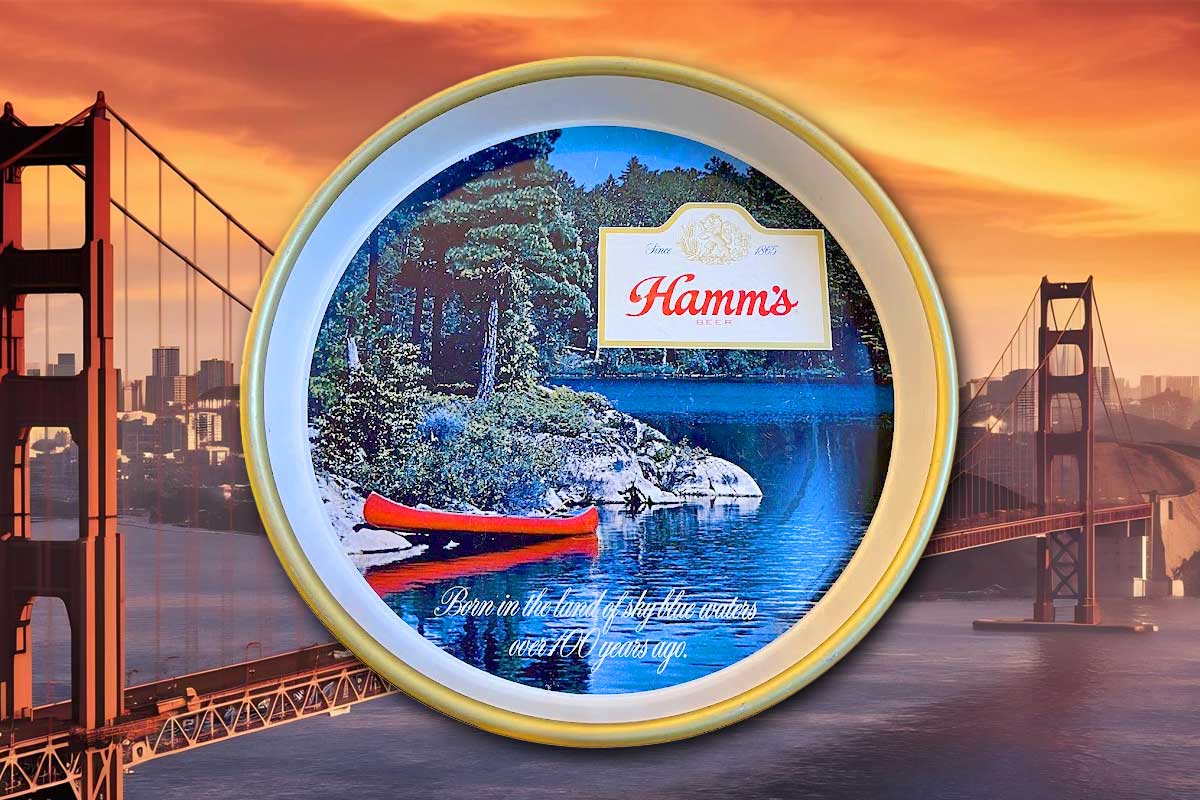
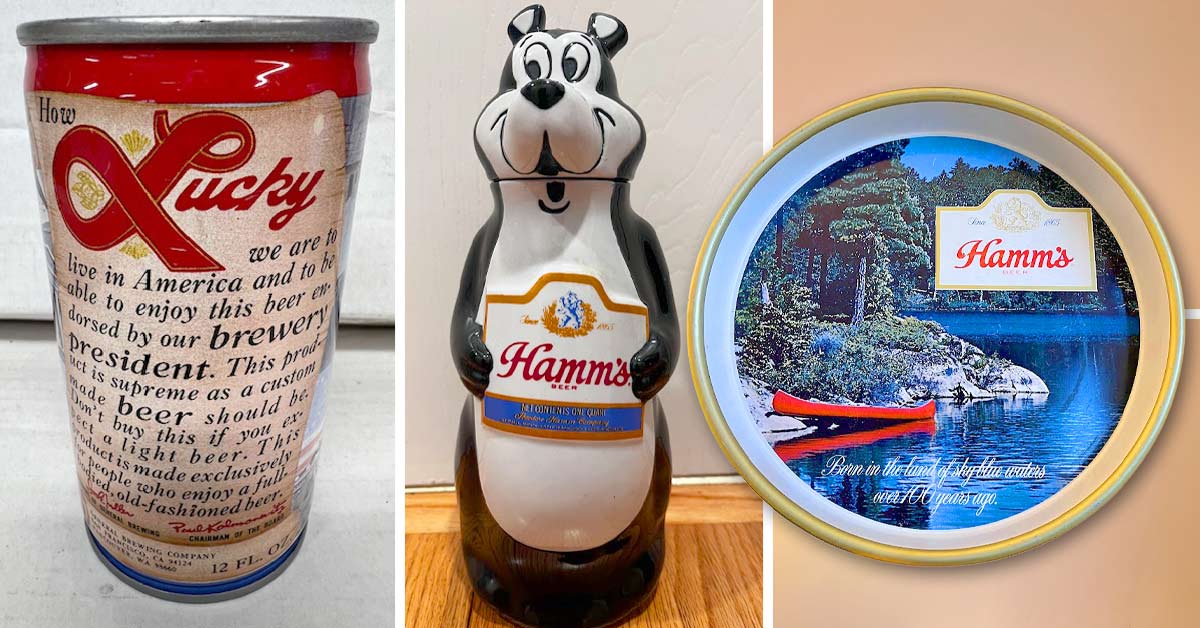
The 1950s represented a "Golden Age" for large-scale brewing in San Francisco. National and regional brands like Hamms, Schlitz, and Regal Pale dominated the market, but it was Burgermeister—affectionately known as "Burgie"—that became the primary employer for the Slovene community. The facility, located in the Mission District, underwent several name changes and expansions, reflecting the broader trend of industrial consolidation in the American economy.
The hiring practices of these breweries were notable for their time. Despite the presence of discriminatory "No Bohunks Need Apply" signs in various California business windows—a derogatory term targeting Czechs, Slovenes, and Slovaks—brewery managers often looked past ethnic prejudices. Many of the managers were immigrants themselves, fostering an environment that prioritized labor and reliability over national origin.
The brewery floors functioned as a social "melting pot." Workers of Slovene, Irish, French, Italian, and Scottish descent labored side-by-side. By the 1970s, this diversity expanded further as the breweries began hiring African American workers, creating a multi-ethnic workforce that mirrored the evolving demographics of the city.
Labor Dynamics and the Economic Impact
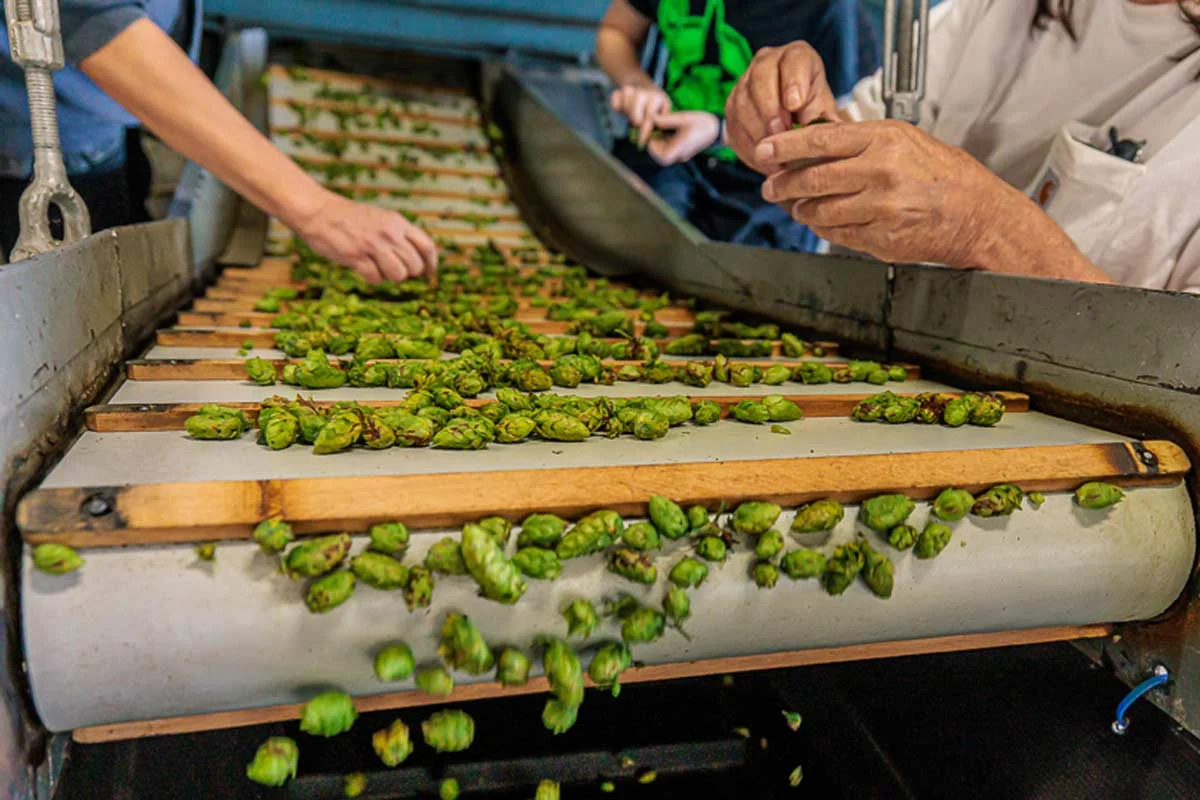
Work in the beer factories was physically demanding but highly sought after due to its financial rewards. Slovene workers were primarily employed in blue-collar roles: packing glass bottles, managing large pallets of cans, operating forklifts to move heavy kegs, and overseeing quality control and pH levels.
The economic structure of the industry provided a clear path to the middle class. A typical eight-hour shift at a peak-capacity factory could produce up to 500,000 units (bottles and cans). This high volume required significant seasonal labor. During the summer months, when demand for beer spiked, workers often took on "double shifts" during swing and graveyard schedules.
The financial benefits of this labor were transformative for immigrant families:
- Upward Mobility: Wages from the brewery floor allowed families to purchase and renovate Victorian homes in San Francisco, contributing to the city’s architectural preservation.
- Education: Many second-generation Slovene-Americans funded their college educations through summer union jobs at the breweries, filling in for regular workers on vacation.
- Union Security: The support of the Teamsters Union ensured that workers received not only competitive pay but also robust pensions upon retirement.
The political consciousness of these workers was also shaped by their industrial environment. During the 1973 Coors boycott—a landmark labor action sparked by allegations of union-busting and discriminatory practices—the Slovene brewery workers in San Francisco stood in solidarity with the union, recognizing that their own stability was tied to the strength of collective bargaining.
Technological Shifts and the Transition to Craft Brewing
The decline of the traditional industrial brewery in San Francisco was driven by two primary factors: technological automation and the rise of the craft beer movement. By the late 1960s, the "Big Three" regional brewers began to face intense competition from national brands that benefited from massive economies of scale. Simultaneously, the introduction of automated machinery began to reduce the need for human labor on the packaging and filling lines.
In 1965, the purchase of Anchor Brewing by Fritz Maytag signaled a shift in the industry’s philosophy. Maytag’s focus on small-batch quality over mass production laid the groundwork for the modern craft beer revolution. While this shift was culturally significant, it necessitated a different labor model that favored smaller workforces and specialized skills, eventually leading to the closure of the massive industrial plants like Burgermeister.
By the 1980s, the era of the large-scale Slovene brewery worker had largely come to an end. Many workers transitioned to other beverage plants, such as the 7UP and Coca-Cola facilities, while others retired on the pensions they had earned during the industry’s peak years.
Contemporary Legacy and Global Connection
Today, the physical footprint of San Francisco’s industrial brewing past has been largely repurposed. The former Burgermeister factory, for instance, now houses a Costco wholesale warehouse. However, the cultural legacy remains vibrant. San Francisco Beer Week, an annual 10-day event held in February, continues to draw hundreds of thousands of participants and features hundreds of Northern California breweries.
Interestingly, the connection between Slovenia and the beer industry has come full circle. Slovenia itself has developed a sophisticated beer culture, currently dominated by the Heineken-owned brands Laško and Union. At international beer festivals and specialized bottle shops in the Bay Area, these Slovenian imports are frequently featured, serving as a reminder of the historical ties between the two regions.
The story of the Slovene-American brewery workers is a testament to the role of industrial labor in the immigrant narrative. It highlights how a specific industry—often overlooked in favor of the more glamorous tales of the Gold Rush or the tech boom—provided the essential foundation for thousands of families to build a permanent and prosperous home on the West Coast. As the city continues to change, the memory of the "brew floor melting pot" stands as a vital chapter in the history of San Francisco’s labor and immigration.