admin
admin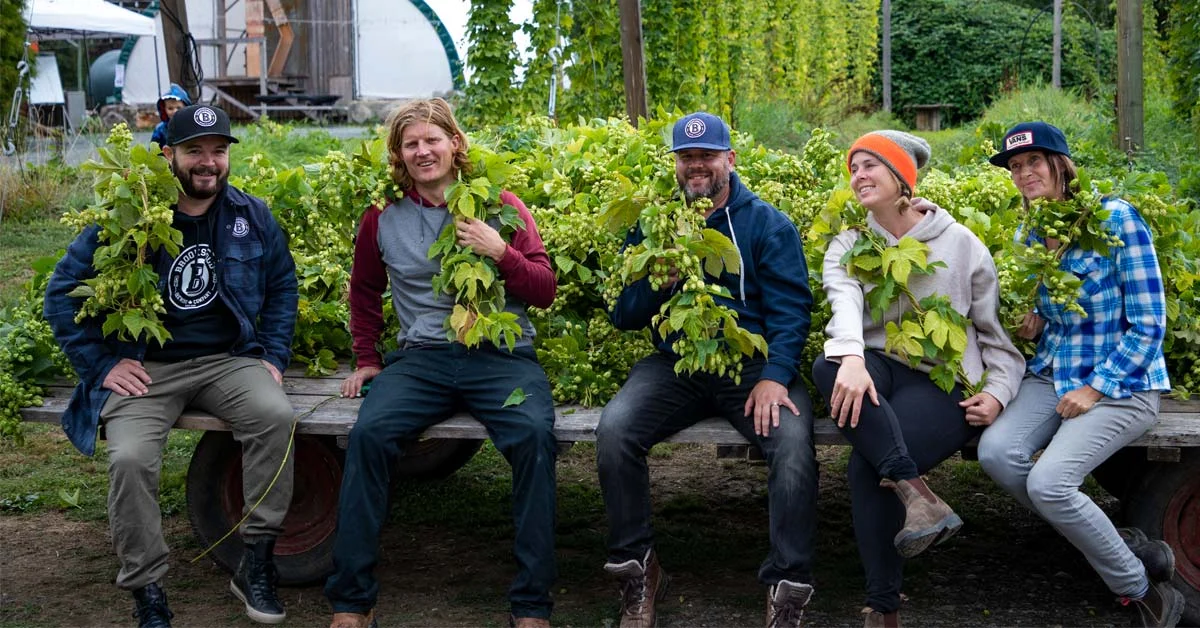
The intersection of Indigenous identity and the Canadian alcohol industry remains one of the most complex socioeconomic landscapes in North America, characterized by a painful colonial history, a contemporary struggle for self-determination, and a burgeoning movement of craft beer entrepreneurship. In March 2021, this tension moved to the forefront of national conversation when the Indigenous Brew Crew (IBC), a trio of Indigenous brewers, launched the "Celebrating Sisters" campaign. The initiative was designed to support Indigenous women through the medium of craft beer, yet it quickly became a lightning rod for a much deeper debate regarding the ethics of marketing alcohol within communities that have historically suffered from its weaponization by the state.
The campaign featured artwork by Anishinaabe artist Chief Lady Bird, whose label—a blackbird set against a woodland backdrop—was met with a polarized reception. While many praised the project for its visibility and charitable goals, others expressed profound anguish, citing the intergenerational trauma caused by alcohol. The controversy ultimately led to the dissolution of the IBC months later, highlighting a persistent silence surrounding the role of Indigenous people in the beverage industry. However, beneath this silence, a growing number of Indigenous brewers, owners, and stakeholders are reclaiming their space in the market, asserting that inclusion is a vital component of economic sovereignty.
The Legislative Legacy of the Indian Act and Cultural Genocide
To understand the current friction, one must examine the legislative framework that governed Indigenous life for over a century. The Indian Act of 1876 was not merely a set of administrative rules; it was a tool of systemic marginalization that defined "Indian" identity and strictly controlled every facet of Indigenous existence, from land use to governance. Central to this control were prohibition laws that excluded Indigenous people from the alcohol industry. For decades, they were legally barred from purchasing or consuming alcohol, or even voting on liquor-related matters.
During this era, non-alcoholic beer was colloquially and pejoratively referred to as "Indian Beer," a reflection of the legal barriers in place. Simultaneously, settlers and government agents used alcohol as a tool to destabilize traditional Indigenous trading systems, fostering a cycle of dependency. This was further exacerbated by the residential school system and the "Sixties Scoop," which the 2015 Truth and Reconciliation Commission (TRC) labeled as "cultural genocide." These institutions inflicted deep psychological wounds, leading many to use alcohol as a coping mechanism for trauma.
As Anishinaabe professor Niigaan Sinclair notes, while forms of alcohol existed in some Indigenous cultures for medicinal or ceremonial purposes, the modern history of the substance is inextricably linked to colonial violence. Although legislative changes between the 1950s and 1980s eventually granted Indigenous people the same legal rights to alcohol as other Canadians, the socioeconomic scars of the previous century remain a primary concern for many community members who advocate for harm reduction and prohibition.

The Rise of Indigenous Entrepreneurship in Craft Beer
Despite this fraught history, the 21st century has seen a significant shift toward Indigenous ownership within the craft beer sector. These entrepreneurs view their businesses not just as commercial ventures, but as platforms for representation and land stewardship.
Melanie MacInnes, a Métis woman and co-owner of Locality Brewing in Langley, British Columbia, exemplifies the internal conflict many Indigenous owners face. MacInnes initially hesitated to identify her business as Indigenous-led, fearing the responsibility and potential backlash. However, after accepting a nomination for Best Indigenous-Led Business at the 2022 BC Food & Beverage Awards—which she subsequently won—she embraced the role. MacInnes argues that Indigenous people are the "fabric of the country" and that their presence in every business sector, including brewing, is essential for cultural enrichment and economic health.
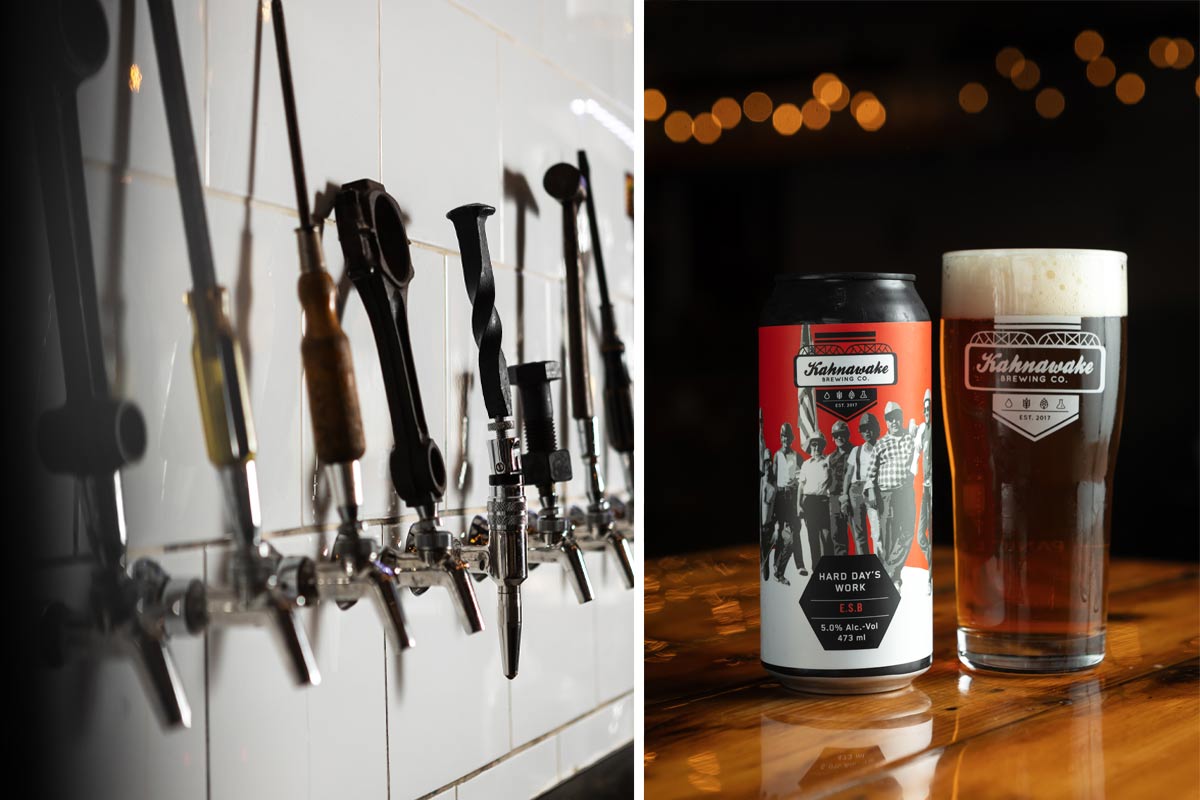
Similarly, Kahnawake Brewing Company & Black Bridge Taproom in Quebec made history as the first openly Indigenous-owned craft brewery located on Indigenous land. Co-owner Fred Leblanc, a former ironworker, drew inspiration from the Mohawk ironworkers who built the Saint-Laurent Railway Bridge in 1900. By naming the brewery after the "black bridge," Leblanc anchored the business in local history. His success, evidenced by multiple medals at the Canada Beer Cup in 2024 and 2025, demonstrates the viability of Indigenous-owned enterprises that serve both their local communities and the broader public.
Navigating Identity and Market Representation
For many Indigenous brewers, the craft beer industry offers a unique opportunity to challenge stereotypes. Kevin Symington, a Métis brewer who has worked with Fernie Brewing Co. and Crannog Ales, has focused his career on advancing truth and reconciliation through industry DEI (Diversity, Equity, and Inclusion) committees. Symington highlights the importance of farm breweries like Crannog, which prioritize land respect and Indigenous history, creating what he describes as "safe spaces" for Indigenous workers.
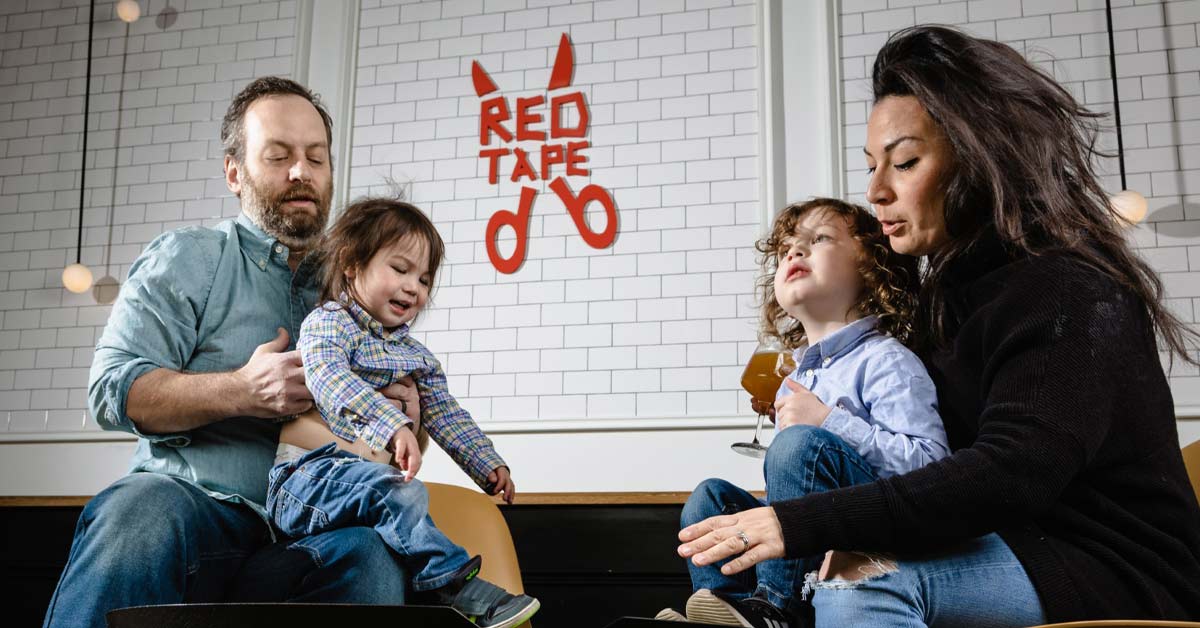
However, the experience of being Indigenous in the beer industry is not uniform. Sarabeth Holden, an Inuit brewer and co-owner of Toronto’s Red Tape Brewery, reports that she often feels like an outsider in an industry dominated by a specific demographic "look." Holden, who is also a children’s book author, has noted instances where she is not taken seriously by tradespeople or customers. Conversely, Jason Tremblay of Two Loons Brewing acknowledges his "white-passing" privilege, noting that he does not face the same immediate discrimination or "side-eye" as First Nations brewers who are more visibly Indigenous.
Tremblay points to the "entrepreneurial spirit" as a method of reclaiming agency. He notes that the government’s theft of Métis lands in the 1870s forced many families to "hustle in plain sight," which eventually led to the ownership of bars and breweries. This spirit of self-reliance is now being supported by organizations like the Manitoba Métis Federation and Farm Credit Canada, which provide financial infrastructure tailored to Indigenous entrepreneurs.

Redefining "Indigenous Beer" Through Ingredients and Storytelling
A central question in the industry is what constitutes an "Indigenous beer." For some, it is the identity of the brewer; for others, it is the sourcing of ingredients and the narrative behind the product.
- Locality Brewing: Focuses on the ethical use of land and involvement in the entire production chain.
- Nonsuch Brewing Co.: Co-owner Matthew Sabourin hosts "Beer Bannock" experiences in Winnipeg, where customers learn about Indigenous history and Louis Riel while pairing beer with traditional unleavened bread.
- Red Tape Brewery: Sarabeth Holden incorporates ingredients tied to her Inuit heritage, such as orange pekoe tea—a staple during hunting trips in the north—and dwarf fireweed (Paunnat) for seasonal saisons.
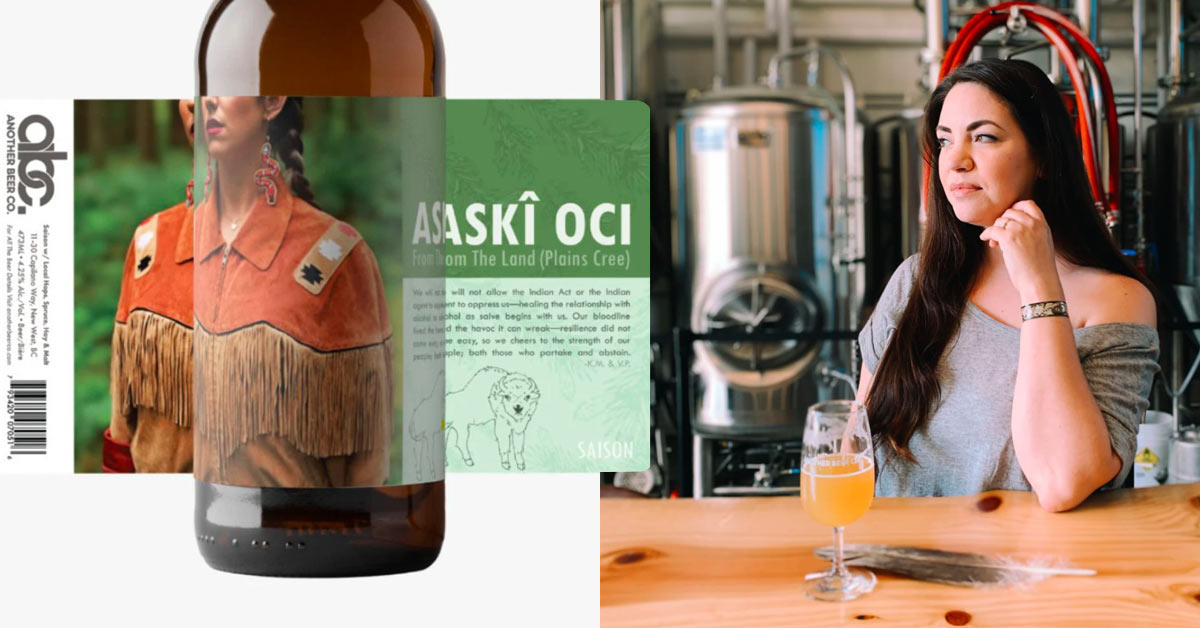
- Heartberry Soda & Another Beer Co.: Nadine Jopson of the Cree Nation developed the "Aski Oci" saison using alfalfa and spruce tips. The beer’s label explicitly addressed the Indian Act, stating that healing the relationship with alcohol begins with Indigenous people themselves.
These efforts suggest that for many Indigenous participants, the goal is to shift the focus from mass consumption to the "celebration of moments and experiences," as Sabourin puts it.
The Path Toward True Inclusion and Sovereignty
The consensus among Indigenous industry leaders is that inclusion must go beyond tokenism or marketing campaigns. Darnell Stager of Indigenous Tourism BC argues that antagonism toward Indigenous brewers is often a remnant of colonial economic gatekeeping. He asserts that "self-determination" means Indigenous people must have the right to work in any industry they choose, free from the "ward of the state" status historically imposed by the Indian Act.
Inez Cook, co-founder of the Indigenous restaurant Salmon n’ Bannock, emphasizes that reconciliation in the business world requires a shift in perspective. She suggests that breweries should proactively introduce themselves to local tribal nations, noting that "Indigenous people do business with people, not with businesses."
Professor Niigaan Sinclair echoes this sentiment, framing the relationship with alcohol through the lens of Anishinaabe teachings. He posits that while alcohol has been a "violent intrusion," it is ultimately derived from natural elements, and Indigenous people must figure out a relationship with it on their own terms. Sovereignty, in this context, is not just the right to produce or sell alcohol, but the responsibility to do so in a way that avoids harm and respects the community’s history.
As the Canadian craft beer industry continues to evolve, the voices of Indigenous brewers offer a roadmap for a more ethical and inclusive future. By breaking the silence, prioritizing people over profits, and respecting the land, these entrepreneurs are not just making beer; they are reclaiming a narrative that was once used to oppress them. The success of these ventures suggests that the industry’s path forward lies in its ability to listen to and integrate these perspectives, turning a source of historical pain into a medium for modern sovereignty.