admin
admin
The American craft beer movement, which traces its roots to the microbrewing revolution of the 1980s and 1990s, has been characterized by a relentless pursuit of innovation and a willingness to defy traditional stylistic boundaries. As the industry matured and the number of operational breweries in the United States surged past 9,000, the need for brand differentiation became paramount. This competitive pressure birthed various trends, from the IBU-heavy West Coast IPAs to the hazy, juice-forward New England IPAs. However, few styles have challenged the definition of "beer" as significantly as the smoothie sour—a thick, fruit-laden, often dessert-inspired beverage that has captured a new demographic of drinkers while sparking debate among traditionalists.
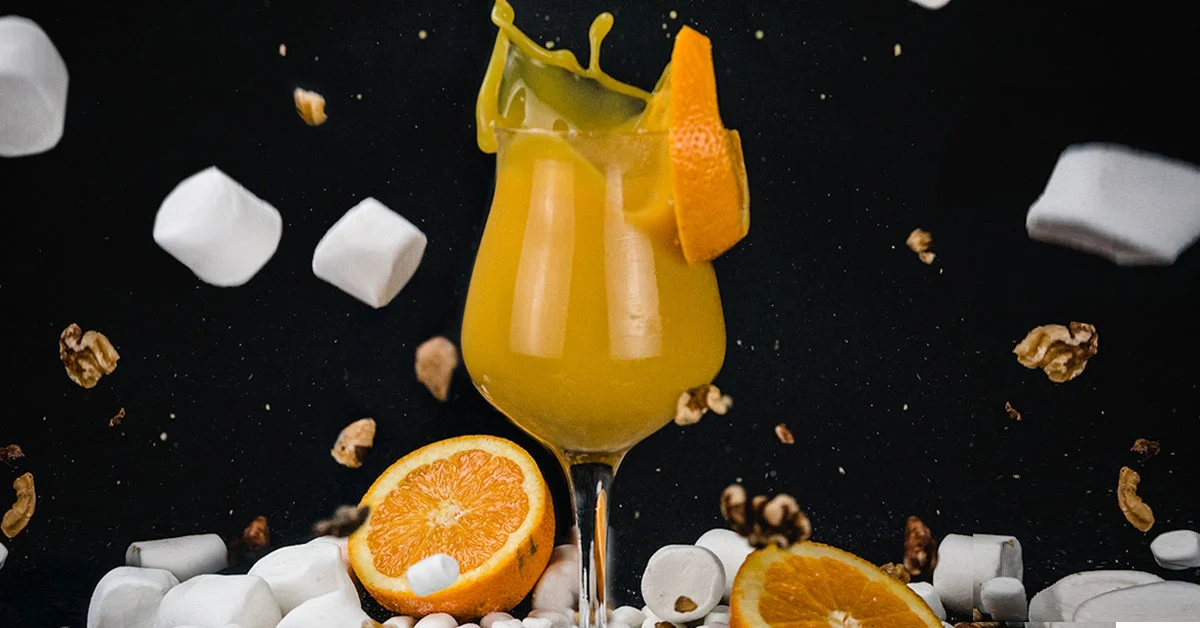
The smoothie sour did not emerge in a vacuum. It represents the logical extreme of the fruited sour lineage, which began with traditional European styles like the German Gose and the Belgian Kriek. While those historical styles utilized fruit to provide a subtle balance to acidity and funk, the modern smoothie sour prioritizes a viscous mouthfeel and intense, unfermented fruit flavors. This transition was fueled by the introduction of non-traditional adjuncts—marshmallows, vanilla, lactose, and even cookies—transforming the pint glass into a vessel for liquid culinary expression.
The Pioneers of the "Culinary" Beer Movement
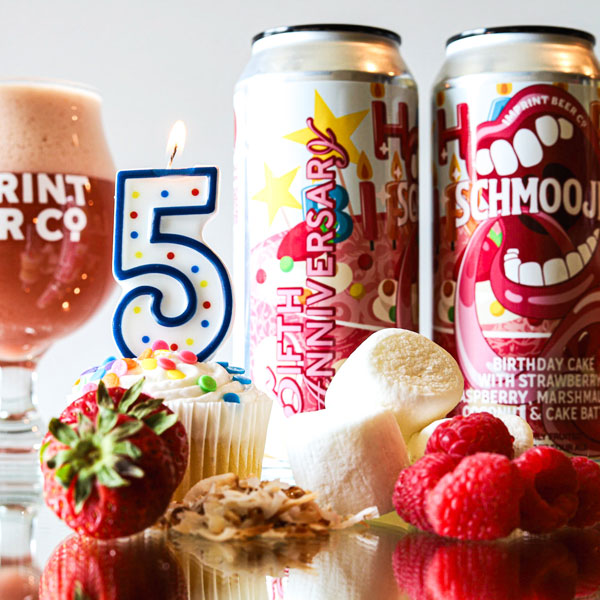
The rise of the smoothie sour is inextricably linked to a handful of breweries that treated beer as a canvas for complex flavor profiles. Imprint Beer Company, located in Hatfield, Pennsylvania, is widely regarded as one of the style’s early architects. According to co-founder and brewer Ryan Diehl, the brewery’s pivot toward the style was cemented during a pivotal event that served as their "coming out party."
At this event, Imprint introduced "Puffsicle," a sour ale brewed with a combination of raspberry, blueberry, pineapple, and marshmallow. The public reception was immediate and overwhelming, signaling a market appetite for beers that leaned into sweetness and texture. This success led to the development of the "Schmoojee" line, a series of beers that have become a cornerstone of the brewery’s identity. The Schmoojee series frequently incorporates ingredients such as cheesecake, white chocolate, and fudge, pushing the boundaries of what consumers expect from a fermented malt beverage.
The production of these beers requires a departure from standard brewing timelines. At Imprint, the base beer undergoes a fermentation period of eight to eleven days before the souring agent and the primary adjuncts are introduced. This multi-stage process ensures that the base remains stable enough to support the massive volume of fruit puree added post-fermentation.
Market Reinvention and the Shift Toward "Adult Kool-Aid"
In Dallas, Texas, 903 Brewers encountered the smoothie sour trend from a different perspective: the need for brand reinvention. After six years of operation, owner and founder Jeremy Roberts observed a shift in consumer behavior. The rise of ready-to-drink (RTD) cocktails and hard seltzers suggested that a portion of the market was moving away from traditional hop-forward or malt-heavy profiles.
To bridge this gap, 903 Brewers developed a cherry limeade sour inspired by the popular Sonic Drive-In beverage. The goal was to create a "fun and exciting" entry point for those who claimed they did not like beer. The rapid sell-out of the cherry limeade sour led to the creation of the "Slushy" line, which features eccentric offerings like Blueberry Donut Slushy and the Dad’s Day Out Slushy, the latter of which includes edible glitter.
Similarly, Oozlefinch Beers & Blending in Fort Monroe, Virginia, sought to solve a technical problem common in fruited ales: the loss of sweetness. Founder and CEO Russ Tinsley noted that while they had produced fruited sours for years, the natural sugars often fermented out, leaving the beer dry rather than lush. Their inaugural smoothie sour, "A Very Thirsty Caterpillar," utilized heavy doses of vanilla and lactose to retain a dessert-like quality.
Head brewer Logan Morris refers to these creations as "Kool-Aid for adults," though he emphasizes that the brewing process is far from simple. Oozlefinch utilizes a specific yeast strain that produces lactic acid naturally, and in some instances, they have used charcoal as a thickening agent to achieve the desired "smoothie" consistency.
Technical Innovations and the Importance of Pasteurization
The production of smoothie sours introduces significant technical challenges, particularly regarding shelf stability and consumer safety. Because these beers are often "back-sweetened" with large quantities of fruit puree after the primary fermentation is complete, they contain a high concentration of fermentable sugars. If the beer is not handled correctly, residual yeast in the can may begin to ferment those sugars, creating CO2 pressure that can lead to "exploding cans."
To mitigate this risk, sophisticated operations like Oozlefinch and Corporate Ladder Brewing in Palmetto, Florida, utilize pasteurization. By heating the finished product to a specific temperature for a set duration, brewers can neutralize the yeast and bacteria, ensuring the beer remains stable at room temperature and the flavor profile stays consistent with the brewer’s intent.
At Corporate Ladder Brewing, co-owners Blake Kleppe and James Herrholz focus on the "sensory experience." Their "Dessert Station" line aims for literal interpretations of food items, such as Pumpkin Pie A La Mode (brewed with pumpkin, vanilla ice cream, and spices) or "Intangible," a creamsicle-inspired ale conditioned on tangerine and vanilla beans. Herrholz notes that ingredient sourcing is the most critical phase of their process, as the goal is for the beer to taste exactly like the inspiration cited on the label.
Data and Demographic Implications
The smoothie sour trend reflects broader shifts in the alcohol industry. According to data from the Brewers Association, while IPA remains the dominant craft style by volume, the "sour/fruit/lambic" category has seen consistent growth over the last five years. Furthermore, the "flavor-forward" segment of the market is attracting a younger, more diverse demographic that values variety and novelty over traditional stylistic adherence.
The economic impact is also notable. Smoothie sours, due to the high cost of fruit purees and the specialized equipment required for pasteurization, often command premium prices. It is not uncommon for four-packs of these beers to retail for $20 to $30, yet they frequently sell out within hours of release. This "drop culture" has created a secondary market and a dedicated following of enthusiasts who travel across state lines to attend release events.
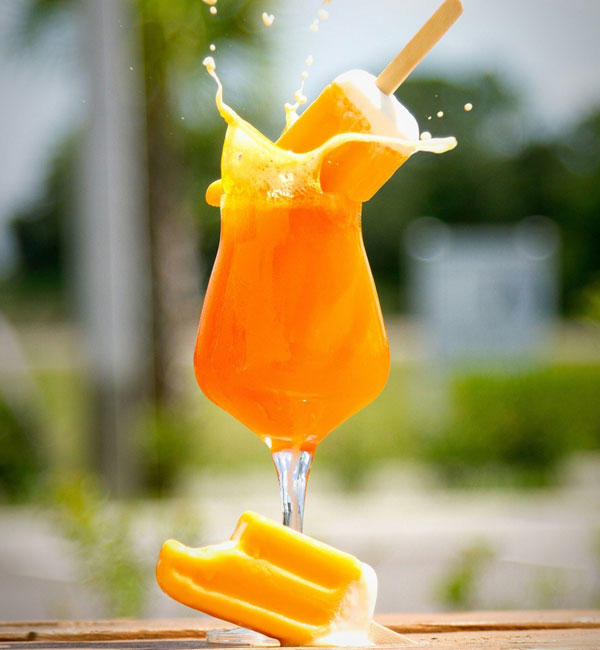
The Industry Debate: Is It Still Beer?
The rise of the smoothie sour has not been without controversy. Purists argue that by adding massive amounts of unfermented fruit and thickeners, these beverages move too far away from the fundamental definition of beer—a fermented beverage made from water, malt, hops, and yeast. In some jurisdictions, the high fruit content even raises questions regarding tax classification and whether these products should be labeled as fruit wines or malt beverages.
However, the brewers at the forefront of the movement remain unfazed. Blake Kleppe of Corporate Ladder asserts that the primary goal is to provide a product people enjoy. "If people think that the smoothie sours shouldn’t be considered beer, we don’t really care, as long as they enjoyed it," he stated. This sentiment is echoed by many in the "brotherhood" of smoothie sour producers, which includes notable names such as Drekker Brewing Company (North Dakota), Mortalis Brewing Company (New York), Burley Oak Brewery (Maryland), 450 North Brewing Company (Indiana), and The Answer Brewpub (Virginia).
Conclusion and Future Outlook
The smoothie sour has transitioned from a niche fad to a mainstay of the craft beer landscape. Its success highlights a broader industry trend toward "liquid for everyone," where the boundaries between beer, cocktails, and culinary desserts continue to blur. As brewing technology advances—particularly in the realms of fruit processing and shelf stabilization—the style is likely to become even more sophisticated.
While the "purist" debate will undoubtedly continue, the commercial reality is clear: smoothie sours have expanded the craft beer tent. By leveraging the nostalgia of childhood flavors and the complexity of modern culinary techniques, breweries have found a way to remain relevant in an increasingly crowded market. For the consumer, this means an ever-evolving array of flavors and a drinking experience that prioritizes fun and exploration over tradition. As the industry looks toward the next decade, the smoothie sour stands as a testament to the enduring creativity of the American craft brewer.