admin
admin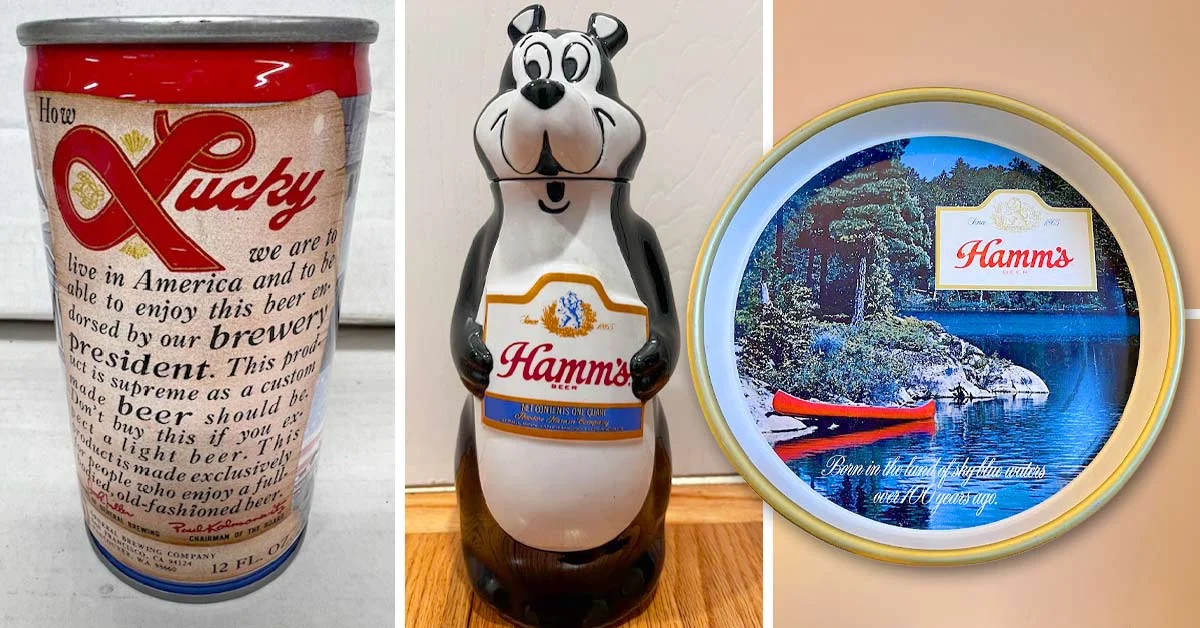
While the narrative of the American immigrant experience is frequently anchored to the bustling ports and crowded tenements of the East Coast, the Pacific shoreline offered a different, yet equally transformative, promise of prosperity. In San Francisco, a city defined by successive waves of economic transformation, the brewing industry emerged as a critical pillar of social and economic mobility for Eastern European migrants during the 20th century. For the Slovene-American community, the city’s massive beer factories provided more than just manual labor; they offered a gateway to the middle class, union-protected stability, and a sense of belonging in a rapidly evolving American landscape.
The Industrial Evolution of San Francisco: From Gold to Grain
The historical trajectory of San Francisco is one of constant reinvention. In the mid-19th century, the city transitioned from a quiet maritime outpost known as Yerba Buena into a global hub of commerce fueled by the 1848 Gold Rush. However, as noted by contemporary observers like Richard Henry Dana in his 1858 essay "Twenty-Four Years After," the true fortunes of the era were rarely found in the gold mines. Instead, the real wealth was generated by the merchants and industrialists who built the infrastructure of the burgeoning city.
Among these early industries, brewing held a place of particular prominence. California’s beer history predates the peak of the Gold Rush, with the first recorded shipment of bottled beer arriving in San Francisco in 1843 via the firm of Benjamin T. Reed. Due to the lack of natural ice and refrigeration in the temperate coastal climate, early brewers developed "steam beer." This unique process involved cooling the heated wort in shallow rooftop vats, utilizing the cool Pacific breezes before adding yeast. This method became synonymous with the San Francisco working class, with the Anchor Brewing Company eventually trademarking the term to preserve this specific regional heritage.
By the early 20th century, San Francisco’s brewing landscape was a reflection of the city’s resilience. Despite the devastation of the 1906 Great Earthquake, the restrictive era of Prohibition (1920–1933), and the anti-German sentiment of the World War I era, the industry persisted. Following the repeal of the 18th Amendment, brewing empires such as Lucky Lager, Acme Brewing, and the Milwaukee Brewing Company—later known as the San Francisco Brewing Corp. and eventually Burgermeister—re-emerged as major employers.
The Slovene Migration: From the Mines to the Bay
The story of the Slovene-American community in San Francisco is intertwined with the broader patterns of South Slavic migration to the United States. In the early 1900s, many Slovenian immigrants initially settled in the Midwest and the Mountain West, finding work in the coal mines of Colorado, the copper mines of Montana, and the agricultural fields of Idaho. According to the 1920 U.S. Census, approximately 228,000 Slovene-Americans and their children resided in the United States, though many were often categorized under the broader "Yugoslavian" label in official records.
The transition to San Francisco often occurred in the wake of global upheaval. Many young Slovene men, such as Alois "Louie" Judnick, represented a generation caught between two worlds. Born in the U.S. but raised in the Kingdom of Yugoslavia during the interwar period, these individuals returned to America during the Great Depression in search of opportunity. Following service in World War II—often in high-stakes environments like General Patton’s Third Army—veterans were drawn to the West Coast’s post-war industrial boom.
In San Francisco, these men initially found work in wartime industries like Soule Steel, which produced landing craft and steel barges. However, as defense contracts waned in the late 1940s, the brewing industry became the primary destination for Slovene labor. The Milwaukee Brewing Company (Burgermeister) became a central hub for this community, thanks in part to pioneering employees like Joseph Klemens, who advocated for the hiring of fellow immigrants.
Labor and the "Melting Pot" of the Brew Floor
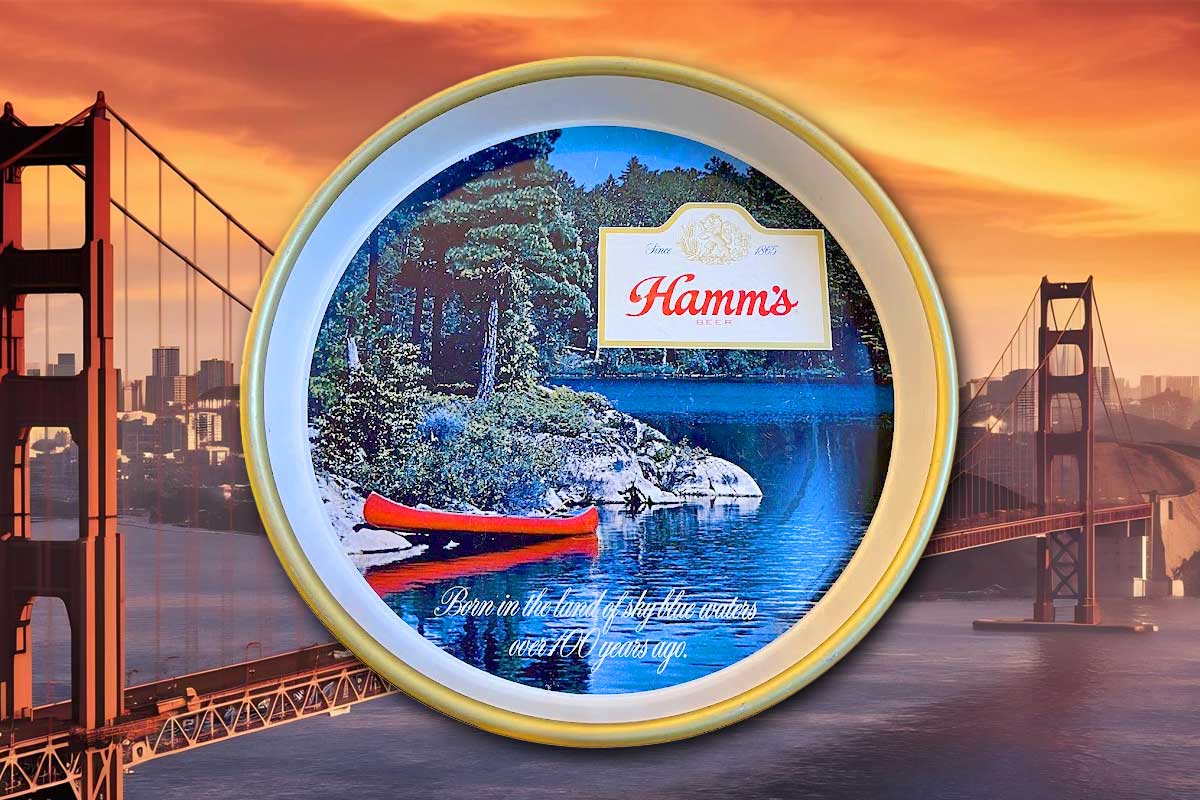
The 1950s marked a golden age for San Francisco’s large-scale breweries. The city’s industrial landscape was dotted with the logos of Hamms, Schlitz, Regal Pale, and "Burgie." These facilities operated as microcosms of the American "melting pot," where Slovene immigrants worked alongside Irish, French, Italian, and Scottish laborers.
This integration was significant given the social climate of the time. In the 1950s and 60s, "No Bohunks Need Apply" signs were not uncommon in various business sectors—a derogatory term targeting Czechs, Slovenes, and Slovaks. The brewing industry, however, often prioritized hard labor and reliability over ethnic origin. By the 1970s, the workforce further diversified to include African American workers, creating a multicultural environment on the factory floors.
The work was physically demanding and categorized into several key roles:
- Warehouse Operations: Workers packed glass bottles and moved large pallets of cans or heavy kegs using forklifts.
- Production Lines: Laborers manned the fillers, added labels, and sealed caps with mechanical precision.
- Quality Control: Specialized workers tested the product’s pH levels and ensured consistency across thousands of gallons of beer.
- Management: While most Slovenes worked blue-collar roles, a small percentage ascended to office management positions.
Economic Mobility and Union Protection
For the Slovene-American community, the beer factory was a vehicle for upward mobility. The wages were high enough to allow families to move out of tenements and into the city’s iconic Victorian homes, many of which were renovated by the workers themselves during their off-hours.
A critical component of this stability was the influence of the International Brotherhood of Teamsters. Union membership provided not only competitive wages but also the security of a pension, a rarity for many immigrant laborers of previous generations. The strength of this union was evidenced during the 1973 Coors boycott, where San Francisco brewery workers stood in solidarity against perceived union-busting and discriminatory hiring practices at other plants.
The industry also provided a seasonal economic boost. During the high-demand summer months, factories operated around the clock, offering extensive overtime. This allowed the sons of the original immigrants to work "swing" and "graveyard" shifts to fund their college educations. This generational shift transformed the community from manual laborers to professionals, including teachers, engineers, and business owners.
The Vietnam War and Industrial Solidarity
The cultural impact of the breweries extended beyond the city limits, reaching as far as the front lines of the Vietnam War. Many brewery workers were veterans of World War II or the Korean War, and they maintained a deep connection to the servicemen overseas.
During the conflict, workers at San Francisco plants would often line the pallets of beer destined for Vietnam with newspapers, magazines, and letters from home. For soldiers like Dan Judnick, who served in the Navy in 1971, receiving a shipment of local San Francisco beer served as a vital link to their community and a reminder of the industrial heritage they had left behind.
The Transition to Automation and the Rise of Craft Beer
By the late 1970s, the era of the massive urban beer factory began to decline. The same technological revolution that birthed the Silicon Valley computer boom brought automation to the brew floor. Machines began to replace the manual labor of packing, sealing, and testing, leading to a gradual reduction in the workforce.
As the large plants like Burgermeister closed—with the original factory site eventually being converted into a Costco—the industry shifted. In 1965, Fritz Maytag’s acquisition of the struggling Anchor Brewing Company signaled the birth of the modern craft brewery movement. This shift prioritized small-batch quality and traditional methods over the mass-production model that had sustained the Slovene community for decades.
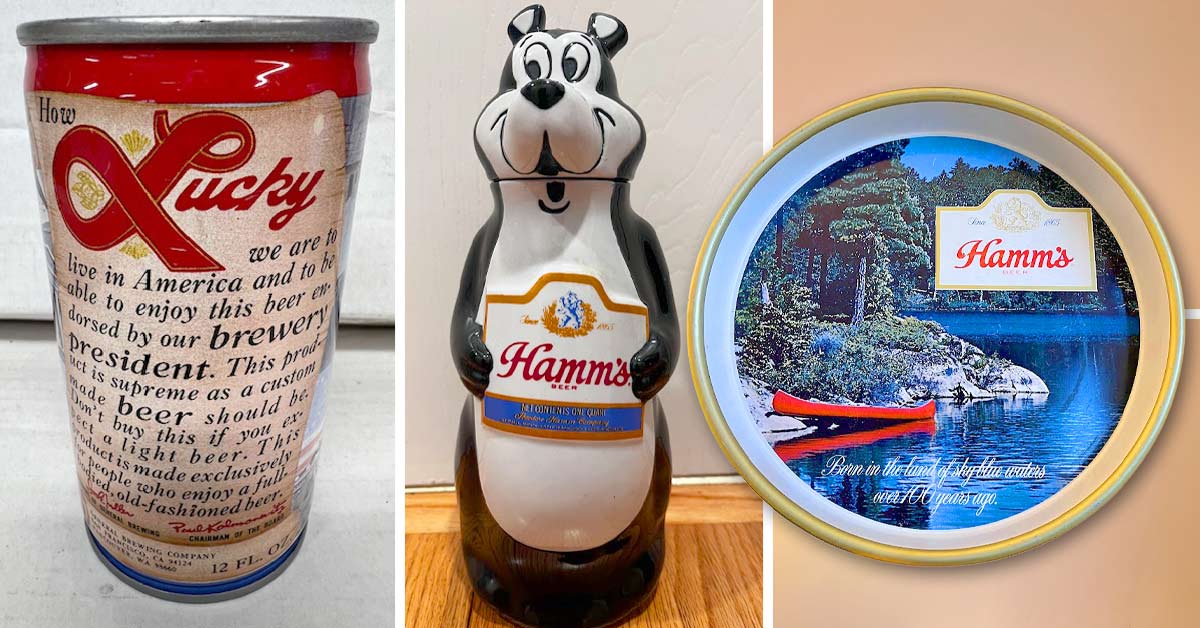
While many Slovene workers retired as the factories closed, their legacy persisted through their children and the memorabilia that remained in their homes—promotional trays, vintage calendars, and a fierce loyalty to California-made products.
Contemporary Legacy and Regional Significance
Today, San Francisco remains a focal point of the global beer industry, though its form has changed. Events like SF Beer Week, held annually in February, showcase hundreds of Northern California breweries, maintaining the region’s status as a brewing powerhouse.
The connection to Slovenia also remains vibrant. As Slovenia developed its own thriving beer culture—centered on major brands like Laško and Union—European bottle shops in the Bay Area have begun to bridge the gap between the old world and the new. For the descendants of the original Slovene brewery workers, the act of sharing a beer remains a tribute to the "work of their hands" that built their family’s American foundation.
The history of the Slovene-American beer workers serves as a testament to the role of urban industry in the immigrant narrative. It is a story of how a specific trade, protected by labor unions and fueled by post-war demand, allowed a marginalized community to find its place beside the "golden door" of the West Coast. As the industry continues to evolve from steam beer to craft IPAs, the underlying themes of hard labor, community solidarity, and economic aspiration remain the true ingredients of the San Francisco story.