admin
admin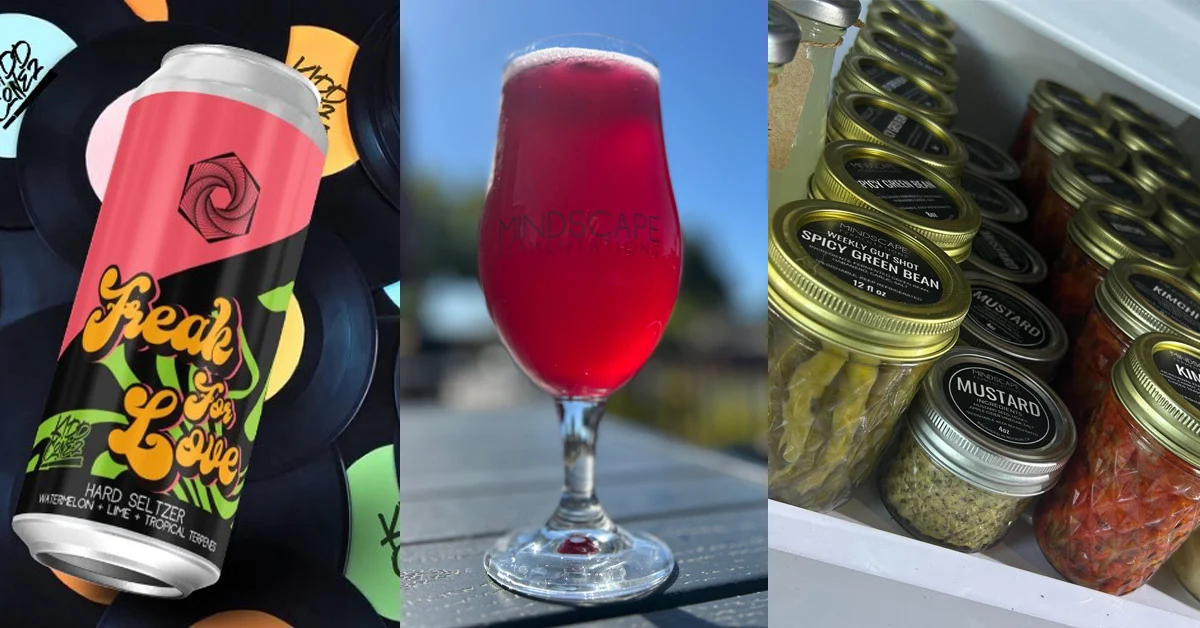
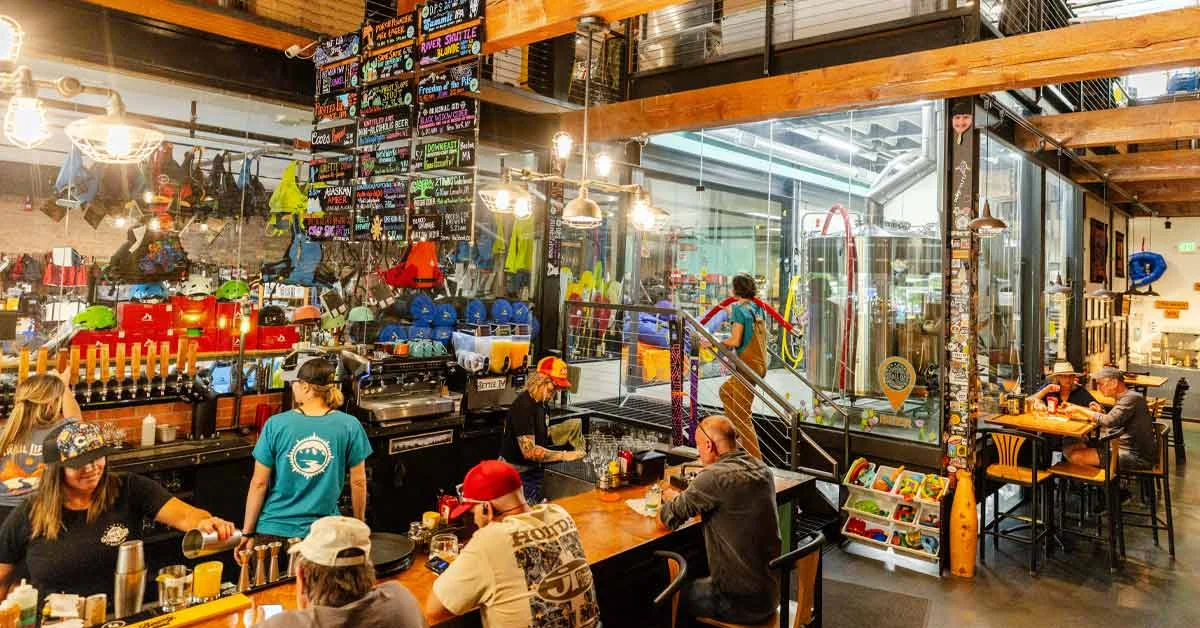
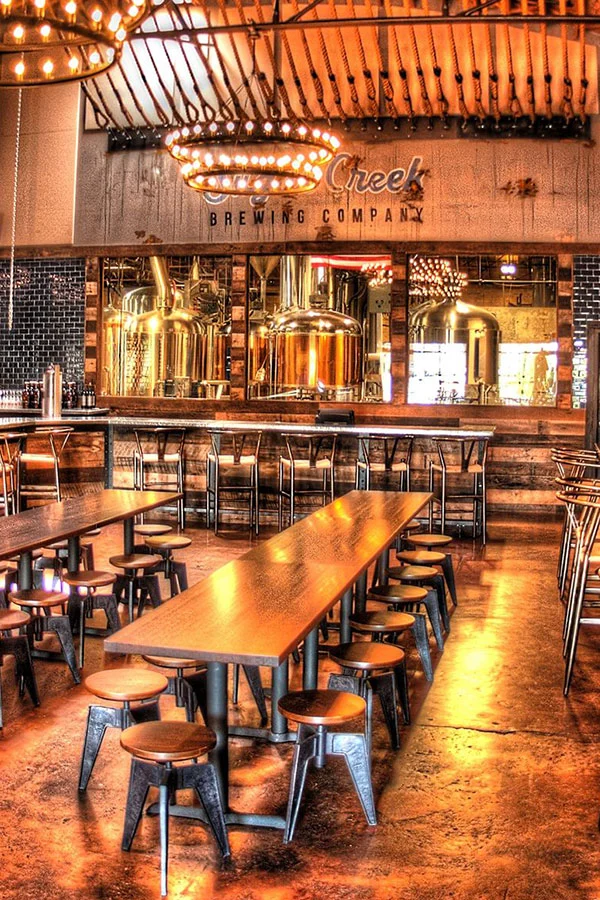
The traditional image of the brewery as a purely industrial production facility is rapidly being replaced by a more multifaceted identity as these establishments evolve into essential community anchors. While the craft beer revolution of the early 2010s focused primarily on the innovation of flavor profiles and the expansion of the India Pale Ale (IPA) category, the current era of brewing is defined by a radical reimagining of the physical and conceptual space. Faced with a cooling global economy, rising raw material costs, and a shifting consumer demographic that increasingly values experience over mere consumption, brewery owners are pivoting toward models that prioritize social integration, shared infrastructure, and a broader definition of fermentation.
This transformation is not merely an aesthetic choice but a strategic response to market saturation. According to industry data from the Brewers Association, while the number of operating craft breweries in the United States reached an all-time high in recent years, the rate of growth has slowed significantly, forcing entrepreneurs to find "blue ocean" strategies to differentiate themselves. The result is a new generation of breweries that function as "third places"—the social surroundings separate from the two usual social environments of home and the workplace—incorporating everything from co-working spaces and boutique lodging to communal farming and educational centers.
The Tiers-Lieu Model and the Power of the Collective
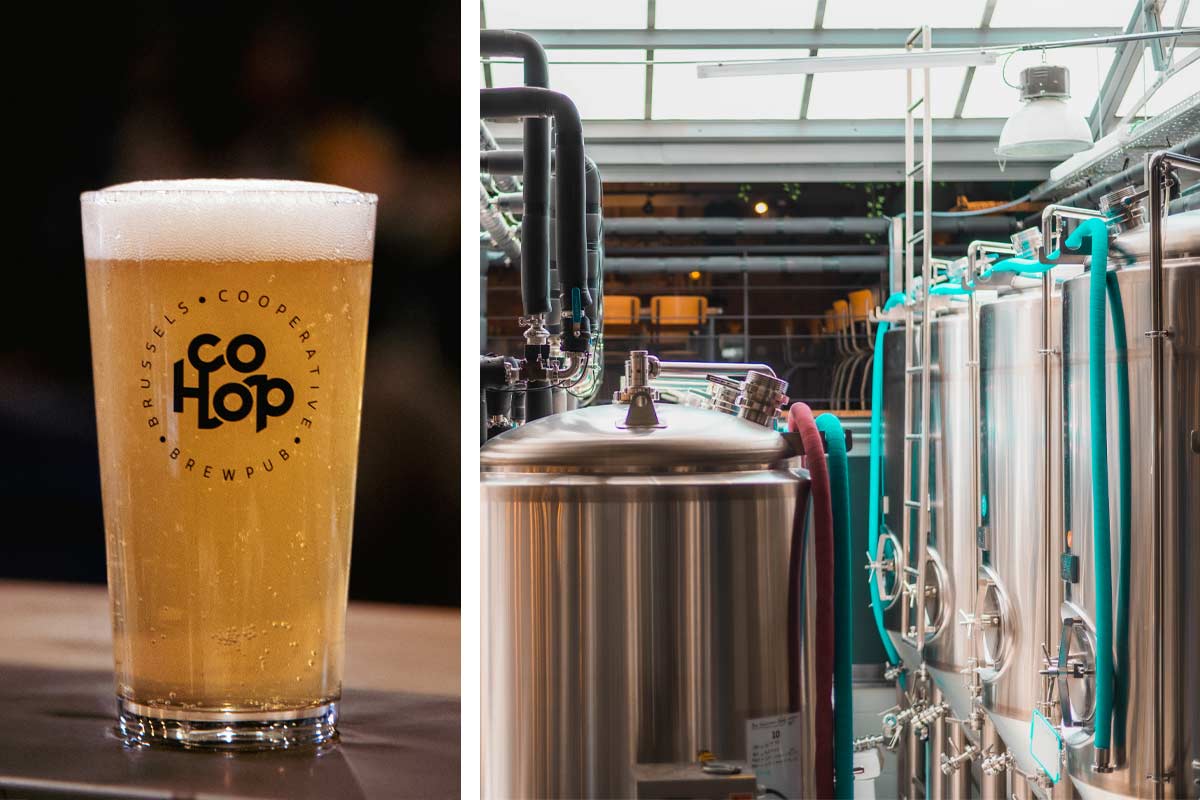
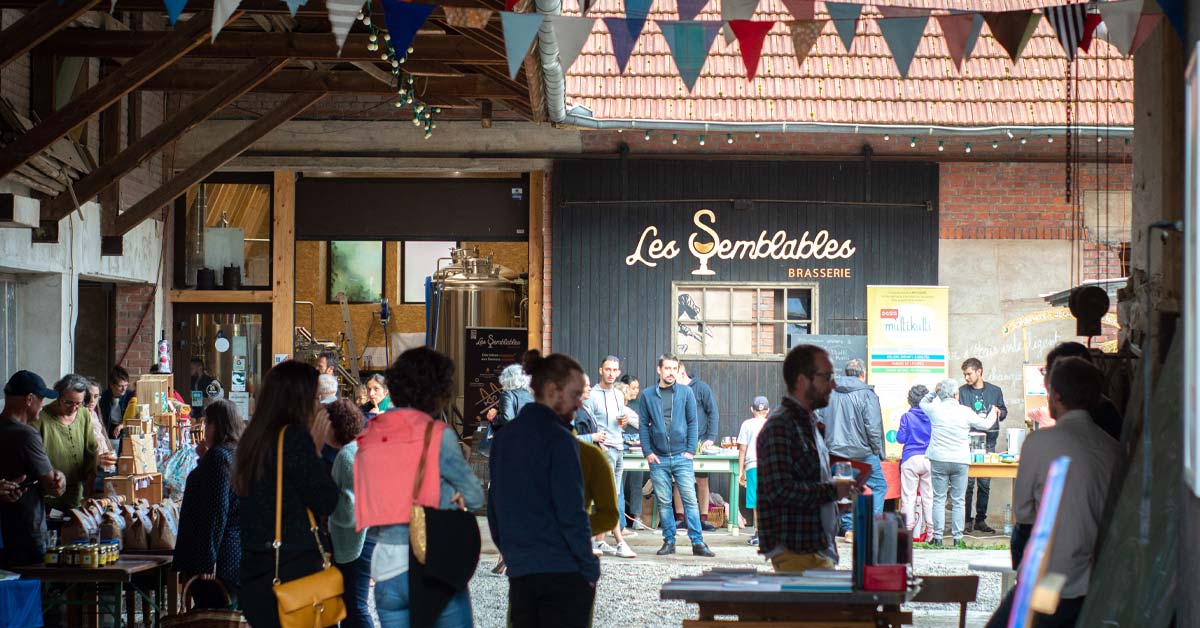
In Europe, particularly in France, this shift is manifesting through the adoption of the tiers-lieu (third place) concept. This model moves away from the isolated industrial park setting that characterized early microbreweries and instead integrates production into existing cultural or agricultural hubs. A primary example of this movement is Brasserie Les Semblables, located in the Alsatian village of Mietesheim. Founded by Eliott Pernelle and Etienne Voinson, the brewery rejected the traditional standalone model in favor of settling within Oasis Multikulti, a community-run collective housed on a historic farm.
The decision to establish a brewery within a tiers-lieu is driven by a desire for immediate social relevance and shared operational burdens. Oasis Multikulti operates as a volunteer-led association offering diverse activities, including pottery, knitting, community gardening, and a weekly farmer’s market. By installing their brewing equipment in former stables, Pernelle and Voinson gained access to an established foot-traffic base that traditional marketing could rarely achieve for a startup. However, this model requires a departure from the "business-only" mindset. Pernelle, for instance, manages the association’s social media as a volunteer, highlighting the reciprocal nature of the collective model. This symbiotic relationship ensures that the brewery is not just a tenant but a vital organ of the village’s social life.
Economic Efficiency Through Shared Infrastructure
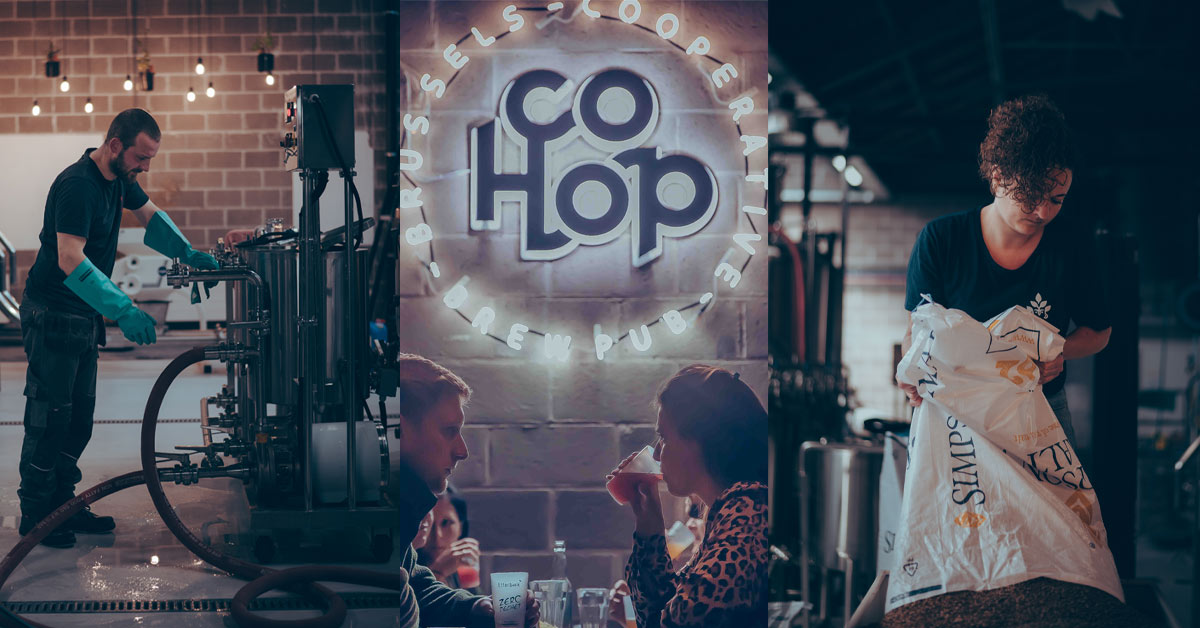
The financial pressures of the post-pandemic era have also spurred a return to communal brewing, a concept with deep historical roots that is being modernized to suit urban environments. In Brussels, Belgium, the CoHop project represents a sophisticated evolution of the "contract brewing" model. Traditionally, brewers without their own equipment would pay a larger facility to produce their recipes. CoHop, however, functions as a cooperative where five distinct entities—La Bagarre, Janine, 1Bière 2Tartines, La Flaque, and Brasserie Witloof—share ownership of the space and the brewhouse.
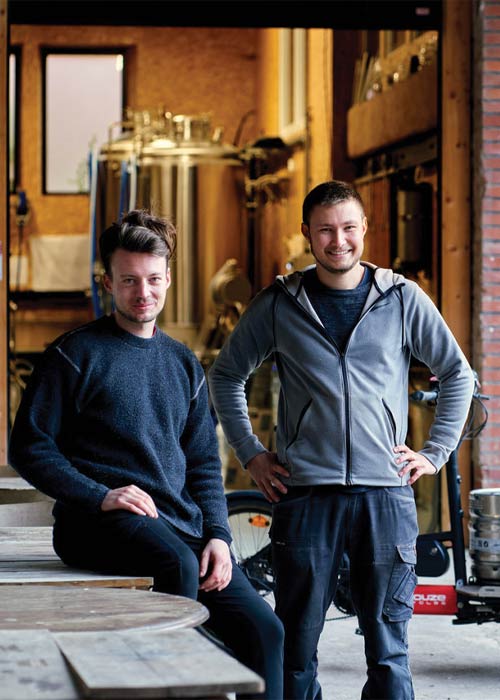
This model addresses the primary barrier to entry in the brewing industry: the high capital expenditure required for stainless steel equipment and long-term leases. By pooling resources, these five breweries have mitigated individual risk while maximizing the utility of their machinery. R&mi Pequin, the coordinator for CoHop and founder of La Bagarre, notes that this approach is fundamentally more sustainable. Instead of five separate heating systems, five sets of cleaning chemicals, and five separate rent payments, the collective operates a single, highly efficient facility.
The organizational complexity of CoHop is significant. To maintain order, each member brewery takes on a specific administrative or operational role, such as raw material procurement, maintenance scheduling, or taproom management. Furthermore, the space incorporates a bakery—Janine—which uses the brewery’s spent grain to make bread, which is then sold as sandwiches in the taproom. This circular economy model not only reduces waste but also provides multiple revenue streams, making the business more resilient to fluctuations in the beer market.
Historical Precedents and the UNESCO Connection
The move toward communal brewing is not a new invention but a revival of ancient traditions. The most notable precedent is the Bavarian tradition of Zoiglbier. For centuries, non-professional brewers in certain German towns have shared a communal brewhouse located in the center of the village. Once the beer is brewed, it is taken to the brewer’s home to ferment and mature. The "Zoigl" sign—a six-pointed star—is hung outside the house to signal to neighbors that the beer is ready for consumption, turning private homes into temporary public houses.
In 2018, UNESCO recognized the "Upper Palatinate Zoigl Culture" as part of Germany’s intangible cultural heritage. Five towns—Windischeschenbach, Neuhaus, Falkenberg, Mitterteich, and Eslarn—continue to uphold this tradition. The modern shift toward collaborative spaces like CoHop can be seen as a professionalized version of this heritage, proving that the future of the industry may lie in its most communal past.
Expanding the Fermentation Portfolio
While some breweries are redefining their physical space, others are redefining their product. The term "brewery" is increasingly being traded for "fermentery" or "fermentorium" as owners look beyond malt and hops to secure their financial future. This trend is a direct response to the "sober curious" movement and the rising demand for low-alcohol and health-conscious beverages.
Mindscape Fermentations in Rocklin, California, founded by Lauren Price and Lauren Houston, exemplifies this shift. By positioning themselves as a fermentorium, they produce a wide array of products including kombucha, seltzer, and fermented foods alongside traditional beer. This diversification serves two purposes: it mitigates the risk of declining beer sales and expands the potential customer base.
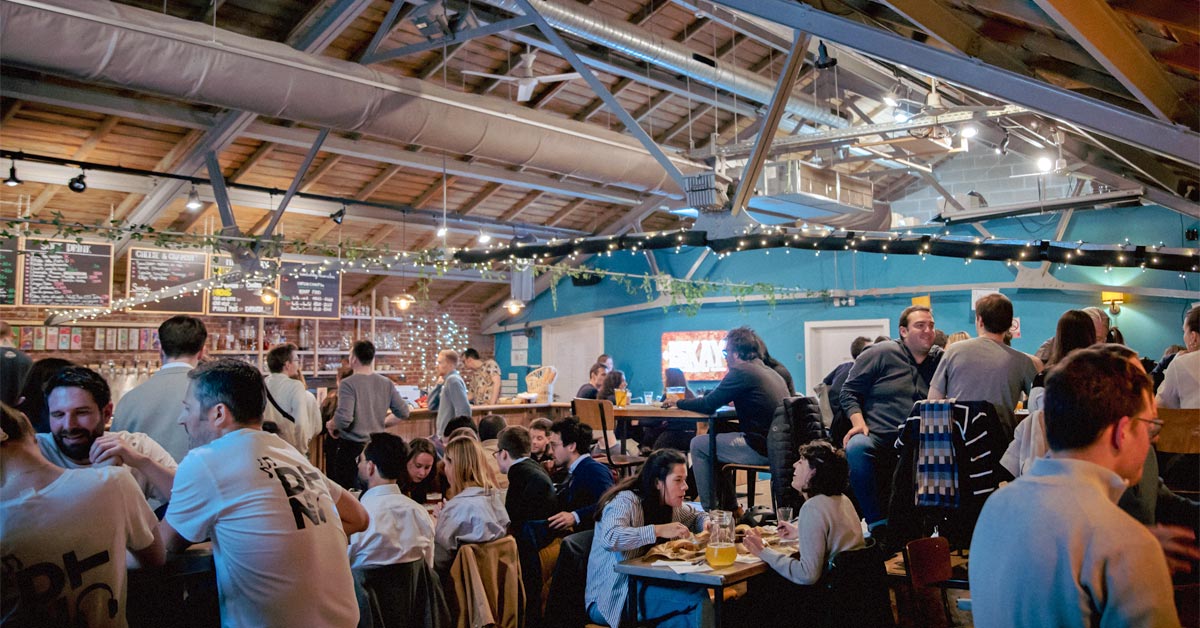
Data suggests that the traditional brewery taproom demographic has historically skewed male. However, Houston and Price have observed that their focus on a wider range of fermented products has resulted in a demographic that is nearly 50% female, with a significantly broader age range. This "fermentation-first" approach allows the business to appeal to groups who may not typically visit a craft brewery, such as those with dietary restrictions or those seeking probiotic-rich beverages.
Other notable examples of this trend include:
- Fermentery Form (Philadelphia): Utilizing winemaking techniques and Solera systems to create complex, co-fermented beverages.
- Fox Tale Fermentation (San Jose): Integrating culinary ingredients and traditional fermentation methods to bridge the gap between food and drink.
- L’Annexe (Belgium): A "brasserie-fermenterie" that experiments with botanical fermentations and floral infusions.
Analysis of Implications for the Global Market
The evolution of these models suggests a permanent shift in the craft beverage landscape. The "bigger is better" distribution model of the 2000s is being replaced by a "deeper is better" community model. For the modern brewer, success is no longer measured solely by the number of barrels produced or the number of states where their beer is sold. Instead, it is measured by the density of the social network they inhabit and the diversity of the products they can offer from a single fermentation vessel.
From a journalistic perspective, these developments point to several key implications for the future:
- Urban Planning and Development: Breweries are becoming preferred tenants for mixed-use developments and community revitalizations because they provide a "sticky" social environment that encourages prolonged stays and local spending.
- Sustainability and Resource Sharing: The CoHop model provides a blueprint for how small businesses can survive inflationary pressures. By sharing the carbon footprint of production, these breweries are better positioned to meet future environmental regulations.
- Market Resilience: By diversifying into non-alcoholic ferments and food products, businesses like Mindscape Fermentations are less vulnerable to shifts in alcohol consumption trends and government excise taxes.
- Cultural Preservation: The integration of breweries into tiers-lieux and the revival of communal brewing practices help preserve local history and architectural heritage, as seen in the use of old farms and stables.
As the economic climate remains volatile, the breweries that thrive will likely be those that view themselves as more than just producers of liquid. Whether through the shared labor of an Alsatian farm, the shared stainless steel of a Brussels cooperative, or the expanded horizons of a California fermentorium, the industry is proving that its greatest strength lies not in the product itself, but in the collective spirit of the people who brew it. The brewery of the future is not just a place to buy a drink; it is a place to belong.