admin
admin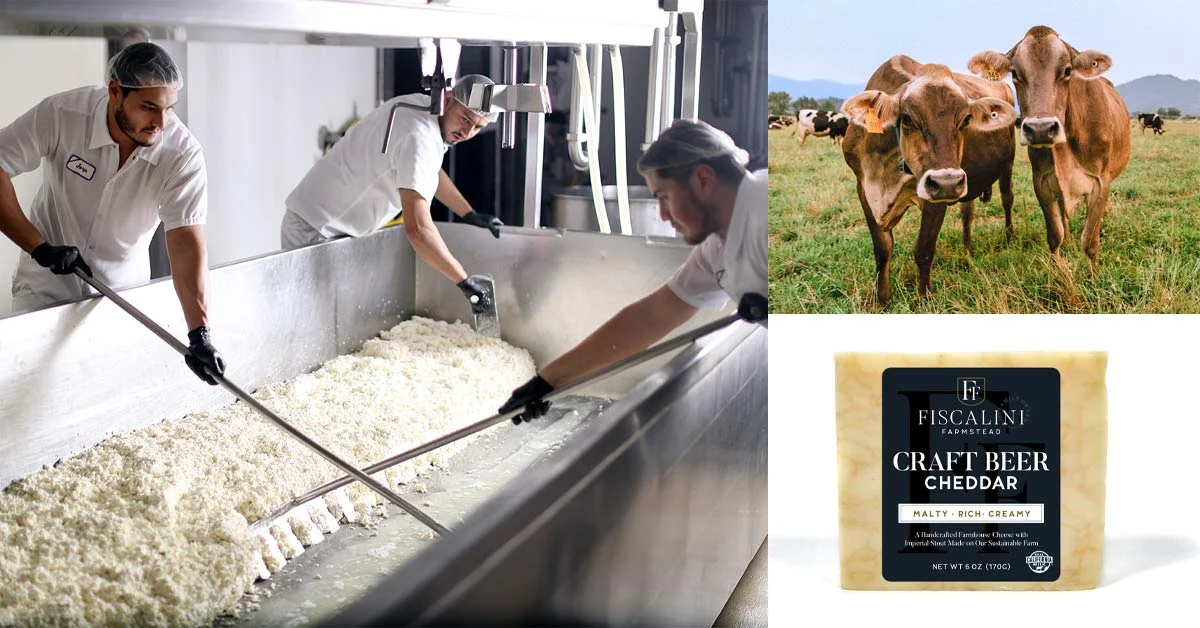
The landscape of American specialty food is currently witnessing a sophisticated transformation of beer cheese, a product that once existed primarily as a tangy, orange-hued spread served in roadside taverns. While the traditional Kentucky-style dip remains a staple of regional culture, a new movement led by farmstead cheesemakers and craft breweries is redefining the category. This evolution represents a shift from using beer as a flavoring agent in processed spreads to integrating it into the fundamental chemistry of the cheesemaking process. By merging the microbiological expertise of brewmasters with the traditional techniques of artisanal creameries, the industry is creating a new class of "beer cheese" that emphasizes terroir, traceability, and complex fermentation.
The Historical Foundations of Kentucky Beer Cheese
The origins of beer cheese in the United States are rooted in the 1940s in Clark County, Kentucky. The product is widely attributed to Johnny Allman, who served the savory, spicy spread at his namesake restaurant on the banks of the Kentucky River. Historically, beer cheese was born out of a desire for sustainability and flavor enhancement; it traditionally utilized sharp cheddar cheese, often leftover or nearing the end of its shelf life, which was then blended with flat beer, garlic, and cayenne pepper.
In 2006, the legacy of the original recipe was revitalized by Kathy Gorman Archer, president of Howard’s Creek Authentic Beer Cheese (formerly Johnny Allman’s). Archer’s revival of the brand underscored the sustainable nature of the original product, noting that the utilization of surplus sharp cheddar and beer was a practical solution for mid-century restaurateurs. The Kentucky style is defined by its "kick"—a result of southwestern influences such as cayenne pepper and heavy garlic—which helped establish beer cheese as a popular snack for social gatherings and a precursor to the modern craft movement.
The cultural impact of this regional specialty is significant enough that the Kentucky State Legislature designated Clark County as the official birthplace of beer cheese. The region now hosts an annual Beer Cheese Festival, and the "Beer Cheese Trail" has become a localized economic driver, illustrating how a simple culinary invention can anchor a regional identity.
The Farmstead Shift: Integration vs. Inclusion
While the Kentucky style remains a beloved spreadable snack, a second category of beer cheese has emerged: the infused farmstead cheese. Unlike the spreadable version, which is a processed mixture of finished ingredients, infused beer cheeses involve the addition of beer or hops during the actual production of the cheese wheel. This process requires a deep understanding of fermentation science, as the acidity (pH) of the beer can significantly impact the texture and aging potential of the cheese.
Oregon’s Rogue Creamery, a pioneer in the American artisan cheese movement since its establishment in 1933, has been at the forefront of this innovation. Known for producing the first cave-aged blue cheese west of the Mississippi, Rogue Creamery has spent nearly a decade collaborating with organic breweries such as Portland’s Hopworks Brewery. Their Chocolate Stout Cheddar represents a technical departure from traditional spreads; the beer is introduced to the curds just as the whey begins to separate. This timing allows the malted flavors and sugars of the stout to permeate the curd, creating a marbled aesthetic and a subtle, malty profile that evolves during the aging process.
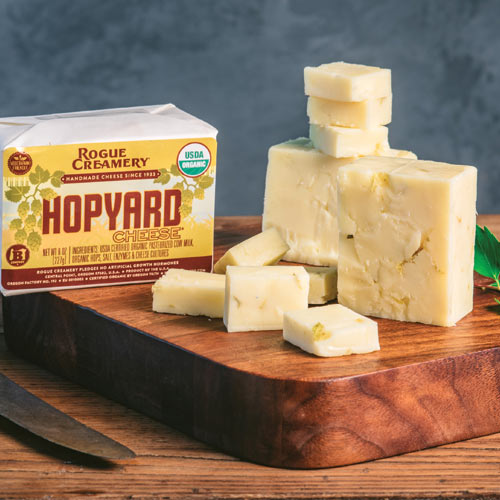
Rogue’s experimentation further extended into "Hopyard," a cheddar style that bypasses the liquid beer entirely and instead incorporates fresh, Northwest-grown hops directly into the curds. According to Marguerite Merritt, Rogue Creamery’s brand manager and a certified sommelier, the floral bitterness of the hops is designed to mirror the sensory profile of a West Coast IPA, providing a bridge between the dairy and brewing industries of the Pacific Northwest.
Technical Collaboration and the Role of pH in Cheesemaking
The transition from a simple mixture to a technical infusion requires precise scientific control. Rynn Caputo, co-founder of Caputo Brothers Creamery in Pennsylvania, emphasizes that the primary challenge in combining beer and cheese is managing the pH scale. Milk typically sits at a pH of 6.4 to 6.8. If the acidity introduced by the beer is too high, the curds will fail to bind together; if it is too low, the resulting cheese becomes rubbery and unpalatable.
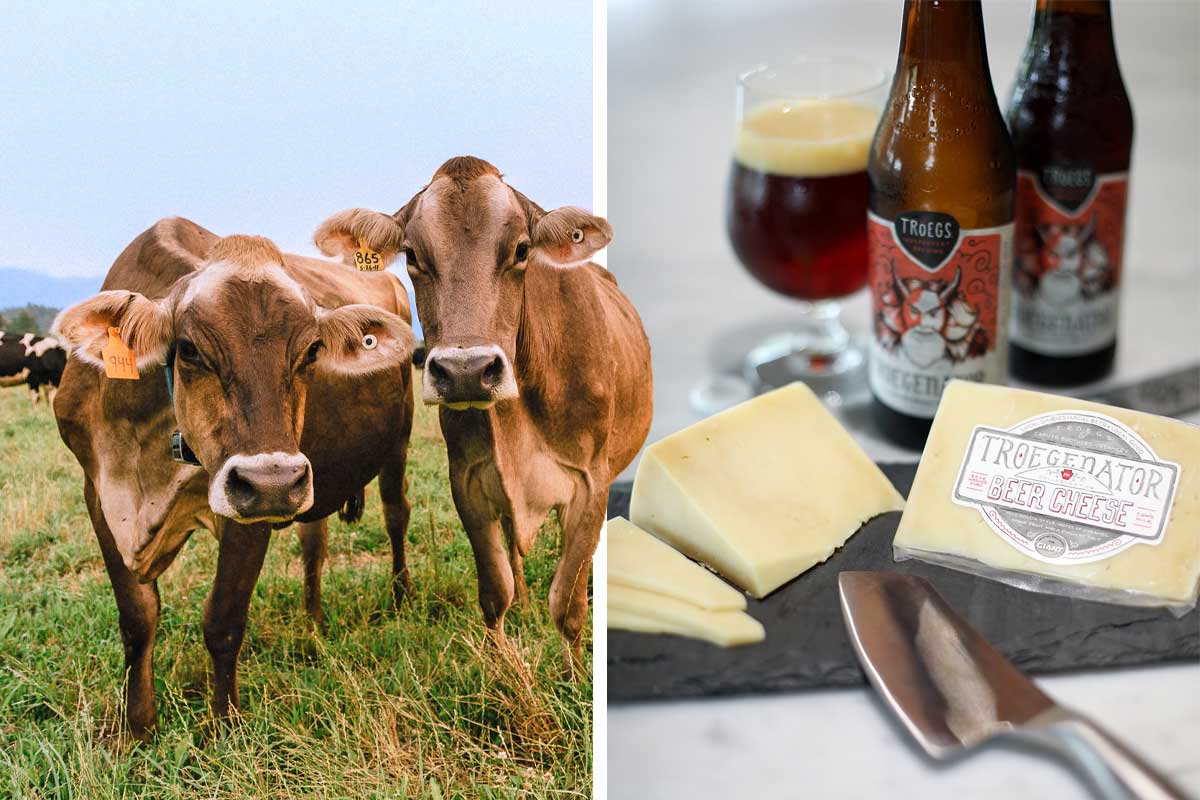
Caputo Brothers Creamery entered the beer cheese market at the request of Giant Food Stores, a major regional grocery chain seeking to bridge the gap between local dairies and craft breweries. The resulting partnership with Tröegs Independent Brewing utilized the brewery’s iconic Troegenator Double Bock. In this process, entire kegs of beer are used to marinate the curds, infusing the cheese with the beer’s natural sweetness and golden color.
The success of these collaborations led to the creation of "Custom Cheesemakers," a side business by Caputo that provides technical manufacturing for breweries nationwide. This illustrates a broader trend in the industry: breweries are increasingly seeking to diversify their portfolios by offering value-added products that carry their brand identity into the specialty food aisle. For example, Caputo’s "Mad Elf" cheese—inspired by the 11% ABV Belgian holiday ale—features a rind rubbed with cocoa, cinnamon, and espresso, effectively translating the complex flavor profile of a seasonal beer into a solid dairy format.
Traceability and the Estate Dairy Model
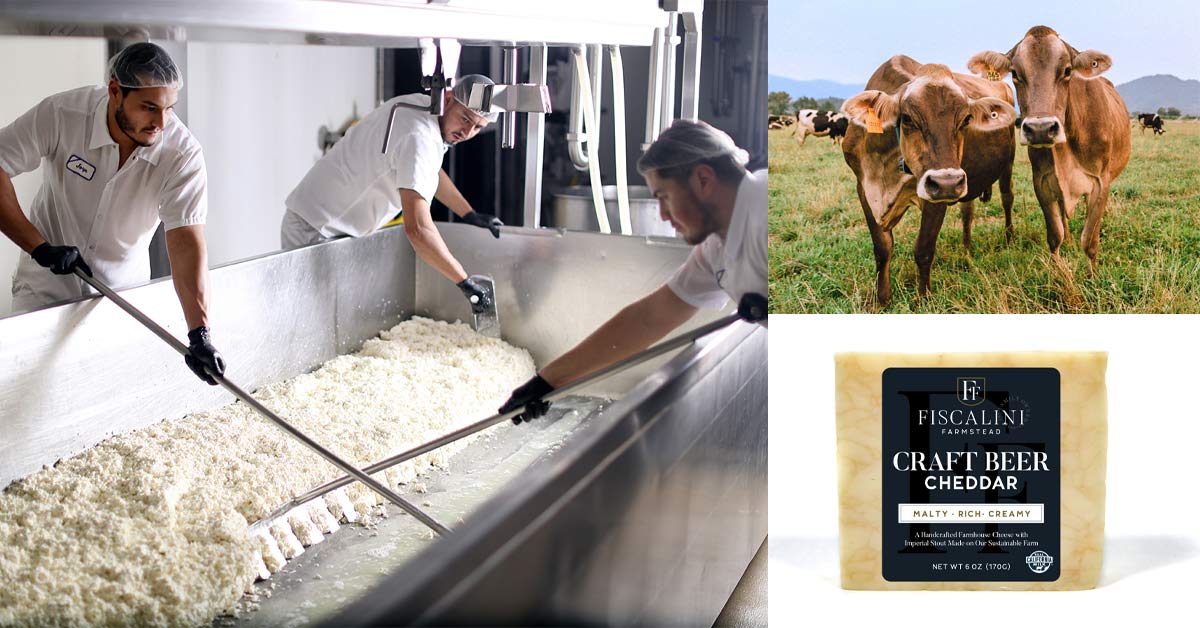
In California, Fiscalini Farmstead has operated as a dairy in Modesto since 1914. Their approach to beer cheese emphasizes "traceability," a term used to describe the ability to track every ingredient back to its source. Unlike many creameries that purchase milk from various cooperatives, Fiscalini uses only milk produced by their own cows on-site.
Their Craft Beer Cheddar is a collaboration with Dust Bowl Brewing, located just 20 minutes away in Turlock. By using the brewery’s Black Blizzard Imperial Stout, Fiscalini creates a product that reflects the local agricultural landscape. The beer is mixed with the curds before they are pressed into 40-pound blocks. The pressure of the overnight pressing further infuses the roasty coffee and chocolate notes of the stout into the cheese.
Alex Borgo, Fiscalini’s cheesemaker, describes this as a "culinary collaboration where the artistic work of brewmasters and cheesemakers collide." The enzymes used in brewing to activate grain sugars find a parallel in the starter cultures used by cheesemakers to separate curds from whey. This synergy allows for a product that ages for three months or more, with the flavors of both the cheddar and the beer intensifying over time.
Diversification of Styles: Washed Rinds and Urban Creameries
While cheddar remains the most common base for beer-infused cheeses, other creameries are exploring European traditions such as washed-rind cheeses. Indianapolis-based Tulip Tree Creamery utilizes a method where the exterior of the cheese is repeatedly washed with a solution of bacteria cultures, beer, water, and salt. This technique, common in Belgian and Dutch traditions, allows the essence of the beer to permeate the cheese without altering the internal curd structure as drastically as an infusion.
Tulip Tree has collaborated with several Indiana breweries, including Sun King and 3 Floyds. Co-owner Laura Davenport notes that for their double-cream styles, they often avoid highly bitter, high-IBU (International Bitterness Units) beers, as the bitterness can become overpowering when concentrated on the rind. Instead, they opt for balanced profiles like pilsners or porters, which provide a savory depth to the creamy interior.
In Ohio, Urban Stead Cheese represents the rise of the "urban creamery," a model that brings traditional cheesemaking into the heart of major cities. Based in Cincinnati, Urban Stead honors the city’s German heritage by producing quark and English-style clothbound cheddars. Their foray into beer cheese, however, pays homage to the nearby Kentucky tradition. By using Braxton Brewing’s Storm Golden Cream Ale, they produce a fresh, spreadable cheese that maintains the texture of ricotta or cream cheese. This "fresh" beer cheese model offers an economic advantage, as it does not require the months of aging and storage costs associated with hard cheddars.
Economic Implications and the Future of the Category
The rise of artisanal beer cheese is more than a culinary trend; it is a strategic response to the economic pressures facing the American dairy industry. Small-scale dairy farms have struggled in recent years due to fluctuating milk prices and competition from large industrial operations. By producing value-added products like beer-infused cheese, these farms can command a higher price point and tap into the loyal customer bases of established craft breweries.
According to data from the Brewers Association, the craft beer industry contributed roughly $76 billion to the U.S. economy in recent years, while the specialty cheese market has seen consistent growth, now valued at over $20 billion. The intersection of these two markets creates a powerful marketing synergy. When a brewery like Tröegs or Rogue Ale lends its brand to a cheese, it provides an immediate "seal of approval" for consumers who may be unfamiliar with artisanal dairy but are loyal to their favorite beer brands.
Furthermore, these collaborations foster a "circular economy" within agricultural regions. Spent grain from the brewing process is often sold back to dairy farms as cattle feed, and the resulting milk is then combined with the brewery’s beer to create a finished retail product. This closed-loop system reduces waste and strengthens the ties between local food producers.
Conclusion
The evolution of American beer cheese from a simple 1940s tavern snack to a scientifically sophisticated farmstead product reflects a broader maturation of the American palate. Today’s beer cheeses are no longer just about heat and tang; they are about the careful balance of malt, hops, acidity, and cream. As creameries and breweries continue to experiment with different styles—from stouts infused into aged cheddars to IPAs used in washed-rind goudas—the category is poised to become a permanent fixture in the global specialty food market. The movement honors its humble Kentucky origins while proving that, through collaboration and technical innovation, the union of beer and cheese can achieve the level of complexity usually reserved for fine wines and aged spirits.