admin
admin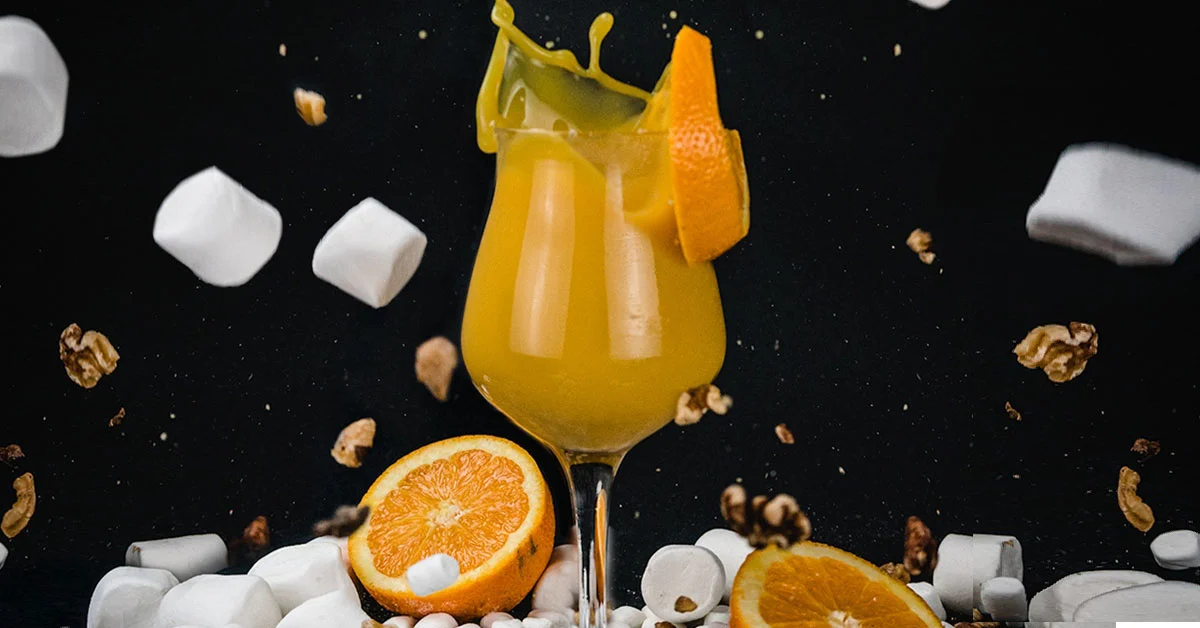
The craft beer landscape has undergone a radical transformation since its initial resurgence in the 1980s and 1990s. What began as a movement defined by the pursuit of traditional European styles—pale ales, porters, and stouts—has evolved into a highly competitive market where innovation is the primary currency. As the number of operating craft breweries in the United States surpassed 9,500 in recent years, the necessity for brand differentiation has never been more acute. This pressure to stand out has led to the emergence of "smoothie sours," a polarizing yet undeniably popular sub-genre that challenges traditional definitions of beer by incorporating massive quantities of fruit puree and culinary adjuncts.
The genealogy of the smoothie sour can be traced back to the broader category of fruited sours and historical styles like the German Gose and the Belgian Lambic. However, whereas traditional sour beers rely on a delicate balance of acidity and funk derived from wild yeast and bacteria, the modern smoothie sour prioritizes texture, sweetness, and recognizable dessert-like flavor profiles. By moving away from the constraints of the Reinheitsgebot—the 1516 German Beer Purity Law—brewers have embraced a "kitchen sink" approach, utilizing ingredients ranging from marshmallow fluff to white chocolate and edible glitter.
The Pioneers of the Style: Imprint Beer Company and the Schmoojee
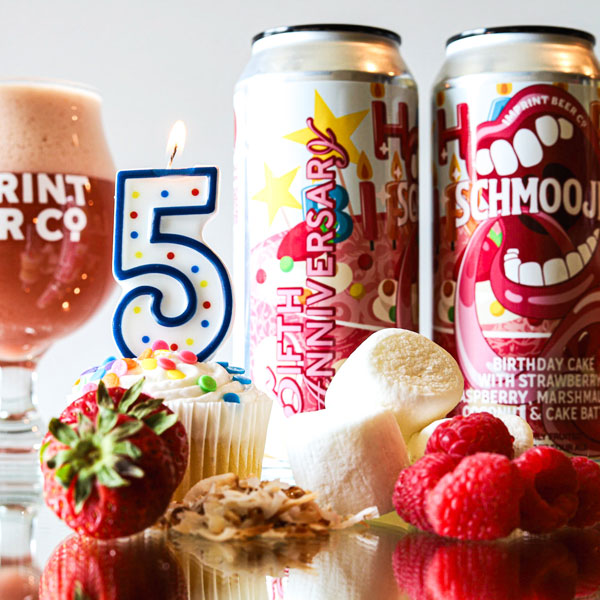
One of the definitive leaders in the smoothie sour movement is Imprint Beer Company, located in Hatfield, Pennsylvania. Celebrating its fifth anniversary in 2023, the brewery did not initially set out to specialize in thick, fruit-heavy ales. According to co-founder and brewer Ryan Diehl, the brewery’s trajectory shifted during a pivotal event he describes as their "coming out party."
To mark the occasion, the team brewed a experimental beer called Puffsicle, which featured a blend of raspberry, blueberry, pineapple, and marshmallow. The consumer response was immediate and overwhelming, signaling a market appetite for high-viscosity, fruit-forward beverages that blurred the line between beer and dessert. This success birthed the "Schmoojee" line, which has since become a cornerstone of the brewery’s identity.
The production of these beers requires a departure from standard brewing timelines. At Imprint, the base beer undergoes a fermentation period lasting between eight and 11 days. Once the primary fermentation is complete, the base sour is blended with a heavy rotation of adjuncts. These include cheesecake, bananas, fudge, and vanilla waffles. The complexity of these recipes necessitates a rigorous focus on ingredient sourcing and flavor balancing to ensure that the final product maintains a cohesive sensory experience despite its unorthodox composition.
Strategic Reinvention: 903 Brewers and the Shift Toward RTD Alternatives
In Sherman, Texas, 903 Brewers represents another facet of the smoothie sour evolution. Having been in operation for six years before experimenting with the style, the brewery utilized smoothie sours as a tool for strategic reinvention. Jeremy Roberts, owner and founder of 903 Brewers, noted a shift in consumer behavior characterized by a growing interest in ready-to-drink (RTD) cocktails and flavored malt beverages.
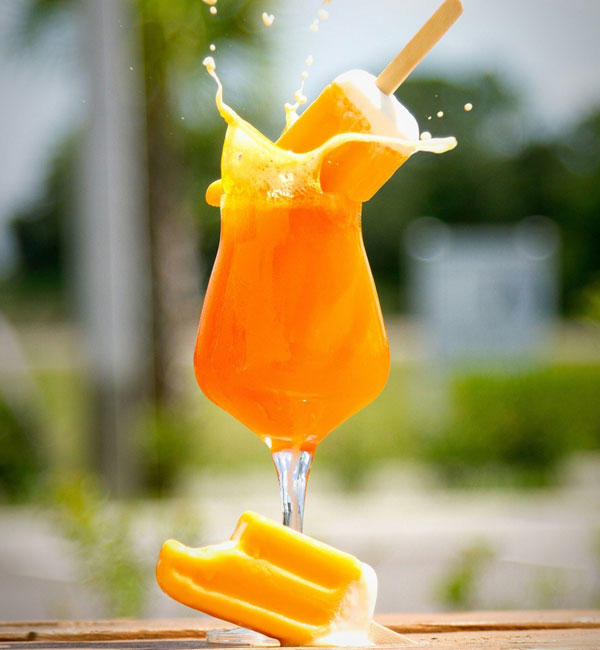
"We saw that there were some people that were getting away from beer, or didn’t like beer at all," Roberts observed. To capture this demographic, the brewery developed a cherry limeade sour inspired by the flavor profiles of popular drive-in soda fountain drinks. The rapid sell-out of this initial batch led to the creation of the "Slushy" line, featuring variants such as Blueberry Donut, Ice Cream Truck, and Cotton Candy.
This shift highlights a broader industry trend: the use of smoothie sours as an entry point for non-traditional beer drinkers. By mimicking the flavors of candies, sodas, and desserts, breweries are able to lower the barrier to entry for consumers who may be deterred by the bitterness of hops or the heavy malt profiles of traditional ales.
Technological Innovation and Safety in Production: Oozlefinch Beers & Blending
As the smoothie sour category grew, so did the technical challenges associated with its production. Oozlefinch Beers & Blending, based in Fort Monroe, Virginia, has been at the forefront of addressing these hurdles. CEO Russ Tinsley and head brewer Logan Morris recognized early on that traditional fruited sours often lacked the residual sweetness and mouthfeel required for a "smoothie" experience, as the yeast would often consume the sugars from the added fruit, leaving the beer thin and overly dry.
To solve this, Oozlefinch introduced "A Very Thirsty Caterpillar," their inaugural smoothie sour which utilized lactose (milk sugar) and vanilla to provide body and sweetness. Morris further refined the process by using specific yeast strains that naturally produce lactic acid, creating a controlled sourness without the need for long-term barrel aging. Notably, the brewery even experimented with adding charcoal as a thickening agent to achieve the desired "slushy" consistency.
A critical component of Oozlefinch’s methodology is "back-sweetening"—the process of adding fruit and flavors after the fermentation process is complete. Because adding sugar-rich fruit puree to a finished beer can lead to secondary fermentation in the can—a dangerous situation that can cause packaging to explode—Oozlefinch utilizes a pasteurizer. This heat-treatment process stabilizes the liquid, ensuring safety for the consumer and consistency in flavor. Morris famously refers to these creations as "Kool-Aid for adults," emphasizing their approachable and nostalgic appeal.
Culinary Integration and Sensory Experience: Corporate Ladder Brewing
In Palmetto, Florida, Corporate Ladder Brewing has focused on the culinary potential of the style. Co-owners Blake Kleppe and James Herrholz have built their "Dessert Station" line around the concept of "sensory experience." Herrholz, who brought a culinary-inspired approach to the brewery in 2019, emphasizes that the goal is for the beer to taste exactly like its inspiration.
Their portfolio includes "Intangible," a creamsicle-inspired beer conditioned on tangerine and vanilla beans, and a pumpkin pie variant brewed with actual pie spices and vanilla ice cream. This focus on "liquid mimicry" requires extensive research and development into how different ingredients interact. For Corporate Ladder, the debate over whether these products should technically be classified as "beer" is secondary to the consumer’s enjoyment. "Our goal is to make liquid for everyone," Kleppe stated, reinforcing the idea that inclusivity in flavor profiles is a viable business model in a crowded market.
Market Data and the Broader Impact on the Craft Industry
The rise of smoothie sours is not merely a anecdotal trend; it is supported by shifting market dynamics. According to data from the Brewers Association, while the overall beer market has faced headwinds, "specialty" categories—including sours and fruited ales—have shown resilience. The growth of this segment is particularly pronounced among younger demographics, specifically Millennials and Gen Z, who value variety and "Instagrammable" aesthetic qualities in their beverages.
The smoothie sour movement has also fostered a unique sub-culture of collaboration. Unlike the competitive atmosphere of mid-century brewing, modern sour producers often operate as a "brotherhood/sisterhood." Key players in this collaborative ecosystem include:
- Drekker Brewing Company (Fargo, ND): Known for their "Braaaaaaaains" and "Chonk" series.
- Mortalis Brewing Company (Avon, NY): Famous for the "Hydra" series, which often features triple-fruited blends.
- 450 North Brewing Company (Columbus, IN): A major driver of the "Slushy" craze on a national scale.
- The Answer Brewpub (Richmond, VA): Pioneers of the "Joose" style, often served fresh via "crowlers."
Challenges and Future Outlook
Despite their popularity, smoothie sours face significant criticism from industry purists. Detractors argue that the heavy use of adjuncts masks the skill required for traditional brewing and that the high price points (often exceeding $20 per four-pack) are unsustainable. Furthermore, the logistical challenges of cold-chain distribution are paramount; because these beers contain high amounts of unfermented solids, they must remain refrigerated at all times to prevent spoilage and pressure buildup.
However, the versatility of the style suggests it is more than a passing fad. The ability to rotate flavors seasonally—from tropical blends in the summer to "pie" inspired profiles in the winter—allows breweries to maintain consumer interest year-round. As pasteurization technology becomes more accessible to smaller breweries, the safety and shelf-life of these products will continue to improve, likely leading to wider distribution.
The smoothie sour represents the "avant-garde" of the craft beer world. By prioritizing flavor, texture, and consumer nostalgia over traditional constraints, brewers have successfully expanded the definition of what beer can be. Whether it is a marshmallow-infused raspberry ale in Pennsylvania or a glitter-filled cherry limeade in Texas, the style continues to attract a new generation of drinkers to the craft brewery taproom, ensuring the industry’s continued evolution in an ever-changing beverage market.