admin
admin
The San Francisco Bay Area has long been solidified as a global epicenter for the craft beer movement, historically anchored by the pioneering efforts of breweries in San Francisco proper and the burgeoning scenes in Oakland and Berkeley. However, a significant shift in the regional hospitality landscape has directed attention toward the San Francisco Peninsula, specifically a 30-mile industrial and commercial corridor in San Mateo County. Running parallel to Highway 101 and the Caltrain commuting artery, the stretch from Burlingame to Redwood City has transformed into a sophisticated "beer trail." This development reflects broader economic trends, including the migration of tech industry professionals into the artisanal food and beverage sector and a growing consumer demand for hyper-local, specialized taproom experiences that offer more than just a standard pint.
The Evolution of the Peninsula’s Brewing Landscape
The emergence of the Peninsula as a craft beer destination is not an overnight phenomenon but the result of a decade-long evolution in land use and consumer demographics. Historically, the area between San Francisco and San Jose was characterized by suburban sprawl and industrial parks. As real estate prices in San Francisco escalated, brewers and restaurateurs began looking south toward San Mateo County, where larger footprints—often in repurposed industrial warehouses—allowed for the installation of significant fermentation tanks and sprawling taprooms.
This geographic shift coincided with a change in the "commuter culture." The proximity of these breweries to Caltrain stations has created a transit-oriented hospitality model. Establishments in Burlingame, San Carlos, and Redwood City now serve as "third places" for the tech-heavy workforce of Silicon Valley, providing a social bridge between the office and the home.
Burlingame: The Northern Gateway and the Rise of Plant-Based Brewing
At the northern terminus of this trail lies Burlingame, home to Twelvemonth, an establishment that exemplifies the modern, multi-hyphenate approach to the Peninsula’s beverage scene. Founded by Bob Trahan, a former technology executive who transitioned into the culinary arts, Twelvemonth is situated in a massive complex that previously housed a brewery. The venue functions as a plant-based restaurant, bakery, and taproom, signaling a shift toward sustainability and dietary inclusivity in the craft beer world.
Twelvemonth’s beverage program is notable for its curation of high-prestige regional favorites alongside its own offerings. The tap list frequently features "Pliny the Elder" from Russian River Brewing Company, widely considered a benchmark of the Double IPA style. By integrating established icons with local lagers from East Brother Beer Co. and non-alcoholic options from Fort Point Beer Company, Twelvemonth caters to a sophisticated palate that values both brand recognition and regional discovery. Industry analysts suggest that this "hybrid" model—combining high-end plant-based dining with a rigorous craft beer program—is a response to the "sober-curious" and health-conscious trends currently reshaping the $24 billion American craft beverage industry.
Belmont and San Carlos: The Industrial Innovation Hubs
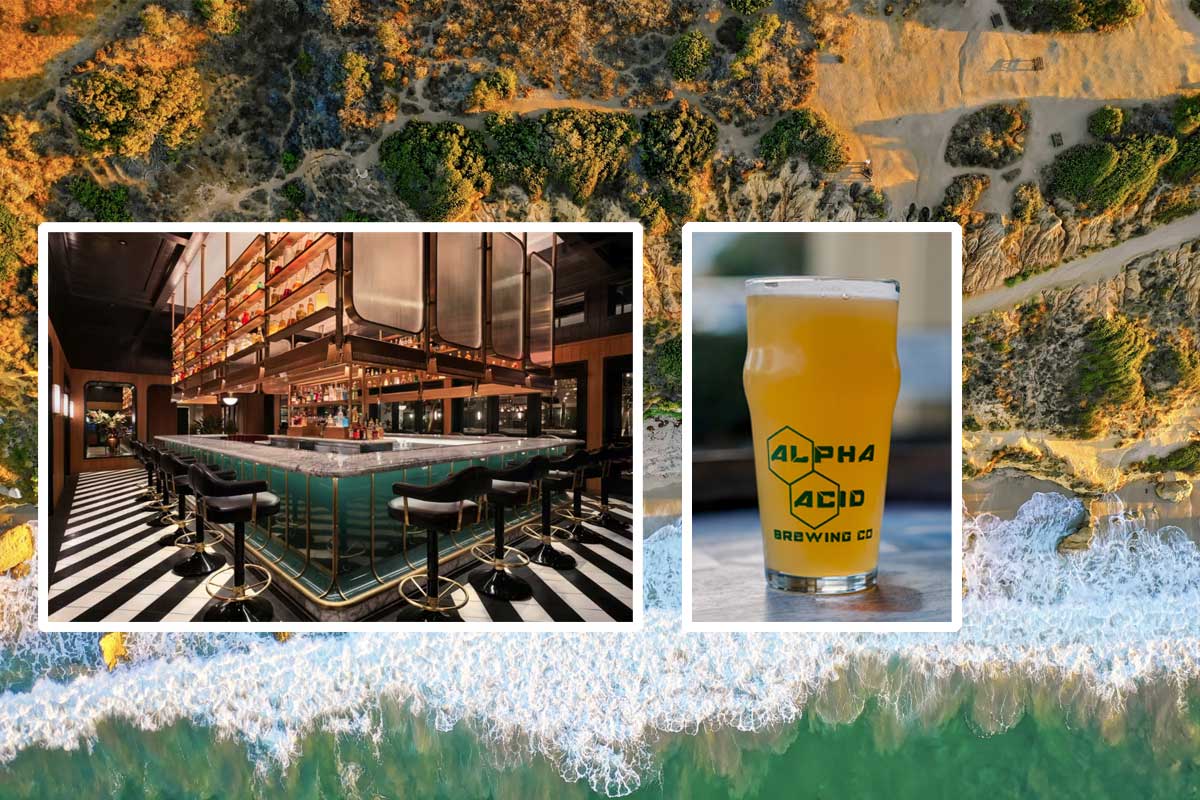
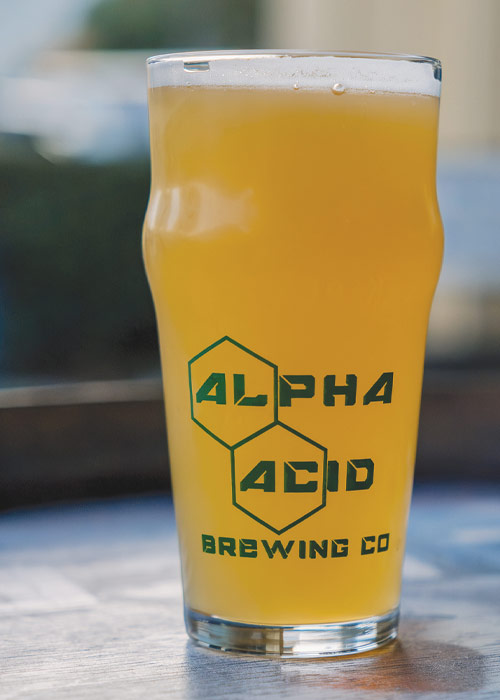
Further south in Belmont, the landscape shifts toward the "industrial-chic" aesthetic that has defined craft beer for decades. Alpha Acid Brewing Company, located within the Harbor Business Center, represents the experimental heart of the Peninsula. Since its inception in 2014, Alpha Acid has gained a cult following for its diverse portfolio, which eschews the "flagship beer" model in favor of constant iteration.
The brewery’s output ranges from the accessible "La Chulita," a Mexican-style lager designed to pair with the local taco truck circuit, to highly complex, barrel-aged projects. Data from the Brewers Association indicates that "hazy" or New England-style IPAs continue to dominate market share, and Alpha Acid’s "May The Haze Be With You" (7% ABV) serves as a prime example of this style’s enduring popularity. However, it is their high-gravity offerings, such as the 10.2% ABV "Flying Dutchman" rum-barrel-aged tropical stout and their sought-after barleywines, that highlight the technical proficiency required to maintain a standing in the competitive Bay Area market.
In neighboring San Carlos, Blue Oak Brewing Co. focuses on the science of flavor amplification. The brewery has gained notoriety for its use of "thiolized" yeast—a bioengineered yeast strain designed to unlock aromatic compounds in hops that are usually dormant. This is best exemplified in their "Hello Motueka" hazy IPA. Blue Oak also diversifies the trail’s flavor profile through its fruit-forward sours, such as the "Cherry Bomb" and "POG is My Copilot." The latter utilizes a tropical blend of passion fruit, orange, and guava, tapping into the "smoothie sour" trend that has attracted a younger, more diverse demographic to craft breweries.
Redwood City: The Cultural Anchor of the Trail
Redwood City serves as the dense, cultural anchor of the Peninsula beer trail, offering a variety of experiences ranging from sports-centric brewpubs to traditional European bierstubes. Ghostwood, a neighborhood favorite, has successfully positioned itself as a community hub by blending high-quality production with interactive entertainment. Their "Extra Crispy" American lager has garnered critical acclaim, proving that while IPAs may drive sales, the ability to produce a clean, faultless lager is the true mark of a master brewer. Ghostwood’s business model—featuring trivia nights, billiards, and Mario Kart—reflects a strategic move to increase "dwell time," a key metric in taproom profitability.
A short distance away, Freewheel Brewing Company offers a distinct departure from the hop-heavy American styles. Specializing in English cask ales, Freewheel has been a fixture of the Marsh Manor Shopping Center since 2012. Cask ale, or "real ale," is unfiltered and unpasteurized beer that undergoes a secondary fermentation in the container from which it is served. This results in a softer carbonation and a more nuanced malt profile. Freewheel’s "Big V Amber" and their nitro-poured stouts provide a necessary counterpoint to the carbonation-heavy styles found elsewhere on the trail, catering to a niche but loyal audience of expats and traditionalists.
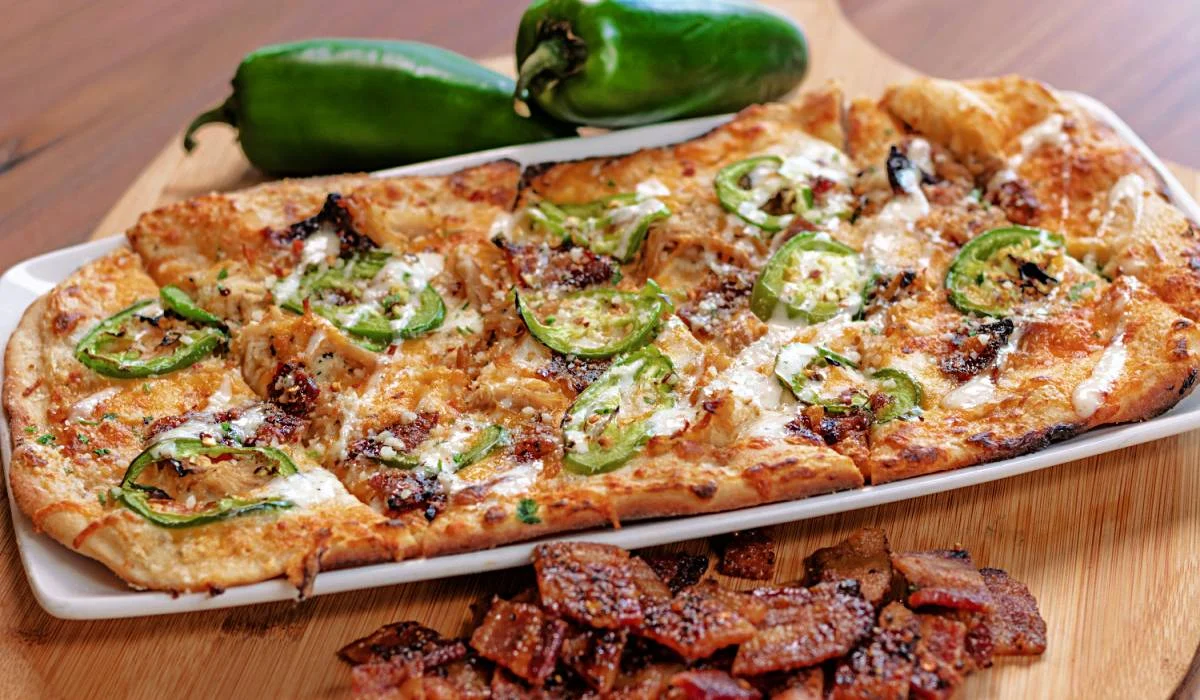
The Redwood City scene is further enriched by State of Mind Public House and Pizzeria. Led by Lars Smith, a member of the U.S. Pizza Team and an internationally awarded pizzaiolo, the establishment demonstrates the symbiotic relationship between gourmet comfort food and craft beer. While the pizza is the primary draw for many, the rotating draft list is curated with a level of precision that rivals dedicated taprooms, emphasizing the importance of "beer-clean" glassware and proper serving temperatures.
Gourmet Haus Staudt: The International Connection
The trail concludes—or for many, begins—at Gourmet Haus Staudt. This institution functions as a bridge between the historical roots of brewing and modern craft culture. As a Bavarian-style Bierstube, it reportedly moves more Weihenstephaner—the product of the world’s oldest continuously operating brewery—than almost any other single site in the United States. By combining a retail market, a bottle shop, and a traditional beer hall, Gourmet Haus Staudt provides a comprehensive look at the global beer landscape. Its inclusion on the Peninsula trail highlights the region’s appreciation for heritage styles alongside modern innovations.
Economic Impact and Regional Implications
The concentration of breweries along the Highway 101 corridor has significant implications for San Mateo County’s economy. According to regional tourism reports, the "craft beer tourist" spends an average of 20% more per visit than the standard traveler, often patronizing multiple establishments in a single trip. This "clustering effect" benefits not only the breweries but also the surrounding infrastructure, including ride-share services, local hotels, and auxiliary food vendors.
Furthermore, the Peninsula beer trail serves as a case study in urban planning and adaptive reuse. Many of these breweries occupy spaces that were formerly underutilized warehouses. By converting these into high-traffic hospitality venues, the breweries have increased property values and improved the "walkability" and social vibrancy of industrial zones in Belmont and San Carlos.
Conclusion and Future Outlook
As the craft beer industry matures, the San Francisco Peninsula has carved out a unique identity that balances the technical experimentation of Silicon Valley with the relaxed, community-focused atmosphere of the California suburbs. The 30-mile stretch from Burlingame to Redwood City is no longer just a transit corridor for tech commuters; it is a destination in its own right.
The future of this trail likely lies in continued specialization. As consumer tastes shift toward lower-alcohol "session" beers and functional beverages, Peninsula brewers are well-positioned to lead the market through scientific innovation and a deep understanding of their local demographic. For the enthusiast, the trail offers a comprehensive education in the current state of American brewing—from the precision of a thiolized IPA to the centuries-old tradition of a Bavarian lager. The Peninsula’s "beer trail" is a testament to the region’s ability to reinvent itself, proving that some of the Bay Area’s most inspired pints are found just south of the city limits.