admin
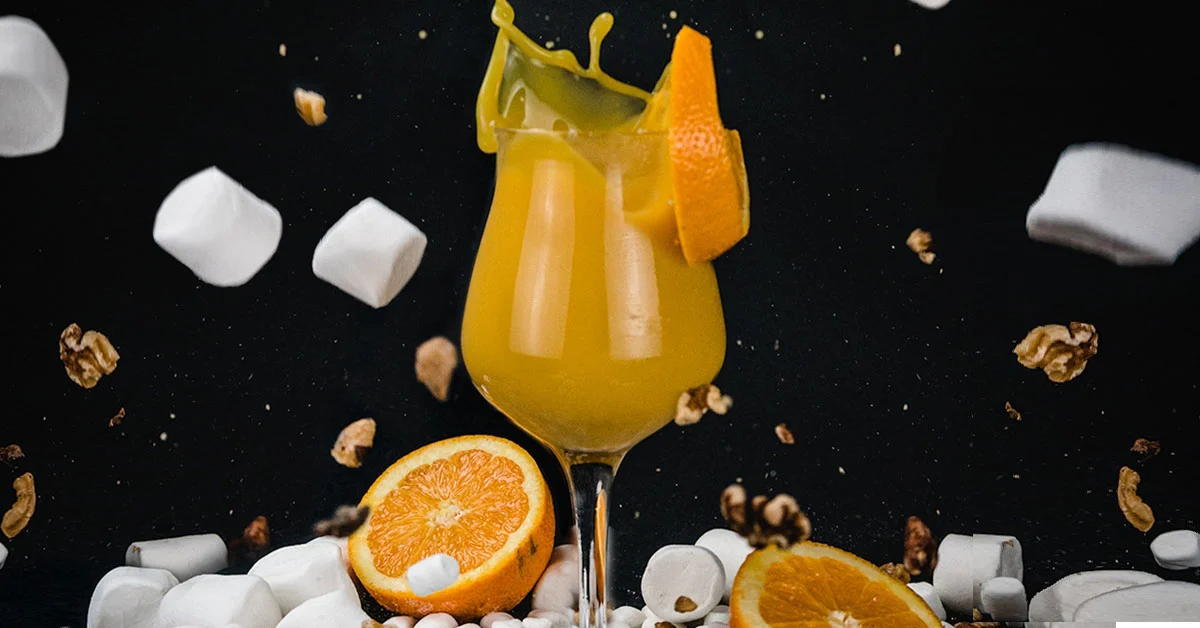
The American craft beer landscape has undergone a radical transformation since its initial resurgence in the 1980s and 1990s. What began as a movement defined by traditional European styles and the subsequent "hop wars" of the early 2000s has evolved into a highly experimental industry where culinary boundaries are frequently blurred. Among the most significant and polarizing developments in recent years is the rise of the smoothie sour, a sub-genre of fruited ales that prioritizes thick textures, vibrant colors, and flavor profiles more reminiscent of a dessert shop than a traditional brewhouse. As the market for standard India Pale Ales (IPAs) reaches a point of saturation, breweries are increasingly turning to these "liquid desserts" to distinguish themselves and attract a demographic of consumers who previously avoided the beer category altogether.
The Genesis of the Style: From Gose to "Smoothie"
The smoothie sour did not emerge in a vacuum; it is the logical, albeit extreme, extension of the fruited sour movement. Traditional sour beers, such as the German Gose or the Belgian Lambic, rely on spontaneous fermentation or specific bacteria like Lactobacillus to produce a tart, refreshing acidity. In the mid-2010s, American brewers began adding heavy doses of fruit to these bases, creating "kettle sours" that were more accessible to the average palate.
However, as competition intensified, pioneers in the industry began to experiment with the physical properties of the beer. By incorporating unfermented fruit purees, lactose (milk sugar), vanilla, and other "adjuncts," they created a beverage with a viscous, opaque consistency. Unlike traditional beers, which are filtered for clarity or allowed to have a slight haze, smoothie sours are intentionally thick, often containing so much fruit solids that they require gentle shaking or rolling of the can before consumption to re-incorporate the ingredients.
Imprint Beer Company and the "Schmoojee" Phenomenon
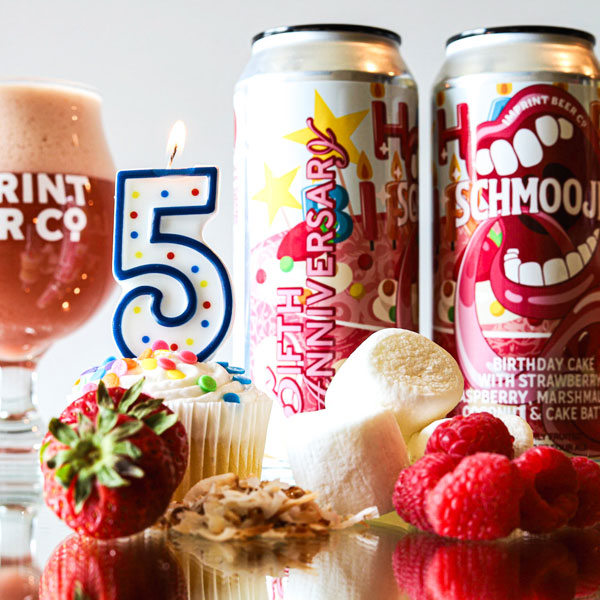
One of the primary architects of this style is Imprint Beer Company, located in Hatfield, Pennsylvania. Founded in 2018, the brewery initially gained traction through a variety of contemporary styles, but it was a specific event that redirected their trajectory. According to co-founder and brewer Ryan Diehl, the brewery’s "coming out party" featured a beer called Puffsicle—a smoothie sour conditioned on raspberries, blueberries, pineapple, and marshmallows.
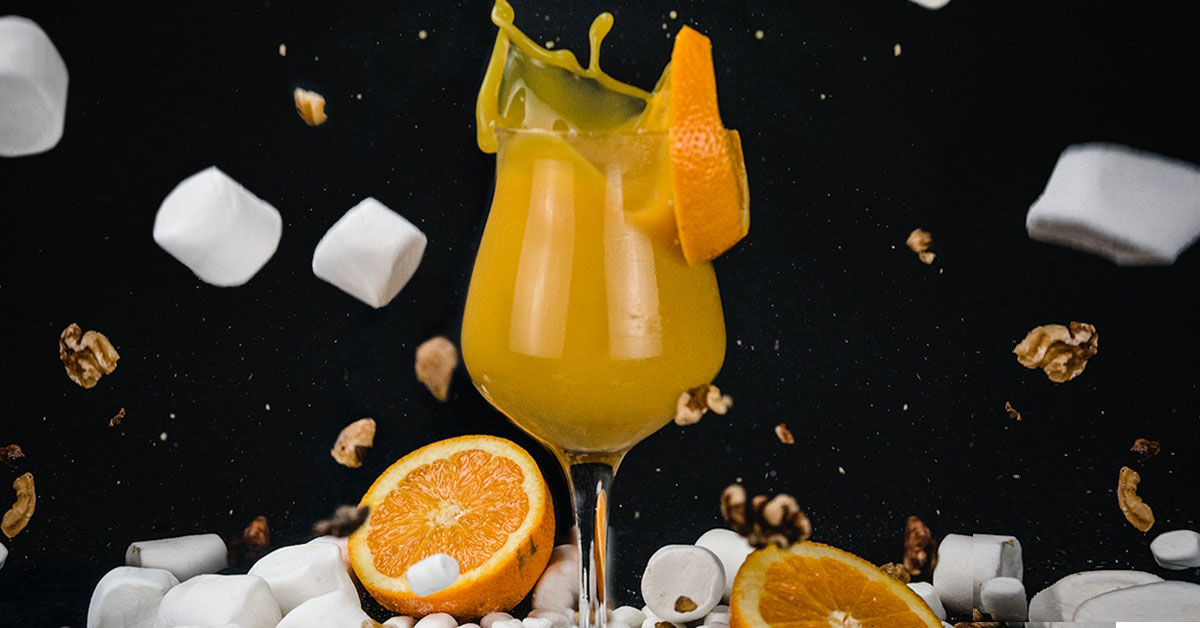
The consumer response was immediate and overwhelming, leading to the creation of the "Schmoojee" line. This brand has since become a cornerstone of the smoothie sour movement, known for its complex ingredient lists that include cheesecake, fudge, white chocolate, and bananas. To maintain the integrity of these flavors, Imprint employs a rigorous production timeline. After a base beer is fermented for eight to 11 days, the souring agents and massive quantities of adjuncts are introduced. This process ensures that the "bright" flavors of the fruit remain prominent, rather than being fermented into alcohol, which would strip away the sweetness and body that define the style.
Market Adaptation: 903 Brewers and the Challenge of RTDs
In Dallas, Texas, 903 Brewers represents a different path to the smoothie sour. Having operated for six years as a more traditional craft brewery, owner Jeremy Roberts recognized a shift in consumer behavior. The rise of Ready-to-Drink (RTD) cocktails and flavored malt beverages (FMBs) posed a threat to traditional beer sales. Roberts noted that a growing segment of the population was moving away from beer entirely, seeking sweeter, more fruit-forward alternatives.
In a bid to "reinvent" the brewery’s appeal, 903 Brewers released a cherry limeade sour inspired by the iconic drinks found at Sonic Drive-In. The success of the release led to the "Slushy" line, which features whimsical iterations such as the "Blueberry Donut Slushy" and the "Ice Cream Truck Slushy." Some releases even incorporate edible glitter to enhance the visual spectacle. For 903 Brewers, the smoothie sour is not just a trend but a strategic tool for market retention, providing a bridge for consumers who prefer the flavor profiles of sodas or cocktails over the bitterness of hops.
Technical Innovations at Oozlefinch Beers & Blending
While the flavors of smoothie sours are often playful, the technical requirements for producing them safely are immense. Oozlefinch Beers & Blending, based in Fort Monroe, Virginia, has focused heavily on the science of "back-sweetening" and stabilization. Founder Russ Tinsley observed early on that traditional fruited sours often lost their sweetness over time as the yeast continued to consume the sugars in the fruit.
To combat this, Oozlefinch’s head brewer, Logan Morris, utilizes specific yeast strains designed to produce lactic acid without fully attenuating the complex sugars. The brewery also uses unconventional ingredients like charcoal as a thickening agent to achieve the desired mouthfeel. Crucially, Oozlefinch employs a pasteurization process. Because smoothie sours contain high levels of unfermented sugars, they are susceptible to "re-fermentation" inside the can. Without pasteurization, the CO2 buildup from active yeast can cause cans to swell or explode—a significant safety concern that has plagued the style in the past. By heat-treating the final product, Oozlefinch ensures a shelf-stable beer that maintains its "Kool-Aid for adults" profile without the risk of structural failure.
The Culinary Connection: Corporate Ladder Brewing
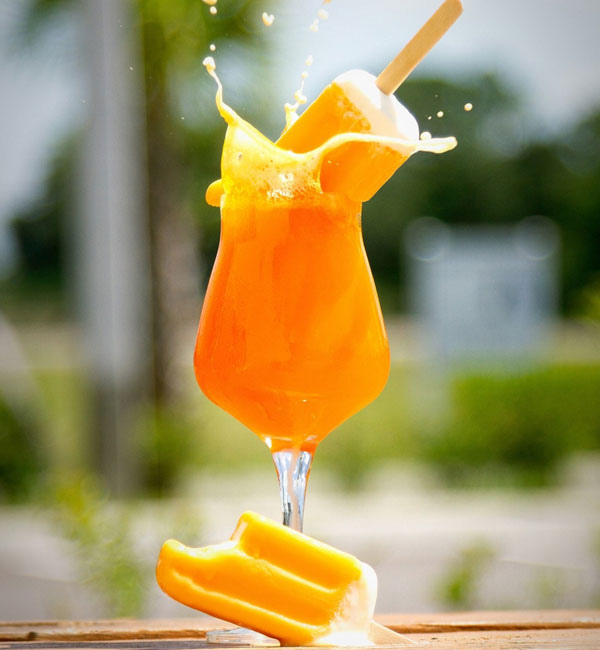
In Palmetto, Florida, Corporate Ladder Brewing has leaned into the culinary aspect of the style. Co-owners Blake Kleppe and James Herrholz view their "Dessert Station" line as a sensory experience that transcends traditional drinking. Their approach involves meticulous ingredient sourcing to replicate specific food items, such as banana-flavored candy, pumpkin pie a la mode, or tangerine creamsicles.
Herrholz emphasizes that the goal is precision; if a label promises the flavor of a specific dessert, the liquid must match that expectation exactly. This "culinary-inspired" brewing requires a deep understanding of how flavors interact during the conditioning phase. For instance, using vanilla beans instead of extract provides a more authentic "a la mode" finish, while the careful balancing of acidity prevents the beer from becoming cloying.
Industry Implications and the "Is it Beer?" Debate
The rise of the smoothie sour has sparked a significant debate within the craft beer community. Purists often argue that these beverages, with their high fruit content and lack of traditional beer characteristics, should not be classified as "beer" at all. However, from a regulatory standpoint in the United States, as long as the base of the beverage is derived from fermented malt or grain, it meets the legal definition of beer.
For the breweries involved, the nomenclature is secondary to the consumer experience. The data suggests that smoothie sours are a powerful engine for growth. According to industry analysis, while the overall craft beer market has seen single-digit growth or stagnation in some regions, the "specialty" and "fruited" categories continue to outperform expectations. These beers often command premium price points—sometimes exceeding $25 for a four-pack—and generate significant "hype" on social media platforms like Instagram and Untappd.
The collaborative nature of the sub-genre has also fostered a unique "brotherhood" among brewers. Establishments like Drekker Brewing Company (North Dakota), Mortalis Brewing Company (New York), and 450 North Brewing Company (Indiana) frequently collaborate on releases, sharing techniques and ingredient sources. This network of "hype breweries" has created a secondary market where enthusiasts trade rare releases across state lines, further cementing the style’s cultural footprint.
Future Outlook: A Permanent Fixture in the Craft Portfolio
As the smoothie sour enters its second decade of existence, it is clear that the style is more than a fleeting fad. It has successfully tapped into a "new audience" of drinkers—younger consumers, women, and those who previously preferred wine or cocktails—who value flavor innovation over historical adherence to style guidelines.
The future of the style likely lies in further refinement of safety and stability. As pasteurization technology becomes more affordable for smaller breweries, the "can bomb" era of smoothie sours will likely fade, replaced by a more professional and consistent product. Furthermore, the "culinary beer" movement is beginning to influence other styles, with brewers applying smoothie-style adjunct techniques to stouts and even certain IPAs.
Ultimately, the smoothie sour represents the "democratization" of craft beer flavor. As Blake Kleppe of Corporate Ladder Brewing notes, the primary objective is enjoyment. Whether or not the product fits a traditional mold is irrelevant if it succeeds in turning a new drinker on to the possibilities of fermented beverages. By prioritizing the sensory experience and embracing the "liquid dessert" moniker, these breweries have ensured that the craft beer industry remains a dynamic and evolving field, capable of surprising even the most seasoned palates.