admin
Grand Junction, Colorado, situated at the confluence of the Colorado and Gunnison Rivers, is currently undergoing a significant transformation, emerging as a premier destination for both outdoor enthusiasts and craft beer aficionados. Despite its proximity to world-renowned landmarks such as the Colorado National Monument and the Grand Mesa, the city has historically remained overshadowed by the high-traffic tourism corridors of Denver, Fort Collins, and the more famous national parks of the American Southwest. However, a recent surge in artisanal brewing and a renewed focus on regional natural wonders suggest that Grand Junction is no longer merely a transit point, but a destination in its own right.
The geographical layout of Grand Junction offers a rare convergence of three distinct landscapes: the high-desert plateau of the Colorado National Monument, the alpine forests and 300 lakes of the Grand Mesa—the largest flat-top mountain in the world—and the unique sandstone formations of Rattlesnake Arches. This diverse topography has fostered a culture of adventure that is increasingly reflected in the city’s burgeoning hospitality sector. Local business owners and industry analysts note that the city’s beer scene is intrinsically linked to this outdoor identity, creating a symbiotic relationship between recreation and local commerce.
The Historical Context and Evolution of the Western Slope Scene
To understand the current state of Grand Junction’s beer industry, one must look back to the early 1990s. The city’s journey into craft beer began in 1994 with the opening of The Rockslide Brew Pub. At the time, the concept of a brewpub was still relatively novel in the Western Slope. Rockslide established a foundation for the community, providing a consistent portfolio of lagers and ales that catered to a population transitioning from industrial and agricultural roots toward a service- and recreation-based economy.
For nearly two decades, the growth of the scene was steady but slow. It was not until the mid-2010s and early 2020s that the city saw a rapid expansion of independent breweries. This "second wave" was characterized by a shift toward more experimental styles, such as hazy IPAs, barrel-aged stouts, and traditional European techniques. The timeline of this expansion coincides with a broader national trend identified by the Brewers Association, which highlights a move toward "neighborhood-centric" breweries that serve as social hubs for specific communities.
A Detailed Survey of the Contemporary Brewing Landscape
The current market in Grand Junction is defined by several key players, each carving out a niche that appeals to different segments of the population.
Ramblebine Brewing Company
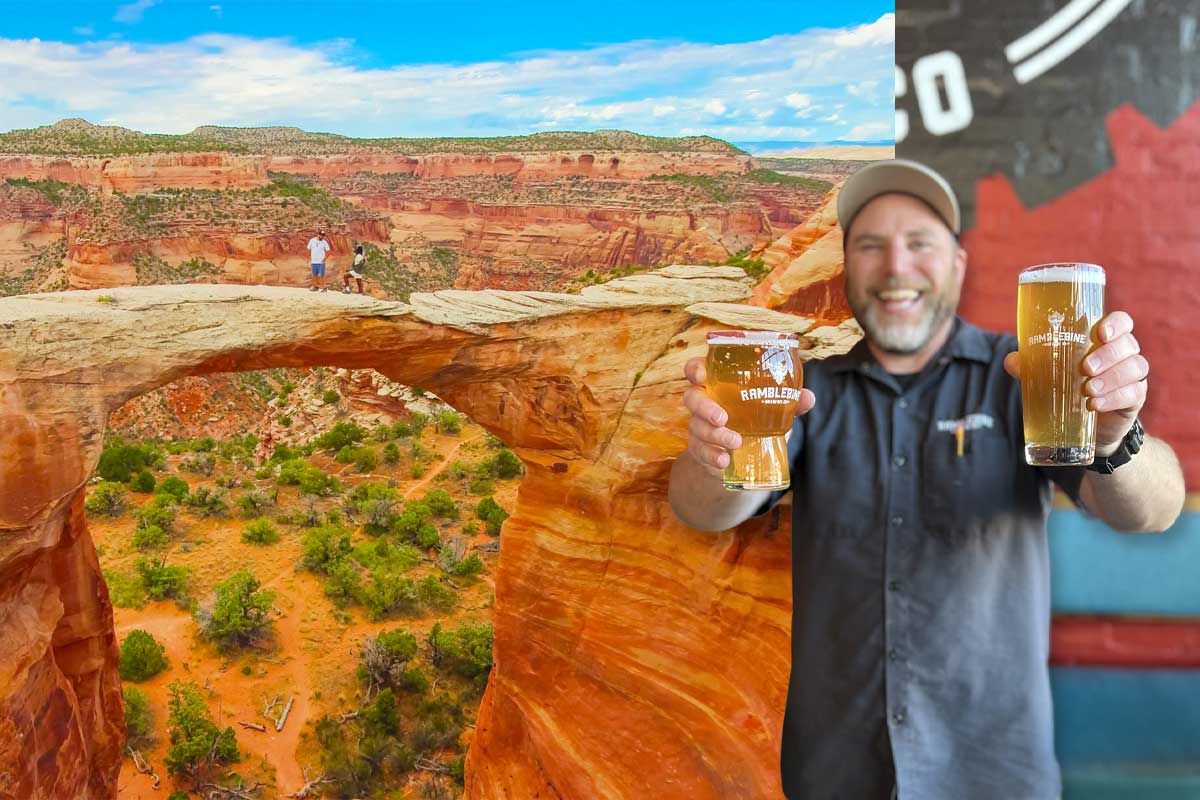
Established in 2020 by founders Eli Gerson and Rob James, Ramblebine Brewing has quickly become a cornerstone of the downtown scene. Their approach is marked by a refusal to be pigeonholed into a single style. While they maintain popular flagships like crisp lagers and West Coast IPAs, they are perhaps best known for their "God Hammer," a Norwegian red ale fermented with kveik yeast. Kveik, a traditional Norwegian farmhouse yeast, allows for high-temperature fermentation that produces unique esters, a technique that highlights the brewery’s commitment to technical innovation. The taproom’s atmosphere is designed to be inclusive, bridging the gap between beer experts and casual consumers.
Trail Life Brewing
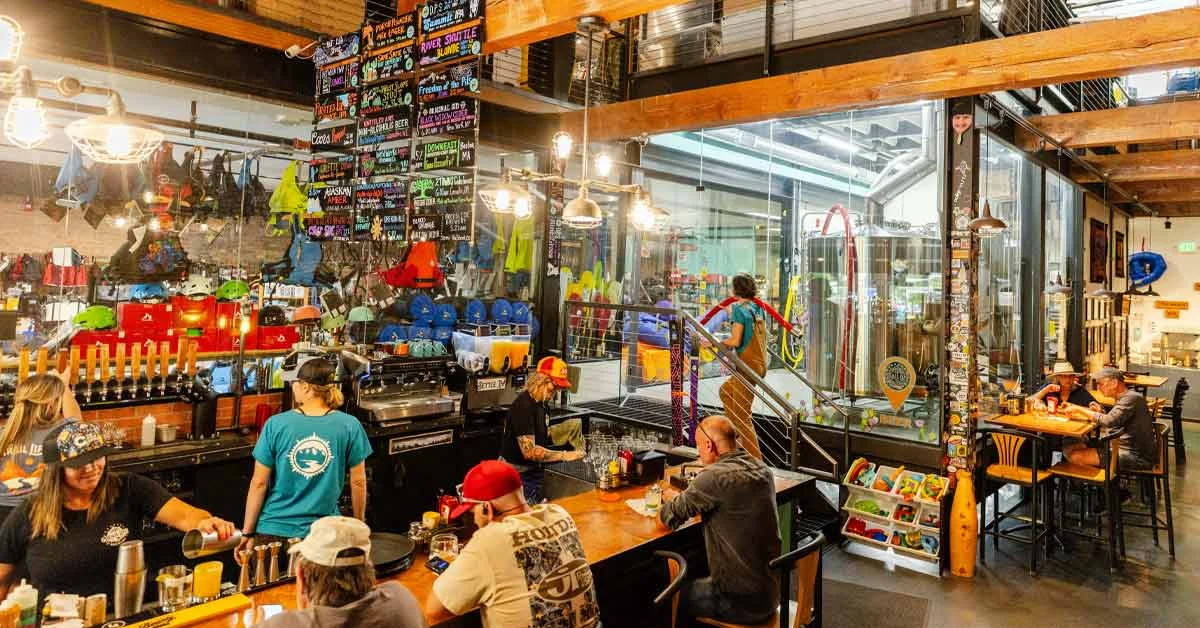
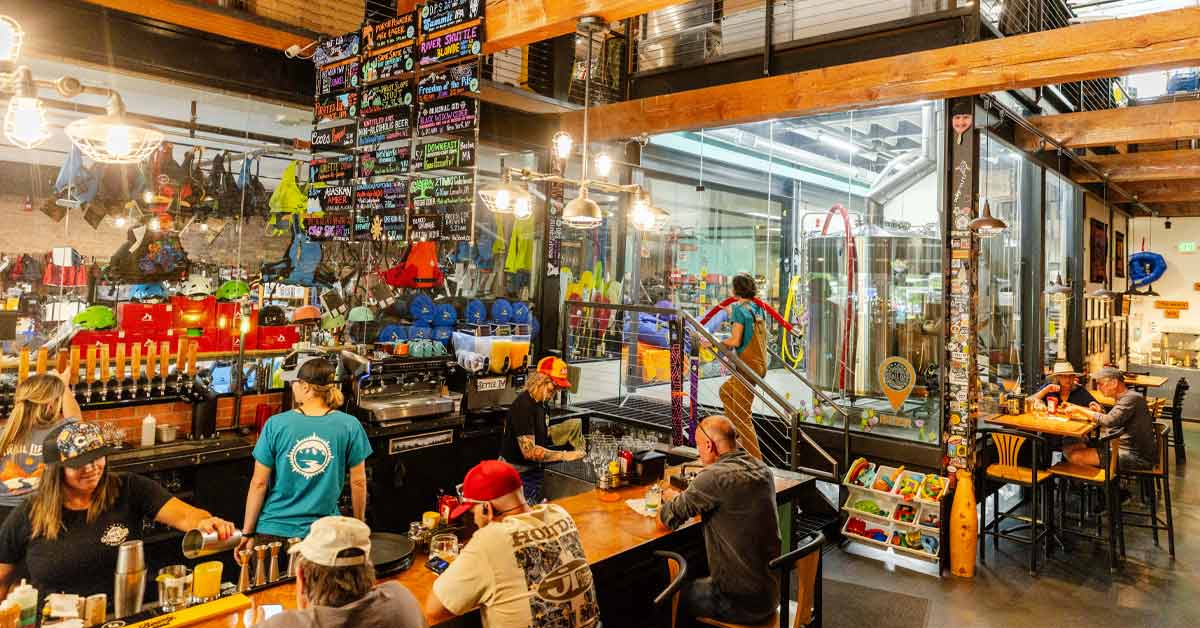
The intersection of the city’s two primary draws—cycling and beer—is most evident at Trail Life Brewing. Physically attached to a mountain bike shop, this brewery serves as the unofficial headquarters for the region’s trail-riding community. The business model capitalizes on the "après-adventure" demographic. Their tap list, featuring blonde ales, Mexican-style lagers, and the "Pirates Life" Black IPA, is designed to be refreshing after a day on the trails. The integration of a full kitchen serving nutrient-dense rice bowls alongside traditional pub fare like burgers further cements its status as a comprehensive destination for active travelers.
WestCo Brewing and the Veteran Influence
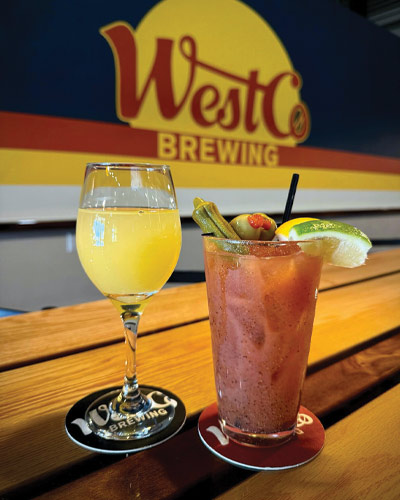
The most recent addition to the landscape is WestCo Brewing, a project spearheaded by industry veterans Adam Kinsey and Danny Wilson. Kinsey, who also owns the Handlebar Tap House, brings years of experience in regional hospitality. Located near the Amphitheater at Las Colonias Park, WestCo is strategically positioned to capture the concert-going crowd. Their beer program focuses on "flavor-forward but easy-drinking" styles, such as Japanese-style rice lagers and fruited sours. The culinary program at WestCo is particularly noteworthy, offering an eclectic menu that includes katsu fried chicken, ramen, and Colorado elk sloppy joes, signaling a move toward high-concept gastropub experiences in Grand Junction.
Economic Impact and Supporting Data
The growth of the craft beer industry in Grand Junction is supported by broader economic data from the state of Colorado. According to the Brewers Association, Colorado consistently ranks in the top five states for the number of craft breweries per capita. In 2023, the craft brewing industry contributed billions to the state’s economy. In Mesa County specifically, the diversification of the economy into niche tourism—including mountain biking, hiking, and craft beverages—has provided a buffer against the volatility of the energy sector, which historically dominated the region.
Tourism statistics for the Colorado National Monument also indicate a steady interest in the region. Unlike the Grand Canyon, which sees millions of visitors annually, the Colorado National Monument offers a more intimate experience with approximately 600,000 visitors per year. This "crowd-free" environment is a primary selling point for the city’s marketing efforts. Industry analysts suggest that the "undiscovered" nature of Grand Junction is its greatest asset, appealing to "post-peak" tourists—those who seek high-quality experiences without the logistical hurdles of overcrowded national parks.
The Role of Geography and Geology
The physical landscape of Grand Junction is not merely a backdrop but a foundational element of its brand. The Colorado National Monument, established in 1911, features dramatic red rock canyons and monoliths carved over millions of years through the erosion of Wingate Sandstone. To the east, the Grand Mesa rises to over 11,000 feet, providing a stark contrast to the desert floor.
This proximity to varied ecosystems allows Grand Junction to offer a year-round recreational calendar. In the winter, the Mesa provides skiing and snowshoeing; in the summer, the rivers and canyons offer rafting and hiking. This year-round activity ensures a consistent flow of patrons for local breweries, regardless of the season. The "Handlebar Tap House," for instance, relies on its location near major trailheads to maintain a steady rotation of 24 taps, showcasing not only their own products but those from the surrounding Western Slope.
Implications for the Future of the Western Slope
The rise of Grand Junction’s beer scene has broader implications for the development of the Western Slope. As remote work becomes more prevalent, smaller cities with high recreational value and developed social infrastructures (like a robust brewery scene) are seeing an influx of new residents. This demographic shift often leads to further investment in local amenities and infrastructure.
However, this growth also brings challenges. Maintaining the "small-town" feel that currently defines Grand Junction while accommodating increased tourism requires careful urban planning. The city’s focus on repurposing existing spaces—such as the breweries located in historic downtown buildings or near revitalized parks—suggests a commitment to sustainable growth.
Furthermore, the emphasis on "independent" brewing is significant. The Brewers Association’s "Independent Craft" seal is a common sight in Grand Junction taprooms, signaling a commitment to local ownership and traditional brewing methods. This focus on independence resonates with the rugged, self-reliant ethos of the Western Slope.
Conclusion: A New Hub for the Mountain West
Grand Junction stands at a pivotal moment in its history. By leveraging its extraordinary natural assets and fostering a sophisticated, community-oriented craft beer culture, the city is successfully redefining its identity. The "embarrassment of riches" cited by local business owners refers not only to the geological wonders of the canyons and mesas but also to the high caliber of artisanal products being produced within the city limits.
For the traveler, Grand Junction offers a rare opportunity to experience the best of Colorado’s outdoor and culinary offerings without the congestion of more established hubs. As the city continues to expand its brewing portfolio with additions like Gemini Beer Company and Base Camp Beer Works, the Western Slope is poised to become a central pillar of the state’s world-famous beer culture. The convergence of the Colorado and Gunnison Rivers now serves as a metaphor for the city itself: a place where tradition meets innovation, and where the trail ends at the taproom.