admin
The 2021 "Celebrating Sisters" craft beer campaign, launched by the Indigenous Brew Crew (IBC), was intended to be a landmark moment of visibility and support for Indigenous women across Canada. However, the initiative quickly became a flashpoint for a much deeper national conversation regarding the role of alcohol in Indigenous communities. While many celebrated the visibility of Indigenous brewers, the project also faced significant backlash from those who viewed the promotion of alcohol—even under the guise of craft beer—as a betrayal of communities still reeling from generations of alcohol-related trauma. This controversy, which eventually led to the dissolution of the IBC, underscores the profound complexity of Indigenous participation in an industry from which they were legally and systematically excluded for over a century.
The 2021 Catalyst and the Dissolution of the IBC
In March 2021, three Indigenous brewers known as the Indigenous Brew Crew spearheaded a national campaign to highlight Indigenous women in the craft beer sector. A centerpiece of the campaign was a collaboration with Anishinaabe artist Chief Lady Bird, who designed a label featuring a blackbird with wings spread across a woodland background. The aesthetic beauty of the project, however, did not shield it from intense scrutiny.
On social media, the campaign was met with a dichotomy of reactions. Supporters lauded the entrepreneurial spirit and the reclamation of space in a white-dominated industry. Critics, conversely, expressed anguish, pointing to the high rates of fetal alcohol spectrum disorder (FASD) and the history of alcohol being used as a colonial weapon. Chief Lady Bird engaged directly with these critics, facilitating a rare public discourse on the ethics of Indigenous-branded alcohol. Despite these efforts toward reconciliation, the IBC dissolved months later, leaving a vacuum of silence that many in the industry are only now beginning to fill.
A Chronology of Exclusion: The Indian Act and Systemic Trauma
To understand the current tension, one must examine the legislative history of alcohol in Canada. The 1876 Indian Act served as the primary instrument of "cultural genocide," as defined by the 2015 Truth and Reconciliation Commission. Under this Act and subsequent amendments, Indigenous people were treated as wards of the state, stripped of their right to self-governance, land ownership, and even the right to purchase or consume alcohol.
For decades, Indigenous people were restricted to "Indian Beer"—a term used for non-alcoholic substitutes—because the law forbade them from voting on liquor licenses or entering licensed establishments. Paradoxically, while the law prohibited Indigenous consumption, settlers and government agents frequently used alcohol as a tool of exploitation in the fur trade and land negotiations. This systemic introduction of alcohol, coupled with the trauma of the residential school system and the "Sixties Scoop," created a cycle of dependency that many communities are still fighting to break.

The timeline of legislative change was slow:
- 1951: The Indian Act was amended to allow Indigenous people to consume alcohol in public places, but only if provincial laws permitted.
- 1960s-1970s: Gradual shifts occurred as provinces began to lift bans on Indigenous people purchasing alcohol for off-premise consumption.
- 1985: Bill C-31 gave First Nations bands the power to enact their own liquor bylaws on reserves, leading to a patchwork of "dry" and "wet" communities across Canada.
The Rise of Indigenous Entrepreneurship and Self-Determination
Despite this dark history, a new generation of Indigenous entrepreneurs is asserting that sovereignty includes the right to participate in any legal industry, including craft brewing. For these business owners, the focus is not on mass consumption, but on craftsmanship, storytelling, and economic independence.
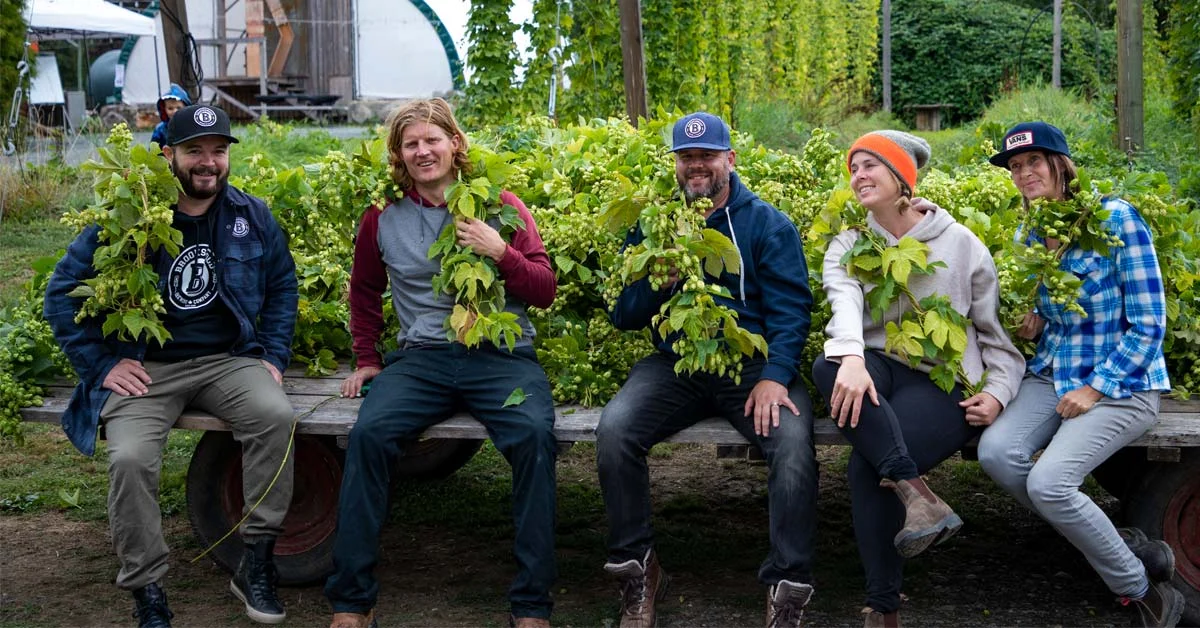
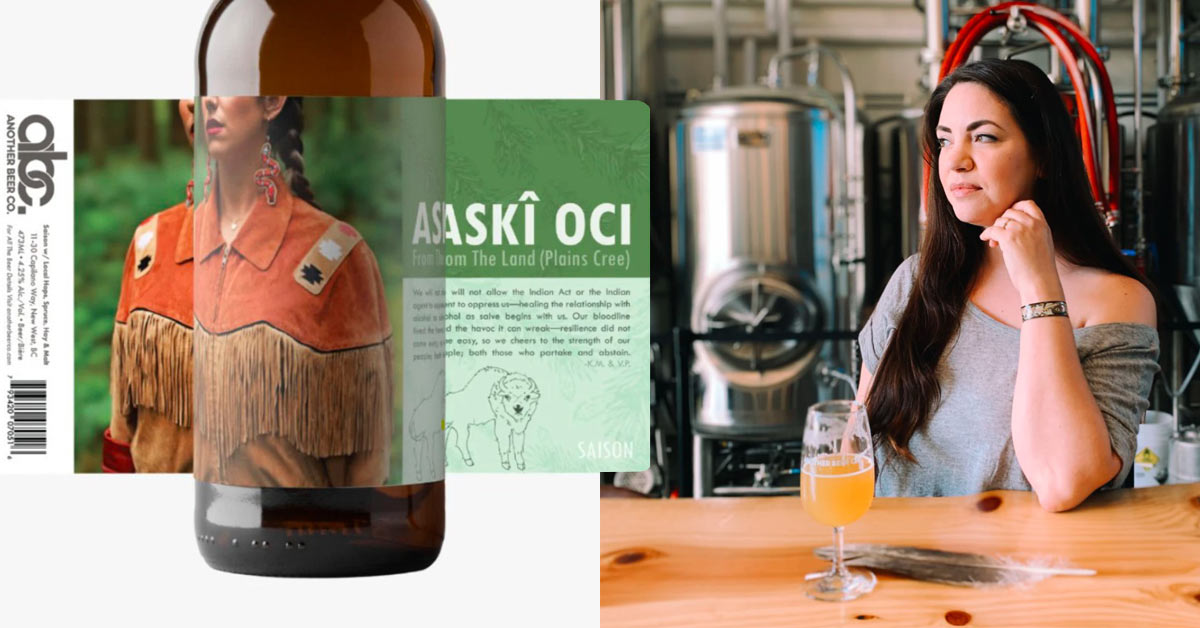
Melanie MacInnes, a Métis woman and co-owner of Locality Brewing in Langley, British Columbia, exemplifies this shift. When nominated for the 2022 BC Food & Beverage Award for Best Indigenous-Led Business, MacInnes initially hesitated, fearing the weight of representing her culture in the alcohol sector. After accepting the nomination and winning, she realized that her presence in the industry was a form of cultural reclamation. By using her family’s land for "gathering and growth," she has integrated Métis identity into the very soil of her brewery.
Similarly, Matthew Sabourin of La Brasserie Nonsuch Brewing Co. in Winnipeg has utilized his platform to celebrate Métis history. The brewery features a mural of Louis Riel and hosts "Beer Bannock" experiences, where customers learn about Indigenous history while pairing traditional bread with craft beer. Sabourin emphasizes that his business is about celebrating quality and community rather than volume, a sentiment echoed by many Indigenous brewers who prioritize the "social" over the "substance."
Case Studies in Cultural Integration and Bespoke Brewing
Indigenous brewers are increasingly incorporating traditional knowledge and ingredients into their products, effectively redefining what "Canadian beer" can be.
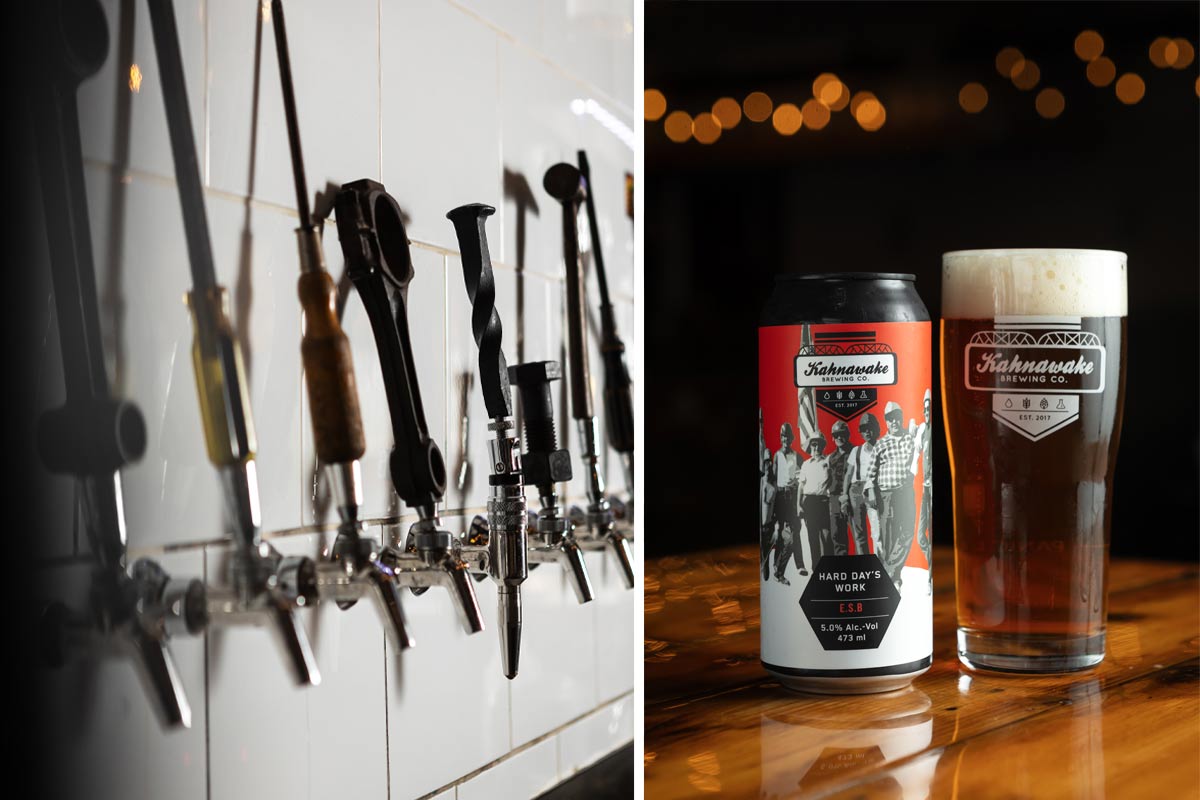
- Kahnawake Brewing Company (Quebec): Recognized as the first openly Indigenous-owned craft brewery on Indigenous land in Canada, this brewery draws heavily on the history of Mohawk ironworkers. Co-owner Fred Leblanc, a former ironworker himself, has led the brewery to multiple medals at the Canada Beer Cup (2024 and 2025), proving that Indigenous-led businesses can compete at the highest national levels.
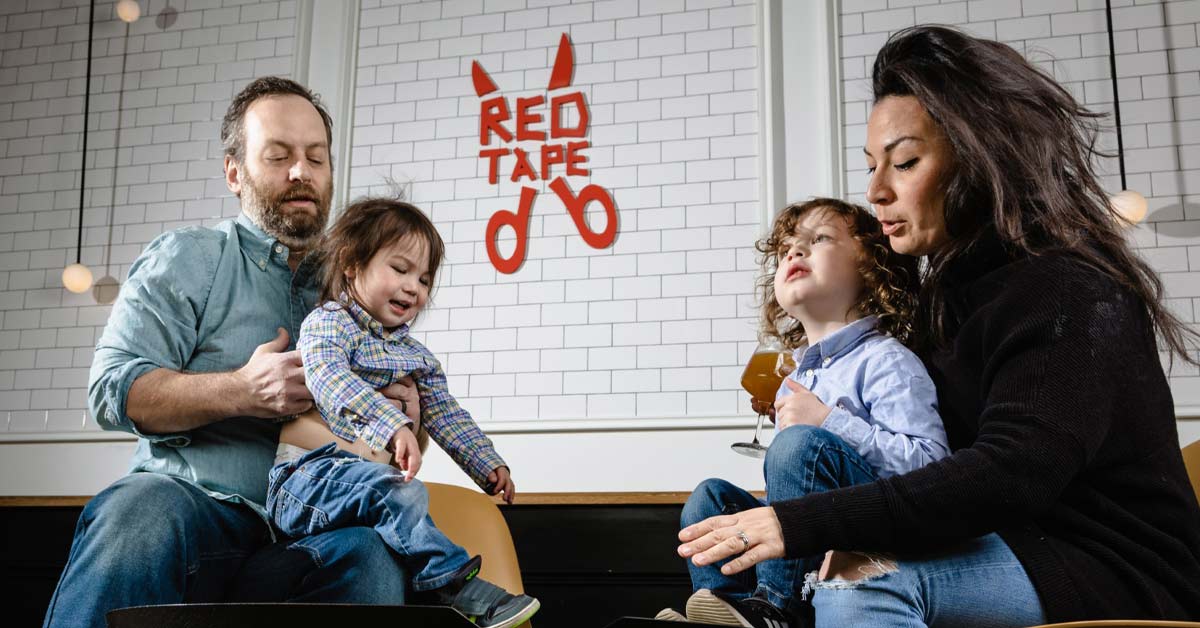
- Red Tape Brewery (Ontario): Owned by Inuit brewer Sarabeth Holden, this Toronto-based brewery specializes in bespoke beers. Holden integrates ingredients tied to the Inuit experience, such as orange pekoe tea—a staple during hunting and fishing trips in the North—and dwarf fireweed (Paunnat). Her success is a testament to the support of her community, even among those who personally abstain from alcohol.
- Two Loons Brewing (Ontario): Head brewer Jason Tremblay, who identifies as Métis, acknowledges the "white-passing" privilege that has allowed him to navigate the industry without the "side-eye" often directed at First Nations brewers. Tremblay views the entrepreneurial hustle of the Métis people as a direct response to the government theft of their lands in the 1870s.
Economic Impact and the Role of Financial Infrastructure
The growth of Indigenous-led breweries is supported by a growing network of Indigenous-oriented financial institutions. Organizations such as the Manitoba Métis Federation and Farm Credit Canada (FCC) have become vital in providing the capital necessary for Indigenous entrepreneurs to overcome systemic barriers to entry.

Data from Indigenous Tourism BC and other provincial bodies suggest that Indigenous-owned businesses are one of the fastest-growing sectors of the Canadian economy. By participating in the craft beer industry, these entrepreneurs are not only creating jobs but are also ensuring that Indigenous people are represented throughout the supply chain—from hop farming to malt distribution. Darnell Stager of Indigenous Tourism BC argues that excluding Indigenous people from the alcohol industry is a form of "economic gatekeeping" that contradicts the principles of self-determination.
The Path Toward Reconciliation: Perspectives from Leadership
Reconciliation within the craft beer industry requires more than just land acknowledgments; it requires active engagement and behavioral change. Inez Cook, co-founder of the Indigenous restaurant Salmon n’ Bannock, advocates for a "people-first" approach to business. She encourages non-Indigenous brewery owners to visit local tribal nations, introduce themselves, and seek genuine partnerships rather than transactional ones.
Professor Niigaan Sinclair, an Anishinaabe scholar, offers a philosophical framework for this involvement. He notes that while alcohol has been a "violent intrusion," beer itself is derived from natural elements. In Anishinaabe teaching, humans must find a right relationship with all things. Sinclair argues that sovereignty means Indigenous people must make their own decisions about alcohol, provided those decisions come with the responsibility to avoid causing harm to others.
Conclusion: A New Paradigm for Canadian Craft Beer
The presence of Indigenous people in the Canadian craft beer industry remains a sensitive and contested issue. However, the voices of brewers like Melanie MacInnes, Sarabeth Holden, and Matthew Sabourin suggest that the industry is undergoing a fundamental transformation. By prioritizing land stewardship, cultural storytelling, and community well-being, these entrepreneurs are attempting to heal the fractured relationship between their people and alcohol.
As the Canadian craft beer community faces its own economic and social challenges, the values championed by Indigenous brewers—kindness, respect for the land, and the prioritization of people over profits—offer a potential roadmap for the entire industry. The transition from silence and exclusion to active participation and sovereignty marks a new chapter in the ongoing story of Canadian reconciliation, one pint at a time.