admin
admin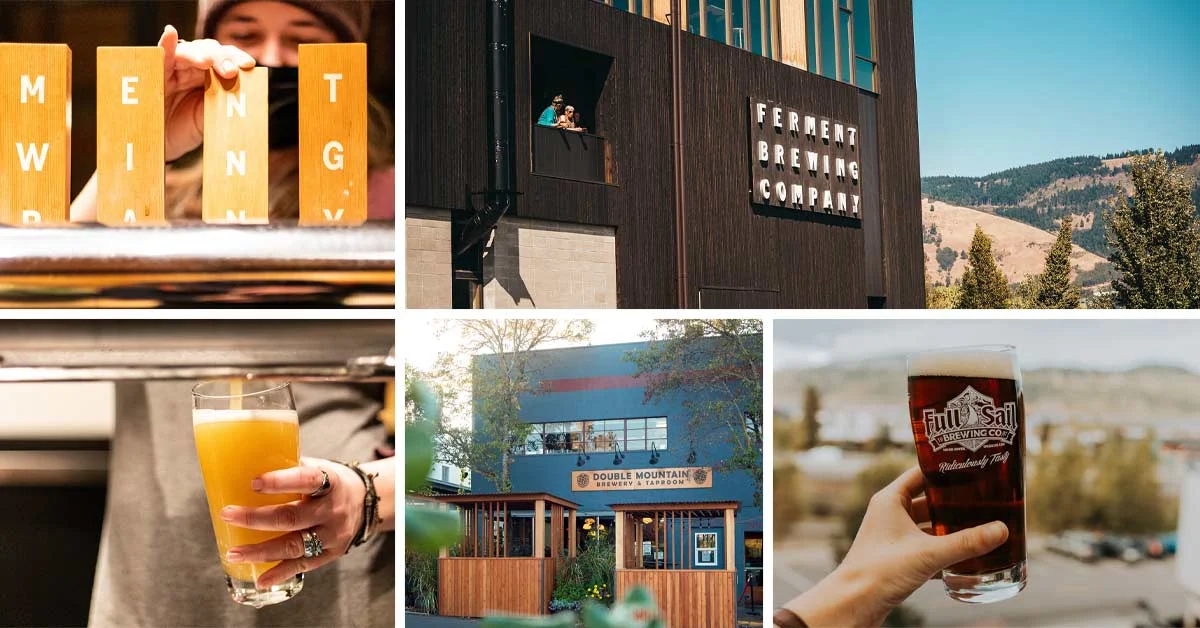
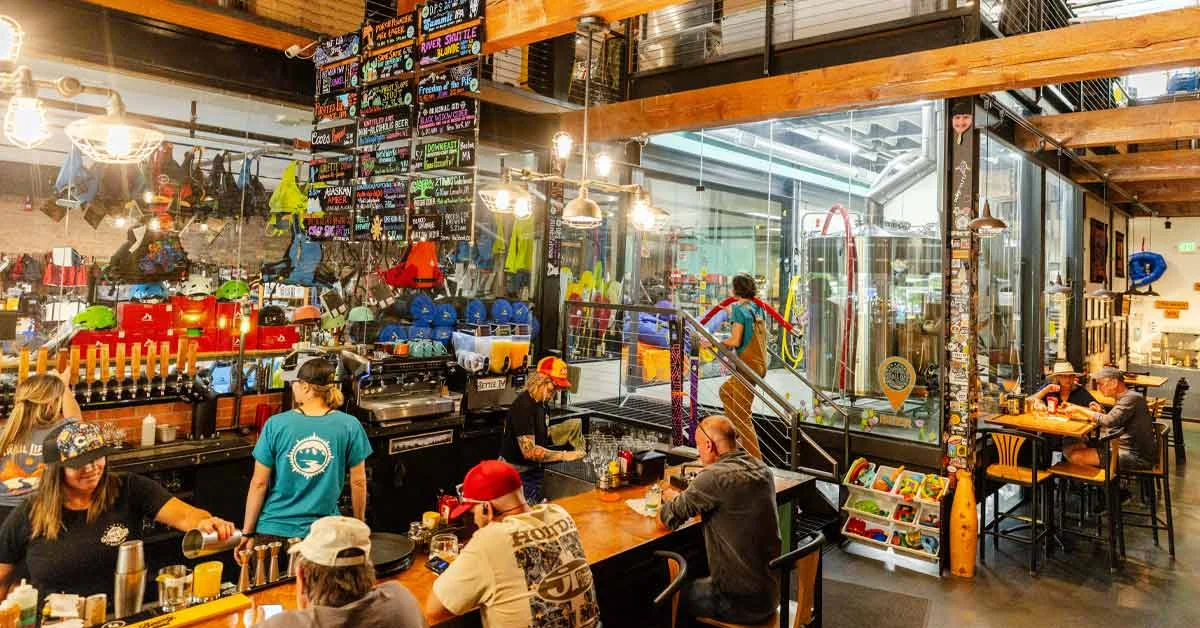
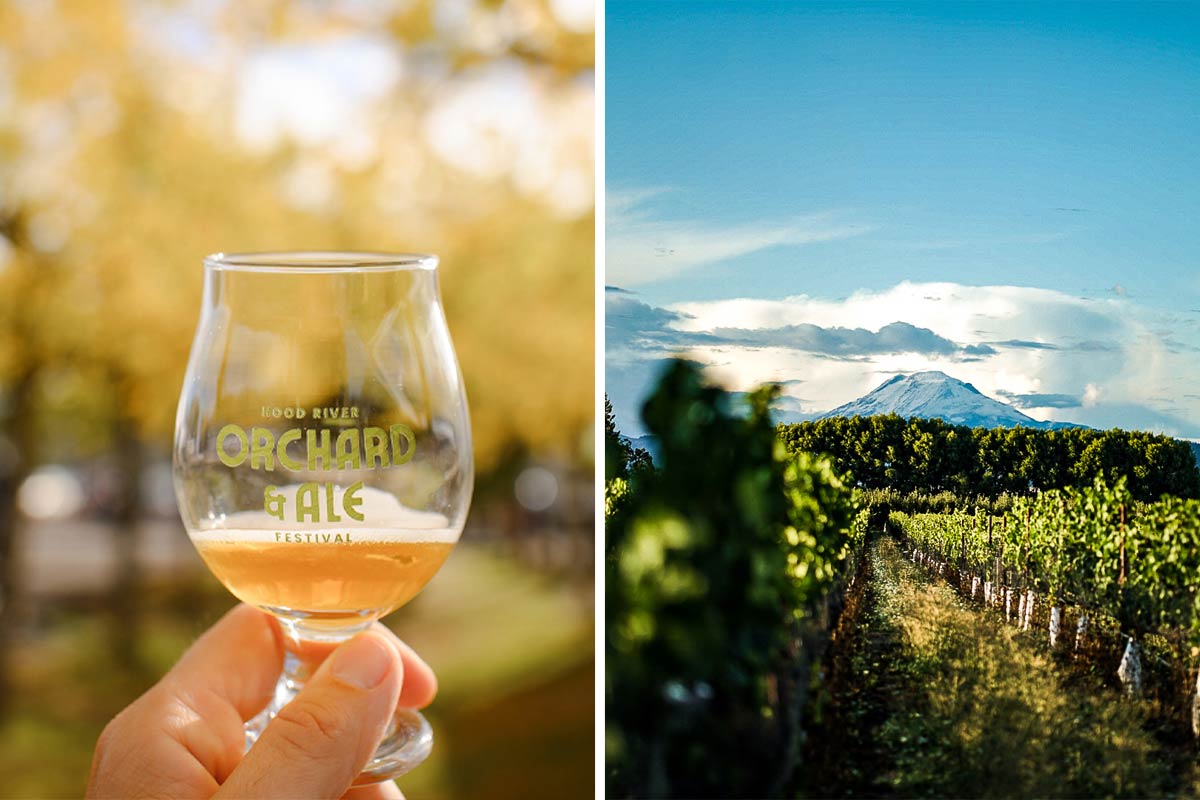
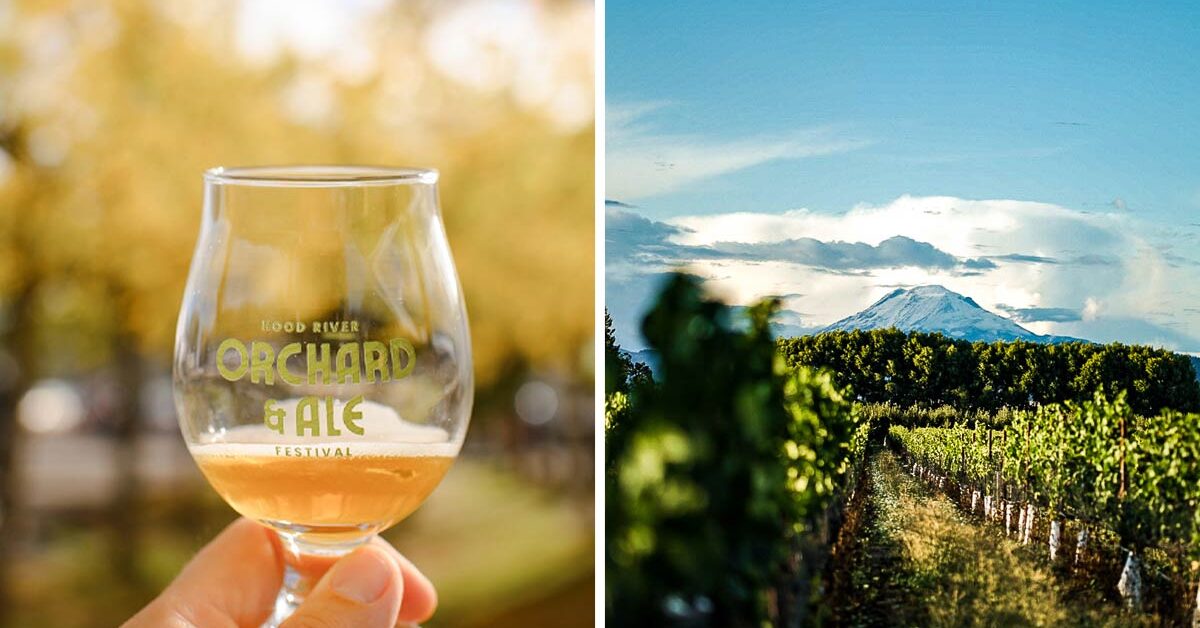
The inaugural Hood River Orchard and Ale Festival, held on the scenic waterfront of the Columbia River, marks a significant milestone in the maturation of Oregon’s craft beer industry. Located in the heart of the Columbia River Gorge, the event showcased the unique intersection of geography, agriculture, and fermentation science that has transformed this town of approximately 8,350 residents into a global hub for craft brewing. Attendees faced a brisk early-October environment characterized by the Gorge’s notorious "wind tunnel" effect, where steady gusts often exceed 20 miles per hour, influencing both the recreational kiteboarding culture and the logistical requirements of the festival itself. For many participants, the environmental conditions necessitated a shift from lightweight plastic tasting vessels to heavier glassware, such as the weighted tulip or the traditional Willi Becher pint, to prevent the wind from disrupting the tasting experience.
The Geological and Agricultural Foundation of Hood River Brewing
The success of the Hood River brewing scene is inextricably linked to the region’s unique geological profile. Unlike many metropolitan breweries that rely on treated municipal systems, Hood River brewers draw their primary ingredient from the Hood River watershed. This water originates as snowmelt from the 11,249-foot peak of Mount Hood and the surrounding Cascade Mountains. As the water descends, it undergoes a natural filtration process through layers of volcanic basalt rock. This geological interaction creates a soft, clean water base with a specific mineral profile that is ideal for brewing bright lagers and complex ales.
Furthermore, Hood River’s proximity to the Willamette Valley provides brewers with immediate access to some of the world’s most sought-after hop varieties. Oregon is the second-largest hop-producing state in the U.S., accounting for approximately 15 percent of domestic production. The ability to source "fresh hops"—hops that are harvested and utilized in the brewing process within 24 hours—allows local establishments to produce seasonal specialties that are difficult to replicate in other regions. This synergy between glacial water sources and local agriculture forms the backbone of the "terroir" that defines the Hood River palate.
A Chronology of Brewing Excellence: 1987 to 2025
The development of the craft beer infrastructure in Hood River has occurred in distinct waves, beginning in the late 1980s and continuing through the mid-2020s.
The Pioneers (1987–2010)
The foundation was laid in 1987 with the establishment of Full Sail Brewing Co. As one of the original craft breweries in the Pacific Northwest, Full Sail utilized the town’s defunct fruit cannery infrastructure, signaling a shift from an extraction-based economy to a value-added beverage economy. Their flagship Amber Ale remains a staple of the region, though the brewery has recently modernized its portfolio to include high-demand West Coast and hazy IPAs.
In 2007, the opening of Double Mountain Brewery further solidified the town’s reputation. Founded by industry veterans, Double Mountain focused on unfiltered ales and a robust "reuse" bottle program, emphasizing sustainability long before it became a standard industry practice. Their influence helped transition Hood River from a town with a single large brewery to a destination with a diverse brewing culture.
The Expansion and Refinement (2012–2020)
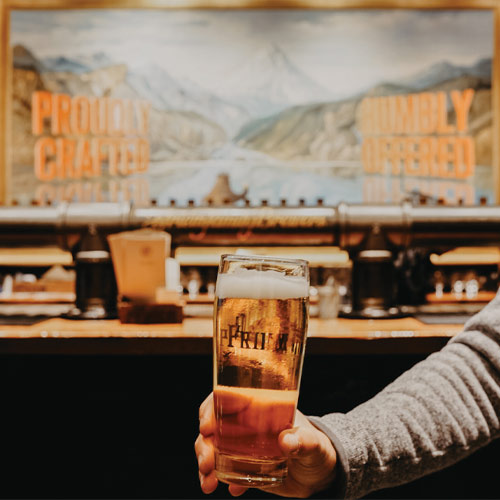
The arrival of pFriem Family Brewers in 2012 marked a shift toward European-inspired styles and sophisticated tasting room experiences. Located directly on the waterfront, pFriem introduced a rigorous focus on Belgian-style ales and German-inspired lagers. By 2024, pFriem had become a regional powerhouse, garnering numerous awards at the Great American Beer Festival and expanding its distribution across the West Coast.
Following closely was Ferment Brewing Company, which integrated modern architectural aesthetics with farmhouse brewing techniques. Ferment’s approach involves capturing local microflora and utilizing Oregon-grown produce, such as strawberries for their "Lost in Fragaria" sour ale, to create a distinct regional identity.
The Modern Era (2023–2025)
The most recent additions to the landscape include Hood River Brewing Company, which opened its doors in 2023 with a focus on eclectic styles like Mexican Amber Lagers, and Kings & Daughters Brewery. In 2025, Kings & Daughters launched "The Walled Garden," an elegant public house that emphasizes sessionable lagers and refined hazy IPAs. Additionally, Working Hands Fermentation has gained prominence on the "heights" of Hood River, specializing in bottom-fermented lagers and Schwarzbiers, catering to a growing consumer preference for lower-ABV, high-complexity dark lagers.
Economic Impact and Industry Data
The concentration of breweries in Hood River suggests one of the highest densities of craft beer production per capita in the United States. With at least seven major brewing operations serving a population of just over 8,000, the town supports one brewery for every 1,200 residents. For comparison, the national average in the United States is approximately one brewery per 35,000 residents.
This density drives significant tourism revenue. According to data from Travel Oregon, the Columbia River Gorge attracts over 2 million visitors annually. The "beer tourism" sector is a vital component of this, as travelers often combine outdoor recreation—such as hiking the 77 waterfalls on the Oregon side of the Gorge or windsurfing on the Columbia—with visits to local tasting rooms. The inaugural Orchard and Ale Festival was designed to capitalize on this "shoulder season" traffic, drawing visitors during the early October harvest period when the region’s famous apple and pear orchards are in peak production.
| Brewery | Year Established | Specialty Style |
|---|---|---|
| Full Sail Brewing Co. | 1987 | Amber Ales & IPAs |
| Double Mountain Brewery | 2007 | Dry-hopped Ales & Sours |
| pFriem Family Brewers | 2012 | Belgian & German Styles |
| Ferment Brewing Co. | 2018 | Farmhouse & Terroir-driven Ales |
| Working Hands Fermentation | 2021 | Lagers & Schwarzbiers |
| Hood River Brewing Co. | 2023 | Eclectic & Seasonal Lagers |
| Kings & Daughters | 2025 | Hazy IPAs & Refined Lagers |
Technical Analysis of Regional Styles
The beers showcased at the Orchard and Ale Festival highlighted a sophisticated understanding of fermentation science. The Czech Dark Lagers produced by pFriem and the Schwarzbiers from Working Hands utilize debittered black malts to achieve deep color and roasted flavors without the astringency often found in stouts. These styles require precise temperature control and extended "lagering" periods, which are facilitated by the consistent, cool climate of the Gorge.
In the realm of IPAs, the transition from the "bitterness wars" of the early 2010s to the current "aroma-forward" trend was evident. The use of the Strata hop in Double Mountain’s "Iowa Bar Fight" IPA illustrates the regional preference for hops that provide citrus and "dank" profiles without overwhelming the palate. This evolution reflects a broader national trend toward drinkability and balance, even within high-alcohol categories.
Official Responses and Community Implications
Local stakeholders and organizers of the Orchard and Ale Festival have indicated that the event serves as more than a mere tasting opportunity; it is a strategic branding exercise for the region. By pairing the "Orchard" (the historic agricultural identity of the valley) with "Ale" (the modern industrial identity), the festival seeks to unify the town’s heritage with its future.
"The goal is to create a sustainable event that highlights the entire ecosystem of the Hood River Valley," noted festival coordinators during the event’s closing remarks. Inferred reactions from local business owners suggest that the festival provides a necessary economic buffer as the summer windsurfing season concludes. The integration of high-quality glassware and professional-grade tasting environments further elevates the perception of Hood River as a "premium" destination, distinguishing it from more casual, large-scale beer festivals found in larger metropolitan areas like Portland or Seattle.
Broader Impact on the Pacific Northwest Beverage Industry
The success of Hood River’s brewing hub has broader implications for the Pacific Northwest. It serves as a model for how small, rural communities can leverage natural resources and geographical advantages to create a world-class industry. The "Hood River Model" emphasizes quality over quantity, with a heavy focus on the "public house" culture that encourages community gathering.
As the industry moves toward 2026, the challenges of climate change and water rights remain a point of analysis for local brewers. The reliance on snowmelt from Mount Hood makes the industry sensitive to shifting winter weather patterns. However, the current infrastructure, characterized by deep-well access and robust watershed management, positions Hood River to remain a resilient leader in the craft beer sector for the foreseeable future.
In conclusion, the inaugural Hood River Orchard and Ale Festival was a testament to a town that has successfully navigated the transition from a quiet agricultural outpost to a sophisticated center of fermentation excellence. Through a combination of geological fortune, historical pioneering, and modern innovation, Hood River continues to define the standard for craft beer in North America.