admin
admin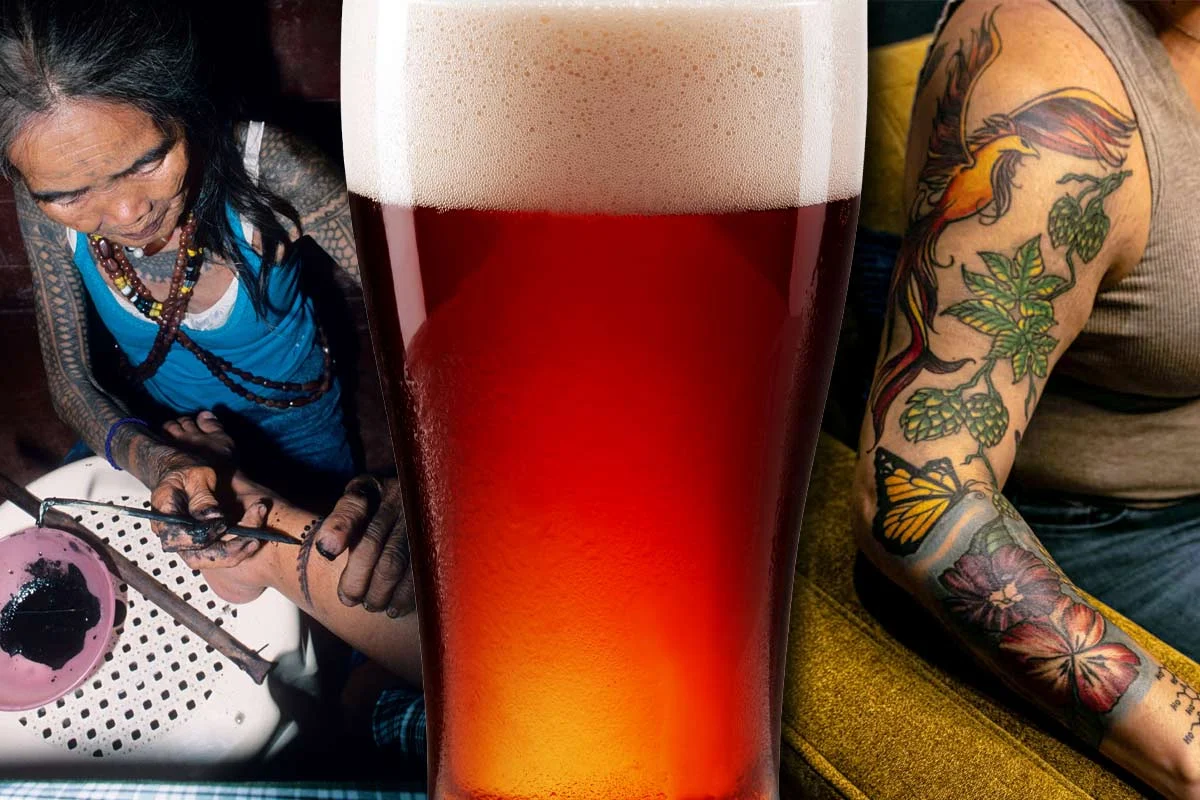
The intersection of tattooing and fermentation represents a profound, though often overlooked, kinship in the history of human transformation. While one practice modifies the skin and the other modifies organic matter, both serve as vital technologies for preserving identity, lineage, and communal health. Across diverse geographic regions—from the subarctic islands of Japan to the tropical highlands of the Philippines and the savannas of Guyana—these crafts have historically shared the same ritual spaces, materials, and spiritual guardians. By examining these parallel traditions, anthropologists and historians reveal a global "grammar of transformation" where the inscription of ink and the brewing of drink function as dual pillars of cultural continuity.
The Hearth as the Center of Transformation: The Ainu of Northern Japan
For the Ainu, the Indigenous people of Hokkaido, Sakhalin, and the Kuril Islands, the hearth served as the physical and cosmological axis of the universe. In Ainu belief systems, the hearth was the residence of Kamuy Fuchi, the goddess of the fire, who oversaw all domestic transitions. Historically, the Ainu were a society of hunters and foragers whose cultural survival depended on the careful management of natural resources, a responsibility that was deeply intertwined with spiritual ritual.
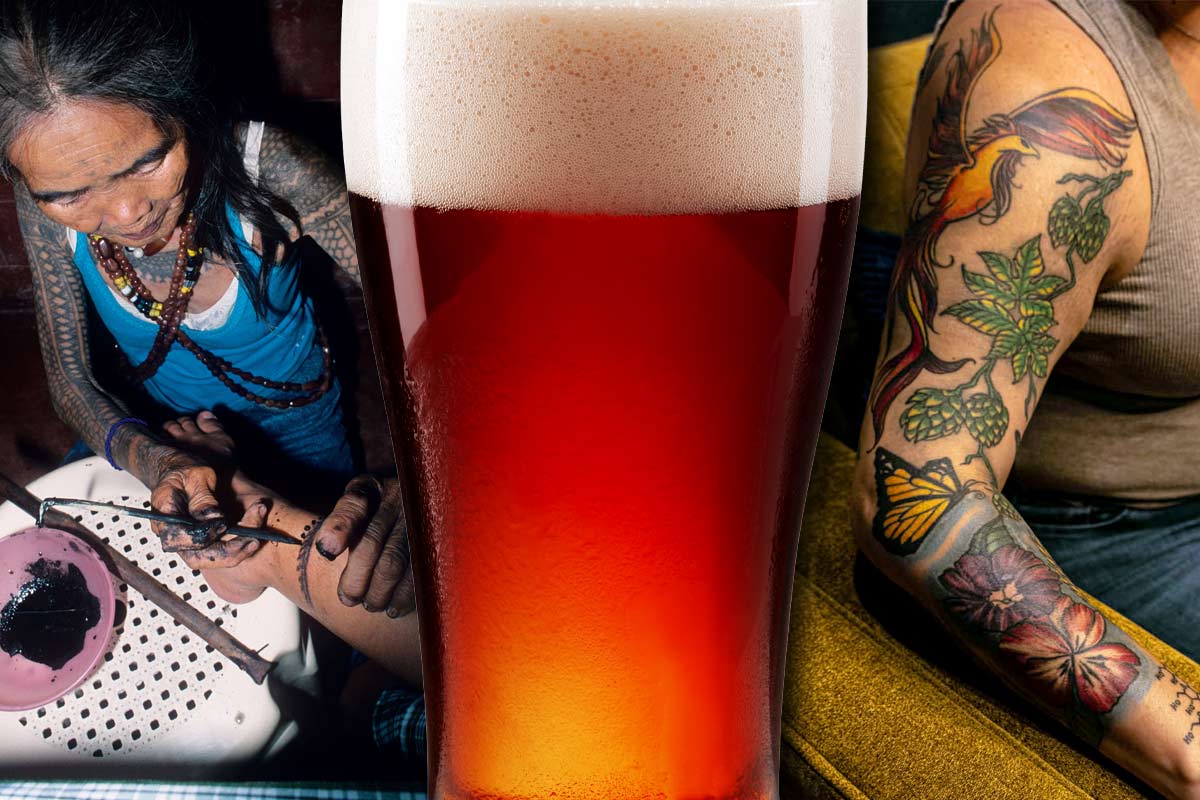
The chronological suppression of Ainu culture began in earnest during the late 19th century. Following the 1869 incorporation of Hokkaido into the Japanese state, the 1899 Hokkaido Former Aborigines Protection Act sought to forcibly assimilate the Ainu, effectively banning traditional tattooing and the ritual brewing of tonoto. Before this colonial intervention, tattooing and fermentation were inextricably linked through the materials of the hearth.
Ainu women, who were the primary practitioners of both crafts, created tattoo ink by scraping soot from the underside of earthenware cooking pots used to brew tonoto, a beer made from fermented rice and millet. This soot was mixed with water and steeped with ash tree bark. The resulting pigment was then tapped into the skin using a makiri (tattooing knife). These markings, particularly the distinctive lip tattoos, served as a "living record" of a woman’s maturity and offered spiritual protection. Simultaneously, the production of tonoto was a sacred duty. Women offered prayers to the kamuy (divine beings) throughout the fermentation process, ensuring the beverage reached the necessary quality for ceremonial use. The use of the same soot for ink that was generated during the brewing process meant that the tattooed body was literally and metaphorically seasoned by the hearth’s fire.
Chemical Intersections and Social Prestige: The Kalinga of the Philippines
In the Cordillera mountain range of the northern Philippines, the Kalinga people have maintained the practice of batok (hand-tapped tattooing) for centuries. This practice gained international visibility through Whang-od Oggay, who, at over 100 years of age, remains the oldest practicing mambatok (tattoo artist). The Kalinga tradition provides a unique example of the chemical intersection between ink and fermentation.
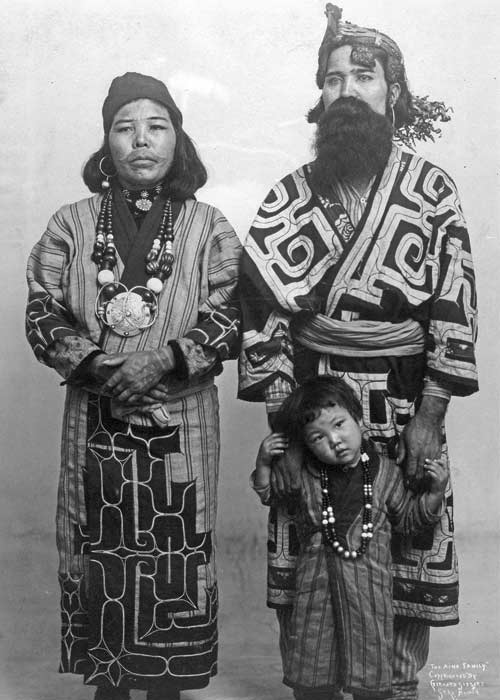
Historically, Kalinga tattooists utilized a mixture of soot and water, but in certain regions, sugarcane juice was employed as the carrier liquid. When sugarcane juice is exposed to wild yeasts in a humid environment, it begins a natural fermentation process, converting sugars into ethanol and organic acids. While the biological process of tattooing relies on the immune system’s "trapping" of carbon particles in the dermis, the fermentation of the carrier liquid altered the ink’s consistency and chemical profile.
The social chronology of batok is tied to specific life milestones. For men, tattoos were traditionally earned through acts of valor in warfare, serving as a visual resume of bravery. For women, tattoos were considered essential ornaments of beauty and status. Parallel to these markings, the consumption of fermented beverages like tapuy (rice wine) and basi (fermented sugarcane wine) anchored the very feasts where these tattoos were celebrated. The fermentation of the drink and the potential fermentation of the ink carrier reflected a shared cultural logic: that the most significant life transitions require a period of "resting" and "transformation" to achieve their final, permanent state.
Tattooing as a Brewing Charm: The Makushi of the Guiana Shield
The Makushi people of Guyana and Brazil offer perhaps the most direct functional link between tattooing and fermentation. In this culture, the cultivation and processing of cassava is the foundation of social life. The production of parakari, a complex cassava beer involving dual fermentation with both mold and yeast, is a highly skilled labor traditionally performed by women.
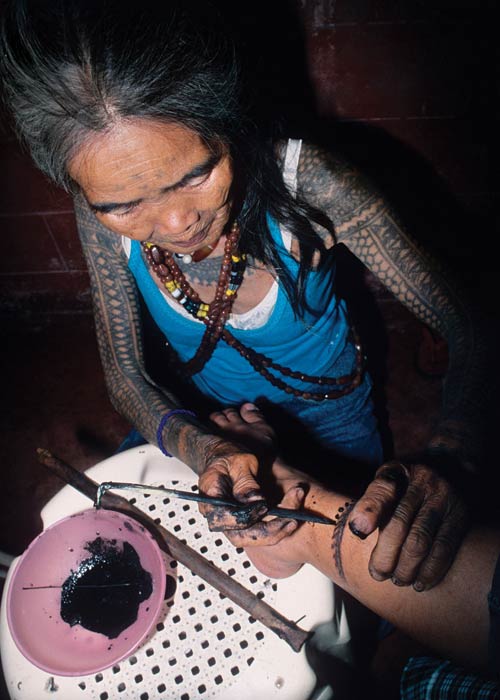
Anthropological records indicate that the Makushi utilized kansku—specific tattoos on the arms and jaws—as "brewing charms." These markings were not merely decorative; they were believed to be active agents that influenced the flavor and potency of the fermented beverage. The motifs often depicted stinging insects like bees or scorpions. The linguistic connection here is vital: in the Makushi language, the word yekî means both "sting" and "intoxication."
The presence of these tattoos was a prerequisite for social interaction. A woman’s ability to serve parakari was traditionally tied to her possessing the correct markings, which signaled to the community that the drink had been prepared under the proper spiritual and physical conditions. This practice highlights a worldview where the body is not separate from the craft it produces; rather, the ink on the skin acts as a catalyst for the fermentation in the vat.
Hawaiian Epistemology: Genealogy, Kalo, and Body Sovereignty
In Hawaii, the relationship between kākau (tattooing) and the fermentation of poi (fermented taro) is rooted in the concept of genealogy (moʻokūʻauhau). According to Dr. Lindsay Malu Kido, a scholar of Indigenous body sovereignty, these practices are dual expressions of kinship with the land and ancestors.
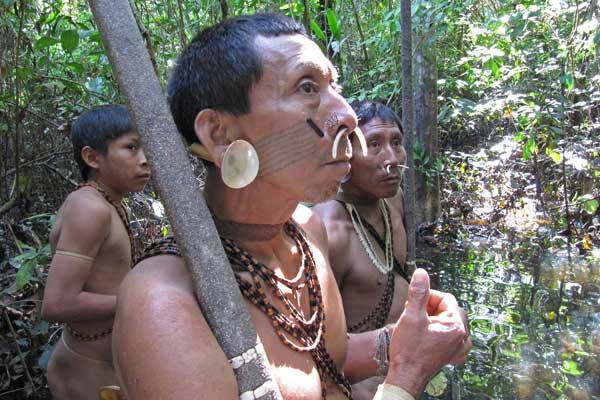
The taro plant, or kalo, is regarded in Hawaiian cosmology as Hāloa, the elder brother of the Hawaiian people. When kalo is harvested, pounded, and fermented into poi, it is seen as a way of nourishing the family through the consumption of an ancestral figure. Similarly, kākau is the process of tattooing one’s genealogy onto the skin. To be tattooed and to eat fermented poi are both acts of maintaining a "living record" of one’s heritage.
In the contemporary context, the revival of these practices is framed as an act of decolonization. Following the 19th-century influence of Western missionaries who viewed both Indigenous tattooing and traditional drinking as "uncivilized," the modern reclamation of kākau represents a reassertion of authority over the Indigenous body. The fermentation of poi and the tapping of ink are viewed as resistant technologies that refuse to be erased by outside moral frameworks.
Data and Trends in Contemporary Craft Brewing
The historical kinship between ink and drink finds a modern, secular echo in the contemporary craft brewing industry. While the ancestral protocols of the Ainu or Makushi are distinct, the cultural logic of using tattoos to signal professional identity and personal transformation remains prevalent.
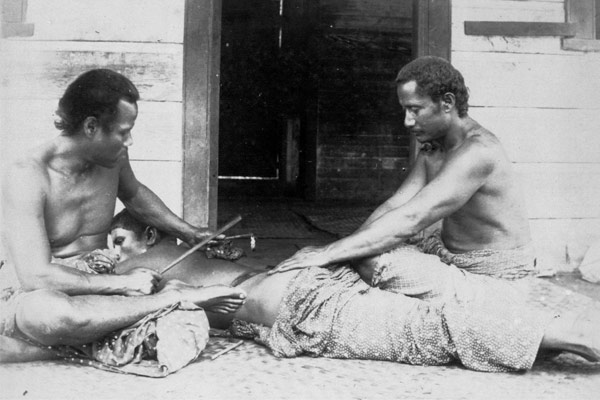
According to industry surveys, the craft brewing sector shows a significantly higher-than-average rate of tattooing among its workforce compared to general manufacturing sectors. This "ink culture" within brewing often serves as a visual language of the trade. Common motifs include:
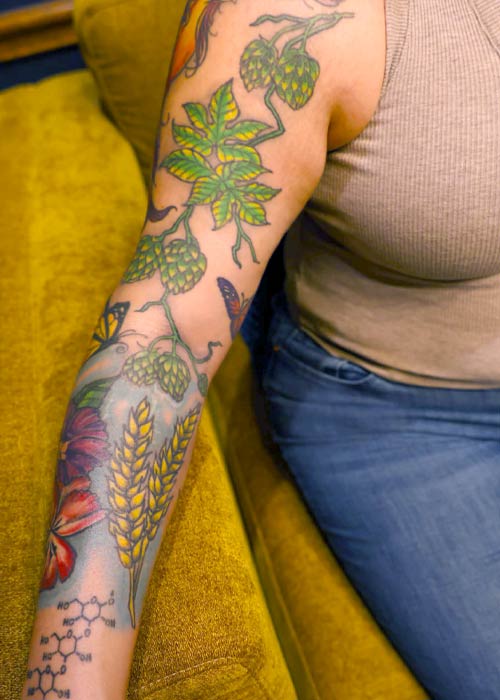
- Botanical Illustrations: Hop bines (Humulus lupulus), barley stalks, and yeast cells.
- Chemical Formulas: Molecular structures for ethanol, alpha acids, or water profiles.
- Narrative Sleeves: Tattoos that document a brewer’s career path or personal milestones.
For professionals like Sandra Murphy of Murphy’s Law Brewery and Rachael Engel of Sound2Summit Brewery, tattoos serve as markers of resilience. Murphy’s sleeve, which integrates ale yeast cell walls with birth flowers and a phoenix, represents a process of "personal fermentation"—taking the raw material of grief and transforming it into a new life in the brewing industry. For Engel, her hop sleeve coincided with her gender transition, marking a period of profound self-actualization.
Analysis of Implications: The Future of Embodied Knowledge
The study of these intersecting traditions suggests that tattooing and fermentation are more than just ancient hobbies; they are "technologies of continuity." In a globalized world where many traditional practices have been marginalized, the survival of these crafts offers several key implications for cultural anthropology and the craft beverage industry:
- Reclamation of Ritual: As craft brewing moves away from purely industrial models, there is an increasing interest in the "ritual" of the pour and the "story" of the ingredients, mirroring the Indigenous focus on the relational aspects of brewing.
- Body Sovereignty: The resurgence of traditional tattooing in the Philippines (through the mambatok movement) and Hawaii (kākau) demonstrates how the body remains a primary site for political and cultural resistance.
- Scientific Re-evaluation: Modern fermentation chemists are increasingly looking toward Indigenous methods (like the dual-fermentation of parakari) to understand complex microbial ecosystems, acknowledging that "primitive" methods often involved sophisticated biological understanding.
Ultimately, the histories of the Ainu, Kalinga, Makushi, and Hawaiians show that transformation is rarely a solitary act. Whether it is the change of sugar into alcohol or the change of bare skin into a canvas of ancestry, these processes require time, care, and a deep connection to the environment. Ink and drink remain two of the oldest ways humanity has found to leave a mark—one on the body, the other on the palate—ensuring that the stories of the past are carried into the future.