admin
admin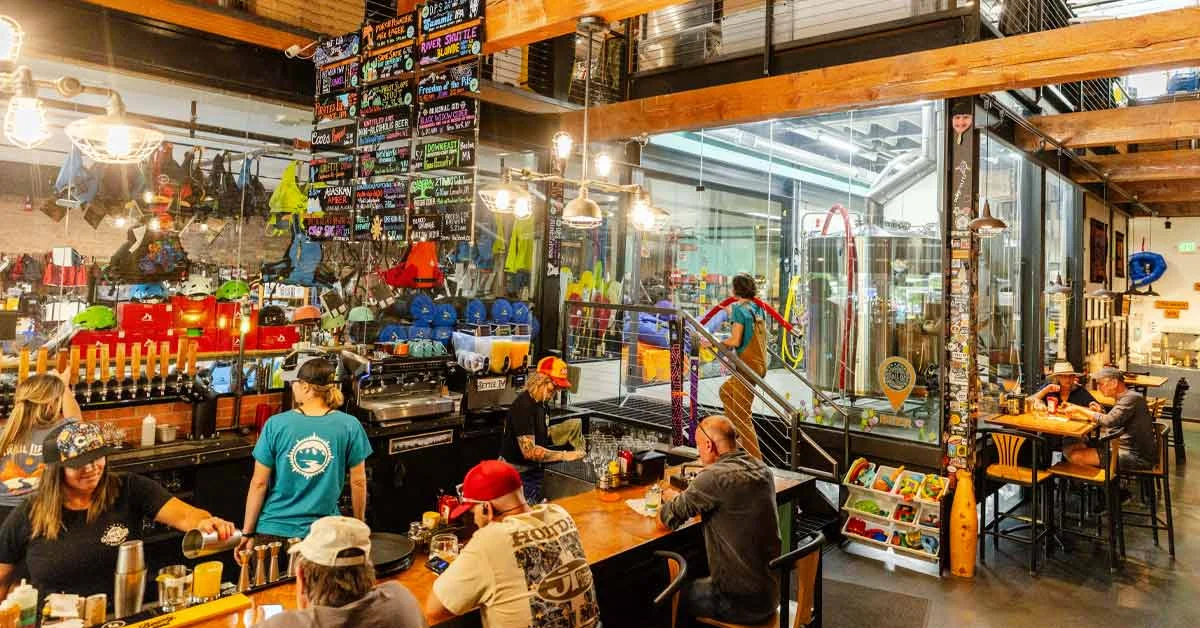
The city of Grand Junction, Colorado, situated at the confluence of the Colorado and Gunnison Rivers, is currently undergoing a significant cultural and economic transformation driven by a burgeoning craft beer industry and a world-class outdoor recreation landscape. While traditional Colorado tourism hubs such as Denver, Fort Collins, and the high-mountain ski resorts continue to attract massive crowds, Grand Junction offers a distinct alternative characterized by high-quality amenities and a notable lack of congestion. At the heart of this appeal is the Colorado National Monument, an expansive canyon system that provides a level of serenity and geological splendor comparable to the Grand Canyon but without the logistical challenges of high-density tourism. As travelers increasingly seek "under-the-radar" destinations, Grand Junction has positioned itself as a critical node on the Western Slope, blending a sophisticated fermentation culture with a rugged, adventurous lifestyle.
The geographic identity of Grand Junction is rooted in its namesake: the junction of two major rivers. Historically, the Colorado River was known as the Grand River, a fact that remains preserved in the city’s name. This convergence has created a unique ecological and geological intersection. To the west lies the Colorado National Monument, a landscape of red rock spires and deep canyons; to the north, the Rattlesnake Arches contain one of the highest concentrations of natural stone arches in the world; and to the east sits the Grand Mesa, the world’s largest flat-top mountain. This trifecta of natural wonders provides a playground for hikers, mountain bikers, and rafters, which in turn has fueled a specific type of hospitality industry tailored to the "après-adventure" demographic.
The Evolution of the Western Slope Brewing Industry
The development of the craft beer scene in Grand Junction has followed a trajectory of steady maturation, beginning with the establishment of foundational brewpubs and evolving into a diverse ecosystem of specialized breweries. The local industry serves as a microcosm of the broader Colorado craft beer economy, which, according to the Brewers Association, contributes billions of dollars annually to the state’s Gross Domestic Product. However, unlike the saturated markets of the Front Range, Grand Junction’s scene is defined by a sense of community and a direct connection to the local landscape.
The chronological anchor of this movement is The Rockslide Brew Pub, which opened its doors in 1994. As a pioneer in the region, Rockslide established the viability of craft brewing in a territory that was then dominated by domestic lagers. For over nearly three decades, it has maintained a consistent presence on Main Street, offering a reliable selection of ales and lagers that paved the way for the more experimental ventures that would follow in the 21st century.
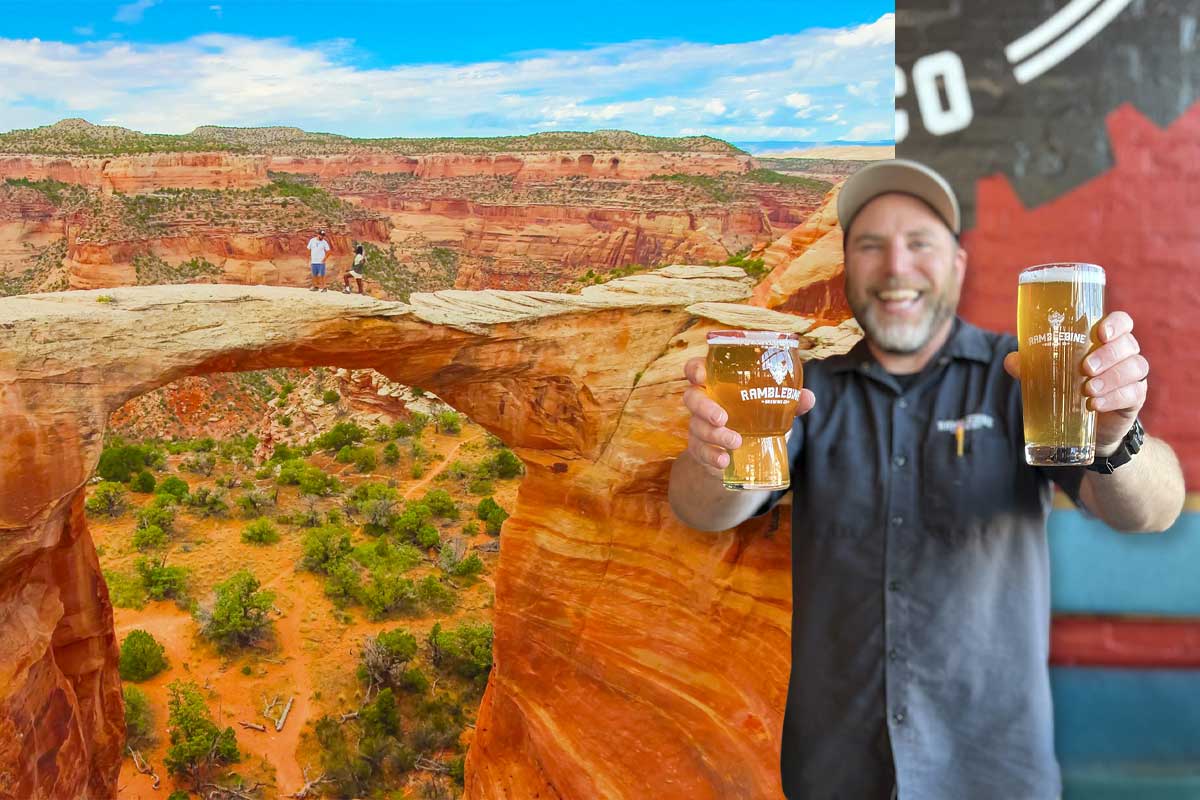
The modern era of Grand Junction brewing began to take shape around 2020, a period of global uncertainty that nonetheless saw the birth of some of the city’s most innovative establishments. Ramblebine Brewing Company, founded by Eli Gerson and Rob James, exemplifies this new wave. Despite opening during a pandemic, Ramblebine quickly distinguished itself through technical proficiency and stylistic diversity. The brewery’s flagship, "God Hammer," a kveik-fermented Norwegian red ale, illustrates a willingness to utilize ancient yeast strains and non-traditional methods to cater to a sophisticated palate. Their portfolio ranges from crisp lagers and hoppy pilsners to complex barrel-aged stouts, reflecting a broader trend in the industry toward "quality over quantity" and stylistic education for the consumer.
The Synergy of Outdoor Recreation and Fermentation Culture
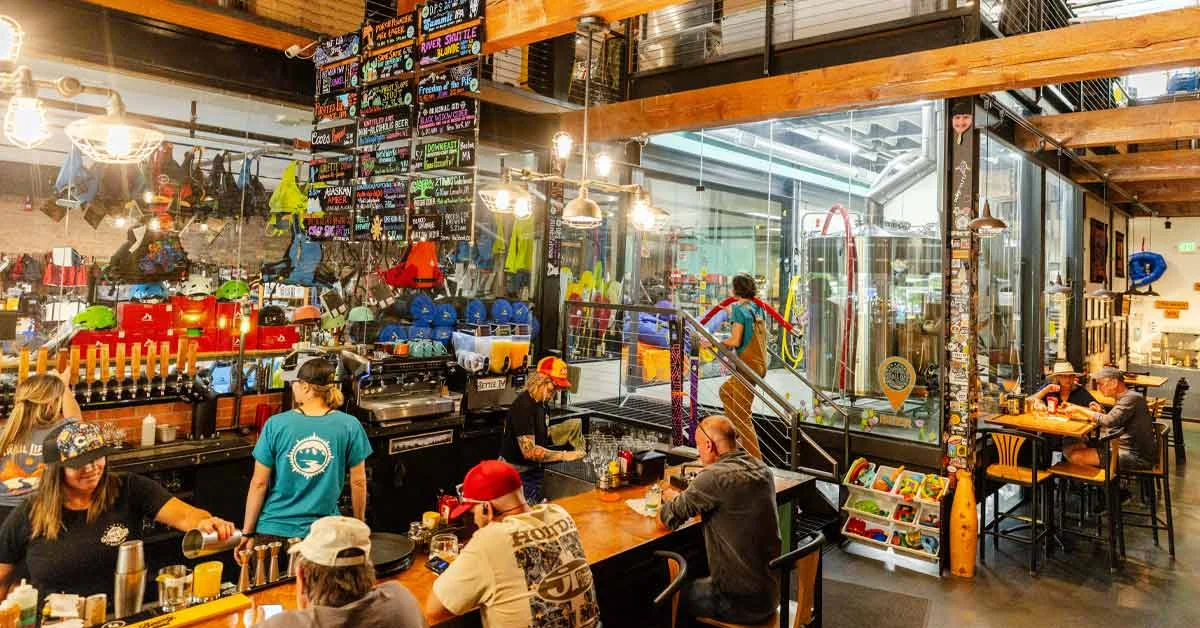
A defining characteristic of the Grand Junction beer scene is its physical and cultural integration with outdoor sports, particularly mountain biking. This is most evident in the "bike-shop-brewery" model, where the boundaries between retail, repair, and relaxation are blurred. Trail Life Brewing represents the pinnacle of this integration. Sharing a building with a prominent mountain bike shop, the brewery acts as a community hub where the energy of the trail is brought indoors. The taproom serves a variety of styles, including Mexican-style lagers and black IPAs, designed to appeal to athletes seeking refreshment after traversing the rugged terrain of the nearby Lunch Loops or Kokopelli trails.
This theme continues at Handlebar Tap House, located adjacent to another major cycling center. Adam Kinsey, the founder of Handlebar and the newly established WestCo Brewing, notes that the city’s population is almost universally involved in outdoor activities. This demographic reality has shaped the service model of local establishments, which prioritize rotating taps from regional producers and high-calorie, high-quality food menus featuring items like cheese curds and specialty burgers.
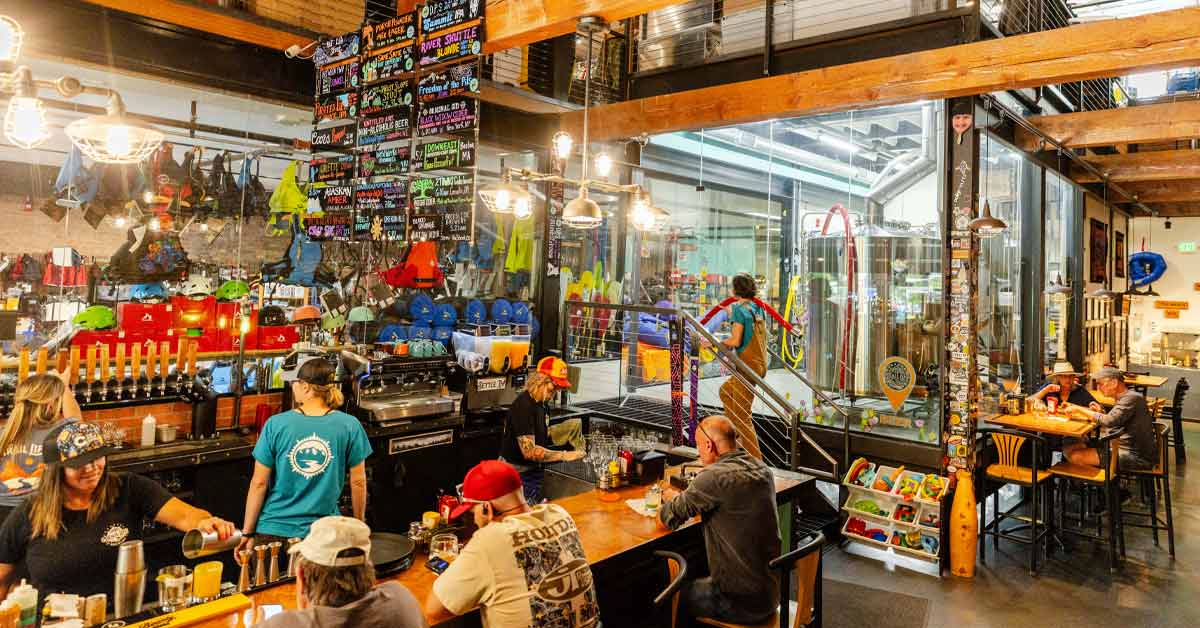
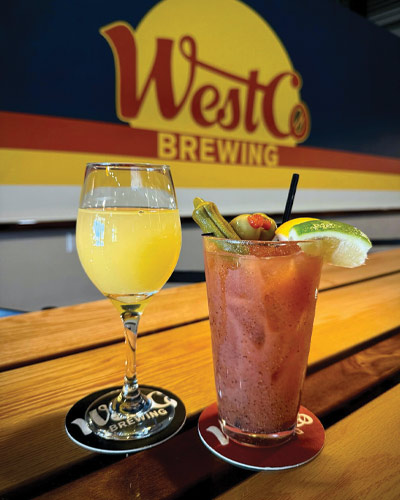
The latest addition to the landscape, WestCo Brewing, highlights the ongoing expansion of the city’s recreational infrastructure. Located near the Amphitheater at Las Colonias Park, WestCo is strategically positioned to benefit from the city’s investment in riverside development. Led by Kinsey and head brewer Danny Wilson, the brewery focuses on flavor-forward, "crushable" styles such as Japanese-style rice lagers and fruited sours. The culinary program at WestCo further differentiates the establishment, offering a fusion of international flavors—including ramen and Japanese chicken curry poutine—alongside local staples like Colorado elk sloppy joes. This sophisticated approach to brewpub dining indicates a maturing market that expects more than standard pub fare.
Supporting Data and Economic Context
The growth of Grand Junction’s beer and tourism sectors is supported by broader economic trends in Colorado. According to data from the Colorado Office of Economic Development and International Trade, the "Western Slope" has seen a steady increase in tourism revenue as travelers look for alternatives to the crowded I-70 corridor. Mesa County, where Grand Junction is located, has benefited from this shift, with the Colorado National Monument seeing hundreds of thousands of visitors annually.
Furthermore, the craft beer industry remains a vital pillar of the state’s identity. Colorado consistently ranks in the top five states for the number of breweries per capita. In Grand Junction, the density of breweries per square mile is lower than in Denver, but the impact per establishment is arguably higher due to their roles as primary social anchors. Establishments like Base Camp Beer Works and Gemini Beer Company contribute to this density by offering niche products—such as pineapple pistachio cream ales or peppermint bark porters—that encourage "beer tourism" specifically aimed at enthusiasts seeking unique tasting experiences.
Chronology of Major Milestones in the Grand Junction Scene
- 1994: The Rockslide Brew Pub opens, marking the start of the craft beer era in Grand Junction.
- 2011: The City of Grand Junction begins major revitalization efforts along the Colorado Riverfront, setting the stage for future hospitality growth.
- 2020: Ramblebine Brewing opens, introducing advanced brewing techniques and Norwegian kveik ales to the local market.
- 2021-2022: Trail Life Brewing and Handlebar Tap House solidify the "bike-and-brew" culture, capitalizing on the post-pandemic surge in outdoor recreation.
- 2023: WestCo Brewing opens at Las Colonias Park, signaling the integration of the beer scene with major civic entertainment venues and riverside development.
Analysis of Broader Implications
The rise of Grand Junction as a premier destination for beer and adventure has several long-term implications for the region. First, it represents a successful model of economic diversification. While the Western Slope has historically been tied to energy extraction and agriculture, the pivot toward "lifestyle tourism" provides a more sustainable economic base that attracts younger professionals and entrepreneurs.
Second, the success of these breweries highlights the importance of the "third place"—a social environment separate from the two usual social environments of home and the workplace. In a city like Grand Junction, where the population is spread out and deeply connected to the land, breweries serve as essential gathering spots that foster community resilience and local identity.
Third, the lack of crowds at the Colorado National Monument compared to other National Park Service sites suggests a potential shift in National Park management and visitor behavior. As flagship parks like Zion or Arches implement reservation systems to manage over-tourism, "underrated" sites like the Monument and the surrounding breweries will likely see a continued influx of visitors seeking a more authentic, less regulated experience.
In conclusion, Grand Junction is no longer merely a waypoint between Denver and Salt Lake City. It has emerged as a destination in its own right, defined by a high-caliber craft beer scene that is inextricably linked to one of the most unique geological landscapes in North America. For the beer enthusiast and the outdoor adventurer alike, the city offers a rare combination of quality, variety, and tranquility. As the industry continues to evolve, the "embarrassment of riches" currently enjoyed by locals is rapidly becoming a matter of national record, placing Grand Junction at the forefront of Colorado’s modern tourism landscape.