admin
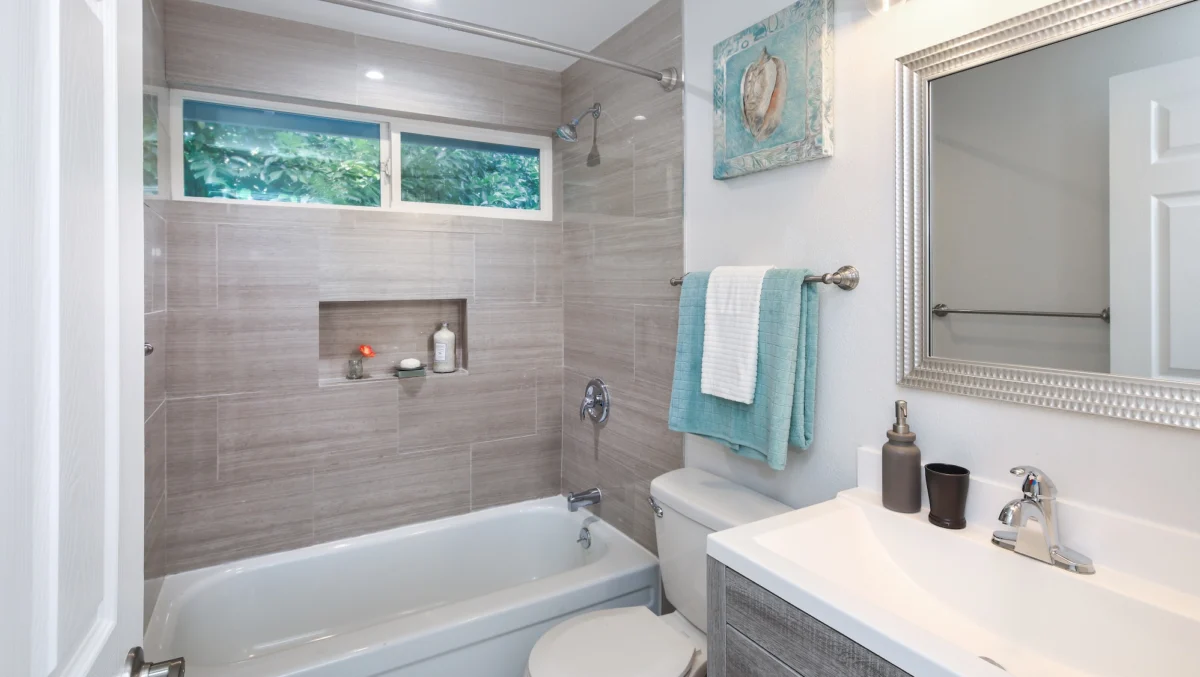
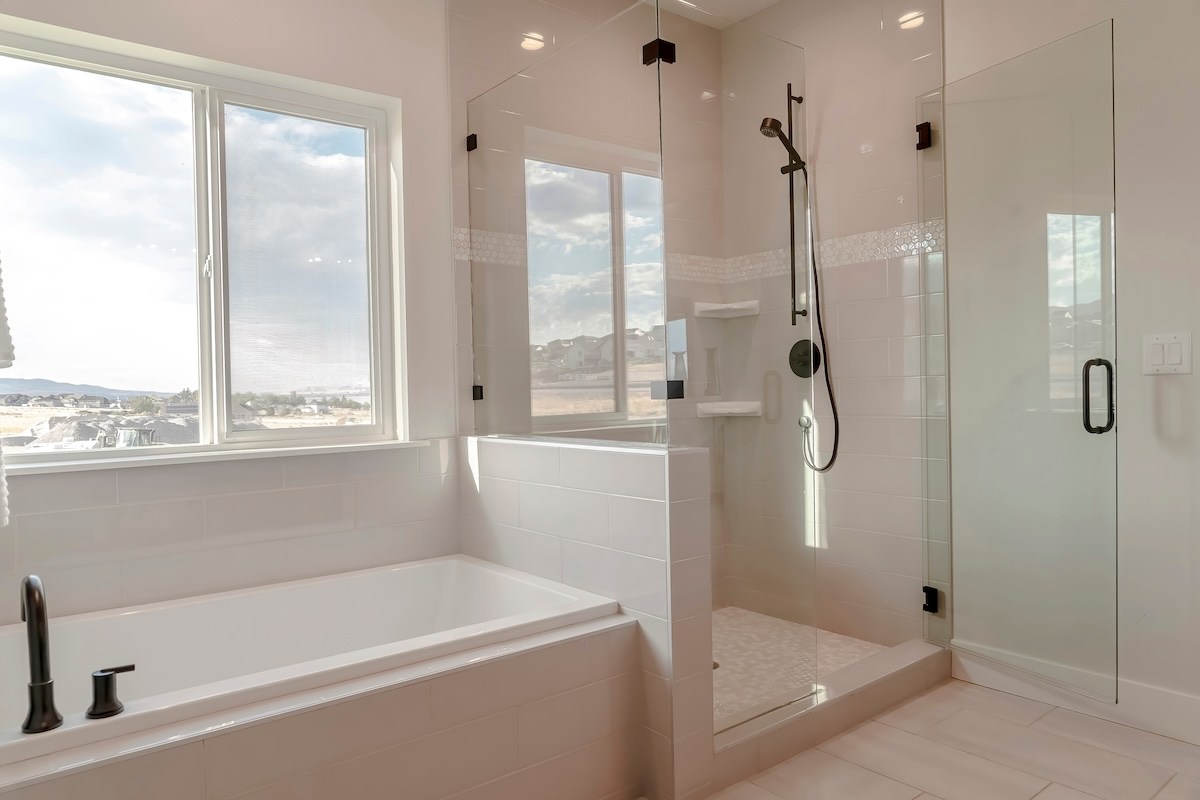
The residential real estate landscape is witnessing a significant transformation in interior design priorities, specifically regarding the utility and presence of the traditional bathtub. For decades, the "full bathroom"—defined by the presence of a tub—was considered an immutable standard for American homes, but shifting demographic needs, environmental concerns, and luxury design trends are prompting homeowners and developers to reconsider the necessity of the basin. As the popularity of expansive, spa-inspired walk-in showers grows, the real estate industry is grappling with a central question: is the bathtub becoming an optional luxury or does it remain a critical component of property value?
The Historical Context: From Necessity to Aesthetic
To understand the current debate, one must examine the chronology of the American bathroom. In the early 20th century, the transition to indoor plumbing prioritized the bathtub as the primary vessel for hygiene. By the post-war housing boom of the 1950s, the bathtub-shower combination became the standardized "workhorse" of the suburban home, designed to maximize space and utility for growing families.
However, by the 1990s and early 2000s, the "garden tub" or large jetted whirlpool became a symbol of luxury in primary suites. These oversized fixtures were often marketed as private retreats, yet industry data eventually revealed a disconnect between marketing and usage. According to various architectural surveys conducted over the last decade, many homeowners reported that while they valued the idea of a soaking tub, the actual frequency of use was remarkably low, often serving more as a "dust collector" than a relaxation tool. This realization paved the way for the current "shower-centric" movement, where square footage previously dedicated to a tub is being reclaimed for larger, more accessible walk-in showers.
The Real Estate Perspective: The "One-Tub" Rule
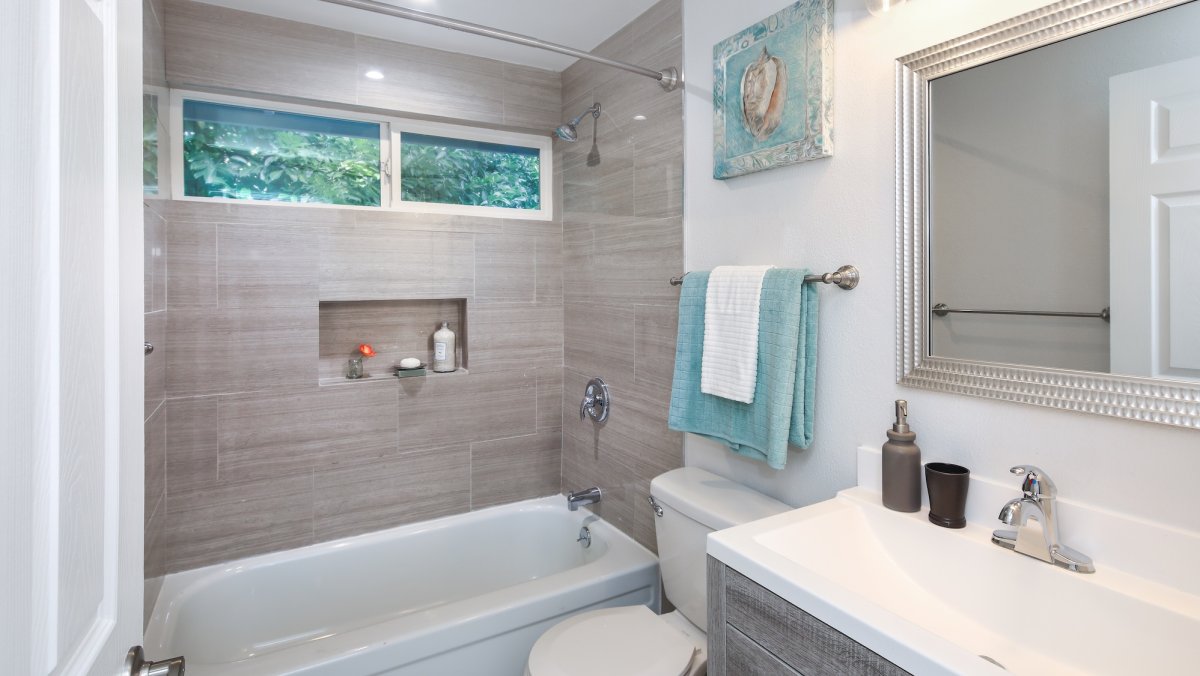
Despite the trend toward luxury showers, the real estate market continues to operate under a set of informal but influential guidelines. Rachel Moussa, a prominent Realtor and founder of Blushwood Realty Group, notes that the traditional "unwritten rule" required at least one bathtub on every floor containing bedrooms. This was particularly true for multi-level family homes where the logistical ease of bathing children was a primary concern for buyers.
"While the hard-and-fast nature of the ‘tub-per-floor’ rule has softened, it has not disappeared entirely," Moussa explains. The current market consensus suggests that while a primary suite can successfully transition to a shower-only format, the total removal of every bathtub in a home can lead to "functional obsolescence." This term refers to a property feature that diminishes in value because it no longer meets the needs or expectations of a significant segment of the buying public. For a home to maintain maximum liquidity and appeal, most experts still recommend retaining at least one bathtub in a secondary or "hallway" bathroom.

Economic and Environmental Data: The Cost of a Soak
The shift toward showers is not merely an aesthetic choice; it is increasingly driven by the economics of utility consumption. Data from the United States Environmental Protection Agency (EPA) and the U.S. Geological Survey (USGS) highlight a stark contrast in water efficiency between the two bathing methods.
The average American shower lasts approximately 8.2 minutes. With a standard 2.5-gallon-per-minute (GPM) showerhead, a single session consumes roughly 20 gallons of water. In contrast, filling a standard bathtub requires between 35 and 50 gallons of water, while larger soaking tubs or whirlpools can require up to 70 or 80 gallons. This discrepancy represents a nearly 250% increase in water usage for a single bath compared to a shower.
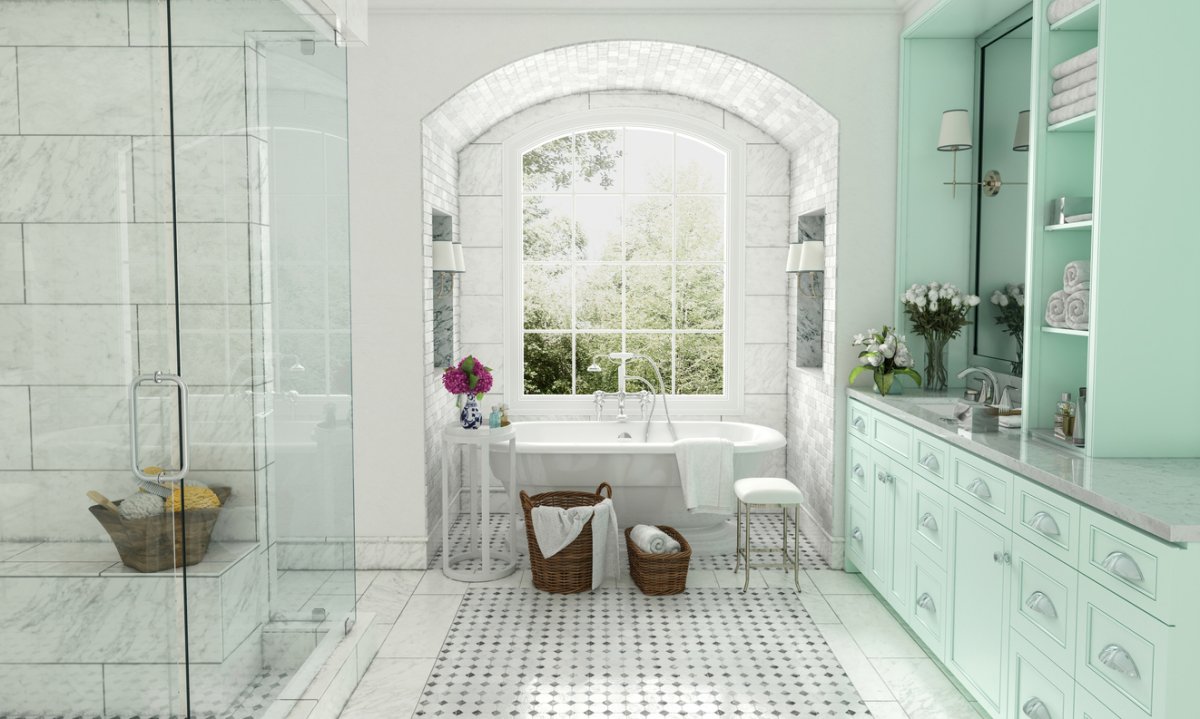
Over a calendar year, the cumulative impact on a household’s utility bill and the local water table is substantial. In drought-prone regions, such as the American Southwest, the move toward high-efficiency shower systems is viewed not just as a design trend but as a necessary step toward sustainable living. Furthermore, the energy required to heat 70 gallons of water for a tub soak adds an additional layer of cost that many modern, budget-conscious homeowners are seeking to eliminate.
Maintenance and Hygiene Concerns: The Hidden Risks of Jetted Tubs
A significant factor contributing to the decline of the jetted bathtub is the difficulty of maintenance. While whirlpool tubs were once the pinnacle of bathroom luxury, they have become notorious for hygiene challenges. The internal plumbing lines of jetted tubs can trap stagnant water, soap scum, and skin cells, creating a breeding ground for biofilm and bacteria.
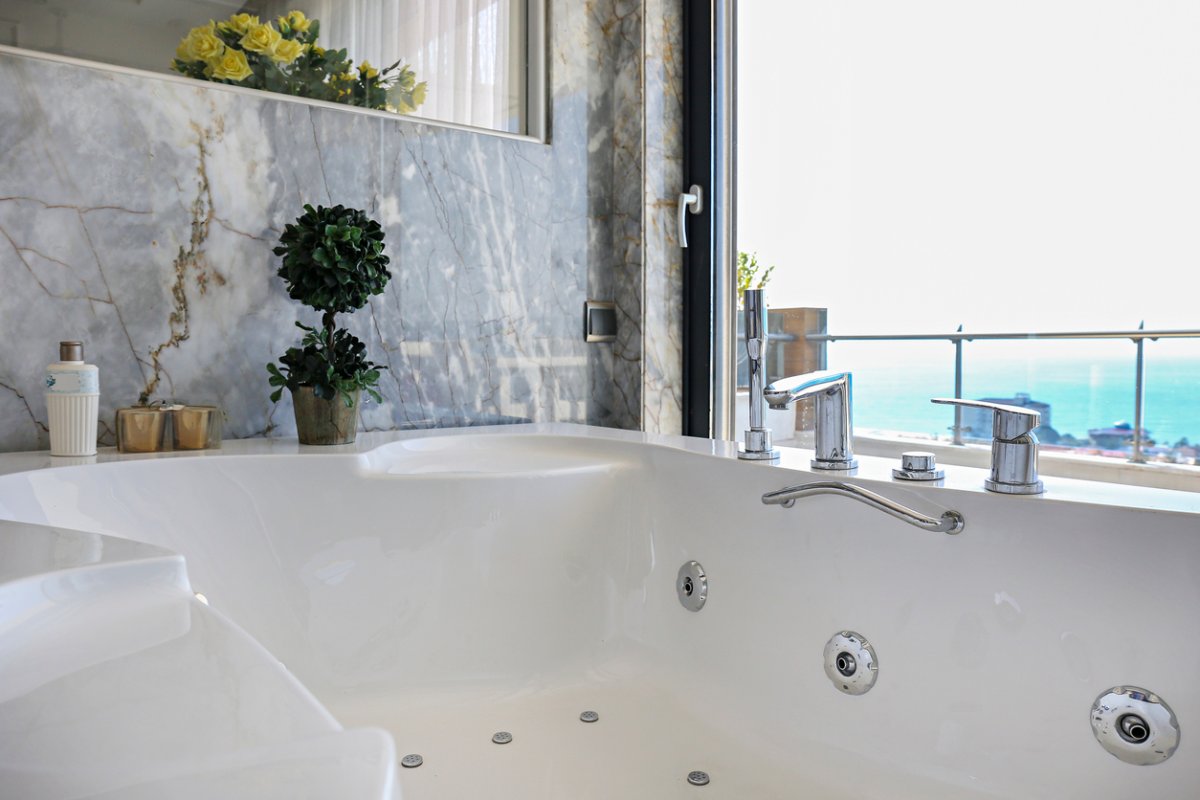
Scientific analysis, including studies led by microbiologists like Dr. Rita Moyes at Texas A&M University, has identified various pathogens in jetted tub samples, including Legionella and Staphylococcus aureus. Unless homeowners are diligent about performing specialized chemical flushes of the internal pipes, the act of turning on the jets can aerosolize bacteria, posing a risk for respiratory issues or skin infections. This maintenance burden has led many homeowners to prefer the "cleaner" profile of a walk-in shower, which features fewer hidden crevices and internal plumbing complexities.
Demographic Shifts: Aging in Place and the "Silver Tsunami"
The "Aging in Place" movement is perhaps the most significant driver of the bathtub’s removal. As the "Baby Boomer" generation enters retirement, there is an increased focus on universal design—creating spaces that are accessible to people of all ages and mobility levels.
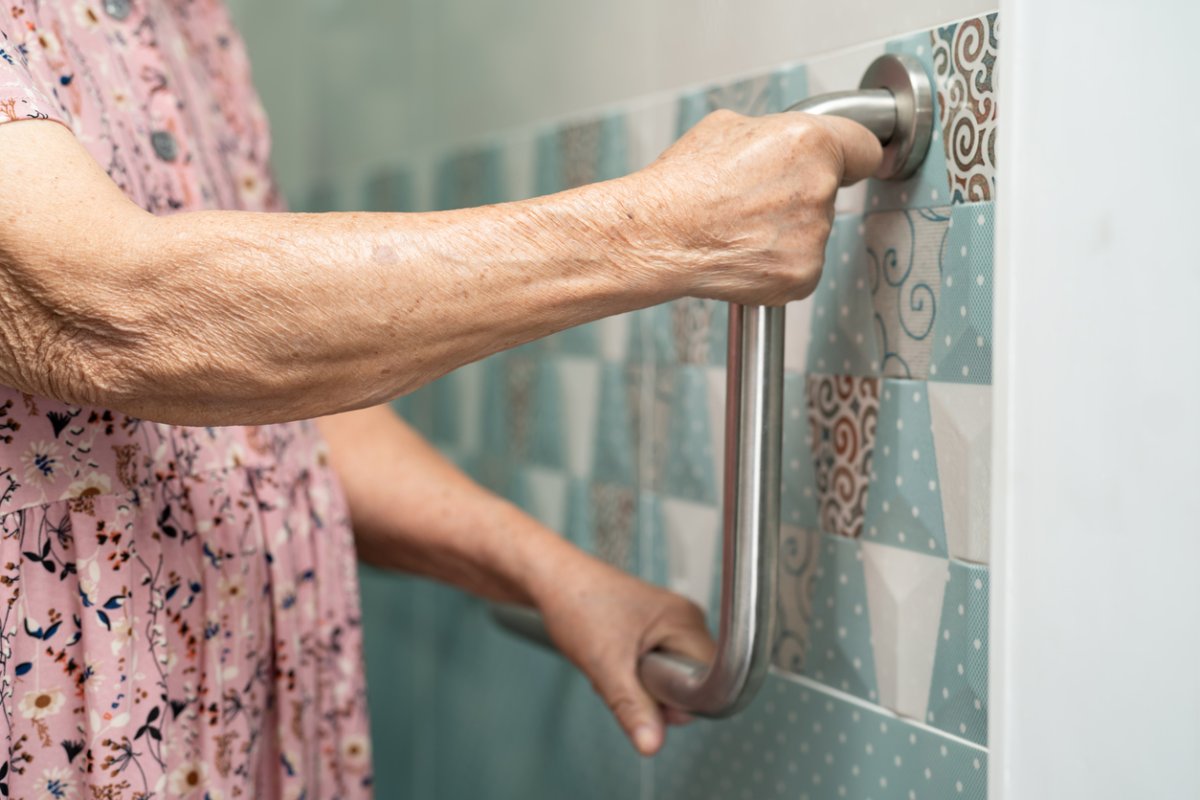
Traditional bathtubs present a significant "trip-and-fall" hazard. Stepping over a 14- to 18-inch tub wall requires a level of balance and strength that can diminish with age. Consequently, walk-in showers with curbless entries (linear drains) have become the gold standard for senior-friendly renovations. These designs allow for wheelchair access and eliminate the physical barrier to entry.
While "walk-in tubs" with sealed side doors exist as a compromise, they are often expensive to install and require the user to sit in the tub while it fills and drains, which can be a cold and time-consuming process. For many, the simplicity and safety of a large shower with a built-in bench and grab bars offer a more practical long-term solution for remaining in their homes as they age.
The Counter-Argument: The Multi-Generational and Pet-Owner Factor
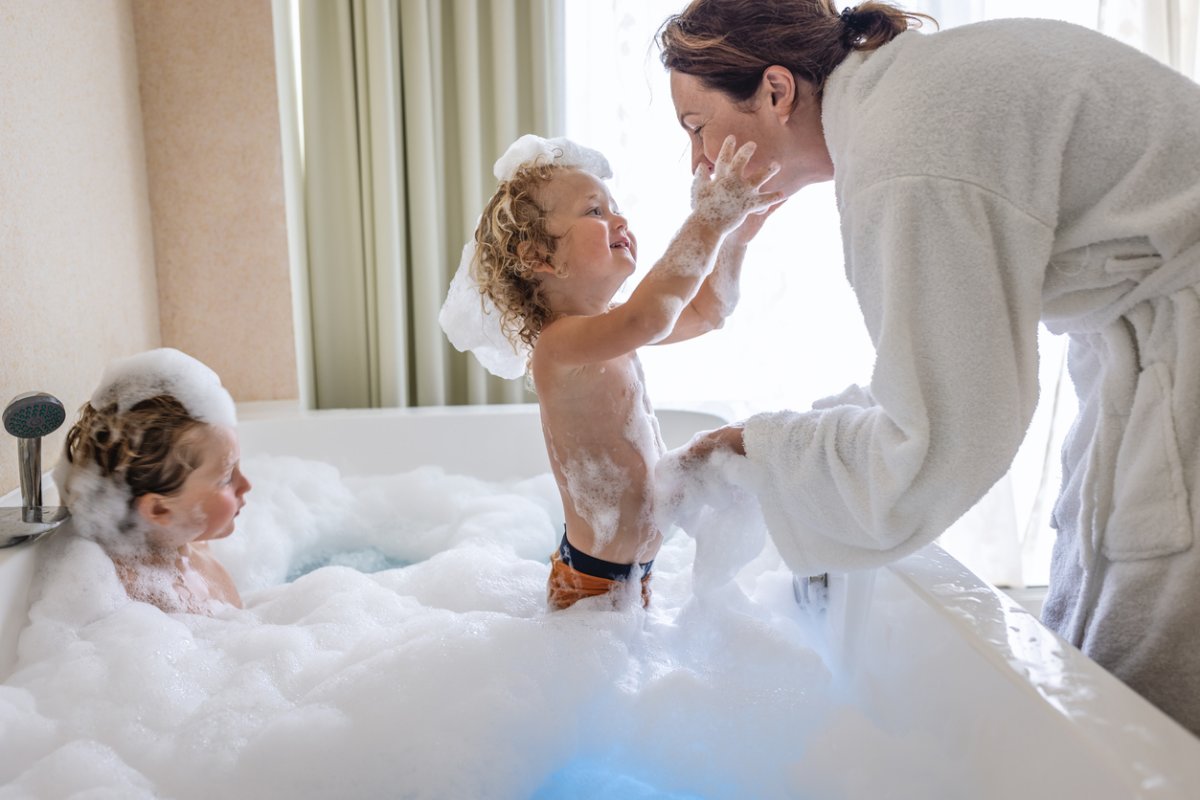
Despite the clear advantages of showers for certain demographics, the bathtub remains an essential tool for others. Young families are the most vocal proponents of the bathtub. Washing an infant or a toddler in a shower is often a two-person job and can be hazardous due to slippery surfaces. A bathtub allows a parent to remain dry while safely managing the child’s hygiene.
Furthermore, the rise of the "pet-humanization" trend has impacted bathroom design. Dog owners frequently utilize bathtubs as the most efficient place to wash their pets, particularly during winter months or in urban environments where outdoor hoses are impractical. For these segments of the population, a home without a bathtub is often viewed as a non-starter, potentially excluding a property from 30% to 40% of the active buyer pool in certain suburban markets.
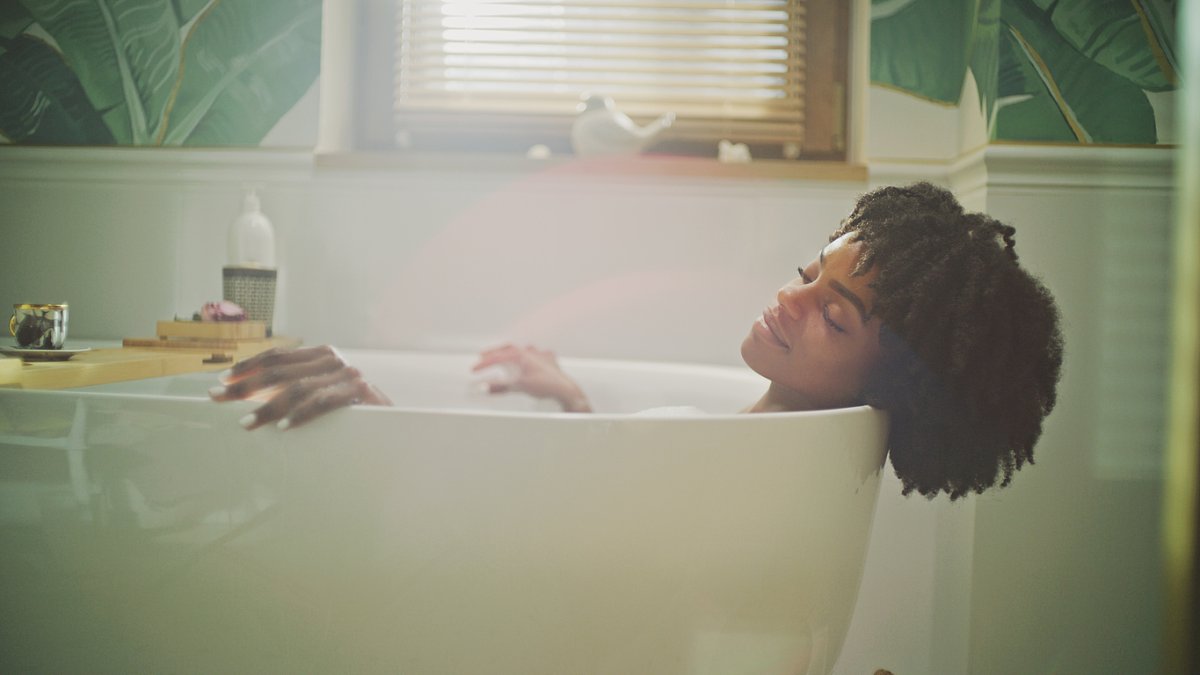
Impact Analysis: Resale Value vs. Personal Comfort
The decision to remove a bathtub ultimately hinges on the homeowner’s intended "holding period" for the property. Real estate analysts suggest that if a homeowner plans to stay in a residence for 10 years or more, they should prioritize personal comfort and utility over potential resale value. In these cases, converting a rarely used tub into a high-end "experience shower" with steam functions, multiple rain heads, and premium tile work can significantly improve the quality of daily life.
However, for those looking to flip a property or move within three to five years, the "one-tub" rule remains a safeguard. A 2023 survey by the National Association of Home Builders (NAHB) found that while "luxury showers" were a top-requested feature, "at least one bathtub" still ranked high on the list of "essential" or "desirable" features for over 70% of first-time homebuyers.
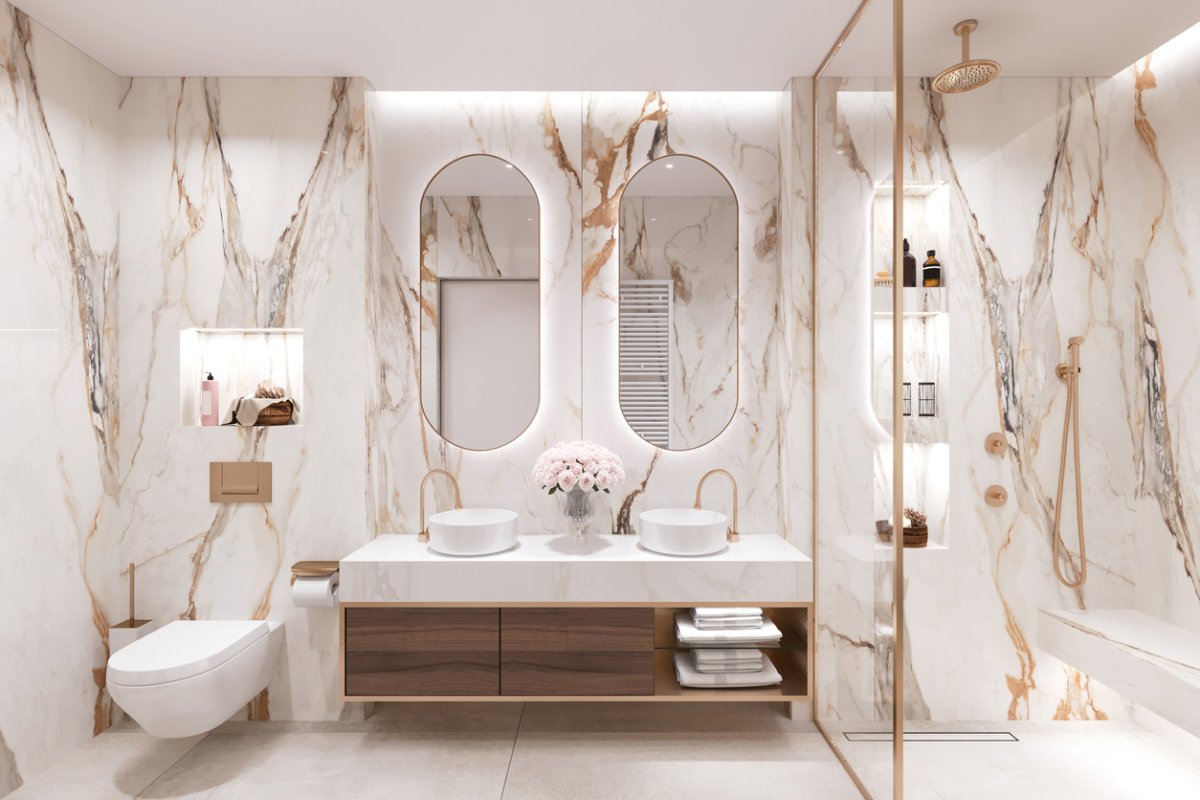
Conclusion: A Balanced Future for Residential Plumbing
The American bathroom is no longer a one-size-fits-all space. The "Evolution of the Tub" reflects a broader shift in how we view our homes: moving away from rigid, standardized layouts and toward personalized environments that reflect our values regarding health, efficiency, and safety.
While the bathtub may be losing its status as a mandatory fixture in every bathroom, it is unlikely to disappear entirely. Instead, it is being repositioned as a specialized feature—a "soaking sanctuary" for those who truly value the ritual of the bath, or a practical necessity in a designated family bathroom. For the modern homeowner, the key to a successful renovation lies in balancing these functional requirements with the undeniable allure of the modern, efficient, and accessible luxury shower. As the real estate market continues to adapt, the value of a home will be measured not just by the count of its tubs, but by how well its facilities serve the diverse and changing needs of its inhabitants.