admin
admin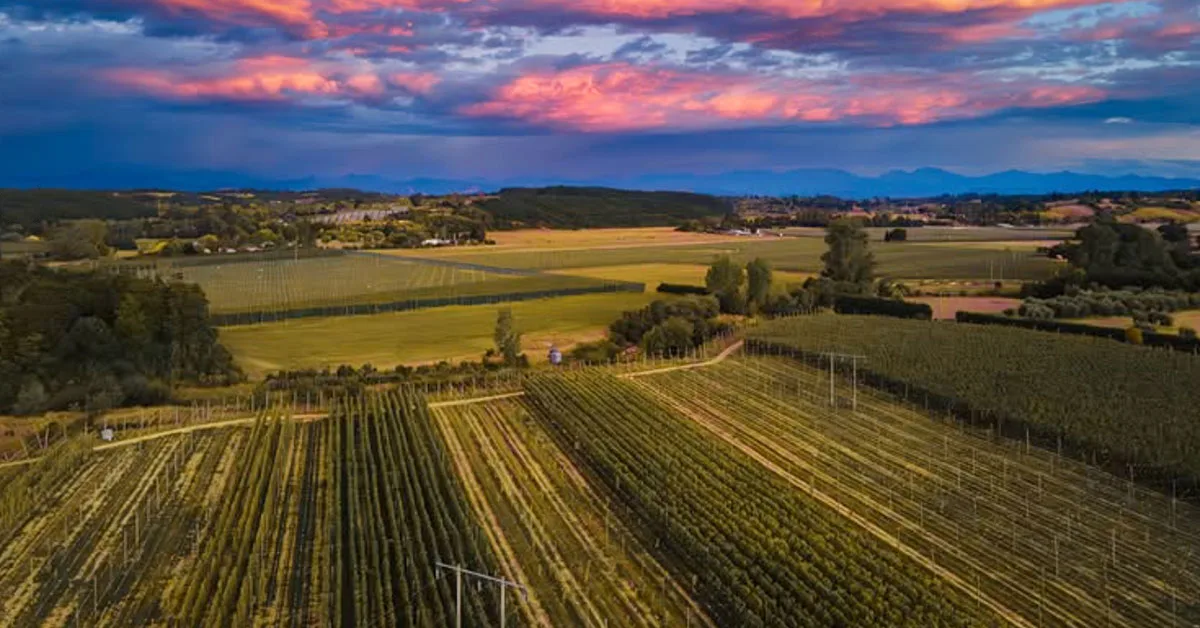
The concept of terroir, a term long synonymous with the French wine industry’s appellation d’origine contrôlée, has historically been absent from the lexicon of the modern craft beer movement. In the dimly lit bars where "hop heads" and malt aficionados congregate, the conversation usually centers on IBU counts, yeast strains, and alcohol by volume. However, the linguistic and philosophical tide is shifting. Terroir, which translates directly to "taste of place," is rooted in the principle of agricultural singularity. It suggests that the specific environment—the soil, climate, topography, and water—imparts a unique character to an agricultural product that cannot be replicated elsewhere. While winemaking has built its entire identity around this technical appreciation of farming, craft beer is finally asserting its own claim to the land.
The backbone of beer—malt, yeast, water, and hops—is an ensemble of agricultural components that deliver the flavors and aromas of their source to the final glass. Among these, hops are arguably the most terroir-driven. A Citra hop grown in the Yakima Valley of Washington state evokes the lush, volcanic soil of the Pacific Northwest, while a Saaz hop from the Czech Republic carries the earthy, spicy legacy of the Bohemian greenscapes. Yet, in the current landscape of global brewing, no region has captured the imagination of brewers and consumers quite like New Zealand. The island nation has moved from a niche producer to a dominant force, offering a catalog of high-intensity hops that provide a sensory experience distinct from any other growing region on Earth.
The Historical Ascent of New Zealand Hops
The emergence of New Zealand as a powerhouse in the hop industry did not happen overnight. The country’s hop-growing history dates back to the mid-19th century, brought by German and English settlers to the Nelson region on the South Island. However, for much of the 20th century, these hops were used primarily for domestic consumption or as bittering agents in unremarkable lagers. The paradigm shift occurred in the early 2000s, catalyzed by the release of the Nelson Sauvin hop variety.
Named after the Nelson region and its striking similarity to the Sauvignon Blanc grapes grown in the nearby Marlborough district, Nelson Sauvin introduced a "cool-climate wine character" to beer. It was famously showcased in the United States by Alpine Beer Co.’s Nelson Rye IPA, a beer that many industry experts cite as the catalyst for the New Zealand hop craze in the American market. The hop’s pungent, grassy, and crushed-gooseberry aromatics offered a radical departure from the citrus-and-pine profile of traditional American "C-hops" like Cascade and Centennial.
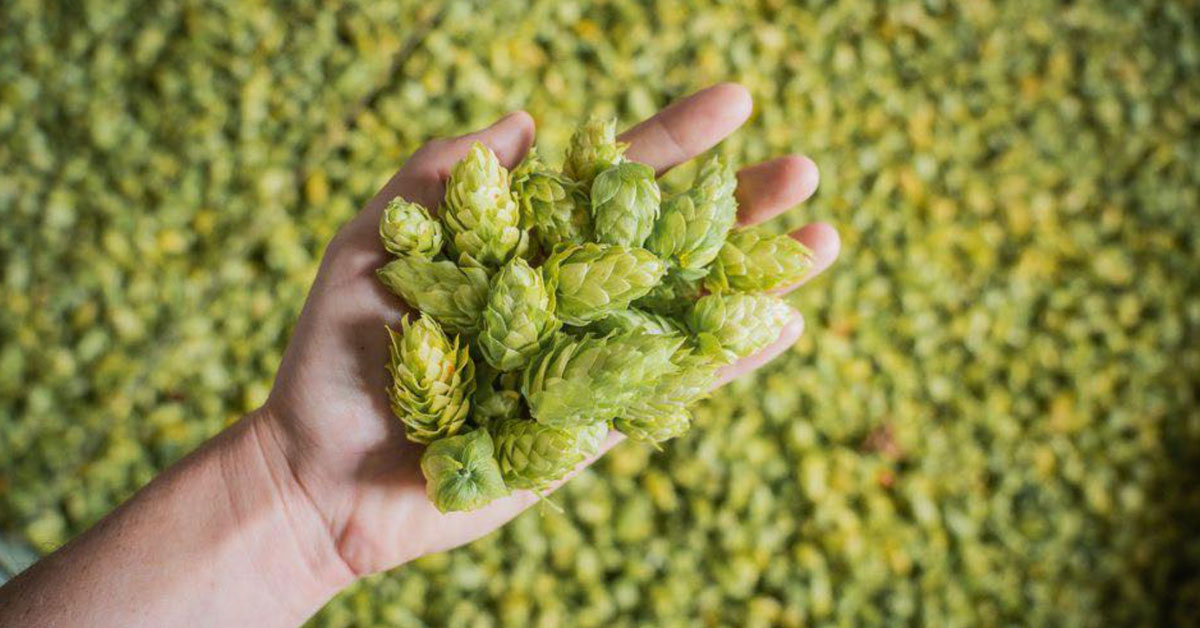
Following the success of Nelson Sauvin, the New Zealand hop industry, led by the New Zealand Hop Ltd. cooperative and independent growers, began a rigorous breeding program. This resulted in a suite of cultivars that are now highly sought after by world-class breweries. Motueka, named after a town north of Nelson, shares the white grape character but adds notes of candied lime and tropical fruit. Newer cultivars like Nectaron, Peacharine, and Superdelic have further expanded the palette, offering intense stone fruit and candy-like sweetness that have become essential for the modern Hazy IPA.
Agricultural Singularity and the Moutere Valley
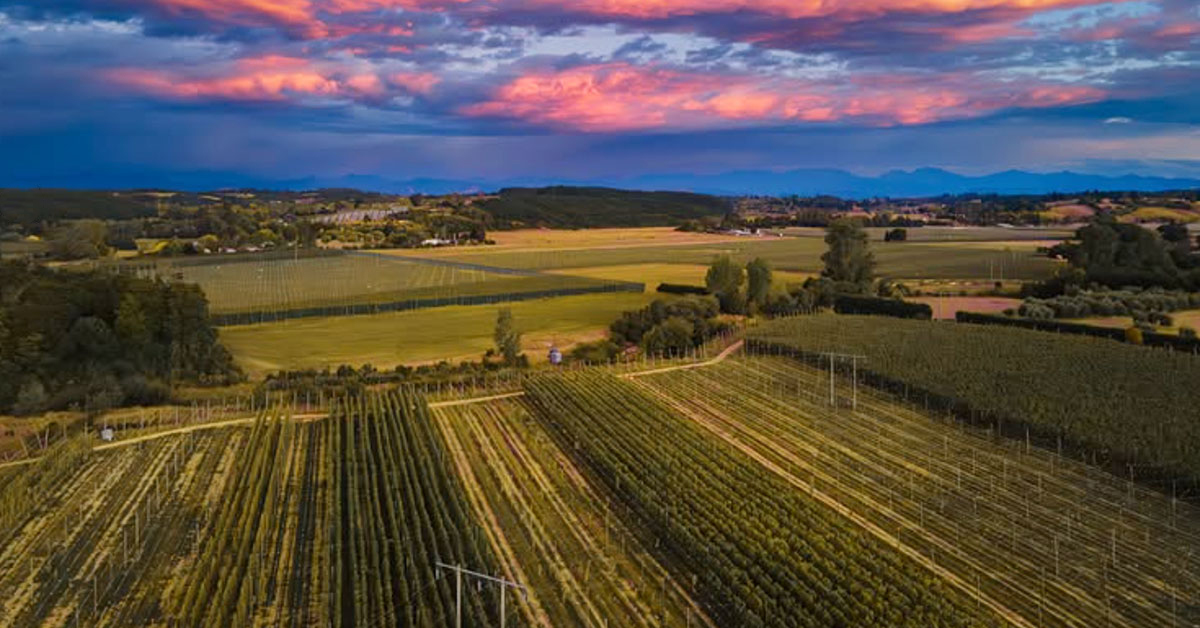
At the heart of this "taste of place" is the Moutere Valley, located at the 41st parallel south. This geographic location provides a unique set of environmental conditions: high sunshine hours, a maritime climate, and protection from the harsh winds of the Tasman Sea. The soil, often referred to as "Moutere Clay," is rich and well-draining, providing the perfect medium for the deep-rooted Humulus lupulus plants.
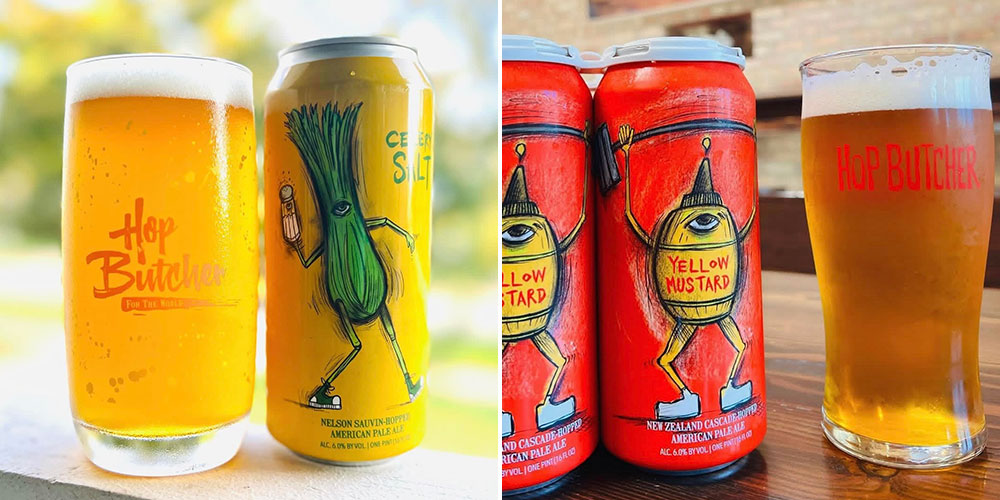
Jude La Rose, owner of Hop Butcher for the World, a Chicago-based brewery renowned for its hop-forward beers, notes that New Zealand hops deliver an intensity that rivals American varieties but with a sophisticated, wine-like nuance. "They deliver on citrus, they deliver on tropical, and then they get into this cool-climate wine character," La Rose explains. "There’s something terroir-driven that I’ll be able to pick out." This distinction is not merely anecdotal; it is a result of the unique chemical compositions—specifically the levels of thiols and essential oils—that the New Zealand environment encourages within the hop cone.
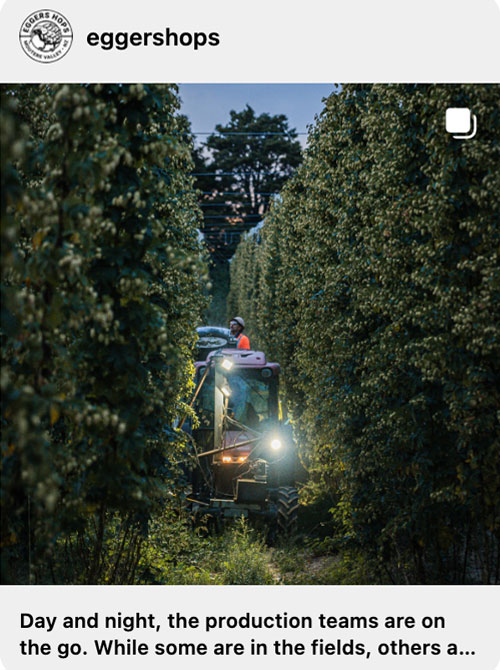
The focus on terroir has also led to a resurgence of interest in independent, multi-generational farming. Eggers Hops, run by sixth-generation grower Kem Eggers, represents the pinnacle of this movement. Located in the upper Moutere Valley, Eggers has moved away from the industry standard of blending hops from various fields to create a homogenous product. Instead, the farm focuses on lot segregation, treating hop harvests with the same specificity that a vintner treats a single-vineyard vintage.
The Science of the Harvest Window
One of the most significant innovations in the New Zealand hop scene is the manipulation of the harvest window. Traditionally, hops are harvested when they reach a standardized moisture level and oil content. However, growers like Kem Eggers are experimenting with "early" and "late" selections, which can produce radically different aromatic profiles from the exact same plant.
"It comes down to the harvest window and what can be done between early selection vs. late selection," Eggers says. By segregating lots by harvest date and specific farm blocks, Eggers provides brewers with an unprecedented level of specificity. The most notable example is "Eggers Special," a selection of Riwaka hops harvested at a precise timeframe to capture the peak of its dank, pink-grapefruit intensity.
This level of precision has a direct impact on the brewing process. Adam Rosenthal, owner and brewer of New York’s Wayward Lane Brewing, describes receiving Riwaka pellets that were so late-harvested they had turned yellow from over-ripeness. "When you smell these, you think, ‘Holy shit. Intensity on a whole other level,’" Rosenthal says. This intensity allows brewers to achieve "hop saturation"—the point where the beer is packed with aroma and flavor without the harsh, vegetal bitterness that often accompanies excessive hopping.
Biosecurity and Sustainable Methodology
Beyond the soil and the harvest window, New Zealand’s geographic isolation serves as a critical component of its terroir. As an island nation with strict biosecurity laws, New Zealand is free from many of the pests and diseases that plague hop yards in Europe and the United States, such as downy mildew and certain species of aphids. This lack of disease pressure allows New Zealand to be a global leader in organic and low-intervention hop farming.
The methodology employed in these hop yards often looks like a throwback to pre-industrial agriculture. It is common to see flocks of sheep grazing between the hop bines. These sheep serve a dual purpose: they naturally defoliate the base of the bines, preventing the upward spread of any potential soil-borne pathogens, and they graze on cover crops, which assists in nutrient cycling and soil structure maintenance. This biological control extends to pest management; the two-spotted mite, a common hop pest, is controlled by the introduction of a predatory mite, reducing the need for chemical pesticides.
Furthermore, the processing of these hops has become increasingly sustainable. Many farms now utilize low-emission hot water radiators for kilning, a process that preserves the delicate essential oils of the hops while ensuring shelf stability. This commitment to "clean" farming resonates with a consumer base that is increasingly concerned with the provenance and environmental footprint of their beverages.
Technological Advancements: From Pellets to Extracts
While the agricultural roots of New Zealand hops are steeped in tradition, the industry is also at the forefront of brewing technology. The demand for New Zealand’s unique flavor profiles has spurred the development of advanced hop products. Brewers are no longer limited to the standard T-90 pellet (which contains the whole hop cone compressed). They now have access to concentrated lupulin isolates.
Products such as Cryo Hops®, Hyperboost, and SubZero Hop Kief have revolutionized how brewers approach the India Pale Ale. These products are created by cryogenically freezing hop cones and isolating the lupulin—the yellow glands that contain the alpha acids and essential oils—while removing the vegetal bract. This allows for massive flavor impact with minimal liquid loss during the brewing process.
New Zealand-based Freestyle Hops has been a pioneer in providing lot-specific extracts, allowing brewers to maintain the integrity of the terroir even in a concentrated form. "They are one of the only producers that actually gives you lot-specific extracts," Rosenthal notes, highlighting the industry’s shift toward transparency and origin-focused brewing.
Market Implications and the Future of the Industry
The rise of New Zealand hops has significant economic implications for the global craft beer market. While New Zealand produces only about 1% of the world’s total hop volume, its influence is disproportionately large due to the high value of its proprietary cultivars. As consumer preference continues to lean toward aromatic, low-bitterness beers like the Hazy IPA, the demand for NZ hops is expected to remain high.
However, challenges remain. The distance between New Zealand and the primary markets in the United States and Europe presents logistical hurdles and a higher carbon footprint for transportation. Additionally, the premium price of these hops—often two to three times the cost of standard American varieties—means they are typically reserved for "prestige" releases rather than core flagship beers.
Despite these hurdles, the consensus among industry leaders is that we have only scratched the surface of what New Zealand terroir can offer. Kem Eggers believes that the majority of U.S. brewers have yet to fully experience the variety of variants within cultivars like Nelson and Motueka. "Our challenge is to get more NZ hops in the U.S. craft beer scene and educate brewers and consumers," Eggers says.
As the industry moves forward, the "taste of place" will likely become a primary driver of innovation. The collaboration between sixth-generation farmers in the Moutere Valley and modern craft brewers in cities like Chicago and Brooklyn is creating a bridge across the globe. Through the careful application of New Zealand hops, brewers are not just making beer; they are offering a sensory portal to a specific plot of land on the other side of the world, proving that terroir is no longer the exclusive domain of the wine cellar.