admin
admin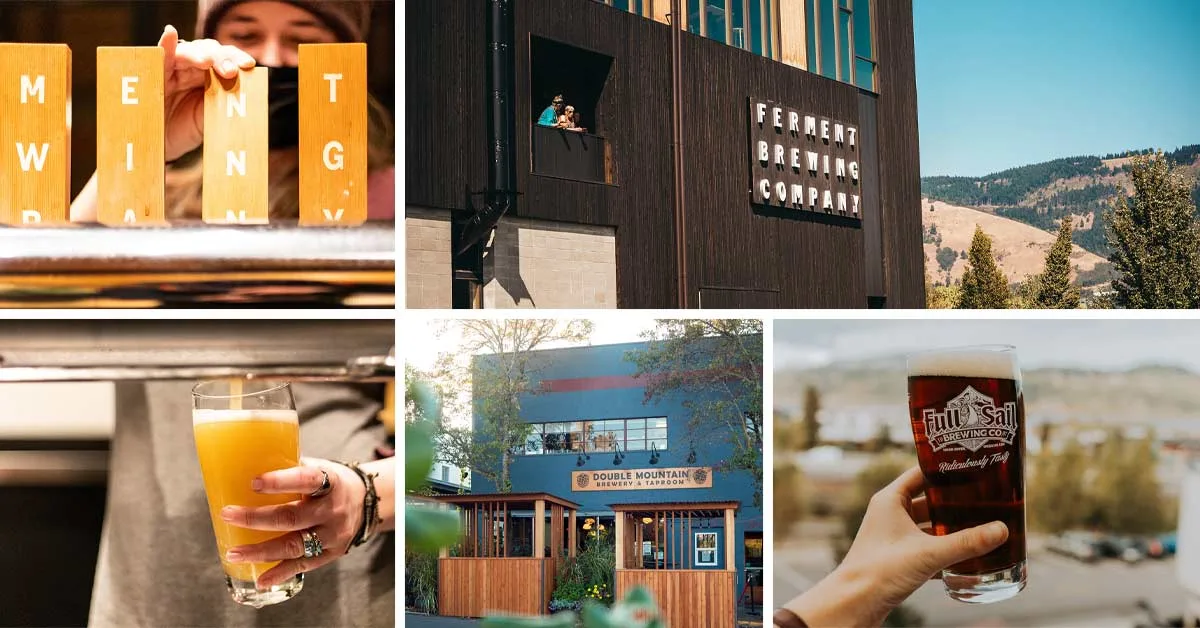
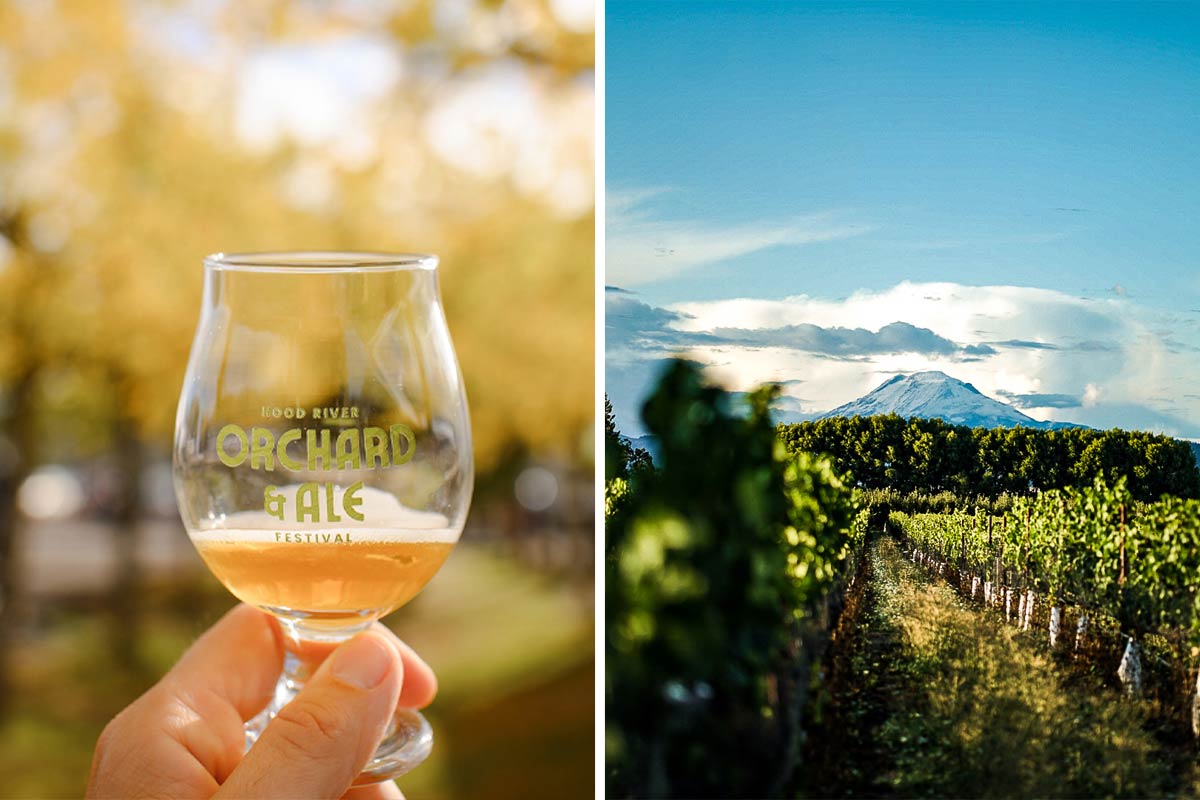
The inaugural Hood River Orchard and Ale Festival recently concluded on the banks of the Columbia River, signaling a significant expansion of the region’s agritourism sector and reinforcing Hood River’s reputation as a global epicenter for craft brewing. Held at the scenic waterfront of the Columbia River Gorge, the event brought together local agricultural producers and the city’s dense concentration of world-class breweries. Despite the characteristic high winds of the Gorge, which challenged event logistics but provided a dramatic backdrop of windsurfers and kiteboarders, the festival successfully highlighted the unique intersection of geography, geology, and zymurgy that defines the Pacific Northwest.
The festival serves as a formal recognition of Hood River’s unique economic landscape. With a population of just over 8,000 residents, the town boasts one of the highest concentrations of craft breweries per capita in the United States. This density is not merely a result of consumer demand but is deeply rooted in the environmental advantages of the Hood River watershed.
The Geological Foundation of Hood River Brewing
The quality of the beer showcased at the festival is inextricably linked to the region’s volcanic history. Unlike many metropolitan breweries that rely on municipal treated water, Hood River brewers draw from a watershed fed by snowmelt from the 14,000-foot Cascade Mountains. This water undergoes a natural filtration process through layers of volcanic basalt rock.
Geological analysis indicates that this process results in a "soft" water profile, characterized by a low mineral content that provides a clean, neutral canvas for brewers. This specific water chemistry is particularly conducive to brewing bright lagers and crisp pilsners, styles that have become hallmarks of the region. Furthermore, the proximity to the Willamette Valley—one of the world’s premier hop-growing regions—allows Hood River brewers to source fresh hops with minimal transit time, preserving the volatile oils and aromatic compounds essential for modern West Coast and Hazy IPAs.
A Chronological Evolution of the Hood River Scene
The festival also served as a retrospective of the town’s brewing evolution, which spans nearly four decades. The timeline of Hood River’s ascent can be categorized into three distinct eras of growth:
The Pioneers (1987–2000s)
The foundation of the local industry was laid in 1987 with the establishment of Full Sail Brewing Co. As one of the early "OG" craft brewers in Oregon, Full Sail utilized the town’s defunct cannery buildings, repurposing industrial space for fermentation. Their flagship Amber Ale became a staple of the Pacific Northwest craft movement. In 2007, Double Mountain Brewery joined the downtown landscape, introducing a focus on unfiltered beers and long-maturation ales, further diversifying the local palate.
The Regional Powerhouses (2010–2020)
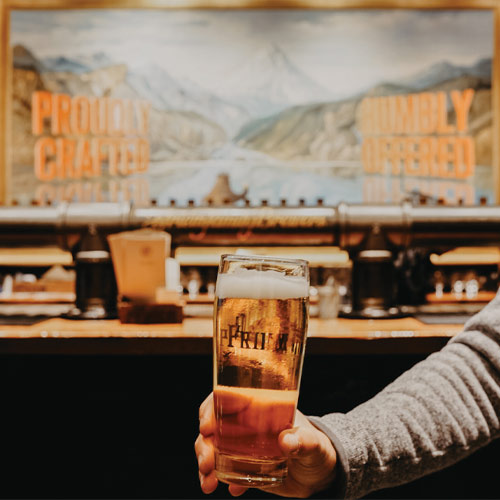
The second wave of growth was defined by the arrival of pFriem Family Brewers in 2012. Located on the waterfront, pFriem combined European brewing traditions—specifically Belgian and German styles—with Pacific Northwest ingredients. Their success catalyzed the development of the Hood River waterfront as a destination for beer enthusiasts. This era also saw the 2018 opening of Ferment Brewing Company, which integrated farmhouse techniques and a focus on local "terroir," using native yeasts and local fruits to create complex sour ales.
The Modern Expansion (2023–Present)
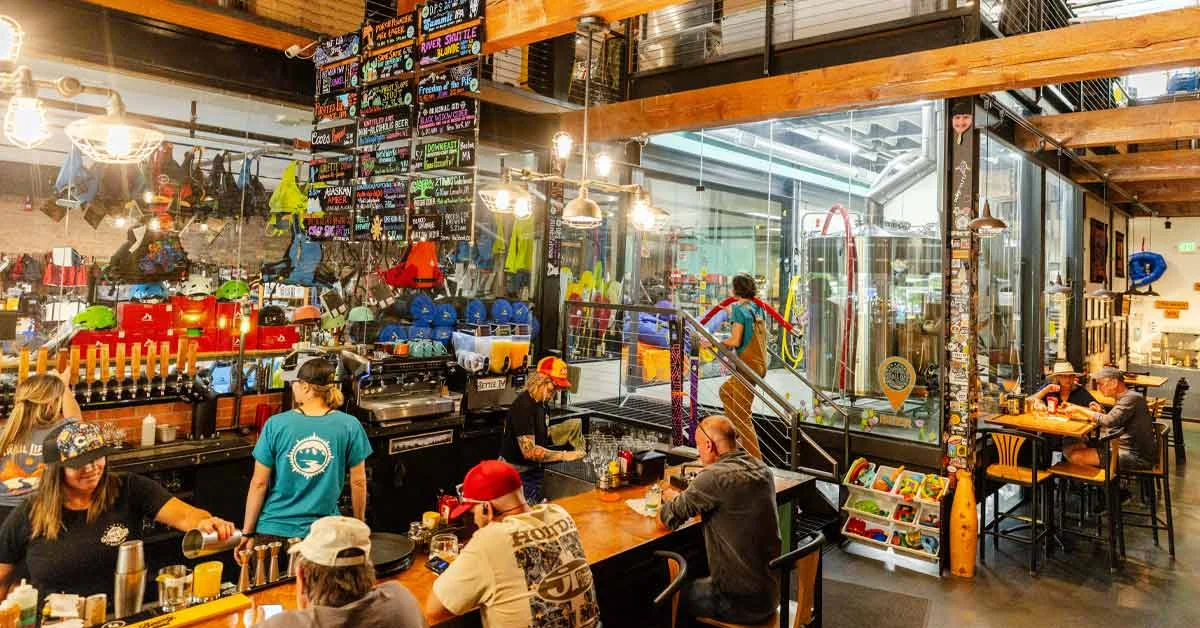
The most recent era is characterized by hyper-local specialized taprooms and experimental ventures. Hood River Brewing Company opened its doors in 2023, focusing on approachable, eclectic styles such as Mexican Ambers. In 2025, the scene expanded further with the launch of Kings & Daughters Brewery’s "The Walled Garden," a public house that emphasizes the social and community aspects of the pub experience. Simultaneously, Working Hands Fermentation has gained acclaim for its focus on bottom-fermented lagers and traditional German styles like Schwarzbier.
Economic Impact and Industry Data
The Oregon craft beer industry is a vital component of the state’s economy, contributing billions of dollars in annual economic impact. According to data from the Oregon Brewers Guild, the state’s brewing industry supports over 50,000 jobs. In Hood River specifically, the brewing sector acts as a primary driver for the hospitality and tourism industries.
The Hood River Orchard and Ale Festival represents a strategic effort to synchronize the brewing industry with the region’s older agricultural roots. The Hood River Valley is world-renowned for its "Fruit Loop," a 35-mile scenic drive featuring orchards that produce apples, pears, and cherries. By branding the festival as an "Orchard and Ale" event, organizers are leveraging the synergy between the two sectors. This "agri-ale" model encourages visitors to engage with both the raw agricultural products and the finished fermented beverages, increasing the average length of stay for tourists in the region.
Logistics and Environmental Challenges
The inaugural event was not without its environmental challenges, specifically the notorious winds of the Columbia River Gorge. The Gorge acts as a natural wind tunnel, created by the pressure gradient between the Pacific coast and the arid eastern deserts. On the day of the festival, steady early-October gusts were reported to be strong enough to displace plastic tasting equipment and outdoor fixtures.
These conditions led to an interesting consumer trend during the event: a high demand for weighted, high-quality glassware. Attendees opted for heavier tulip-style glasses not only for the sensory benefits of proper head retention and aroma concentration but as a practical measure against the wind. This highlight’s a broader trend in craft beer festivals toward "premiumization," where consumers are willing to pay an additional fee for a more durable and authentic tasting experience.
Analysis of the "Local Terroir" in Brewing
One of the key takeaways from the festival was the industry’s shift toward capturing "terroir"—a term traditionally reserved for wine. Ferment Brewing Company’s "Lost in Fragaria," a sour ale brewed with Oregon strawberries, was cited by attendees as a prime example of this movement. By utilizing local fruit and wild fermentation processes, brewers are creating products that cannot be replicated in other geographic regions.
Similarly, the use of "Fresh Hops" was a major theme. Because the Willamette Valley is less than two hours away, Hood River breweries can utilize hops that were harvested only hours before being added to the kettle. This "vine-to-glass" pipeline is a competitive advantage that few other global brewing hubs can claim. The Double Mountain "Iowa Bar Fight IPA," featuring Strata hops, exemplifies the bright, resinous profiles that result from this immediate proximity to the source.
Broader Implications for the Pacific Northwest
The success of the Hood River Orchard and Ale Festival has implications that extend beyond the city limits. It serves as a blueprint for other rural communities in the Pacific Northwest looking to diversify their economies through specialized tourism. The integration of high-end culinary offerings—such as the smash burgers at Working Hands Fermentation or the artisanal pizzas at Double Mountain—indicates that the modern beer traveler is looking for a comprehensive gastronomic experience.
Furthermore, the emergence of newer establishments like Kings & Daughters suggests that the market in Hood River has not yet reached a saturation point, despite the high density of breweries. Instead, each new entry appears to carve out a specific niche, whether through architectural design, specialized fermentation techniques, or a focus on specific cultural traditions.
Future Outlook
As the Hood River Orchard and Ale Festival moves toward becoming an annual tradition, its impact on the local economy is expected to grow. Industry analysts suggest that the next phase of growth for the region will involve increased sustainability efforts, focusing on water conservation and the reduction of carbon footprints in the brewing process. Given the region’s reliance on the Hood River watershed, protecting the environmental integrity of the Cascade Mountains remains a top priority for local stakeholders.
The transition from a summer-centric tourism model to one that includes autumn events like the Orchard and Ale Festival also helps stabilize the local economy, providing year-round support for hospitality workers and small business owners. With the continued success of established giants like pFriem and Full Sail, alongside the innovative spirit of newcomers like Working Hands, Hood River is well-positioned to remain at the forefront of the global craft beer conversation for the foreseeable future.