admin
admin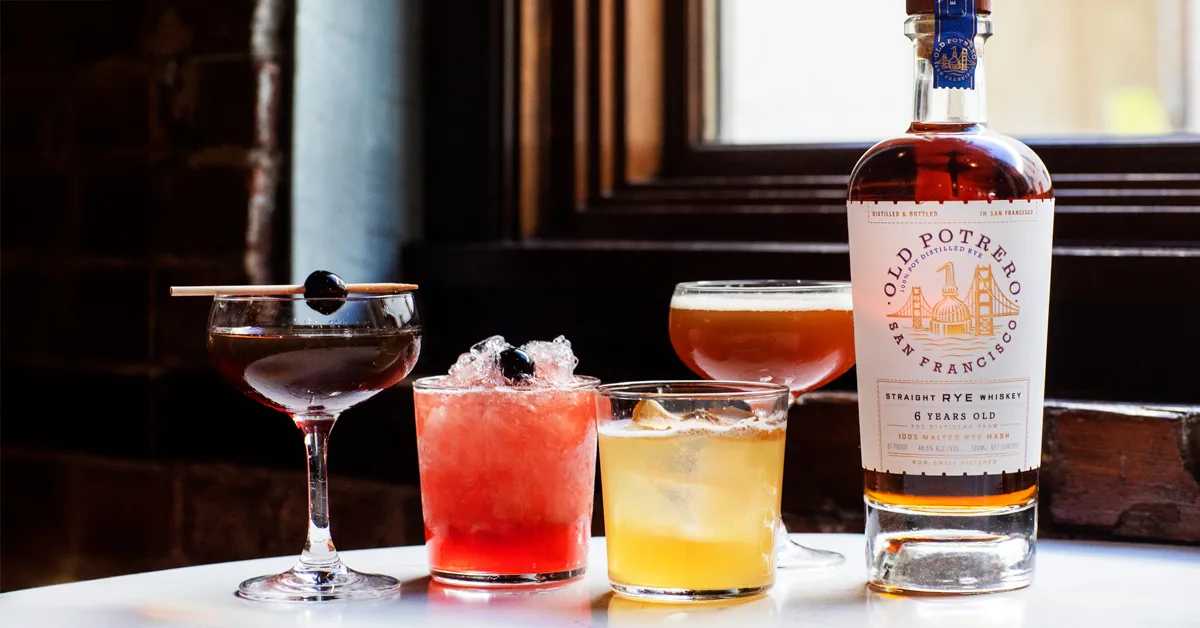
The landscape of the American craft beer industry, once defined by predawn queues of "beer geeks" seeking limited-edition canned "freshies," is undergoing a fundamental transformation. For over a decade, the industry was propelled by the "hype" culture surrounding hazy IPAs and experimental stouts. However, recent data suggests that this era of unbridled growth has reached a saturation point, forced into a correction by shifting consumer demographics, the lingering economic aftereffects of the pandemic, and a diversification of the "sober-curious" and alternative-beverage markets. In 2024, the industry faced a sobering reality: 399 breweries shuttered their doors across the United States, and overall production volume dipped by 2%, according to the Brewers Association’s annual "Year in Beer" report.
As traditional beer consumption wanes, particularly among Gen Z consumers who increasingly favor non-alcoholic options, THC-infused beverages, and ready-to-drink (RTD) cocktails, long-established craft breweries are seeking new avenues for growth. For many, the strategic answer lies not in a new hop variety, but in the copper stills of a distillery. This pivot toward spirits represents more than a trend; it is a structural evolution of the craft beverage business model, allowing breweries to leverage their existing expertise in fermentation to capture a broader share of the total beverage market.
The Technical Synergy Between Brewing and Distilling
The transition from brewing to distilling is, from a technical standpoint, a logical progression. JC Tetreault, co-founder of Boston’s Trillium Brewing, noted that the realization came early in his company’s history. Trillium, which opened in 2013 in the Fort Point neighborhood, was a cornerstone of the New England IPA movement. Yet, Tetreault observed that the brewery was already performing approximately 90% of the work required for whiskey production.
The foundational element of whiskey is the "mash," which is essentially an unhopped beer. Brewers are masters of grain handling, enzymatic conversion of starches to sugars, and fermentation—the exact three steps required to create a "distiller’s beer." By taking this fermented liquid and passing it through a still to concentrate the alcohol, and subsequently aging it in oak barrels, a brewery can transform its core competency into a high-value spirit.
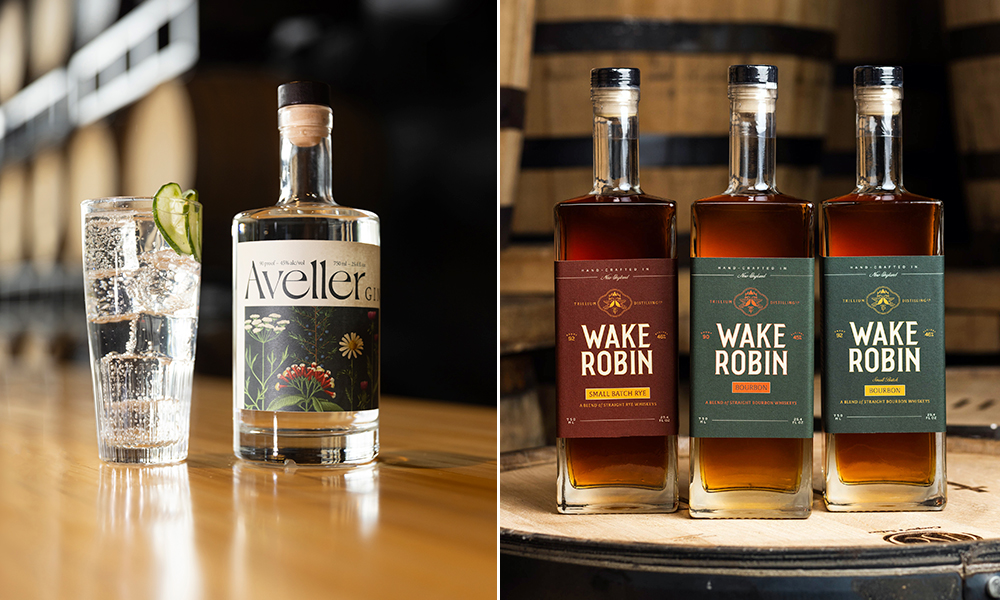
However, the transition is not merely a matter of adding a still to a brew deck. Tetreault emphasizes that while the foundations are similar, the disciplines diverge significantly. Whiskey mashes often utilize a higher percentage of unmalted grains compared to beer, and the absence of hops in the boiling process changes the chemistry of the liquid. Furthermore, the regulatory and logistical hurdles are substantial. In many states, including Massachusetts, breweries must maintain entirely separate distilling spaces and distinct licenses. For Trillium, this meant moving beyond their identity as an "IPA maker" to develop a comprehensive spirits portfolio that now includes gin, vodka, rum, amaro, vermouth, and orange liqueur.
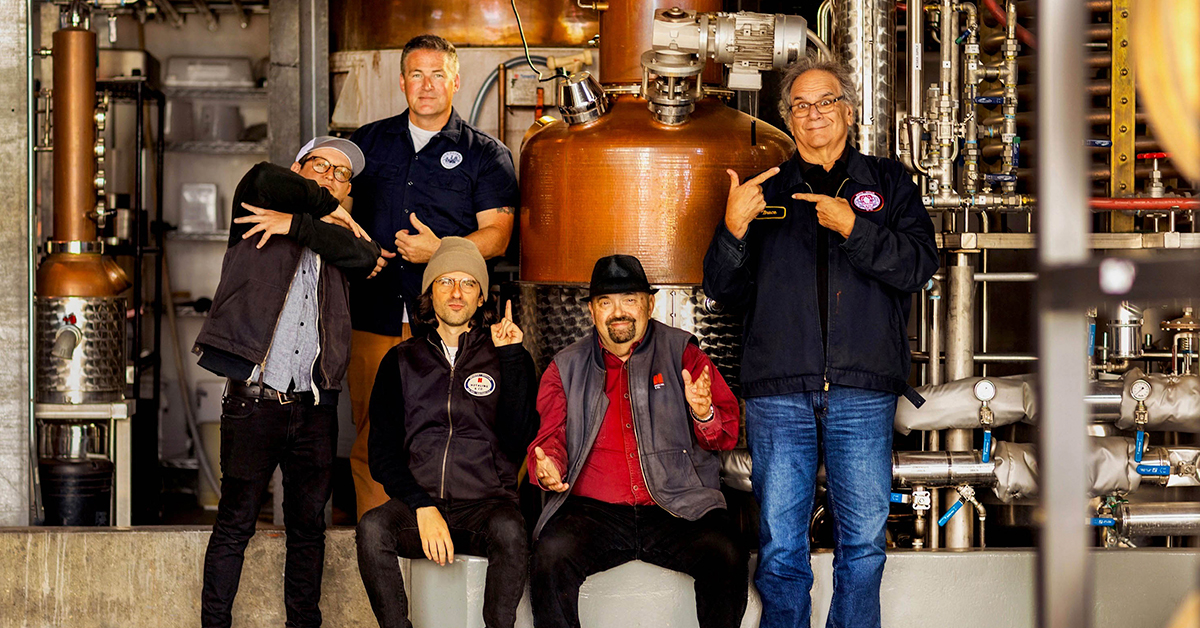
The Modern Trailblazers: Tree House and the "Grain to Glass" Philosophy
An hour west of Boston in Charlton, Massachusetts, Tree House Brewing Company—widely considered one of the most successful craft breweries in the world—has followed a similar trajectory. Known for iconic beers such as Julius and Doppelganger, Tree House has expanded into a multi-state operation with a 100-acre farm and a dedicated distilling program.
John Britton, who leads Tree House’s distilling operations, brought experience from renowned spirits-focused entities like St. George Spirits and Ann Arbor Distilling. He posits that the world’s best breweries already possess the infrastructure and talent to produce world-class spirits. Under his guidance, Tree House has focused on a "grain to glass" approach, producing Old Growth Bourbon and Rye distilled exclusively from New England grains.
The strategic move into spirits for Tree House was not a reaction to financial distress but a proactive effort to "create artful spirits at scale," according to Chris Conroy, the company’s spirits category sales manager. By distilling their own agave spirits (Casa de Árbol) and producing niche items like nocino (walnut liqueur), absinthe, and shochu (a Japanese-style rice distillate), Tree House has effectively insulated itself against the volatility of the beer market. They have also utilized their existing canning lines to enter the burgeoning RTD market, offering canned Tom Collins, Gin and Tonics, and Palomas that allow consumers to "jump the aisle" from beer to spirits at a similar price point.
A Chronology of the Craft Distilling Movement
While the current surge in brewery-distilleries feels like a modern phenomenon, the movement has deep roots in the American craft revolution. To understand the current climate, one must look at the pioneers who integrated spirits decades ago:
- 1993: Anchor Brewing. Often cited as America’s first craft brewery, San Francisco’s Anchor Brewing began distilling operations under the "Anchor Distilling" banner. Their release of Old Potrero, a single malt rye whiskey, was a landmark moment that proved a brewery could produce spirits with the same artisanal integrity as its beer.
- 2003: Rogue Ales. The Oregon-based brewery expanded into distilling and eventually became one of the few operations in the country to copper its own barrels, controlling every aspect of the aging process.
- 2005: New Holland Brewing. This Michigan staple added distilling to its portfolio early, creating the "Beer Barrel Bourbon" brand which leveraged their existing barrel-aging program for stouts.
- 2006: Ballast Point. Before its billion-dollar sale to Constellation Brands (and subsequent resale), Ballast Point opened San Diego’s first post-Prohibition distillery. This arm eventually became Cutwater Spirits, which proved so successful as a standalone entity that it was acquired by Anheuser-Busch in 2019.
- 2017: 3 Floyds. The Indiana brewery, famous for its "metal" branding and aggressive IPAs, entered the distilling space with spirits like Bubblegumhead, a straight malt whiskey that offered a direct nod to its cult-favorite Gumballhead wheat beer.
Bruce Joseph, the first master distiller at Anchor Distilling (now Hotaling & Co.), notes that the skills learned in the brewhouse provided the bedrock for his career in spirits. "The skills I learned as a brewer provided a very solid foundation for whiskey distilling; in fact, about the only new equipment we needed to start distilling was the actual still," Joseph recalls.
Market Data and Consumer Shifts: Why Beer is No Longer Enough
The motivation for this diversification is backed by stark economic data. The 2% decline in beer production in 2024 is part of a broader trend where spirits have consistently gained "share of throat" over beer for the last decade. According to the Distilled Spirits Council of the United States (DISCUS), spirits reached a 42% share of the total U.S. beverage alcohol market by value in 2023, surpassing beer for the second consecutive year.
Furthermore, the rise of the "sober-curious" movement and the legalization of cannabis in many states have introduced new competitors for the "relaxation dollar." Gen Z, in particular, shows a marked preference for beverages that are perceived as "cleaner" or offer different functional benefits, such as THC-infused seltzers or low-calorie RTDs. For a brewery to remain relevant to this demographic, it must offer more than just a heavy, hop-forward ale.
Regulatory Advantages and the Taproom Experience
Beyond market share, there is a significant regulatory and experiential advantage to distilling. In states like Massachusetts, a "farmer-brewery" or "farmer-distillery" license often comes with specific stipulations regarding what can be served on-site. For Trillium, producing their own spirits was the only way to legally offer a full cocktail program in their taprooms.
This led to the creation of the Headroom Hi-Fi Cocktail Lounge on the second floor of Trillium’s Fort Point location. By offering high-end cocktails made with house-distilled spirits, Trillium has successfully attracted a demographic that had previously ignored the craft beer scene. Tetreault notes that the lounge attracts a late-night, post-dinner crowd and a younger cohort that may have never heard of Trillium as a brewery.
"I have no ego associated with this at all," Tetreault says. "It just makes me smile when we have new folks into the space and they just look around and say, ‘Oh, my God, I had no idea this was here.’"
Analysis of Implications: The Rise of the "Total Beverage Company"
The shift from "brewery" to "beverage company" suggests a permanent change in how craft alcohol is produced and consumed in America. The implications are three-fold:
- Risk Mitigation: By diversifying into spirits and RTDs, breweries are less vulnerable to the "fad" cycles of specific beer styles. If the demand for hazy IPAs drops, the distillery can pivot to gin or vodka production using the same raw material sourcing networks.
- Brand Extension: Successful breweries already possess strong brand equity. When a consumer who trusts Tree House for their beer sees a Tree House-branded bourbon, the barrier to purchase is significantly lowered.
- Operational Efficiency: Utilizing the "mash" from the brewing side for the distillery side allows for better utilization of equipment and labor. It also allows for creative cross-pollination, such as Finback Brewing’s "Halftone" gin, which utilizes hops to bridge the flavor profiles of their two divisions.
As the industry moves deeper into 2025, the distinction between a brewery and a distillery will likely continue to blur. While the "golden age" of explosive craft beer growth may have ended, a new era of sophisticated, multi-category craft beverage production is beginning. For the survivors of the 2024 market correction, the path forward is clear: to keep the lights on, they must look beyond the pint glass.