admin
admin
The landscape of the American brewing industry is undergoing a fundamental transformation as non-alcoholic beer transitions from a niche, often-maligned product to one of the fastest-growing segments in the beverage world. Historically dismissed as an oxymoron or a punchline within the "hop-head" culture of craft brewing, non-alcoholic (NA) beer has defied skeptics to become a cornerstone of modern market strategy. As sales figures continue to climb, industry analysts, brewers, and consumers alike are seeking to understand the shifting cultural currents driving this demand. The central question facing the industry is no longer whether NA beer is viable, but rather who is consuming it and what specific motivations are fueling its meteoric rise.
Producer and writer Jenny Allison, an award-winning multimedia storyteller and NA beer enthusiast, has spearheaded an investigation into this phenomenon. Having transitioned from a devoted craft beer consumer to a sober lifestyle in 2020, Allison’s perspective bridges the gap between traditional brewing appreciation and the modern sobriety movement. Her research suggests that the NA surge is not merely a byproduct of the recovery community, but rather a complex convergence of health-conscious lifestyle choices, technological advancements in brewing, and a broader cultural shift toward "mindful drinking."
The Statistical Surge: Data Behind the Trend
To understand the magnitude of the NA beer movement, one must look at the empirical data provided by market research firms and trade organizations. According to data from NIQ (formerly NielsenIQ), the non-alcoholic beer segment in the United States saw a 32% increase in dollar sales in 2023 compared to the previous year. While total beer sales have remained relatively flat or seen slight declines in some traditional categories, the NA sector has consistently posted double-digit growth for several consecutive years.
A critical finding in recent consumer research is that the vast majority of NA beer drinkers—approximately 82% according to some industry surveys—also purchase alcoholic beverages. This indicates that the primary driver of growth is not necessarily total abstinence, but "substitution." Consumers are increasingly choosing NA options for specific occasions—such as weeknights, post-workout recovery, or as a "spacer" between alcoholic drinks—to mitigate the physiological effects of alcohol without sacrificing the social ritual or flavor profile of a craft brew.
A Chronology of the Non-Alcoholic Evolution
The path to the current NA "golden age" was paved over decades of technological and cultural shifts. Understanding this timeline is essential for contextualizing why the current surge is occurring now rather than a decade ago.
- The Prohibition Era (1920–1933): The birth of "near beer." To survive federal restrictions, breweries produced beverages with less than 0.5% ABV. These were largely seen as a necessity of law rather than a preference of taste.
- The "Dry" Decade (1980s–1990s): Major domestic breweries introduced brands like O’Doul’s and Sharp’s. While these products captured a specific market share, they were often criticized for a lack of flavor and a watery consistency, cementing the negative stigma associated with NA beer.
- The Craft Revolution (2000s–2010s): As craft beer exploded, the focus remained on high-ABV IPAs and barrel-aged stouts. However, the diversification of the palate led some small brewers to experiment with lower-alcohol "session" beers.
- The Technological Pivot (2017–2019): New companies like Athletic Brewing Company launched with a sole focus on non-alcoholic craft beer. Simultaneously, advancements in dealcoholization technology—such as vacuum distillation and high-end membrane filtration—allowed brewers to remove alcohol while preserving the delicate volatile aromatics of hops and malt.
- The 2020 Catalyst: The COVID-19 pandemic and subsequent lockdowns led many consumers to reevaluate their relationship with alcohol. The "Sober Curious" movement gained mainstream traction, and the availability of high-quality NA craft beer provided a viable alternative for those seeking wellness during a period of global stress.
Demographics and Diverse Voices: Who is the NA Consumer?
Jenny Allison’s investigation highlights that the NA community is far from monolithic. By documenting the stories of various individuals, she paints a picture of a demographic that spans geographical and professional boundaries.
In New York City, event producers are now curating "alcohol-free parties" that mirror the energy of traditional nightlife without the presence of spirits or high-ABV brews. These events cater to a younger demographic, particularly Gen Z, which data suggests is consuming significantly less alcohol than previous generations at the same age. For these consumers, the appeal lies in social connectivity and the "vibe" of a party, minus the subsequent hangover or health risks.
Conversely, in Utah, professional athletes such as mountain bikers are utilizing NA beer as a functional beverage. Because NA beer is often lower in calories and contains electrolytes and polyphenols naturally derived from grains and hops, it is being marketed and consumed as a recovery drink. This "performance-based" consumption represents a radical departure from the traditional image of the beer drinker.
Furthermore, the "retired beer aficionado" represents a significant portion of the market in cities like Los Angeles. These are individuals who spent decades immersed in craft beer culture but have moved toward NA options due to health concerns, age-related metabolic changes, or a simple desire for mental clarity, all while retaining their sophisticated palate for complex hop profiles and malt structures.
Technological Advancements and Quality Control
The primary barrier to NA beer adoption in the past was flavor. Alcohol acts as a solvent for flavor compounds and contributes to the "mouthfeel" of a beverage. Without it, beer often tastes like unfermented wort or thin soda. However, the current era of NA brewing utilizes sophisticated methods to circumvent these issues.
- Vacuum Distillation: By lowering the atmospheric pressure, the boiling point of alcohol is significantly reduced. This allows brewers to boil off the ethanol at low temperatures that do not "cook" the beer or degrade the flavor.
- Membrane Filtration (Reverse Osmosis): This process passes the beer through a semi-permeable membrane that separates the alcohol and water from the flavor-carrying solids. The water is then replaced, leaving the flavor intact without the alcohol.
- Arrested Fermentation: Some brewers use specific yeast strains that are incapable of fermenting complex sugars, or they halt the fermentation process before significant alcohol is produced. This retains the "beer" character while keeping the ABV below the legal 0.5% threshold.
Industry Implications and the Role of Inclusivity
The Brewers Association, a not-for-profit trade group dedicated to small and independent craft brewers, has recognized the importance of the NA segment in fostering a more inclusive community. By supporting content through initiatives like the North American Guild of Beer Writers’ Diversity in Beer Writing Grant, the association acknowledges that the future of craft beer depends on its ability to welcome all consumers, regardless of their alcohol intake.
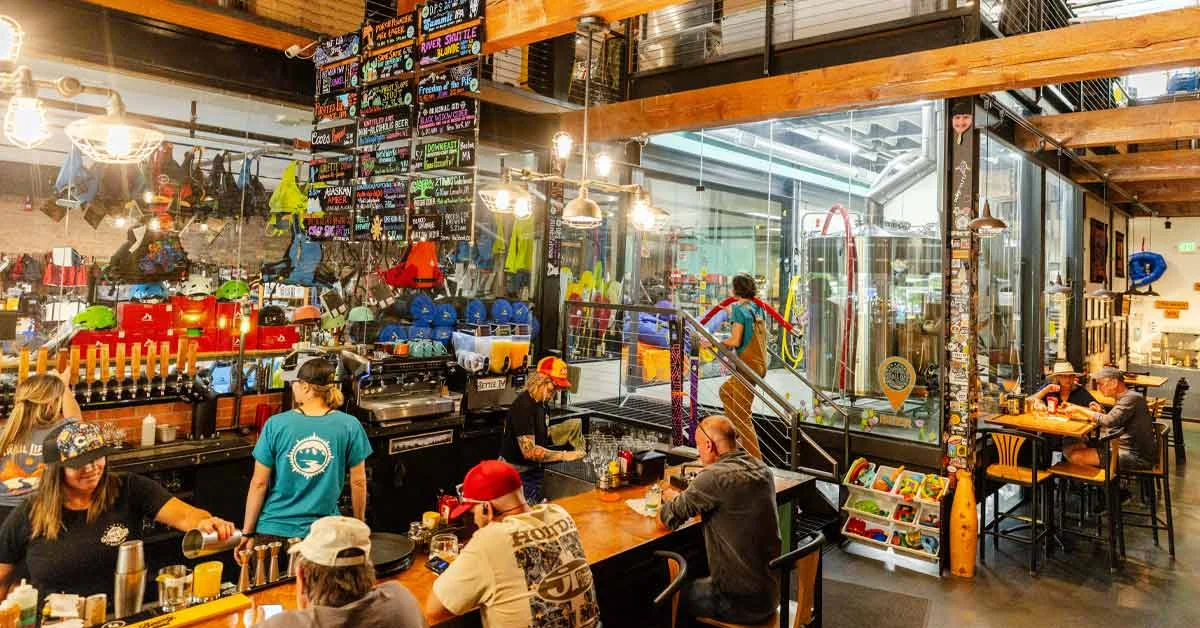
The inclusion of NA options on taproom menus is no longer a courtesy; it is a business necessity. Breweries that offer high-quality NA options report higher "group spend," as parties with one or two non-drinkers are more likely to stay longer and order food if everyone has a sophisticated beverage option. This shift toward inclusivity also addresses long-standing concerns regarding brewery safety and responsible consumption.
Major craft players, such as Allagash Brewing Company, have also stepped into the space, lending their brand equity to the NA movement. This endorsement from "prestige" breweries signals to the broader market that non-alcoholic beer is a legitimate craft product worthy of the same respect as a flagship Belgian Tripel or an award-winning IPA.
Analysis of Future Market Implications
As the non-alcoholic segment continues to mature, several implications for the broader beverage industry emerge. First, the lines between "beer," "functional beverage," and "soda" are blurring. We are likely to see more NA beers fortified with adaptogens, vitamins, or additional electrolytes to appeal to the wellness-focused consumer.
Second, the retail landscape is shifting. Dedicated non-alcoholic bottle shops are opening in major metropolitan areas, and traditional liquor stores are dedicating increasing shelf space to NA brands. This competition for "eye-level" placement indicates that retailers view NA beer as a high-margin, high-growth opportunity.
Finally, the international market remains a massive frontier. In countries like Germany and Spain, NA beer already accounts for a much higher percentage of the total beer market than it does in the United States. As American craft NA brands begin to export their hop-forward styles, the global perception of "non-alcoholic" is likely to shift from a medical necessity to a lifestyle preference.
The rise of non-alcoholic craft beer represents more than just a change in what is in the glass; it reflects a broader societal evolution toward intentionality. As Jenny Allison’s work illustrates, the "why" behind the NA trend is as varied as the people drinking it. Whether driven by health, athletics, professional obligations, or a simple desire to stay present, the NA consumer is redefining what it means to be a part of the craft beer community. In doing so, they are ensuring that the industry remains resilient, inclusive, and innovative for decades to come.