admin
admin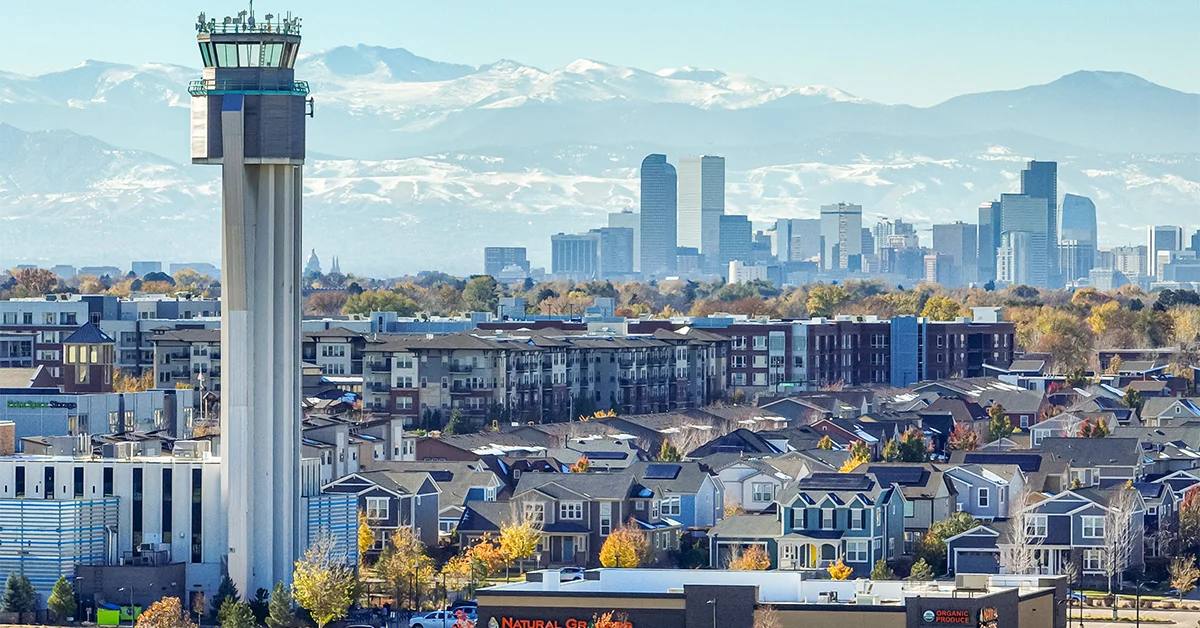
The precision of aviation and the volatility of agricultural harvests converged in late August 2025, as Denver-based FlyteCo Tower faced a rare operational setback. For the first time since its inception in 2019, the brewery’s signature "hop flight"—a high-altitude mission to transport freshly harvested hops across the Rocky Mountains—was grounded due to persistent inclement weather. Eric Serani, cofounder and president of FlyteCo Tower, officially signaled the cancellation of the aerial transport after multiple delays, highlighting the narrow window of opportunity required to produce the brewery’s seasonal "Hop Is My Co-Pilot" Fresh Hop IPA.
The mission, which traditionally involves flying a four-seater Van’s Aircraft RV-10 from Erie Municipal Airport to Billy Goat Hop Farm in Montrose, Colorado, serves as a cornerstone of the brewery’s brand identity. However, the 2025 harvest season presented a series of meteorological challenges that prioritized pilot safety over production timelines. While the brewery has successfully completed the flight for six consecutive years, the combination of low-hanging cloud cover and unpredictable mountain thermal patterns eventually forced the team to transition to standard overnight shipping to secure the necessary ingredients.
The Logistics of the High-Altitude Hop Harvest
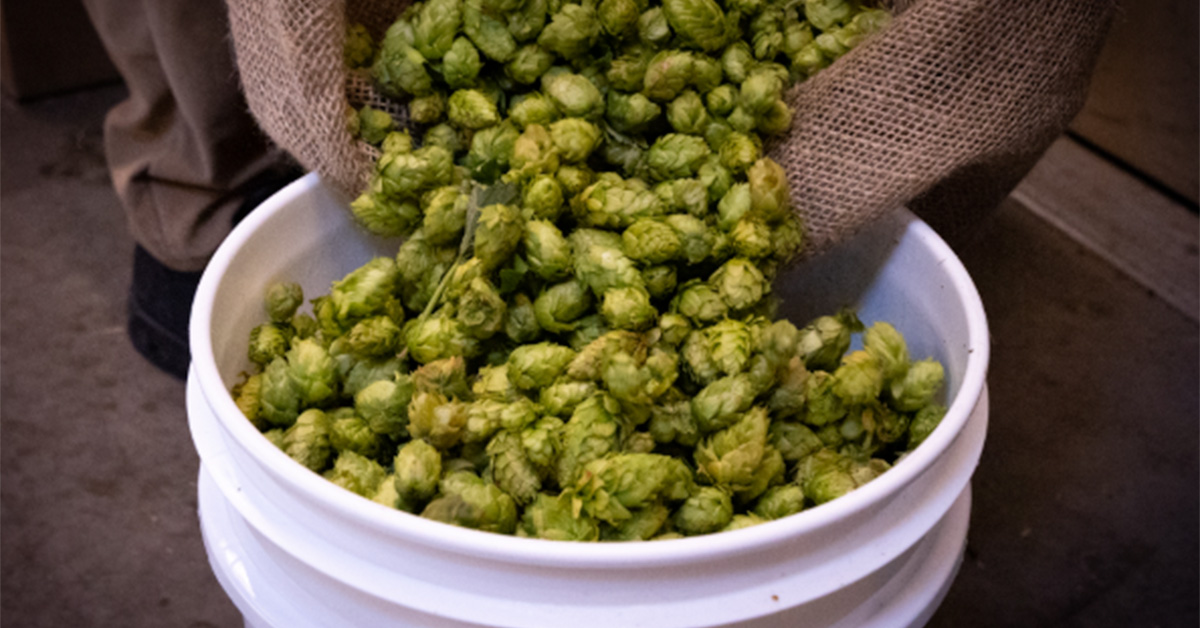
The production of fresh hop ale is one of the most logistically demanding endeavors in the craft brewing industry. Unlike standard beers, which utilize dried hop pellets or concentrated extracts that can be stored for months, fresh hop beers require "wet" hops. These are whole-cone flowers harvested and utilized within 24 to 48 hours to prevent oxidation and the onset of composting.
For FlyteCo, the process is further complicated by the geography of the American West. The flight path from the Front Range to the Western Slope requires traversing the Continental Divide, involving altitudes between 11,000 and 13,000 feet. The 175-nautical-mile journey takes approximately 90 minutes in an RV-10, a performance-oriented kit plane.
"The harvest is inherently unpredictable," Serani noted during the grounding. "Farmers often don’t know the exact peak of the lupulin maturity until a few weeks prior, and as pilots, we don’t know if the mountain passes will be navigable until the morning of the flight."
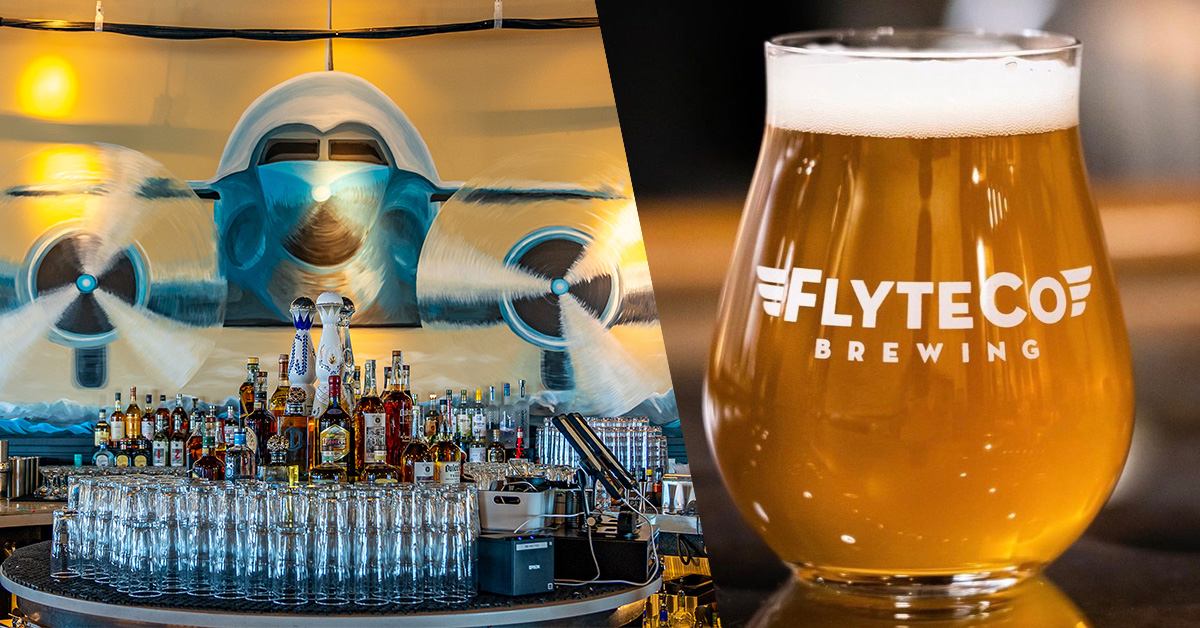
In previous years, the brewery’s flight crew—often accompanied by a fleet of up to eight aircraft piloted by community members—would transport between 80 and 100 pounds of hops. Following the transition of their primary production to a 2.5-barrel system at the Stapleton tower location, the requirement has scaled to approximately 20 pounds of varietals such as Chinook, Cascade, or Nugget. Despite the smaller volume, the requirement for immediate integration into the brewing process remains absolute.
A Chronology of Aviation and Brewing Synergy
The history of FlyteCo is deeply rooted in the aerospace traditions of Colorado. Eric Serani’s personal history with aviation began at age three in a 1946 kit plane owned by his grandfather. By age 16, Serani was flying solo, and by 17, he had earned a full pilot’s license. His father, Scott Serani, remains an active part of the aviation community, maintaining the family’s hangar at Erie Municipal Airport.
The brewery itself was born from the intersection of engineering and hobbyist brewing. Serani and cofounder Jason Slingsby met at the University of Colorado Boulder, where Serani studied aerospace engineering and Slingsby pursued chemical engineering. After a stint at Boeing, Serani partnered with Slingsby and Morgan O’Sullivan to open the original FlyteCo Brewing on Tennyson Street in 2019.
The "hop flight" tradition began that same year. A colleague from Bruz Beers identified a landing strip near the now-defunct High Wire Hops farm in Paonia, Colorado. The proximity of the runway to the hop bines presented a unique opportunity to combine Serani’s passion for flight with the brewery’s production needs. The inaugural flight established a precedent for what would become an annual community event, drawing in members of the Experimental Aircraft Association (EAA).
The Stapleton International Tower: A Historic Venue
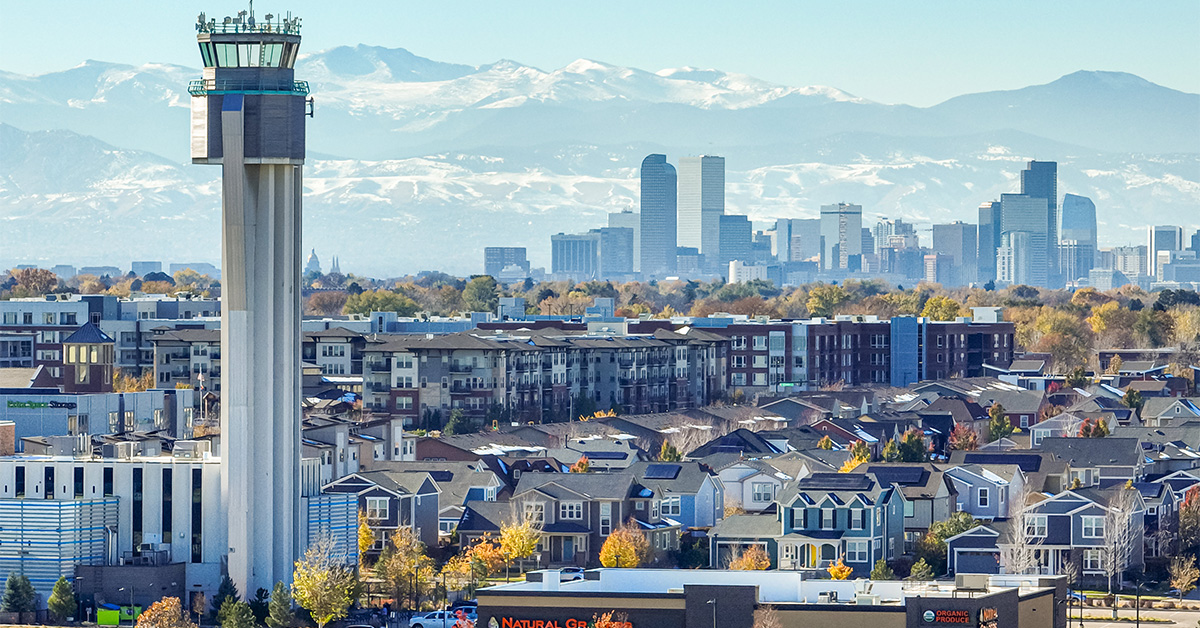
In 2022, FlyteCo expanded its operations by moving into the former air traffic control tower of Stapleton International Airport. This move was more than a real estate acquisition; it was a preservation of Denver’s aviation legacy. Stapleton served as Denver’s primary airport from 1929 until 1995, at one point ranking as the third busiest airport in the world.
The tower had sat largely vacant since the airport’s decommissioning, following a brief tenure by a restaurant group. FlyteCo Tower reimagined the 11-story structure as a multi-use "eatertainment" complex. The facility currently features:
- A 2.5-barrel experimental brewhouse.
- Multiple bars and a full-service restaurant.
- Bowling lanes, mini-golf, and axe-throwing installations.
- An aviation museum and historical exhibit curated by in-house historian Sean Henson.
The location also pays homage to local aviation pioneers, including Louis Paulhan, who performed the first flight in Denver in 1910, and Emily Howell Warner, the first woman hired as a pilot by a scheduled U.S. airline. By situating their brewery in a landmark of flight history, the founders have integrated the "Hop Is My Co-Pilot" mission into the broader narrative of the Central Park neighborhood (formerly Stapleton).
Economic and Philanthropic Implications
From a purely fiscal perspective, the hop flight is an inefficient method of procurement. The cost of aviation fuel, aircraft maintenance, and the labor involved in coordinating a multi-plane extraction far exceeds the market price of the hops themselves. However, FlyteCo’s leadership views the endeavor as a marketing and community-building investment rather than a cost-saving measure.
"The entire brand is about aviation and inspiring people to push their limits," Serani explained. This philosophy extends to the brewery’s financial structure. FlyteCo pledges 10% of its profits to aviation-related charities and scholarships. A primary beneficiary is the EAA’s Young Eagles program, which provides free initial flight experiences to youths aged eight to 17.
The grounding of the 2025 flight, while a disappointment to the pilots and fans of the seasonal IPA, underscores the inherent risks of the brand’s mission. It serves as a reminder of the "miracle" Serani often cites when the weather, the harvest, and the brewing schedule align perfectly.
Analysis of the 2025 Seasonal Outlook
The absence of a flight-transported hop harvest in 2025 does not signal the end of FlyteCo’s seasonal offerings, but it does alter the narrative of this year’s "Hop Is My Co-Pilot" release. By utilizing overnight shipping, the brewery was able to maintain the quality of the beer, though the "farm-to-kettle" speed was slightly diminished compared to the 180-minute window provided by direct flight.
Industry analysts suggest that FlyteCo’s transparency regarding the flight’s cancellation may actually bolster brand loyalty. In an era where consumers value authenticity, the admission that nature and safety took precedence over a promotional event reinforces the brewery’s commitment to genuine aviation standards.
The broader impact on Denver’s craft beer scene is also notable. Fresh hop season is a period of high engagement for local taprooms. FlyteCo’s ability to pivot to other flagship offerings, such as their Azacca Pale Ale—brewed by Copper Kettle Brewing Company under a contract arrangement to allow the Tower’s small system to focus on experimentation—ensures that the business remains resilient despite the lack of a fresh hop "miracle" this year.
Future Projections and 2026 Planning
Looking ahead, the FlyteCo team has already begun preliminary discussions for the 2026 harvest. The 2025 grounding has provided data points for future contingency planning, including potential secondary landing sites and expanded communication protocols with Western Slope growers.
The brewery’s historian, Sean Henson, continues to expand the tower’s exhibits, ensuring that even when the planes are grounded, the spirit of aviation remains accessible to the public. The tower tours, which detail the evolution of flight from the Wright Brothers to the modern era, remain a primary draw for the venue, independent of the brewing schedule.
While the "Hop Is My Co-Pilot" IPA of 2025 may lack the specific "flight-touched" pedigree of its predecessors, the dedication of the FlyteCo crew remains unchanged. The intersection of craft beer and aviation continues to serve as a unique cultural pillar in Denver, driven by a team that views every pint as a tribute to the "Mile High" history of their city. As the brewery prepares for the next season, the goal remains the same: to catch lightning in a bottle, provided the clouds clear over the Rockies.