admin
admin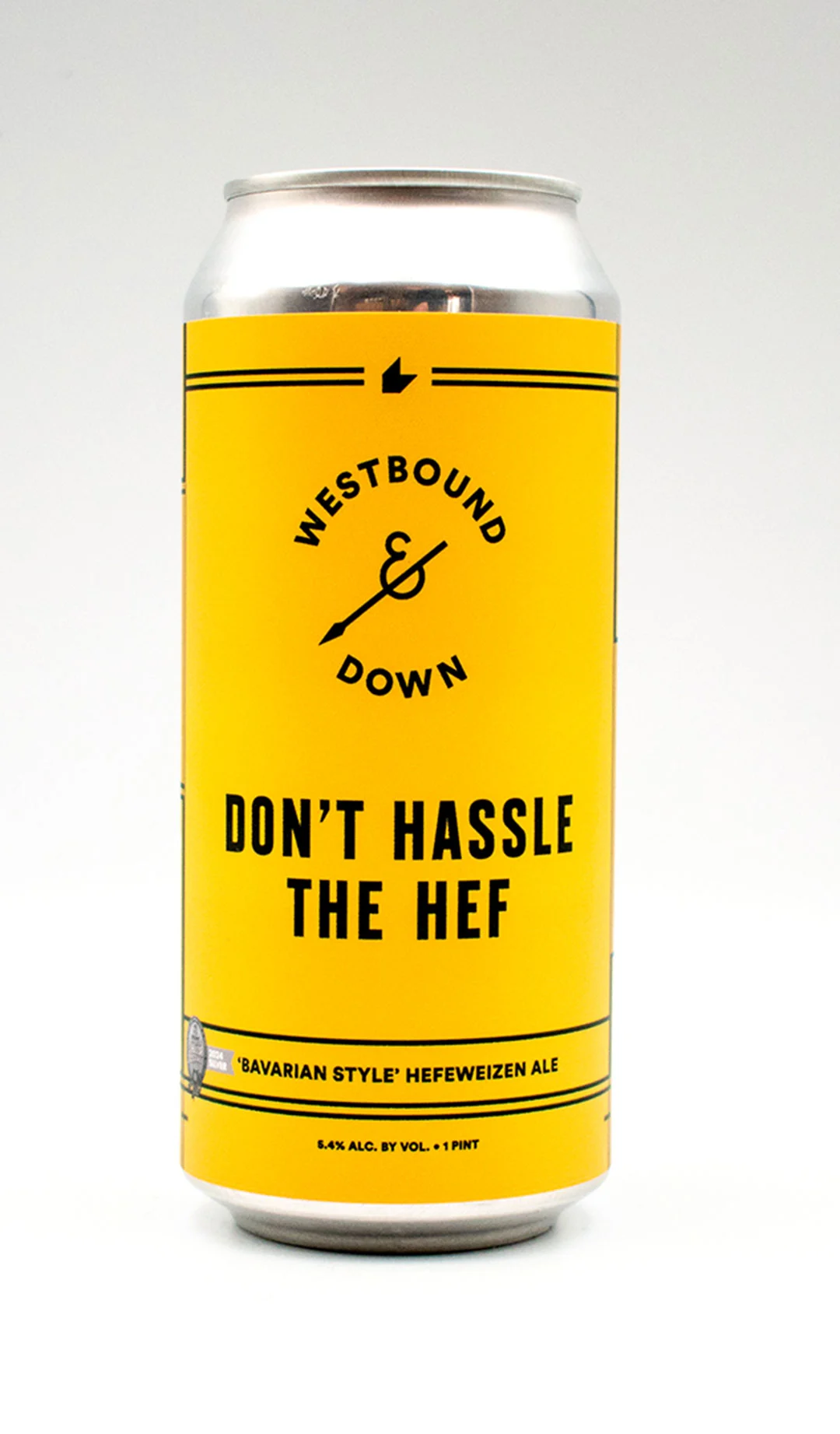
The landscape of American craft brewing is currently undergoing a significant shift as brewers increasingly experiment with non-traditional adjuncts, specifically the banana, to meet a growing consumer demand for nostalgic and dessert-forward flavor profiles. This movement was recently bolstered by a pivotal regulatory update from the Alcohol and Tobacco Tax and Trade Bureau (TTB), which expanded its list of exempt ingredients to include bananas, effectively streamlining the production process for thousands of breweries across the United States. Previously, the TTB classified bananas as a non-traditional ingredient, requiring breweries to submit complex formula exemptions before a beer could be legally marketed. This administrative hurdle often deterred smaller operations from experimenting with the fruit. However, as of late 2023, the TTB acknowledged the widespread and safe use of bananas in brewing, removing the requirement for formula approval and signaling a new era for fruit-infused malt beverages.
The Catalyst of Ingenuity: The 2020 Juicy Brews IPA Festival
The practical challenges of brewing with bananas are perhaps best illustrated by the experience of DankHouse Brewing, a Newark, Ohio-based operation founded in 2017 by Josh and Heather Lange. In early 2020, the brewery was invited to the prestigious Juicy Brews IPA festival in Pittsburgh, an event known for showcasing the most innovative "hazy" and "milkshake" IPAs in the country. The Langes intended to feature "Banana Peel’d," a flagship hazy IPA that utilized banana purée to complement its tropical hop profile.
Days before the festival, the brewing team found the banana expression in the batch to be underwhelming. Faced with logistical delays that prevented the shipment of bulk aseptic purée, the Langes attempted several DIY solutions, including blending store-bought bananas and utilizing dried banana chips. Both methods proved unsuccessful; fresh bananas oxidized rapidly, turning the beer an unappealing brown, while the chips failed to provide the necessary aromatic intensity.
Through a process of elimination, the brewers discovered that the high-quality aseptic purées used in the industry shared a near-identical composition with commercial baby food. In a move that highlights the resourceful—and often unconventional—nature of craft brewing, the Langes purchased the entire stock of banana baby food from every grocery store in the Newark area. This "scooping party" allowed them to fortify the beer just in time for the festival. The resulting product was served alongside industry titans like The Alchemist, creators of the legendary Heady Topper, demonstrating that even unconventional methods can produce a professional-grade product that resonates with enthusiasts.
The Chemistry of Scent: Isoamyl Acetate and the Gros Michel Legacy
To understand why banana flavors are so coveted in beer, one must examine the chemical compound isoamyl acetate. This fruity ester is responsible for the distinct aroma of bananas. Historically, the American perception of "banana flavor" was shaped by the Gros Michel cultivar, also known as "Big Mike." This variety dominated the global market until the 1950s and contained significantly higher levels of isoamyl acetate than the bananas found in supermarkets today.
A catastrophic fungal outbreak, known as Panama disease, nearly wiped out the Gros Michel, leading the industry to pivot to the Cavendish variety. While the Cavendish is more resistant to disease, it possesses a more subtle flavor profile. This biological shift created a sensory disconnect: artificial banana flavorings, such as those found in Runts or Laffy Taffy candies, were modeled after the Gros Michel. Consequently, when modern consumers encounter a beer with high isoamyl acetate levels, they often associate it with "fake" candy rather than the fruit in their kitchen.
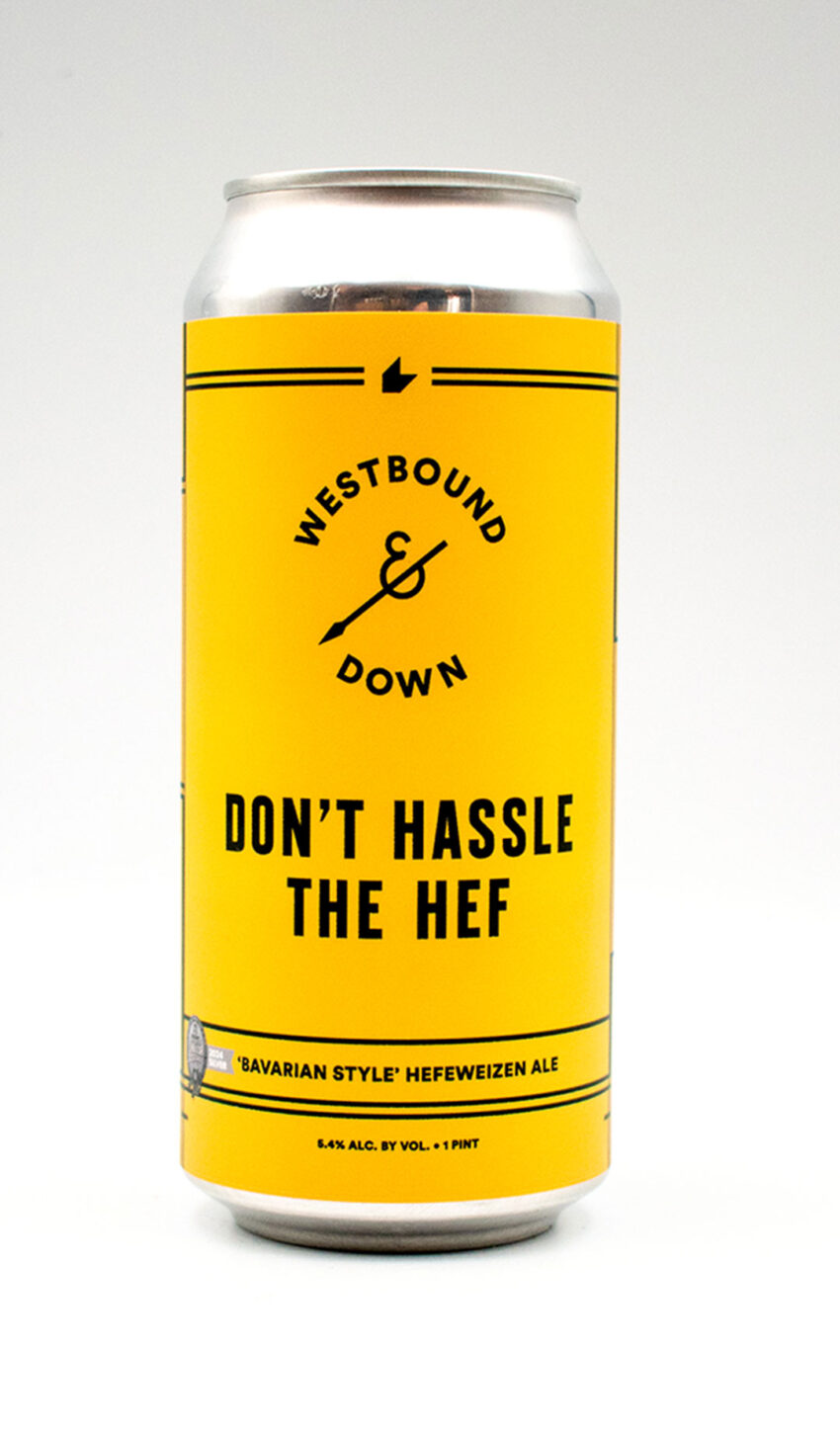
In the brewing world, isoamyl acetate is not always an additive; it is often a byproduct of fermentation. German Hefeweizens are the most prominent example of this, where specific yeast strains produce the ester naturally. Derek Goodman, head brewer at Westbound & Down Brewing in Colorado, notes that achieving the perfect banana aroma requires "stressing" the yeast. By under-pitching the yeast (using less than the recommended amount) and restricting oxygen, brewers force the yeast to reproduce rapidly, which triggers the production of these signature fruity esters. Goodman’s "Don’t Hassle the Hef," which won a silver medal at the 2024 Great American Beer Festival, is a prime example of this technical mastery.
Market Trends and the Resurgence of Wheat Beers
Data from yeast suppliers suggests that the "banana moment" in craft beer is more than a passing fad. Jeff Mello, founder of Nashville-based Bootleg Biology and Spot Yeast, reports that Hefeweizen yeast strains have risen to become the second best-selling product in his catalog, trailing only the ubiquitous hazy IPA strains. This indicates a resurgence of interest in traditional European styles, albeit often updated with modern American sensibilities.
In Pennsylvania, Wallenpaupack Brewing has seen similar success with its Hawley Hefeweizen. Head brewer Logan Ackerley observes that consumers are increasingly vocal about their preference for the "banana beer," often seeking out the style specifically for its yeast-driven fruitiness. This trend has even extended into the "brunch" market, with events like Nashville’s Banana Brunch pairing Hefeweizens with ice cream, further blurring the lines between traditional beer and dessert.
The Rise of the Pastry Stout and Exotic Adjuncts
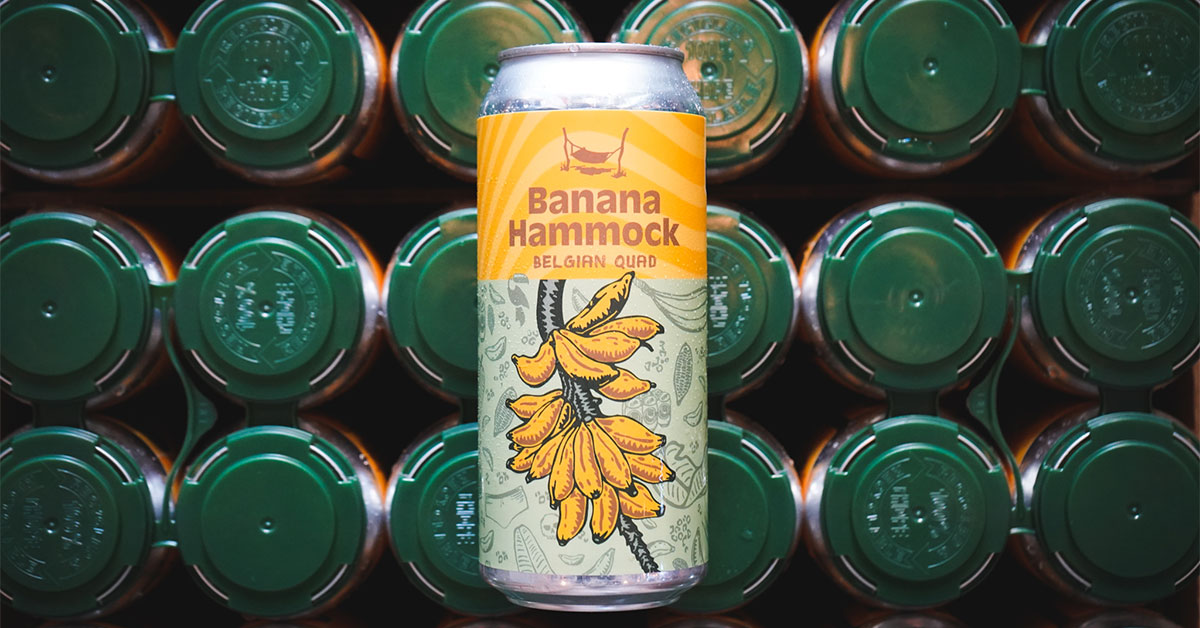
While wheat beers rely on yeast for flavor, the "pastry stout" movement utilizes massive quantities of actual fruit to mimic complex desserts. Breweries like WeldWerks Brewing in Colorado and Crooked Hammock Brewery in Delaware have found success with labels like "Chocolate Banana Pudding Stout" and "Banana Hammock."
The technical execution of these high-gravity beers is fraught with difficulty. Larry Horwitz, director of brewing operations at Crooked Hammock, explains that adding banana purée must be timed perfectly. If added during primary fermentation, the yeast may become overwhelmed by the simple sugars—a phenomenon he calls the "Cheetos dilemma." When yeast is presented with easy-to-digest sugars from fruit, it may "shut down" and fail to process the more complex malt sugars, leading to stalled fermentations and off-flavors.
To avoid these issues, many elite breweries have turned to a "Grand Cru" ingredient: the wild Thai banana. Rodrick Markus, CEO of Rare Tea Cellar in Chicago, began importing these fructose-rich, dried bananas over a decade ago. While originally intended for the culinary market, they became a staple for breweries like Other Half, Evil Twin, and The Veil during the COVID-19 pandemic.
The Economics of High-End Brewing
The use of premium ingredients like wild Thai bananas comes with a significant financial burden. Matt Tarpey, co-founder of The Veil Brewing in Richmond, Virginia, notes that to achieve a truly concentrated banana character in a barrel-aged stout, a brewery might need more than 10 pounds of dried fruit per barrel. With prices hovering around $50 per pound—compounded by a 35% tariff on Thai imports—the cost of goods sold (COGS) for these beers is astronomical.
For a beer like The Veil’s "Sky Summoner," which features vanilla beans, toasted coconut, and Thai bananas, the profit margins are razor-thin. Tarpey describes these projects as "labors of love," designed more for brand prestige and artistic expression than for significant revenue generation. Despite the cost, the demand for these "extravagant" beers remains high among a dedicated subset of collectors and enthusiasts.
Technical Challenges and Future Implications
The integration of bananas into beer is not without its critics. Nick Panchamé, president of HOMES Brewery and the Smooj hard smoothie brand, points out that banana-infused beverages can be divisive due to their texture. Banana purée adds significant body and residual sweetness, which can lead to a "thick" mouthfeel that some consumers find unappealing. Furthermore, improper handling of the fruit can lead to excess sulfur production, resulting in a "rotten egg" aroma that ruins the finished product.
Despite these hurdles, the industry’s trajectory suggests that banana will remain a permanent fixture in the brewer’s toolkit. The TTB’s decision to de-regulate the ingredient removes a major barrier to entry, likely leading to an influx of banana-flavored products in the mid-market segment. As brewers continue to refine their techniques—from "baby food IPAs" to $50-a-pound Thai banana stouts—the category is expected to diversify further.
In summary, the "unpeeling" of the banana’s appeal in craft beer is a multi-faceted story of regulatory evolution, chemical science, and economic resilience. Whether through the traditional yeast-driven aromas of a German Hefeweizen or the decadent, purée-laden profiles of a modern pastry stout, the banana has solidified its place as a versatile and beloved ingredient in the American brewing tradition. The ability of brewers to navigate the high costs and technical complexities of this fruit reflects the broader spirit of innovation that continues to define the craft beer industry.