admin
admin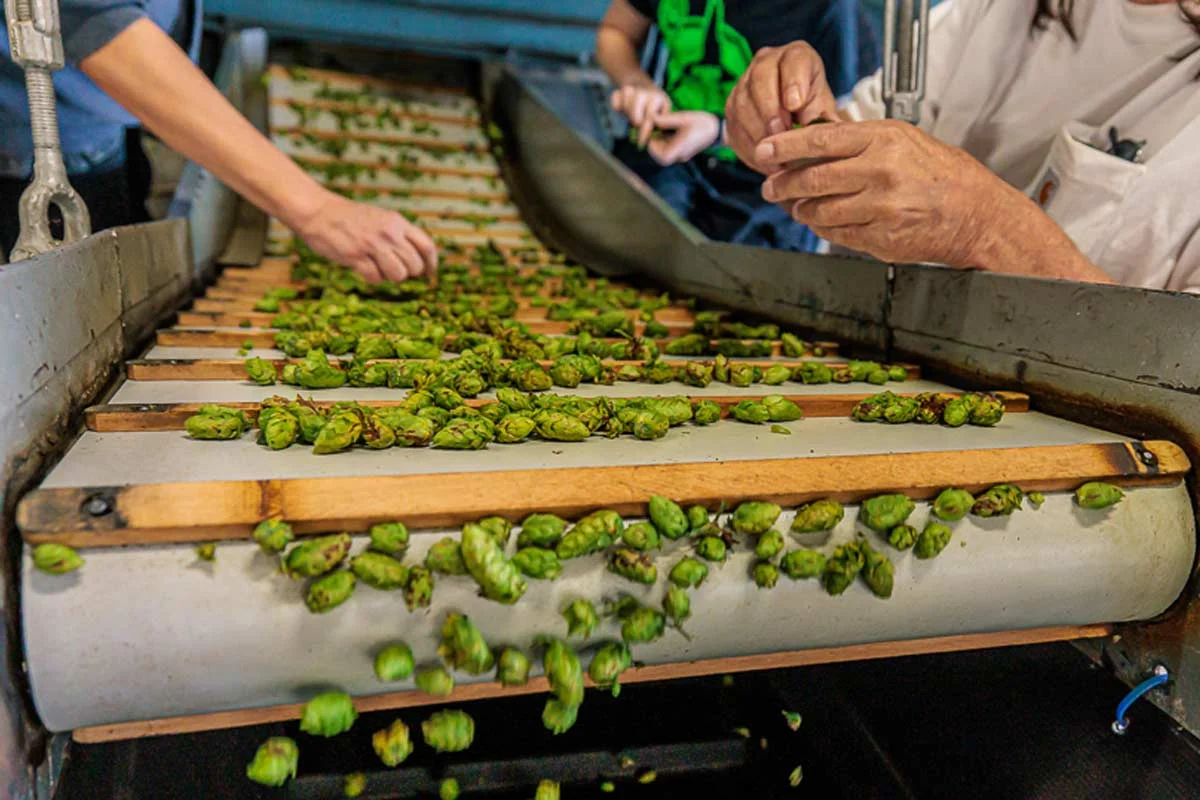
Michigan currently holds the distinction of being the premier hop-growing state in the Great Lakes region and ranks fourth in the United States for total hop acreage, trailing only the Pacific Northwest giants of Washington, Oregon, and Idaho. While the state’s craft beer industry contributes more than $2.5 billion annually to the local economy, a significant portion of the agricultural labor and leadership driving this success remains largely uncredited. Across the state’s diverse landscapes—from the sandy soils of the southeast to the rolling hills of the Leelanau Peninsula—women are occupying pivotal roles in harvest coordination, greenhouse propagation, academic research, and land stewardship. Despite their foundational contributions, many female professionals in the industry report a persistent lack of visibility, even as they navigate the complex challenges of climate change, market fluctuations, and labor shortages.
The Geography of the 45th Parallel and Michigan’s Hop Resurgence
The success of Michigan’s hop industry is rooted in a unique combination of geography and glacial history. Hops (Humulus lupulus) are notoriously temperamental perennials that require specific environmental cues to thrive. The "sweet spot" for hop cultivation is generally recognized as the 45th parallel, a line of latitude that bisects Michigan. This positioning provides the long, sun-drenched days necessary for rapid growth during the summer solstice and the essential cold winter nights required for the plants to enter a healthy state of dormancy.
Furthermore, Michigan’s soil composition—a legacy of the Pleistocene epoch’s glacial movements—offers the well-drained, nutrient-rich "dirt" required for hop health. Unlike vines, which utilize tendrils to climb, hops grow as "bines." These plants rely on stiff, downward-pointing hairs along their stems to wrap clockwise around support structures, often reaching heights of 20 to 25 feet in a single growing season. This vigorous growth requires intense management, a task that has increasingly fallen to a dedicated cohort of female growers and scientists.
A Chronology of Growth: From Prohibition to the Modern Era
To understand the current state of Michigan hops, one must look at the historical trajectory of the crop. In the late 19th century, Michigan was a significant producer of hops until a combination of pest pressure (specifically downy mildew) and the onset of Prohibition in 1920 effectively decimated the industry. For nearly a century, hop production was concentrated almost exclusively in the Yakima Valley of Washington.
The modern resurgence began around 2008, catalyzed by the explosive growth of the American craft beer movement and a burgeoning "buy local" sentiment among brewers. As demand for unique flavor profiles grew, Michigan farmers recognized an opportunity to reclaim their agricultural heritage. This era saw the establishment of foundational farms and the involvement of Michigan State University (MSU) Extension, which provided the scientific scaffolding necessary for the industry to scale.
Scientific Infrastructure: The Role of MSU Extension
Central to the stability of the Michigan hop industry is the work of Erin Lizotte, MSU’s integrated pest management coordinator and senior statewide educator. In an industry where a single outbreak of powdery mildew or an infestation of potato leafhoppers can wipe out a season’s profits, Lizotte provides the research-backed data growers rely on for survival. Her work involves diagnosing emerging diseases, navigating complex chemical approval processes, and assisting growers in adapting to shifting weather patterns.
Growers across the state describe Lizotte’s role as indispensable, noting that her responsiveness and technical expertise provide the confidence necessary to make high-stakes agricultural decisions. This academic support system, which includes the MSU Plant and Pest Diagnostics lab, has allowed Michigan to maintain a competitive edge despite the established dominance of West Coast growers.
Propagation and the Clean Plant Protocol
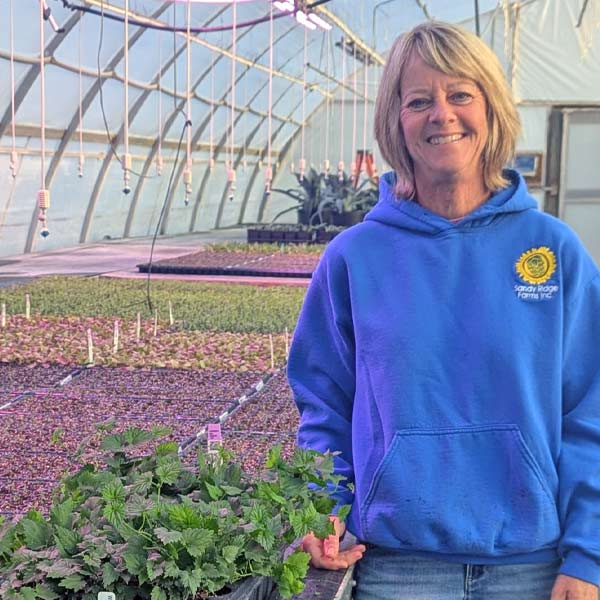
The lifecycle of a Michigan hop begins in the greenhouse, where specialists like Julie Kane of Sandy Ridge Farms in Zeeland manage the delicate process of propagation. With over two decades of experience, Kane transitioned into the hop sector in 2008 as interest in the crop spiked. Her work focuses on the "Clean Plant" protocol, a rigorous standard designed to ensure that starter stock is free of viruses and viroids.
Starting with virus-free mother plants from the National Clean Plant Network, Kane maintains strict sanitation of tools and implements preventative fungicide regimens. This work has become increasingly difficult due to volatile climate conditions. During recent summer heatwaves, greenhouse temperatures have exceeded 100 degrees Fahrenheit, requiring advanced cooling techniques and increased irrigation to prevent crop failure. Kane’s reputation for quality has helped dismantle gender-based barriers in the field; she notes that while early industry conversations often bypassed her, the consistent quality of her plants eventually commanded professional respect.
Corporate Stewardship and Sustainable Land Management
At the commercial level, major entities like Bell’s Brewery in Comstock have integrated hop production into their broader sustainability missions. Bonnie Steinman, a veteran horticulturist and land steward at Bell’s, oversees the brewery’s hop yard alongside colleague Elizabeth Mullins. Their work extends beyond simple cultivation to include the management of a two-and-a-half-acre yard, an apple orchard, and a butterfly waystation.
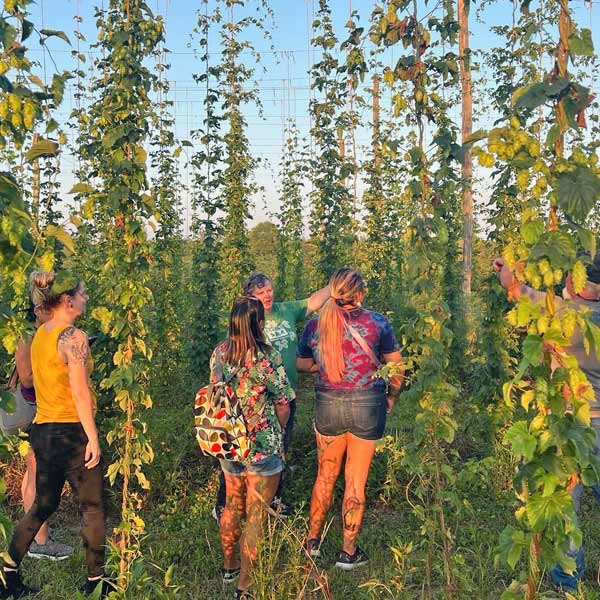
Steinman’s approach emphasizes the sensory and emotional aspects of farming. She advocates for a "rub and smell" method of determining harvest readiness, teaching others to identify the transition of Chinook hops from grassy notes to resinous, fruity aromas. Under her leadership, the Bell’s hop yard has become an educational hub, hosting groups like the Pink Boots Society to foster professional development for women and nonbinary individuals in the beverage industry. This model of "stewardship" reflects a shift in the industry toward holistic land management rather than purely extractive agriculture.
Engineering Precision in the Field
The infusion of professional expertise from outside sectors has also strengthened the industry. Mel Trowbridge of Top Hops Farm in Goodrich utilized her 40-year career as an automotive engineer and quality control specialist to bring industrial rigor to her farm operations. Trowbridge implemented process-driven structures, including team debriefs and rotating task schedules, to optimize efficiency during the high-pressure harvest season.
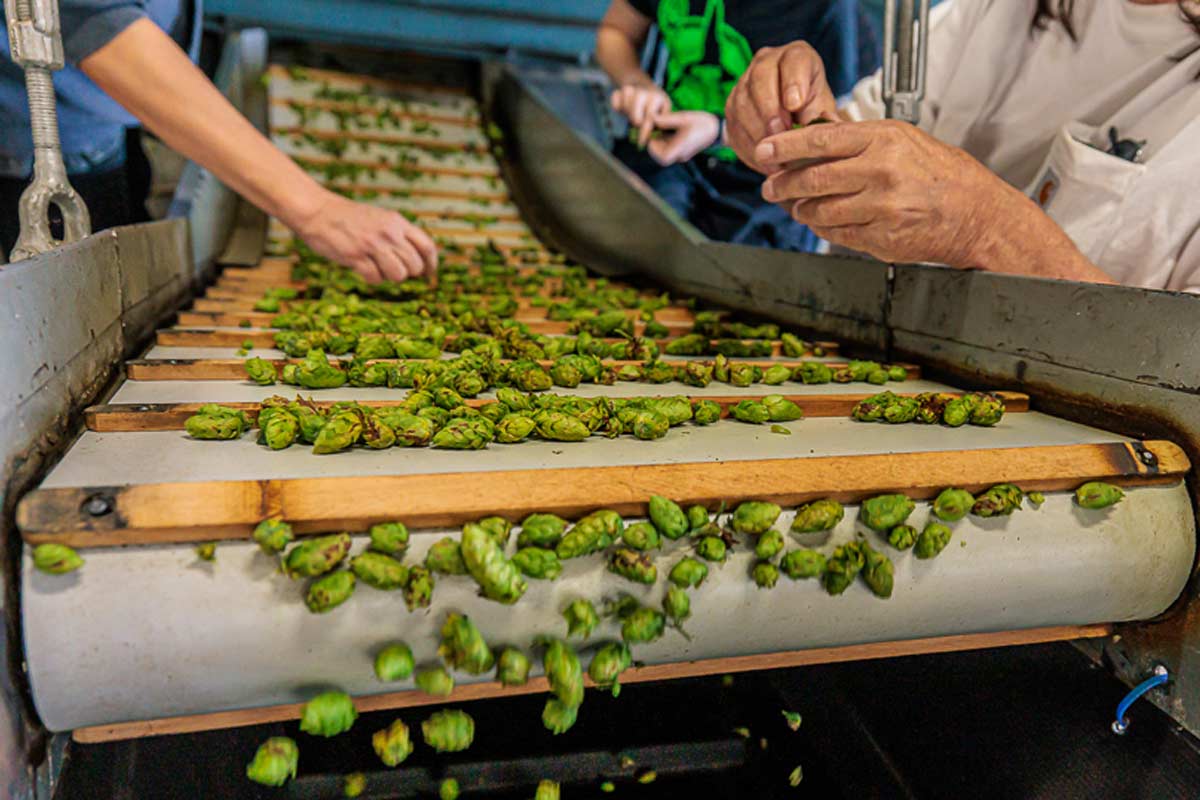
Her "orchestration" of the harvest involves managing the timing of the picking, drying, and baling processes, where delays of even a few hours can degrade the essential oils and alpha acids of the hop cones. Trowbridge’s transition from the factory floor to the farm highlights a growing trend of "second-career" farmers who are applying modern management techniques to traditional agriculture.
The Michigan Chinook: Defining a Regional Identity
A critical component of Michigan’s market strategy is the differentiation of its hop varieties from those grown in the Pacific Northwest. While the Chinook variety is grown in both regions, the Michigan-grown version is celebrated for a distinct "terroir" that leans toward pineapple and citrus flavors with less intense resin than its Washington counterparts.
Rose Stahl, co-owner of Mr. Wizard’s Hops in Monroe, has been a central figure in promoting this regional identity. Stahl, who entered the industry after a devastating flood ruined her family’s corn crop, has spent over a decade organizing the "Chinook Cup." This competition, held during the Great Beer State Conference and Trade Show, allows Michigan growers to submit their best harvests for blind sensory analysis by a panel of expert brewers. By establishing these quality benchmarks, Stahl and her peers are building a brand for Michigan hops that emphasizes unique flavor profiles over sheer volume.
Economic Implications and Future Outlook
Despite the passion and expertise of these leaders, the Michigan hop industry faces significant headwinds. Market contraction has occurred as the initial "gold rush" of the 2010s met the reality of global oversupply and changing consumer preferences in the craft beer sector. Small, independent growers are currently navigating a "stabilization phase," where efficiency and quality are the only paths to survival.
Climate change remains the most unpredictable variable. The increasing frequency of "false springs"—where warm weather triggers early growth followed by a killing frost—and prolonged summer droughts are forcing growers to invest in expensive irrigation and frost-protection infrastructure.
Analysis suggests that the future of the Michigan hop industry will depend on the ability of growers to carve out a niche market based on sustainability and regional character. The "invisible" labor of women, as noted by Amy Tennis of the Michigan Hop Alliance, is often what keeps these farms afloat during lean years. From managing complex grant applications and financial books to the physical labor of training bines, the contributions of women are the backbone of the industry’s resilience.
As Michigan continues to refine its agricultural identity, the role of women will likely transition from the "behind-the-scenes" labor mentioned by early brewers to a more prominent, public leadership. The integration of scientific research, engineering precision, and a deep commitment to land stewardship ensures that while Michigan may not produce the volume of the Pacific Northwest, its hops remain a vital and distinct component of the American brewing landscape. The ongoing work of these women ensures that when a consumer tastes a beer made with Michigan hops, they are experiencing the result of a sophisticated, diverse, and highly technical agricultural ecosystem.