admin
admin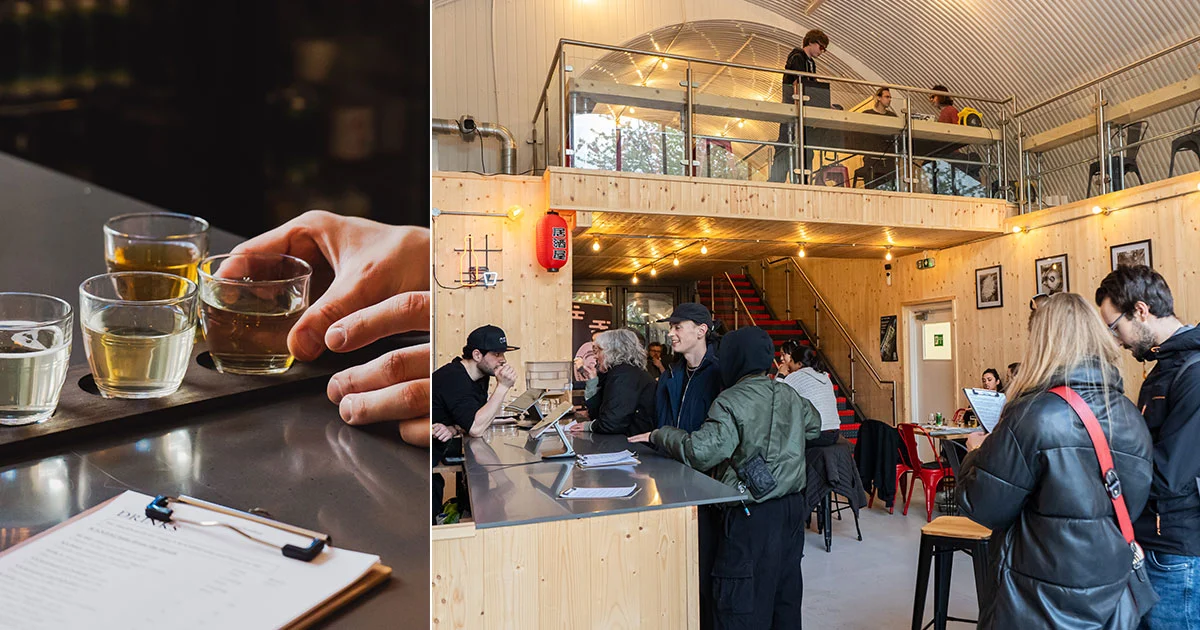
The global beverage landscape is currently undergoing a profound transformation as the boundaries between traditional categories—beer, wine, and spirits—continue to blur. At the forefront of this movement is the emergence of craft sake, a Japanese rice-based ferment that is finding a new and enthusiastic audience within the craft beer community. Once confined almost exclusively to the menus of high-end sushi restaurants, sake is now being produced in local taprooms across the United States and the United Kingdom, led by a new generation of brewers who are utilizing craft beer techniques, such as dry-hopping and experimental yeast strains, to create a "sake segue" for curious drinkers.
The Genesis of the Craft Sake Movement
The journey toward a localized sake industry often begins with a deep personal immersion in Japanese culture. For Jason Cooper, the founder of Sango Kura in Delaware Water Gap, Pennsylvania, the fascination began two decades ago while attending language school in Kyoto. Cooper describes his obsession as a "20-year rabbit hole" that eventually led him to transition from a Japanese-inspired food truck, Wabi Sabi Kitchen, to opening Pennsylvania’s first sake brewery in July 2018.
This evolution mirrors a broader trend in the artisan beverage world: the desire to localize international traditions. By November 2018, Cooper began pouring his first batches, and by 2022, he expanded the vision by launching Rewind Brewing alongside his wife, Melissa Hirschhorn. The integration of a traditional brewery with a sake kura (brewery) allows for a unique cross-pollination of flavors and consumer bases.
Technical Innovations and the IPA Influence
One of the primary challenges for domestic sake producers is overcoming the consumer perception that sake is a monolithic, high-alcohol spirit served only hot. To combat this, brewers are borrowing heavily from the craft beer playbook. Sango Kura, for instance, produces a Junmai Ginjo sake—a premium grade made from rice, water, yeast, and koji—that is dry-hopped with Galaxy and Mosaic hops. These are the same hops responsible for the tropical and citrus notes in modern New England IPAs.
According to Cooper, this specific product serves as a bridge. It possesses the aromatic profile of an IPA—floral and fruity—while maintaining the delicate structure of sake. This hybrid approach targets the "craft curious" demographic, providing a familiar sensory entry point into a complex and ancient beverage category.
The Critical Role of Terroir and Water Quality
While the ingredients for sake are deceptively simple—rice, water, yeast, and koji mold—the execution is notoriously difficult. In the Delaware Water Gap, the geography itself plays a role in the final product. Just as the mineral content of water defines the character of a Burton-on-Trent ale or a Czech pilsner, water quality is the bedrock of premium sake.
"If you look at a setting of a sake brewery in Japan, it’s always right on top of the best water source," Cooper notes. Because sake flavors are often light and ethereal, any impurity in the water is magnified. The Delaware Water Gap provides a soft, clean water profile that allows the subtle esters produced during fermentation to remain the focal point.
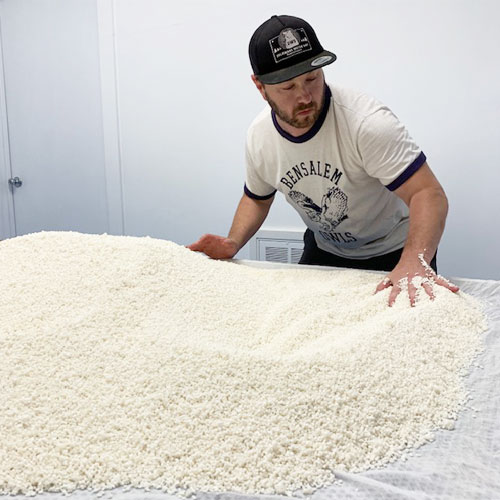
Furthermore, the production of koji—rice inoculated with Aspergillus oryzae—is a labor-intensive hallmark of the craft. At Sango Kura, the team manages a sterile, climate-controlled room heated to 100 degrees Fahrenheit. For three days, the rice is monitored around the clock to ensure the mold converts rice starches into fermentable sugars at the correct rate. Cooper’s dedication to this process is such that he often stays overnight at the brewery during peak fermentation to make micro-adjustments to the temperature, a level of precision that rivals the most technical lagering processes in the beer world.
London’s Craft Sake Frontier: The Bermondsey Influence
Across the Atlantic, the craft sake movement has found a stronghold in London. Kanpai, founded in 2016 by Tom Wilson and his wife Lucy, represents the vanguard of British sake. Originally located in Peckham, the brewery moved to Bermondsey in 2023, situating itself directly on the "Bermondsey Beer Mile." This stretch of railway arches is home to some of the most influential craft breweries in the UK, creating a natural ecosystem for experimental drinkers.
The relocation was a strategic move to increase visibility among the "taproom crawl" crowd. By positioning a sake brewery in the heart of a beer hub, Kanpai has successfully demystified the product. Wilson notes that their taproom environment is designed to feel familiar to beer drinkers, offering draft pours and educational tours that explain the overlap between brewing science and sake production.
One of Kanpai’s most significant contributions to the local scene is the introduction of "nama" sake. Unlike most imported sake, which is pasteurized twice for shelf stability, nama sake is unpasteurized and "raw." This version is vibrant, often effervescent, and contains live enzymes that provide a flavor profile impossible to replicate in bottles shipped halfway around the world. "It’s very rare to get nama sake traveling outside of Japan," Wilson explains, highlighting the unique value proposition of the local craft producer.
Collaborative Fermentation and Hybrid Styles
The synergy between beer and sake is further evidenced by collaborations between the two industries. Kanpai recently partnered with Surrey-based brewery By The Horns to create "Shiro," a Japanese white ale. This hybrid beverage was brewed with rice, shiso (a Japanese herb in the mint family), and yuzu (a tart citrus fruit), effectively blending the crispness of a wheat beer with the aromatic complexity of sake ingredients.
Kanpai’s portfolio also includes experimental sakes that push the boundaries of the category. This includes an 8% ABV plum sake and a sparkling version dry-hopped with Nelson Sauvin hops, known for their white wine-like characteristics. For those seeking higher acidity, Wilson utilizes white koji, which produces citric acid—a departure from the traditional yellow koji. The resulting sake mimics the acidity of a crisp white wine, providing another familiar profile for the uninitiated.
Nova Brewing and the California Connection
In Covina, California, Nova Brewing Co. has taken the integration of beer and sake a step further. Founded in 2019 by James Jin, the brewery took over a facility previously used by a craft beer producer. While waiting for their sake manufacturing license, the team focused on beer, eventually leading to the creation of the "Ginjo 7" project.
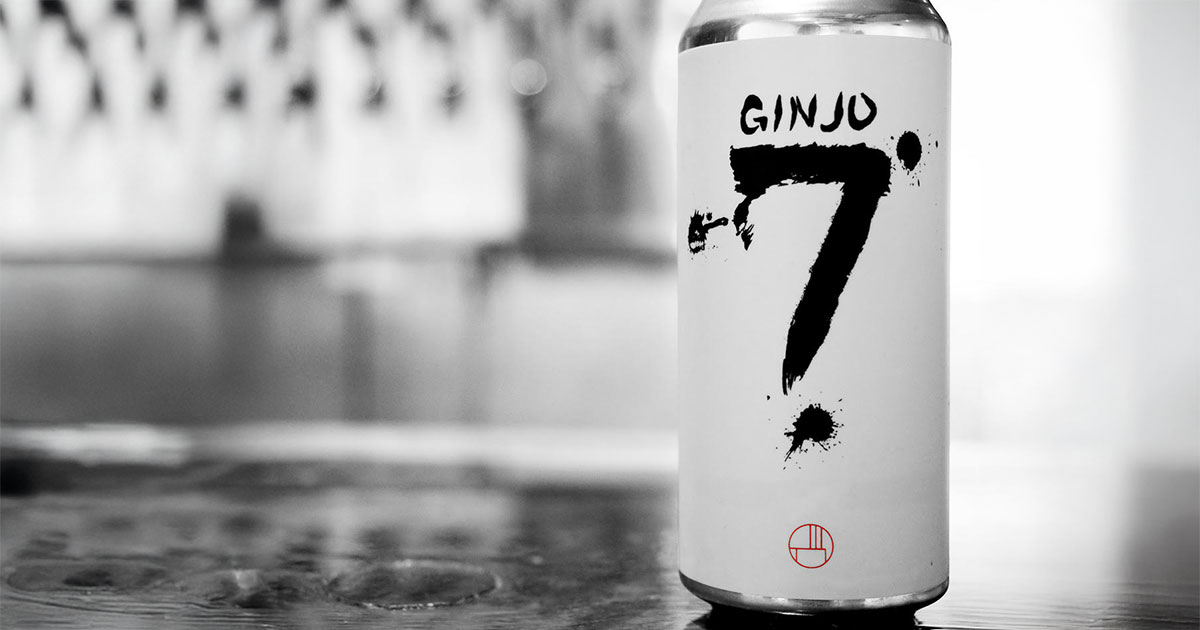
Ginjo 7 is a beer brewed using sake yeast (specifically Kyokai #701). Jin discovered that when fermented at cold temperatures—similar to the lagering process or sake fermentation—this yeast produces fruity esters and aromatic profiles reminiscent of Belgian-style ales. By using a simple pilsner malt bill and steamed rice, Nova Brewing created a "bridge beer" that introduced their existing customer base to the flavors of sake yeast before the brewery’s first rice wine was even released.
The Science of Polishing and Rice Selection
Central to the quality of craft sake is the treatment of the grain. Nova Brewing’s "Gravity" sake showcases California-grown Calrose rice, a medium-grain variety that has become a staple for North American brewers. A critical metric in sake production is the "Seimai-buai," or the rice polishing ratio.
To make premium sake, the outer layers of the rice grain—which contain proteins and fats—must be milled away, leaving behind the pure starch heart. Nova Brewing polishes their rice to 50%, a level typically associated with the "Daiginjo" (super premium) grade. Higher polishing levels generally result in a cleaner, more floral, and more refined taste, whereas lower polishing (leaving more of the grain intact) results in a more robust, earthy, and umami-forward profile. By educating consumers on these technical aspects, craft brewers are mimicking the "transparency in ingredients" movement that fueled the craft beer boom of the 2010s.
Market Dynamics and Economic Implications
The rise of these artisan producers comes at a time when the global sake market is diversifying. While overall consumption in Japan has seen a long-term decline due to aging demographics and changing tastes, the export market for premium sake is hitting record highs. According to data from the Japan Sake and Shochu Makers Association, exports have seen consecutive years of growth, with the United States and the United Kingdom being primary drivers.
However, the growth of domestic craft sake breweries adds a new layer to this economy. By producing locally, these breweries reduce the carbon footprint associated with international shipping and offer a "freshness" factor that imports cannot match. Furthermore, the integration of izakaya-style food programs—such as Sango Kura’s handmade noodles and traditional pub dishes—creates a holistic cultural experience that appeals to the modern "experience-driven" consumer.
Conclusion: The Future of the Sake Segue
The efforts of Sango Kura, Kanpai, and Nova Brewing represent a broader cultural shift. By treating sake as a "craft" product rather than an "ethnic" novelty, these brewers are successfully integrating it into the wider artisan beverage conversation. The use of hop-forward profiles, draft service, and hybrid fermentation techniques has proven that the gap between a pint of IPA and a glass of Junmai Ginjo is much smaller than previously thought.
As these breweries continue to innovate and educate, the "sake segue" is likely to expand. The success of these establishments suggests that the future of the industry lies in accessibility, education, and a willingness to break traditional rules in favor of flavor and community. For the craft beer drinker, the "20-year rabbit hole" that Jason Cooper fell into is now just one taproom visit away.