admin
admin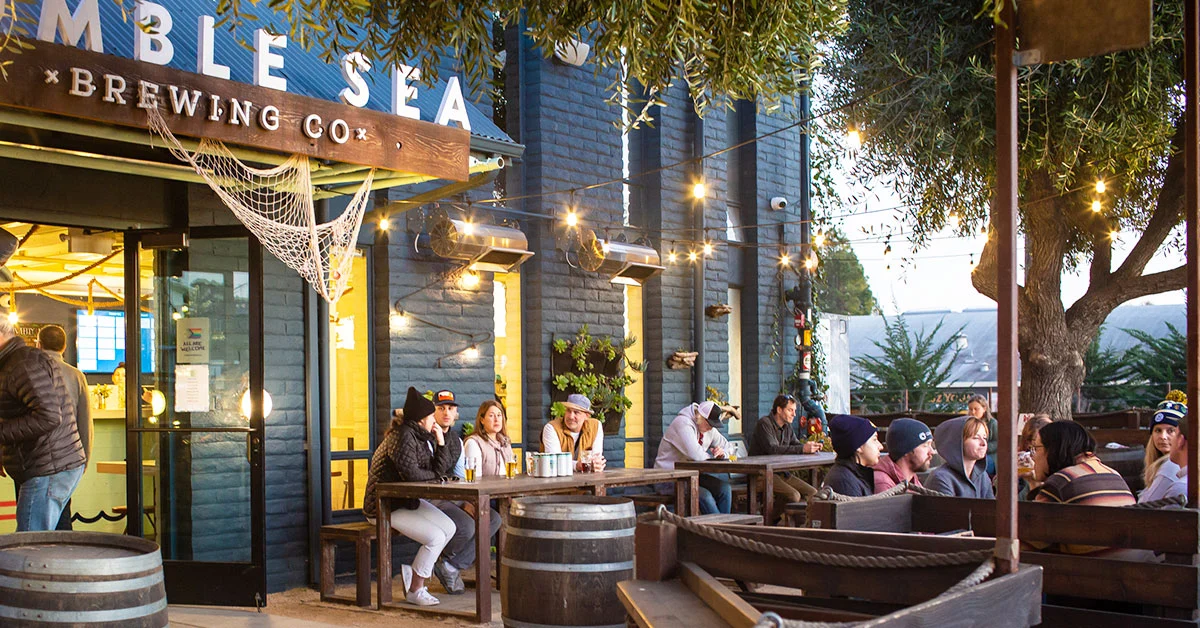
The craft brewing industry, once defined by a relentless pursuit of novelty and the "next big thing," is currently navigating a complex period of maturation that requires a delicate balance between experimental innovation and the reliability of core brands. As consumer preferences shift and the economic landscape for small breweries becomes increasingly competitive, established players like Sunriver Brewing Company in Oregon and Humble Sea Brewing Co. in California are providing a blueprint for how to adapt without losing their identities. This shift represents a broader trend within the American craft beer sector, where the initial "gold rush" of the 2010s has given way to a more disciplined approach to brand building, distribution, and product diversification.
The Foundation of Local Identity and Market Realities
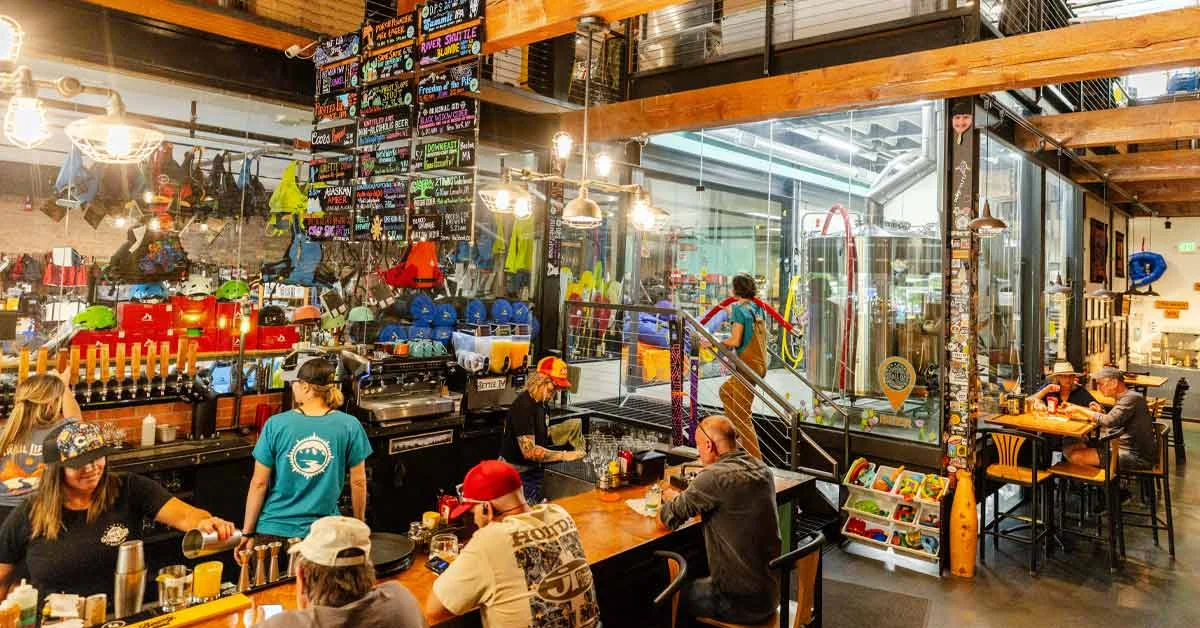
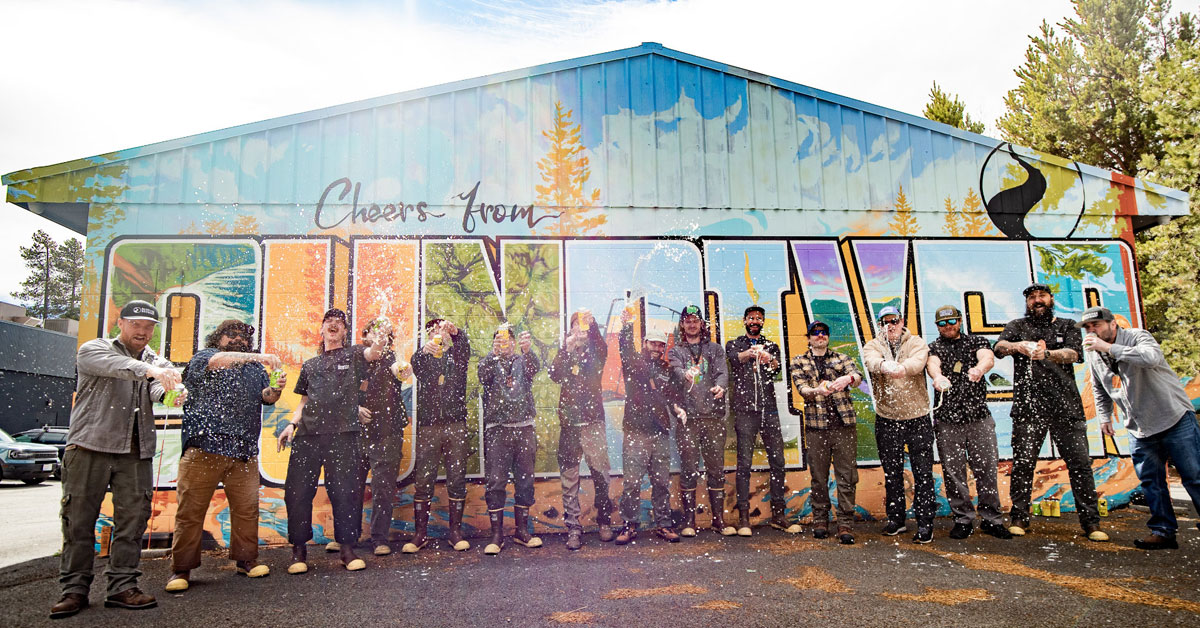
For many craft breweries, the initial business model is often dictated by immediate surroundings rather than the personal preferences of the brewers. When Sunriver Brewing launched in Central Oregon in 2014, its primary objective was to serve a specific, localized demographic. Head brewer Brett Thomas notes that the early portfolio was designed to cater to the transient tourist population of Sunriver, a resort community where the year-round population of 2,000 can swell to 15,000 during peak weekends.
In this environment, the brewery prioritized accessibility over experimentation. The initial lineup consisted of foundational styles: a blonde ale, a pale ale, an amber ale, and a stout. These "basic styles" served as an entry point for visitors who might not have been seasoned craft beer enthusiasts but were looking for a high-quality local beverage. However, as the brewery expanded its footprint through wholesalers and additional taprooms, the need to evolve became apparent. The challenge shifted toward finding a middle ground—what Thomas describes as the "sweet spot" between making cutting-edge, industry-leading beer and maintaining a portfolio of approachable favorites.
A similar trajectory, though mirrored in reverse, occurred at Humble Sea Brewing Co. in Santa Cruz, California. Founded in 2015, the brewery’s founders, including Frank Scott Krueger, originally envisioned a lager-focused operation. Despite their passion for bottom-fermented beers, the California market at the time was heavily skewed toward hop-forward profiles. To ensure the business’s survival, Humble Sea pivoted toward "foggy" (hazy) IPAs, a move that eventually defined their brand and allowed them to build a loyal following among "beer nerds" and collectors.
A Chronology of Adaptation: From IPAs to Diverse Portfolios
The timeline of the craft beer industry over the last decade shows a clear movement from style-specific niches to broad-market diversification.
- 2014–2016: The Era of Specialization. Breweries often launched with a specific focus—either traditional English styles, West Coast IPAs, or, in the case of early innovators, the nascent Hazy IPA.
- 2017–2019: The Peak of Novelty. The market was flooded with weekly releases, "whale" hunting (seeking rare beers), and a focus on high-ABV, adjunct-heavy stouts and fruit-forward sours. Humble Sea, during this time, dedicated 95% of its production to hoppy beers to meet this demand.
- 2020–2022: Pandemic Disruptions and Direct-to-Consumer Shifts. The closure of taprooms forced a pivot toward canning and retail distribution. Breweries realized that while experimental one-offs worked well for taproom pours, retail shelves demanded brand recognition and consistency.
- 2023–Present: The Return to Balance. Both Sunriver and Humble Sea have reached a stage where they can re-integrate their original passions. Humble Sea has successfully shifted its production so that 30% of its output is now lagers, leveraging the trust they built through their IPA program to educate their consumers on the nuances of pilsners and helles.
Data and Market Context: The Rise of "Beyond Beer" and Lager Love
The shift toward diversification is supported by broader industry data. According to the Brewers Association, while India Pale Ales remain the dominant category in craft beer—accounting for roughly 40% of the volume in the craft segment—growth in the "light lager" and "non-beer" categories (such as hard seltzer and kombucha) has outpaced traditional ales in recent years.
Sunriver Brewing’s decision to produce a hard seltzer is a prime example of this market-driven evolution. Thomas admits that several years ago, the idea of a craft brewery making seltzer was almost unthinkable for purists. However, the reality of the modern taproom is that it must serve a diverse group of drinkers. By offering the Coolwater American light lager for traditionalists and seltzers for those seeking gluten-free or lower-calorie options, Sunriver ensures it remains a destination for entire groups rather than just solo enthusiasts.
Furthermore, the "Lager Renaissance" is not merely a trend but a response to "palate fatigue." As consumers move away from the heavy, high-calorie profiles of Triple IPAs and Pastry Stouts, the demand for "crispy" and "crushable" beers has surged. This has allowed breweries like Humble Sea to return to their roots, proving that consumer education is a long-term investment that eventually pays off in portfolio flexibility.
Regional Palates and the Micro-Market Strategy
One of the most sophisticated developments in the industry is the tailoring of beer menus to specific neighborhoods. Humble Sea has refined this to a science across its various California locations. Their data suggests that geographical micro-climates and local cultures dictate consumption patterns:
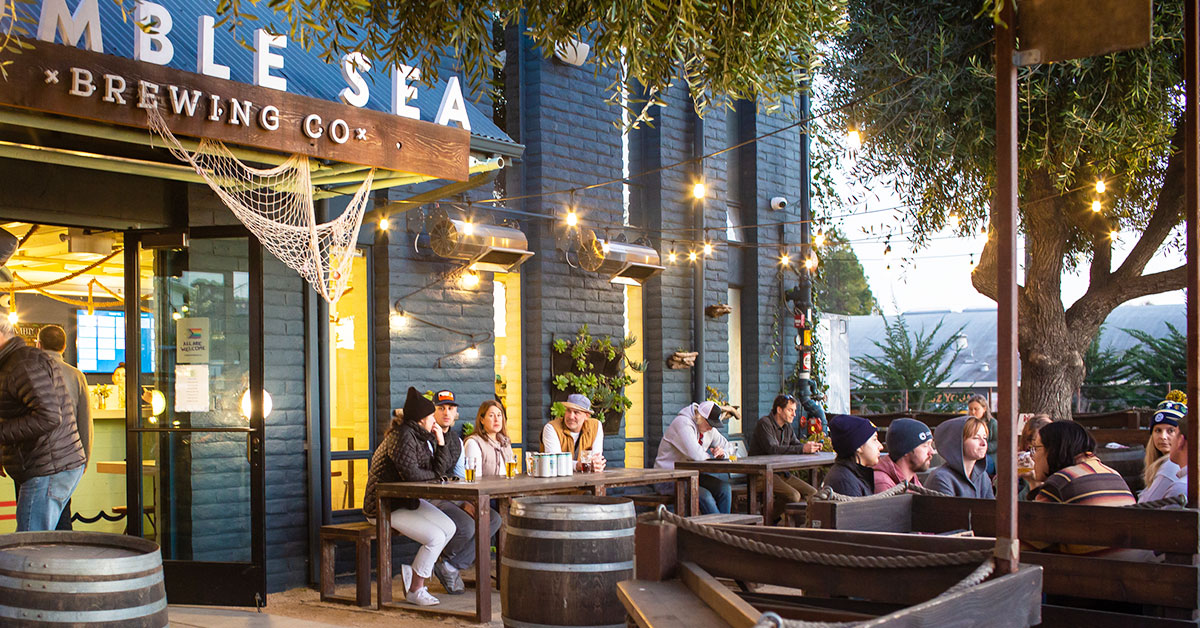
- Pacifica: A coastal environment where West Coast IPAs—known for their clarity and bitterness—remain the top sellers.
- Santa Cruz: A hub for local enthusiasts who have pivoted toward the technical proficiency of pilsners and lagers.
- Alameda: A market with a high concentration of "hardcore" craft fans who still demand bold, high-gravity releases like triple and quadruple IPAs.
This regional strategy highlights a move away from a "one size fits all" distribution model. It requires breweries to be more agile in their production scheduling and more observant of their point-of-sale data.
The Wholesale Conflict and the Complexity of Distribution
As breweries grow, the tension between different sales channels becomes a significant management challenge. Selling beer through a taproom offers the highest profit margins and direct control over the brand experience. However, reaching a larger audience requires wholesalers and third-party retailers (grocery stores, bottle shops, and taverns).
Thomas highlights the "competing agendas" that arise in this multi-channel environment. A wholesaler might prioritize a single, high-volume brand to simplify their logistics, while a pub operator wants a rotating list of twenty unique beers to keep locals coming back. Meanwhile, the brewery ownership must balance these demands against the brewers’ desire to experiment with new ingredients or techniques. This friction is compounded by industry consolidation; when a local wholesaler is purchased by a national conglomerate, a small brewery may find its products deprioritized in favor of larger, more profitable brands.
The Resurgence of the Flagship: Nostalgia and Reliability
Perhaps the most significant shift in the 2024 beer landscape is the return of the "flagship" brand. For years, the industry mantra was "new is always better." However, industry analysts and writers like Jeff Alworth have noted a growing "release fatigue" among consumers. The sheer volume of new labels has made it difficult for drinkers to form lasting connections with specific beers.
In response, breweries are reinvesting in their core brands—the beers that built their reputations. For Humble Sea, this is "Socks & Sandals," a foggy IPA that transitioned from a seasonal release to a year-round staple due to consumer demand. For Sunriver, the "Vicious Mosquito" IPA has become synonymous with the brewery itself.
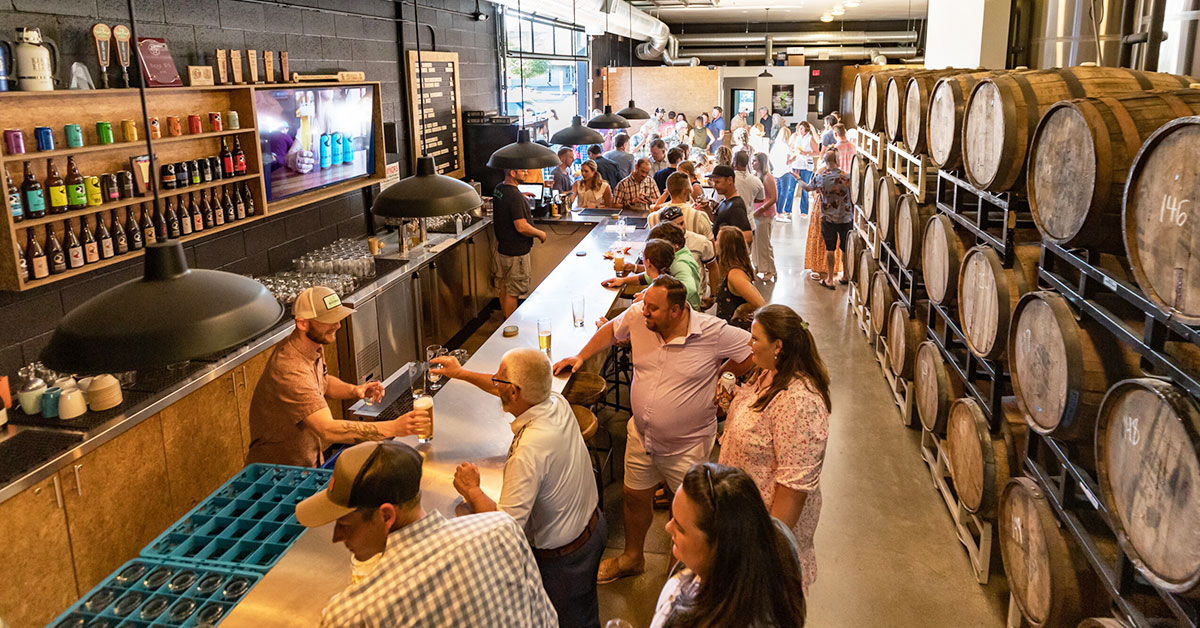
Thomas credits wholesalers for the success of Vicious Mosquito, noting that in the mid-2010s, distributors were aggressive in "brand building." Once they identified a beer with market traction, they focused their efforts on expanding its presence. Today, Vicious Mosquito is the bedrock of Sunriver’s financial stability, allowing the brewery the freedom to pursue more niche projects like their barrel-aged and wild ale series.
Broader Implications for the Craft Sector
The experiences of Sunriver and Humble Sea suggest that the future of craft brewing lies in "intentional versatility." The industry is moving past its rebellious phase—where it defined itself solely in opposition to "Big Beer"—and into a phase of professional maturity.
The implications are clear:
- Brand Loyalty over Novelty: While new releases will always drive excitement, long-term sustainability is built on "fridge staples"—reliable beers that consumers buy by the six-pack.
- Diversification is Mandatory: To survive economic downturns or shifting health trends, breweries must look beyond traditional beer to include lagers, seltzers, and potentially non-alcoholic offerings.
- Data-Driven Decision Making: Understanding the specific tastes of different taproom locations or distribution regions is essential for minimizing waste and maximizing sales.
In conclusion, the craft brewing industry is currently engaged in a sophisticated balancing act. It must honor the adventurous spirit that sparked the craft revolution while embracing the traditional business principles of consistency and market awareness. As brewers like Brett Thomas and Frank Scott Krueger have demonstrated, the path forward involves listening to the consumer, respecting the power of the flagship, and remaining ready to adapt when the next trend—or the next crisis—emerges.