admin
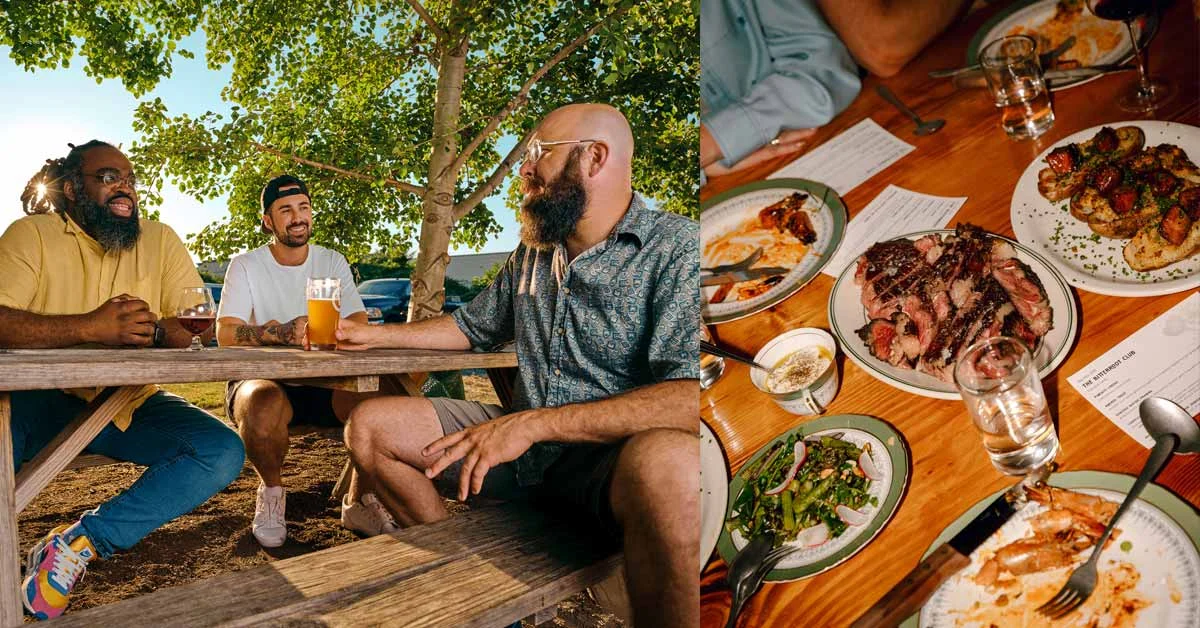
In the Buckman neighborhood of Southeast Portland, Oregon, a subtle shift in the craft beer paradigm is unfolding within the walls of Grand Fir Brewing. While the main taproom maintains the aesthetic of a modern Pacific Northwest brewpub—characterized by rustic steel and warm wood—a more exclusive experience occurs behind a nondescript door in the building’s industrial rear. Known as The Bitterroot Club, this weekly supper club represents a growing national trend toward "elevated" brewery experiences, where the traditional distinction between high-end gastronomy and casual brewing is intentionally blurred.
The Bitterroot Club is the brainchild of co-owners Doug Adams and Whitney Burnside Adams. Doug Adams, a former Top Chef finalist and James Beard Award nominee, utilizes the space to showcase seasonal, locally sourced menus that command a $135 per-person reservation fee. This culinary focus is paired with the technical expertise of Whitney Burnside Adams, a veteran of the Northwestern beer scene with a resume that includes Upright Brewing, Elysian, and 10 Barrel Brewing Company. This synergy between a high-profile chef and a pedigreed brewmaster serves as a strategic response to a tightening craft beer market that increasingly demands more than just a standard pint.
The Strategic Pivot to Culinary Integration
The integration of fine dining into the brewery model is a calculated business move. As the craft beer industry faces a post-pandemic landscape marked by shifting consumer habits and economic volatility, the Adamses have positioned Grand Fir Brewing as a destination for "elevated" experiences. The regular brewpub menu reflects this philosophy, featuring complex items such as shrimp rolls with jalapeño Old Bay tartar and charcoal-grilled pork chops paired with specific hop profiles.
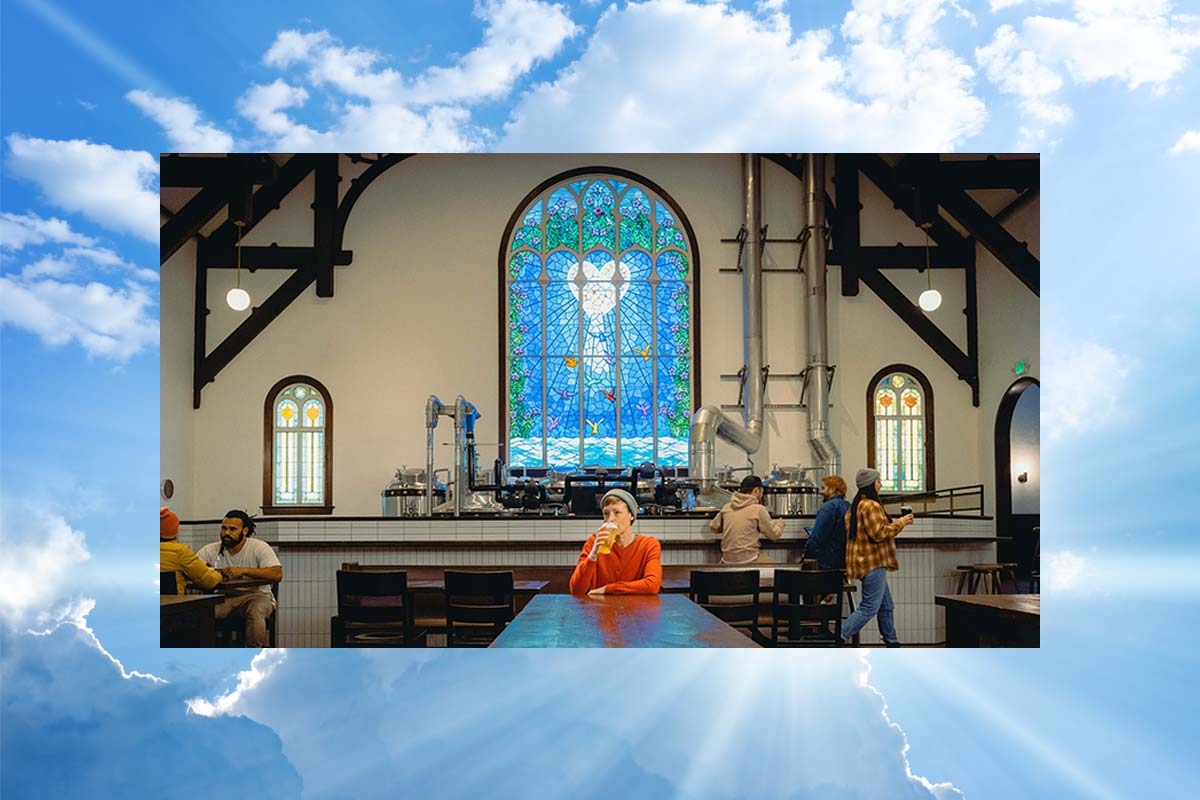
Whitney Adams notes that the survival of new breweries in mature markets like Portland depends on a unique "angle." The Bitterroot Club’s pairings—such as the bready Tamarack Fest festbier with Columbia king salmon or the citrusy Fresh Hop Strata with lemon buttermilk pie—are designed to demonstrate the versatility of beer as a culinary companion. This approach seeks to capture a demographic that values artisanal quality over volume, a necessity in a city where the "craft" prefix has become the default expectation.
A Chronology of Beervana: From Isolation to Innovation
The development of Portland’s beer identity, often referred to as "Beervana," is rooted in a combination of geographic isolation and legislative foresight. To understand the current state of the market, one must look at the timeline of its evolution:
- The 1980s: The Foundation. The Oregon "Brewpub Bill" of 1985 allowed breweries to sell their products on-site, sparking the initial wave of independent establishments like McMenamins and BridgePort Brewing.
- The 1990s: Defining the Brand. In 1994, the local publication Willamette Week first coined the term "Beervana." By 1996, BridgePort Brewing introduced its India Pale Ale, a beer that used five local hop varieties and set the template for the Northwest-style IPA—a style defined by aggressive bitterness and floral, piney aromas.
- The 2000s: The Development of the "Big Leagues." During this decade, Portland became the most developed craft market in the United States. Van Havig, master brewer at Gigantic Brewing, describes this era as a time when local distributors and brewpubs dominated the market because national brands like Miller and Budweiser had a historically minor presence in the region.
- The 2010s: Hyper-Experimentation. By 2012, breweries like Gigantic and Breakside Brewing began pushing beyond IPAs into Belgian ales, barrel-aging programs, and experimental ingredients like Japanese black rice and plums. This period also saw the "growler phenomenon," where gas stations and grocery stores installed draft towers to accommodate local demand.
- The 2020s: The "Elevated" Era. Post-pandemic challenges have forced a shift toward diversification. Breweries are now integrating full-scale kitchens, non-alcoholic (NA) lines, and specialized event spaces to maintain foot traffic.
Economic Data and the Oregon Hop Influence
The resilience of Portland’s beer scene is supported by its proximity to the Willamette Valley, one of the world’s premier hop-growing regions. According to data from the Oregon Brewers Guild and the USDA, Oregon remains a top-three producer of hops in the United States, alongside Washington and Idaho. This proximity provides local brewers with unprecedented access to fresh hops, particularly during the "Fresh Hop" season in late summer and early autumn.
In 2022, the economic impact of the brewing industry in Oregon was estimated at approximately $8.7 billion. Despite this, the market has reached a point of saturation. Nationally, the Brewers Association has reported a flattening of craft beer growth, with production volumes remaining nearly stagnant as consumers pivot toward spirits, canned cocktails, and non-alcoholic alternatives. In response, Portland stalwarts like Deschutes Brewery have invested heavily in meticulous NA versions of their core brands, such as Black Butte Porter, to capture the "sober-curious" market.
Market Differentiation and the "Discerning Drinker"
Ben Edmunds, brewmaster at Breakside Brewing, argues that the Portland market is unique because of the sophistication of its consumer base. Unlike other regions where breweries might install dog parks or pickleball courts to attract patrons, Portland breweries often double down on technical quality and stylistic diversity.
The city’s current landscape features a variety of specialized "houses":
- Lager-Centric: Wayfinder Beer has gained national acclaim for popularizing the "Cold IPA," a hybrid style brewed with lager yeast at higher temperatures to produce a crisp, hop-forward profile.
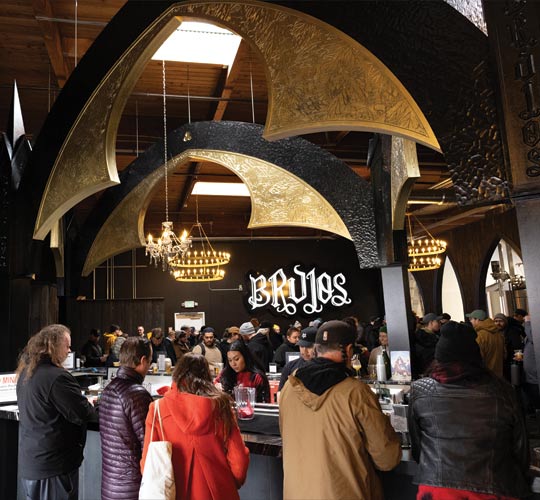
- Aesthetic and Atmospheric: Brujos Brewing focuses on a "heavy metal" aesthetic paired with hazy IPAs, while Living Häus Beer Company functions as an experimental "hipster" hub.
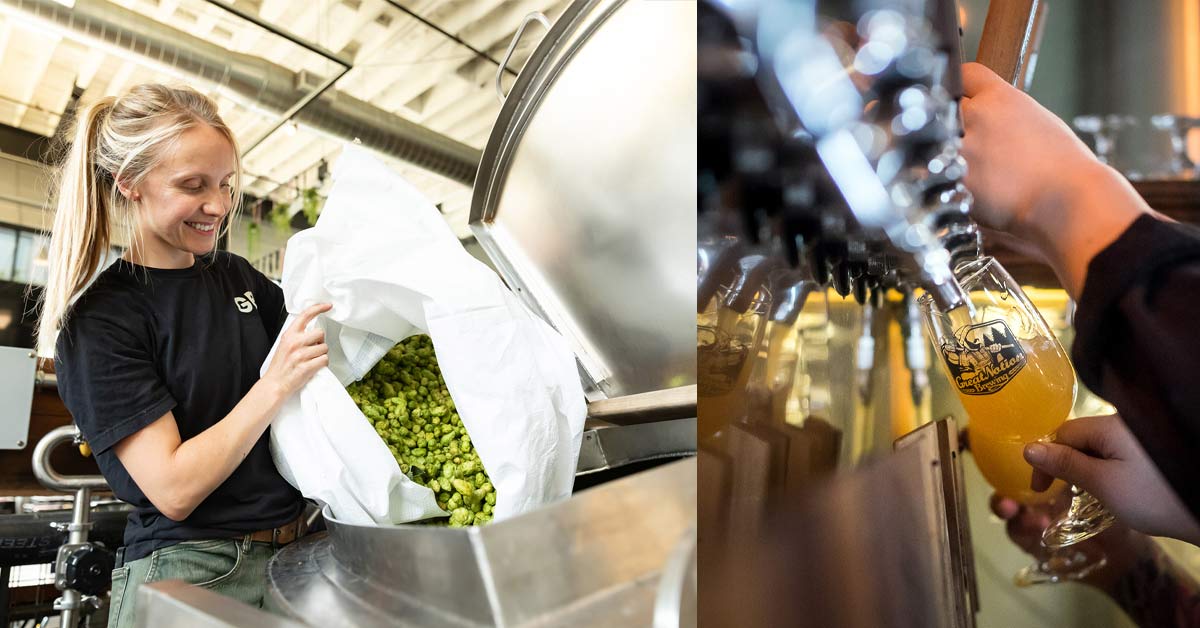
- Modern Pastry and Sour Houses: Great Notion has built a national brand around "pastry sours" and "culinary-inspired" beers that mimic the flavors of breakfast cereals and desserts.
Van Havig of Gigantic Brewing suggests that the term "craft beer" is rarely used in Portland because the high standard is ubiquitous. "Here, it’s just beer," Havig noted, emphasizing that the local market has successfully replaced "Big Beer" as the standard choice for the average consumer.
Challenges and Broader Industry Implications
Despite its reputation, Portland’s "Beervana" status is not immune to broader economic pressures. Skyrocketing real estate prices and increased labor costs have forced several legacy institutions to close or consolidate. The closure of BridgePort Brewing in 2019 served as a significant wake-up call for the industry, signaling that even the pioneers of the movement could succumb to market shifts.
The current strategy employed by breweries like Grand Fir—combining high-level culinary arts with technical brewing—is a response to these pressures. By offering a $135 tasting menu, the brewery is not just selling beer; it is selling an exclusive, high-margin experience that cannot be replicated by a grocery store six-pack.
Furthermore, the "family tree" of Portland brewing is expanding. Previously, brewers tended to remain at established firms for decades. Today, a new generation of experienced brewers is branching off to start smaller, more agile operations. This influx of "new blood" is credited with keeping the scene vibrant despite the economic headwinds.
Conclusion: The Future of the Craft Model
Portland serves as a laboratory for the future of the American craft beer industry. The city’s transition from a "microbrew" hub to a sophisticated culinary destination suggests that the next phase of the industry will be defined by integration. As consumer palates become more discerning, the breweries that thrive will likely be those that can offer a multi-sensory experience that justifies the premium price point of craft products.
The success of Grand Fir Brewing and its contemporaries indicates that while the "Beervana" of the 1990s was built on the novelty of hops, the Beervana of the 2020s and beyond will be built on the sophistication of the experience. For the Portland drinker, the expectation remains high: beer is no longer just a beverage; it is a cultural staple that demands constant reinvention. As Van Havig summarized, the reality of the Portland market is simple: "This is where craft beer won." The challenge now lies in maintaining that victory in an increasingly competitive and expensive landscape.