admin
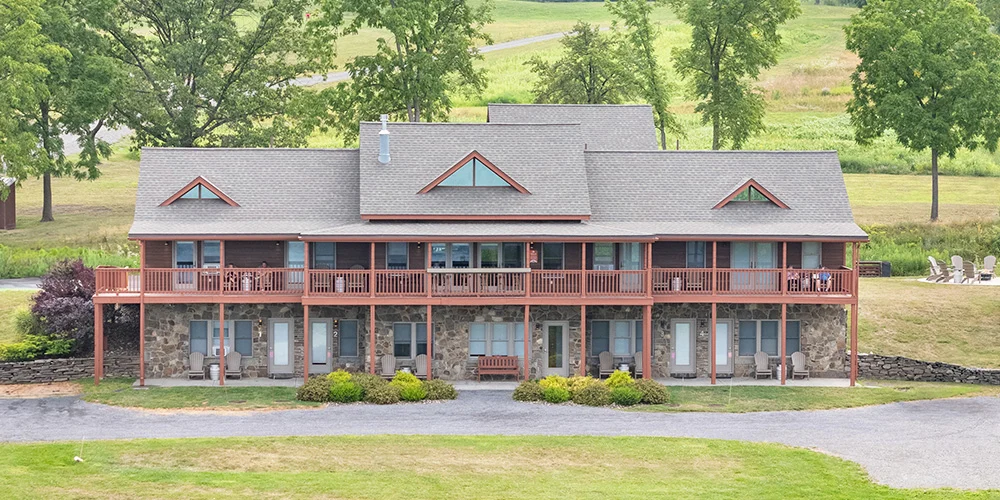
The landscape of American craft beer is undergoing a structural transformation as brewers pivot from being simple beverage producers to becoming comprehensive hospitality providers. Across the United States, a growing number of independent breweries are integrating boutique accommodations into their business models, transforming historic barns, bungalows, and industrial spaces into "beercation" destinations. This shift represents a strategic evolution in the "experience economy," where consumers prioritize immersive brand interactions over traditional retail or taproom visits. By offering overnight stays that reflect their specific brand ethos, breweries are fostering deeper emotional connections with their customer base while diversifying revenue streams in an increasingly competitive market.
The Shift Toward Immersive Beer Tourism
Beer tourism has historically centered on the "tasting flight" or the "brewery crawl," characterized by short-duration visits to multiple locations. However, recent data from the Brewers Association indicates a shift in consumer behavior toward "slow tourism." According to industry reports, taproom sales remain a vital lifeline for small and independent brewers, accounting for a significant portion of their profit margins. By adding lodging, breweries can extend the customer lifecycle from a 60-minute pint to a 48-hour brand immersion.
This trend is not merely about convenience; it is a storytelling platform. For a craft brewery, every architectural choice, from the scent of hops in the guest soaps to the placement of a "shower beer" ledge in the bathroom, serves as a touchpoint for brand identity. Industry analysts suggest that this move into hospitality is a response to the "saturation" of the retail shelf, where thousands of brands compete for limited space. In contrast, a brewery-owned lodge provides a captive audience and a controlled environment where the brand’s values—be they rugged outdoor adventure or refined European tradition—can be fully articulated.
Case Study in Luxury Cabin Culture: Backwoods Brewing Company
In Carson, Washington, the Backwoods Brewing Company has demonstrated the efficacy of the "cabin-core" hospitality model. Located in the Columbia River Gorge, approximately one hour from Portland, Oregon, the brewery was already a regional destination. However, the Waters family, who founded the company, identified an opportunity to capture the "slow travel" market by developing the Backwoods Cabins.
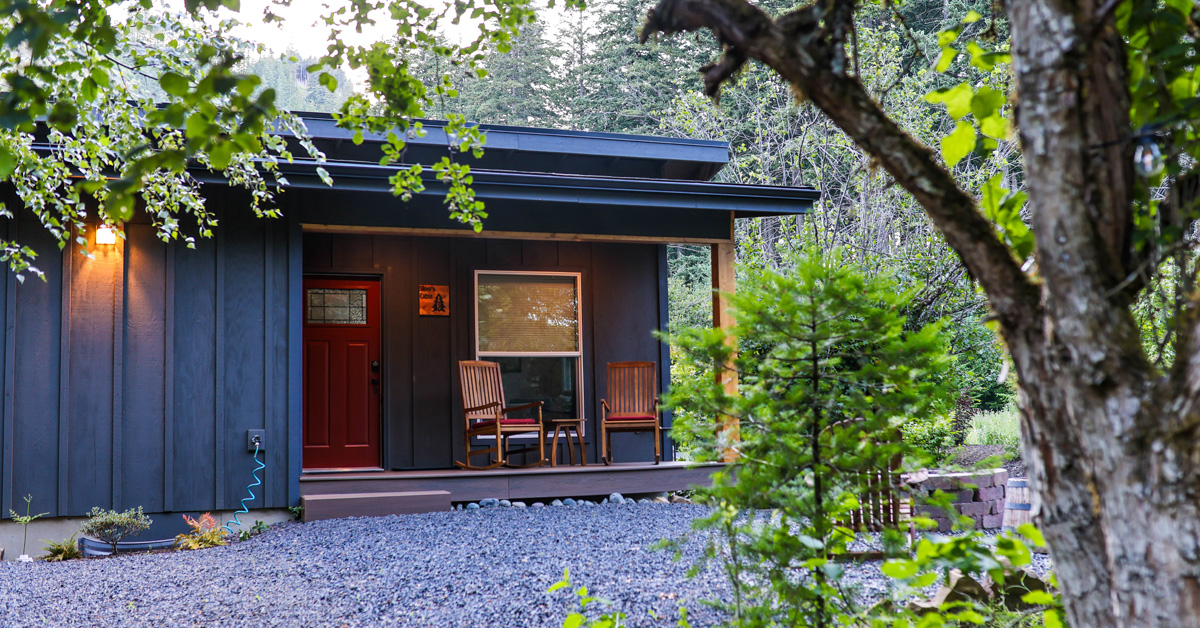
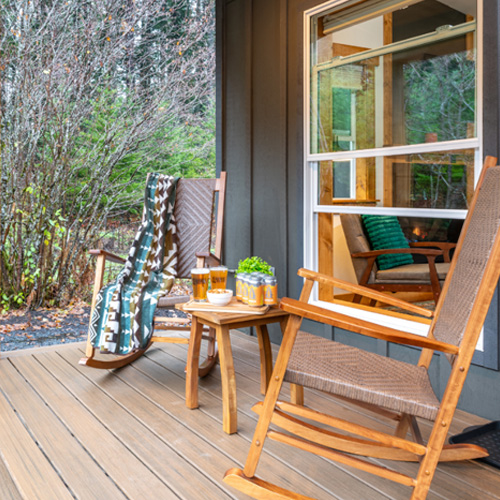
The project involved the construction of eight luxury-leaning cabins, each meticulously themed to reflect the local geography: the Hiker, the Kayaker, and the Stargazer. Steve Waters, CEO of Backwoods, notes that the initiative was born from observing guest behavior. "People already come out here to slow down," Waters stated, emphasizing that the lodging was designed to feel like an extension of the taproom’s "easy-to-be-in" atmosphere.
The financial and operational implications of such an expansion are significant. These cabins feature high-end amenities—600-thread-count sheets, gas fireplaces, and hop-scented spa products—that command premium nightly rates. Furthermore, the integration of beer into the booking process—where guests can pre-order curated "mix packs" for their rooms—creates a seamless upsell opportunity. This model leverages the natural beauty of the Columbia River Gorge to anchor the brewery’s brand in the mind of the traveler as a facilitator of the Pacific Northwest lifestyle.
Historical Continuity and the Alpine Model: von Trapp Brewing
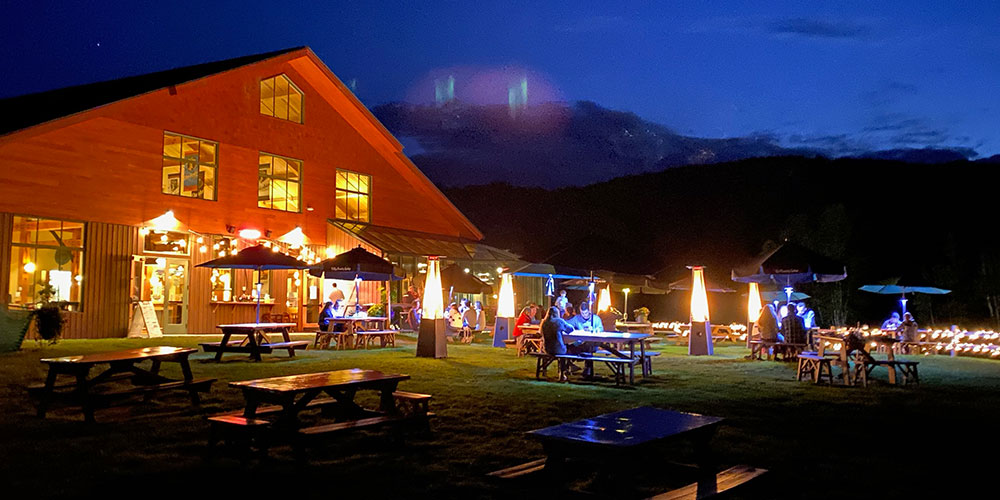
While some breweries are new to the hospitality sector, others have it in their DNA. The von Trapp Family Lodge in Stowe, Vermont, represents a unique intersection of musical history, European brewing tradition, and large-scale resort management. Founded by the family made famous by The Sound of Music, the property spans 2,600 acres and operates as a world-class alpine playground.
The brewery was established by Johannes von Trapp, who sought to replicate the crisp, refreshing lagers of his Austrian heritage. Emily Provost, marketing manager at von Trapp Brewing, highlights that the brewery is physically integrated into the land, utilizing natural spring water from the property. This connection to the "terroir" of the estate is a central selling point for the resort’s beer-centric stays.
The von Trapp model demonstrates how a brewery can anchor a multifaceted resort experience. Guests engage in "lager-led" activities, such as snowshoe tours and guided tastings, paired with Austrian-inspired cuisine like schnitzel and house-made bratwurst. From a journalistic perspective, the von Trapp case illustrates the "heritage brand" strategy, where history and authenticity are leveraged to create a high-barrier-to-entry hospitality product that competitors cannot easily replicate.
Strategic Integration: The Lodge at Grist Iron Brewing
In the Finger Lakes region of New York, Grist Iron Brewing took a "lodging first" approach to its development. When the owners acquired the property in Watkins Glen, it already contained guest rooms, allowing the brewery to build its brand around an existing hospitality infrastructure.
The Lodge at Grist Iron is notable for its "rustic-modern" design and its deliberate focus on the "beer-centric" traveler. One of the most discussed features of the property is the inclusion of built-in shower ledges in every bathroom, specifically designed to hold a "shower beer." While seemingly a minor detail, such features are calculated branding moves that resonate with the core craft beer demographic.
Emily Knowlden, social media and marketing coordinator for Grist Iron, observes that the presence of on-site lodging changes the nature of the brewery-customer relationship. "Guests linger longer, come back often, and engage deeply with our team," Knowlden stated. This increased engagement translates into higher brand loyalty and word-of-mouth marketing, which is essential in a region like the Finger Lakes, where breweries must compete with a well-established wine tourism industry.
Adaptive Reuse and the Expansion of the Hybrid Model
The trend of brewery-led hospitality is also revitalizing historic infrastructure through adaptive reuse. McMenamins, operating in Oregon and Washington, has become a national leader in this space. The company specializes in transforming derelict historic buildings—including former schools, poor farms, and churches—into eclectic hotel-brewery hybrids.
This model serves a dual purpose: it preserves local history while creating a unique, "un-chain" hotel experience. McMenamins properties often feature "secret" bars, original artwork, and onsite breweries, making the building itself a destination. This strategy aligns with broader urban planning trends that favor mixed-use developments and the preservation of "neighborhood character."
In Fargo, North Dakota, Drekker Brewing has pushed the boundaries of brand immersion with "The Brewhalla Crash Pad." This boutique hotel is located within a larger "food and entertainment wonderland" and features rooms themed after specific Drekker beers. For example, the "Mind Bullets" suite utilizes psychedelic murals and industrial aesthetics to mirror the label art of the brewery’s sour IPA. This represents the "hyper-branding" of hospitality, where the physical environment acts as a three-dimensional advertisement for the liquid product.
Economic and Regional Implications
The rise of brewery-owned accommodations has significant economic implications for rural and mid-sized markets. By creating "destination breweries," these businesses attract out-of-state visitors who contribute to the local economy through "ancillary spending"—purchasing fuel, dining at nearby restaurants, and visiting other local attractions.
Data from the American Express "Global Travel Trends Report" suggests that "food and beverage" is now a primary motivator for travel among Millennials and Gen Z. Breweries that offer lodging are uniquely positioned to capture this demographic. Furthermore, these establishments often provide stable, year-round employment in areas that may otherwise rely on seasonal tourism.
From a regulatory standpoint, the integration of lodging and brewing requires navigating complex zoning and liquor laws. However, many municipalities are beginning to view these "brewery resorts" as assets for economic development, often providing incentives for the restoration of historic properties or the development of tourism infrastructure in under-served areas.
Chronology of the Craft Beer Hospitality Evolution
To understand the current state of brewery stays, one must look at the timeline of the industry’s growth:
- The Brewpub Era (1980s–1990s): Early pioneers like Bert Grant and the McMenamin brothers began combining on-site brewing with food service, establishing the "third place" concept outside of home and work.
- The Taproom Boom (2010–2018): Changes in state laws allowed breweries to sell beer directly to consumers without a full kitchen. This led to an explosion of "industrial park" taprooms.
- The Experience Pivot (2019–Present): As the market became crowded, breweries sought ways to differentiate. The COVID-19 pandemic accelerated the desire for "getaway" destinations and outdoor-centric travel, leading to the current surge in brewery-owned cabins, lodges, and hotels.
Conclusion and Future Outlook
The transformation of breweries into hospitality hubs represents a maturation of the craft beer industry. No longer content with merely being a product on a shelf, brewers are creating ecosystems where their brand can be lived and breathed. This move toward "immersive beer experiences" is a calculated response to changing consumer preferences, emphasizing quality, storytelling, and human connection over mass-market convenience.
As the "beercation" trend continues to grow, industry analysts expect to see further specialization. This may include "wellness-focused" brewery retreats that combine yoga and hiking with low-alcohol or non-alcoholic craft options, as well as high-tech "smart hotels" integrated into urban production facilities. For the beer traveler, the message is clear: the next great pint is no longer just a drive away—it is a destination in itself. Through the strategic integration of lodging, craft breweries are ensuring that their story doesn’t end when the glass is empty, but continues until the guest wakes up the next morning, steps away from the brewhouse.